
 EN
EN  English
 Español
 عربى
عربى

Product Consultation
Your email address will not be published. Required fields are marked *

Before you approve another compressor quote, check the hour meter on the unit that has been supplying your plant for the past four years. If it has logged over 20,000 running hours and still holds its setpoint pressure, you are looking at the reason most factories choose rotary screw air compressors over piston machines. If it has been cycling constantly, leaking oil, or draining your energy budget, the problem is usually not the compressor brand but a mismatch between the machine and the demand. Getting the next purchase right comes down to three things: understanding how the machine compresses air, choosing between oil-injected and oil-free construction, and matching capacity and control to the real demand profile.
A rotary screw air compressor is a positive-displacement machine that compresses air through the rotation of two interlocking helical rotors inside a precision housing. The male rotor lobes mesh with the grooves of the female rotor. Air enters through the inlet port, is trapped in the spaces between the rotor flanks, and is carried forward as the rotors turn. Because the meshing of the rotors continuously reduces the trapped volume, the air is squeezed from atmospheric pressure to discharge pressure before it leaves through the outlet port.
The absence of valves, piston rings, and reciprocating parts makes the screw element inherently reliable. There is no unbalanced mass to create vibration, and the airflow is continuous rather than pulsed. Typical industrial units deliver pressures from 7 to 13 bar, with most plants setting between 7.5 and 10 bar because pneumatic tools and cylinders are rated in that range. That is why rotary screw compressors are the standard choice for plants that need compressed air for more than a few hours each day.
The first branch in any compressor buying decision is the choice between oil-injected and oil-free compression. Each family has a different internal architecture, a different maintenance profile, and a different range of acceptable applications.
Oil-injected compressors spray oil directly into the compression chamber. The oil seals the clearance gaps between the rotors, lubricates the bearing surfaces, absorbs most of the heat generated during compression, and flushes contaminants away from the element. The oil is then separated from the compressed air, cooled, and cycled back into the circuit. This design is compact, efficient, and tolerant of demanding conditions, but the delivered air will always contain trace amounts of oil, typically in the low parts-per-million range.
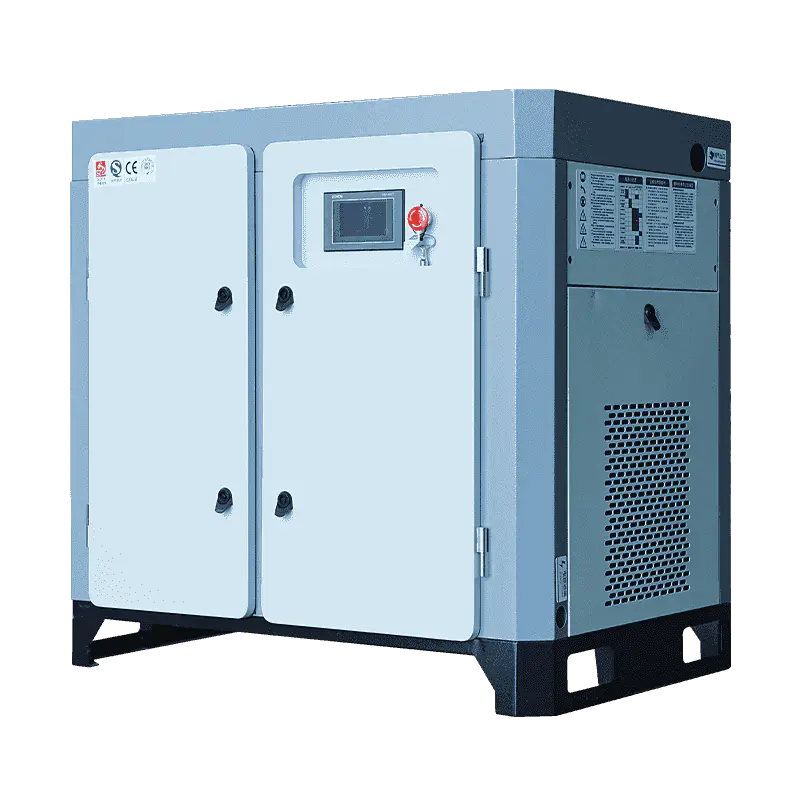
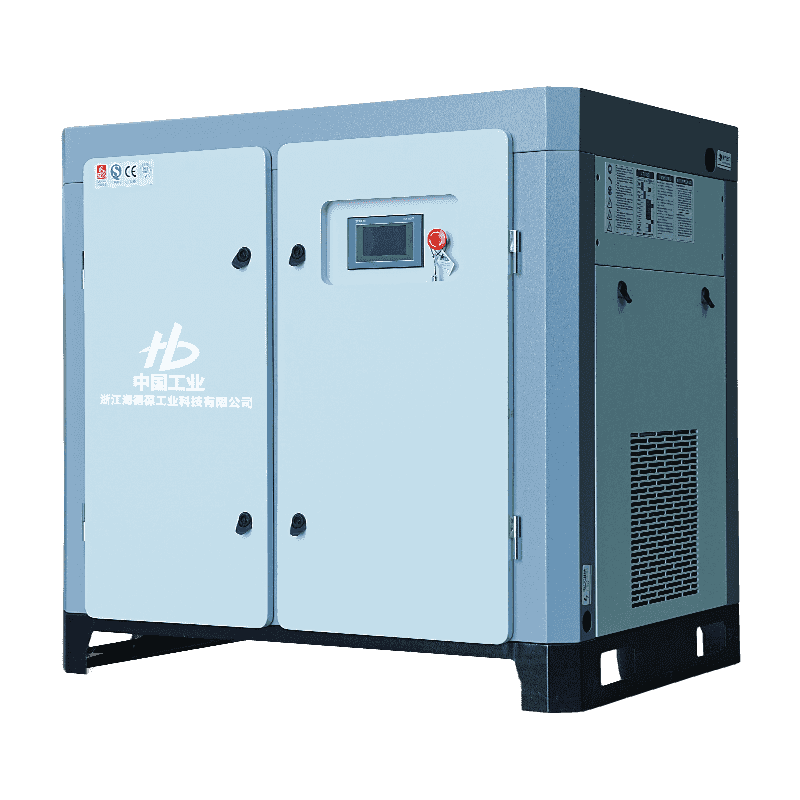
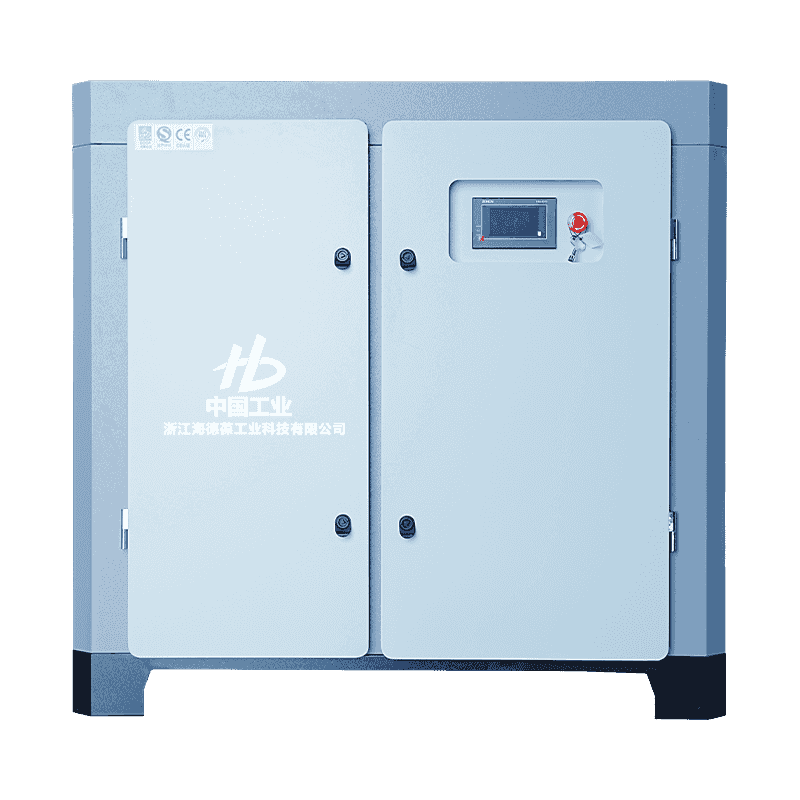
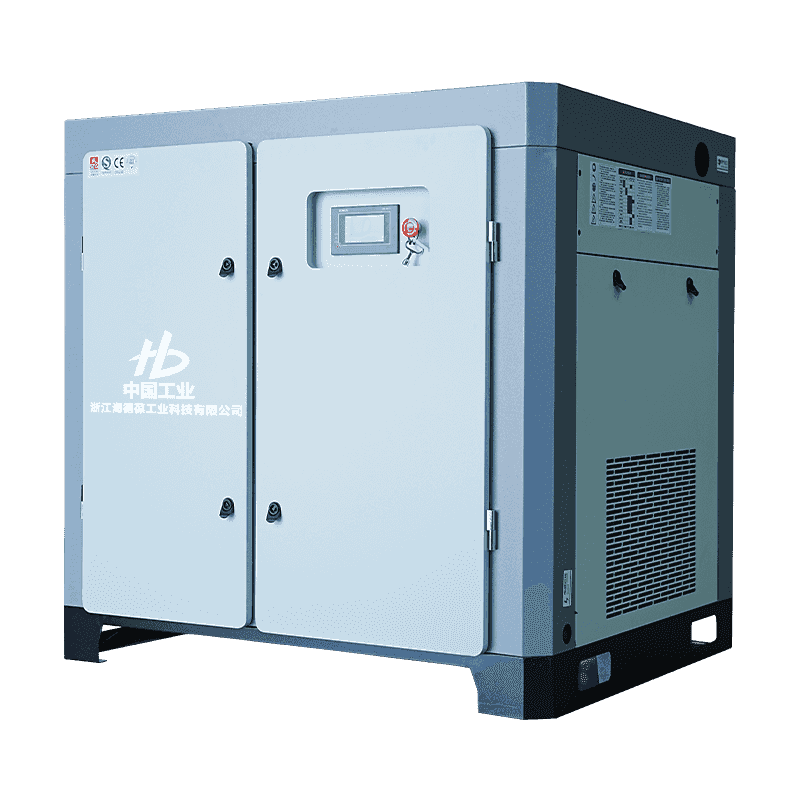
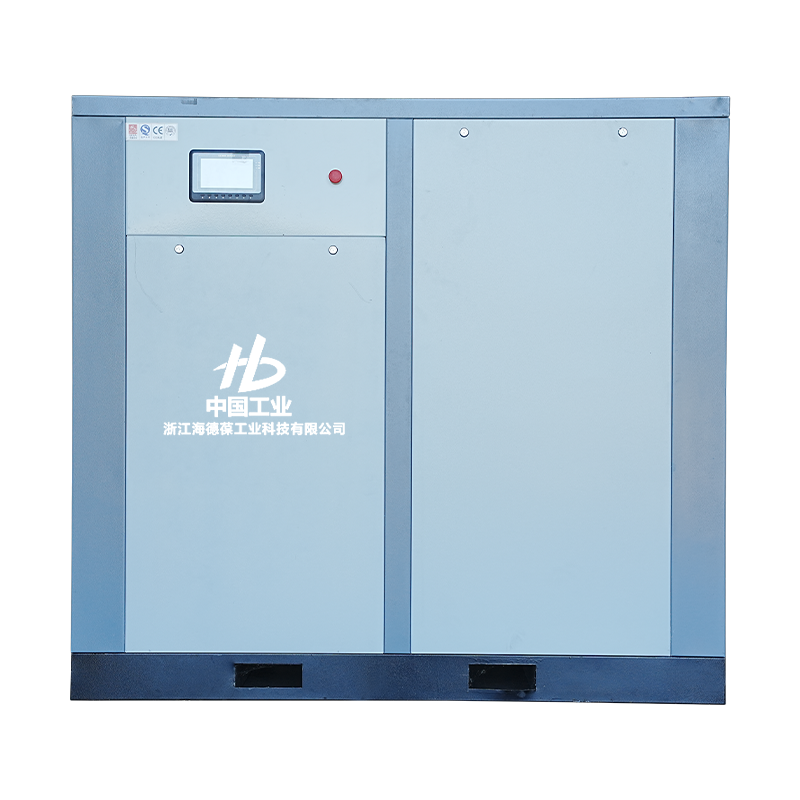
For general machine shops, assembly lines, and metalworking plants, a micro-oil twin-screw air compressor is the most cost-effective option. Trace oil content has no effect on pneumatic tools, blow-off nozzles, or cylinders, and the higher efficiency of oil-injected compression lowers the electricity cost of producing each cubic meter of air.
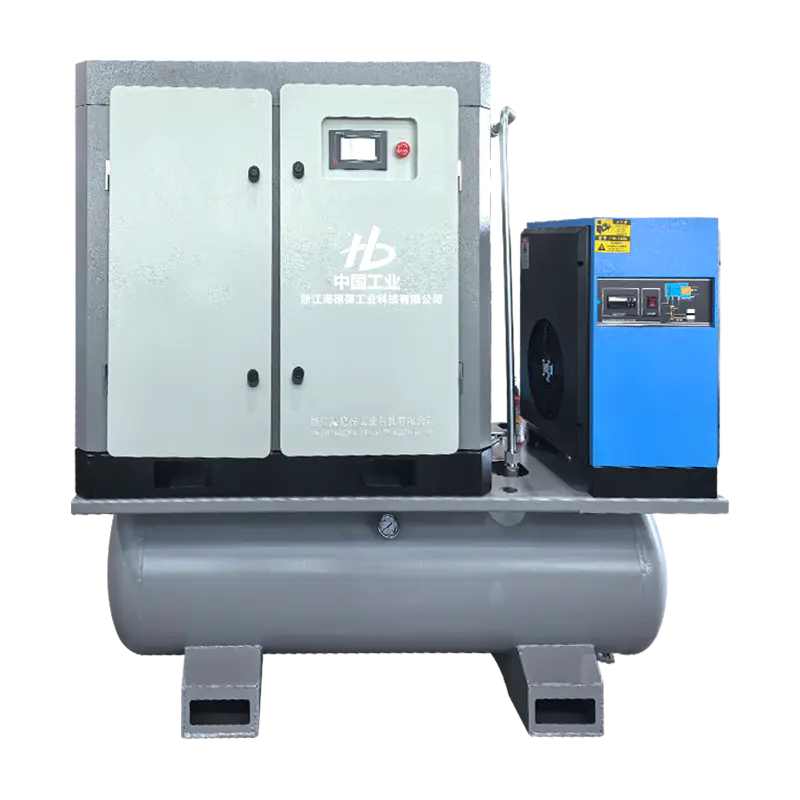
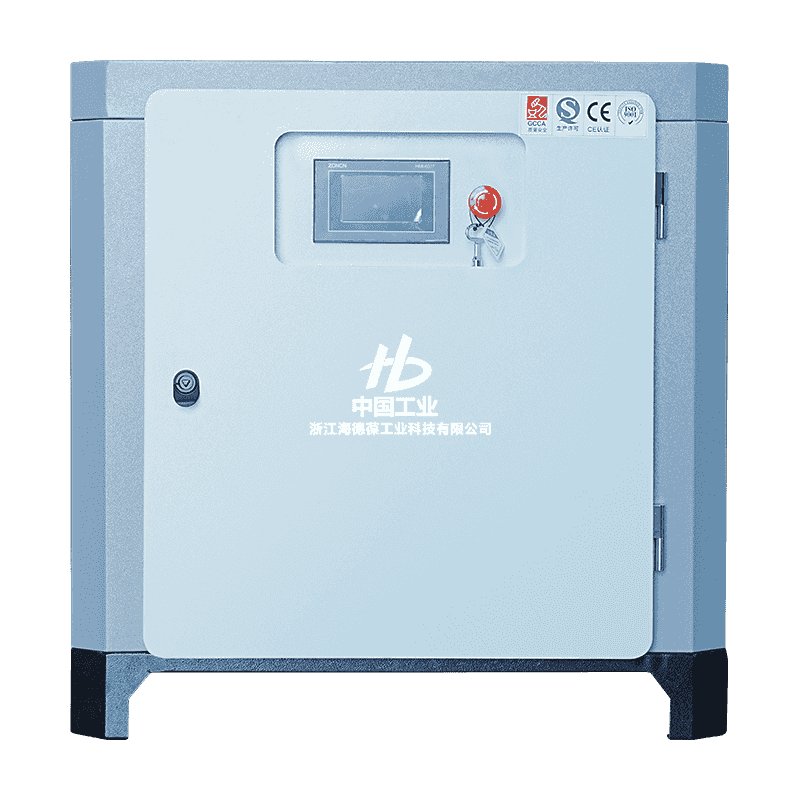
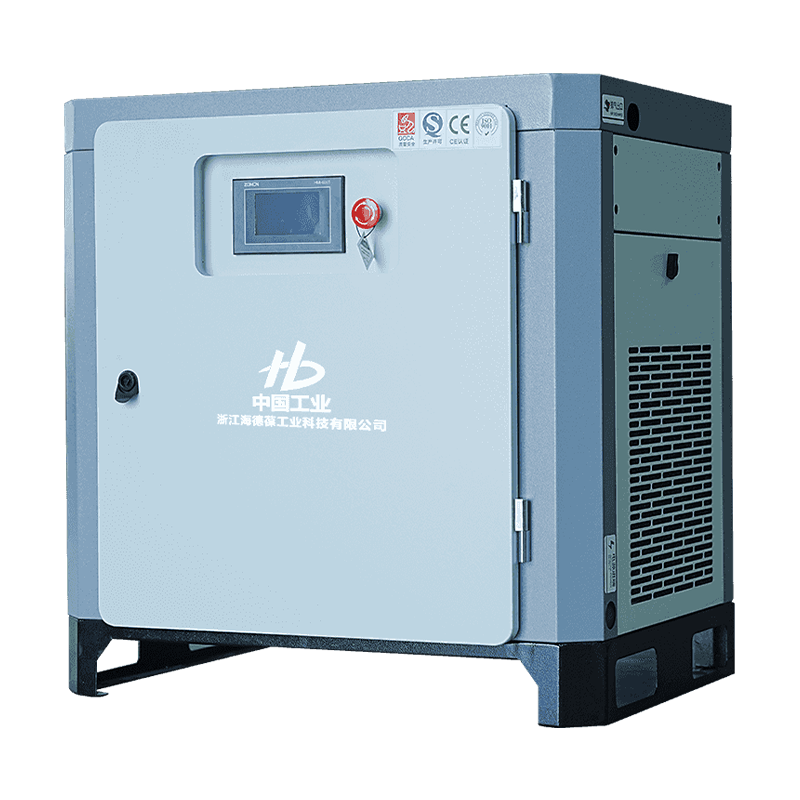
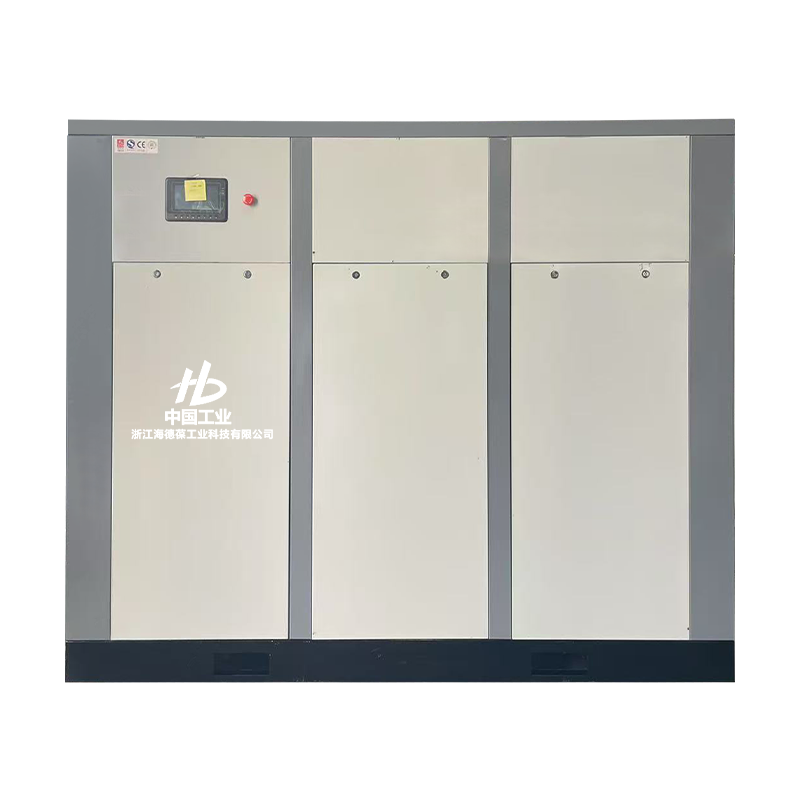
 Micro-oil Twin Screw Single Stage Air Compressor ManufacturersAs China twin screw single stage compressor manufacturers and suppliers, Haidebao provides custom micro-oil twin screw single stage compr...View Product →
Oil-free compressors keep the compression chamber completely free of lubricants. The rotors are synchronized by timing gears and never touch each other, so no oil is required inside the element. Air quality is the defining advantage: zero oil carryover satisfies the standards of food, beverage, pharmaceutical, and electronics manufacturing. The cost of that cleanliness is a more complex design, tighter manufacturing tolerances, and moderately lower energy efficiency than an oil-injected machine of the same size.
Plants that package food, produce medical devices, or process electronic components should evaluate an oil-free twin-screw air compressor even when the initial quote is higher. The loss of one contaminated batch typically exceeds the entire difference in capital cost.
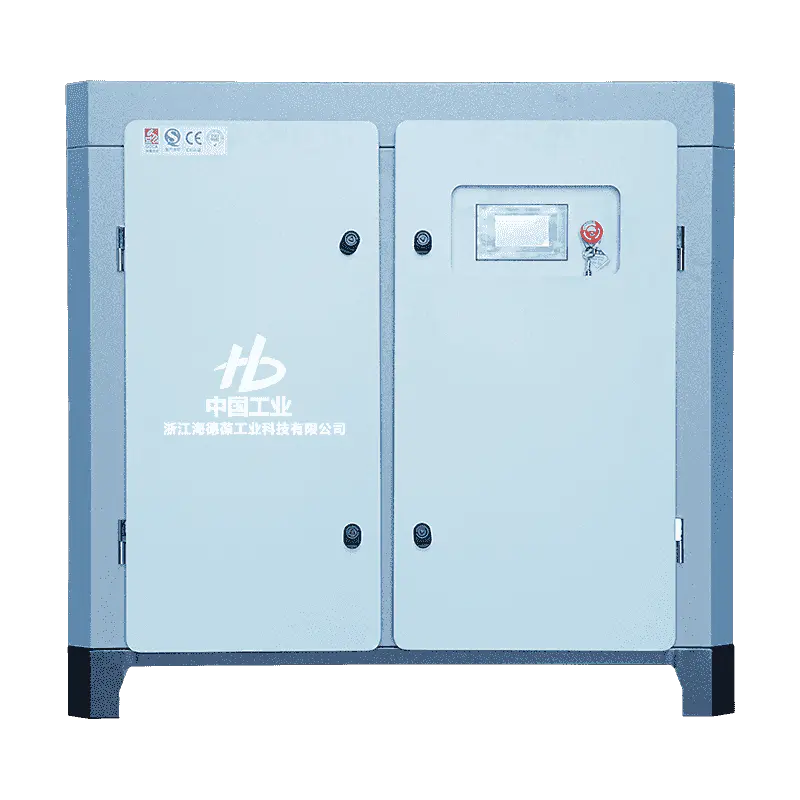
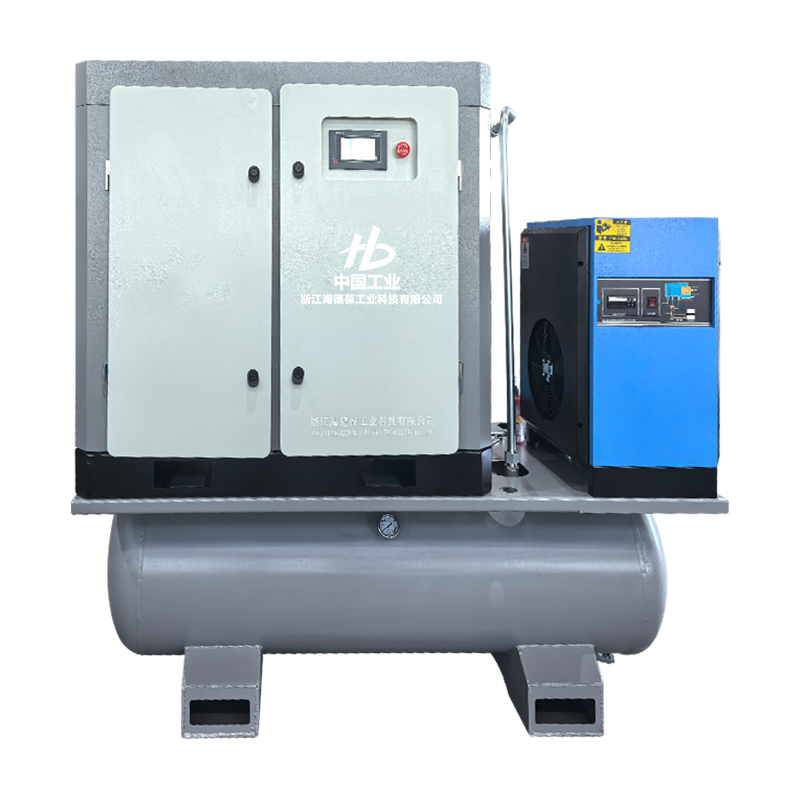
OEM/ODM Oil Free Screw Air Compressor Factory, ManufacturersHaidebao is China oil free screw compressor factory and oil free air compressor manufacturers, offer OEM/ODM oil-free twin screw air comp...View Product →
| Characteristic | Oil-Injected | Oil-Free |
|---|---|---|
| Oil in compression chamber | Used for sealing and cooling | None, timing gears only |
| Air quality | Trace oil carryover at ppm level | Zero oil carryover |
| Energy efficiency | Higher for the same frame size | Lower due to clearance losses |
| Key maintenance items | Oil, separator element, filters | Gears, bearings, air filters |
| Typical industries | Machinery, automotive, general manufacturing | Food, pharma, electronics |
| Initial cost | Lower | Higher |
Once the oil decision is made, the next question is whether to compress the air in one stage or two. Single-stage machines draw in atmospheric air and compress it to the final pressure in a single rotor set. Two-stage machines add an intercooler between two rotor sets: the first stage raises the air to an intermediate pressure, the air is cooled, and the second stage completes the compression to the final pressure.
Two-stage designs exist for a simple reason: cooling the air between stages increases its density, so the second stage does less mechanical work to reach the final pressure. That reduces motor power consumption at pressures above the usual 7 to 8 bar range and lowers the temperature inside the compression elements, which extends the life of seals and rotors. For duty cycles above 6,000 hours per year, the energy savings of a two-stage machine usually justify its higher purchase price.
In the micro-oil category, single-stage models cover 10 to 75 horsepower, while heavy continuous duty is handled by two-stage 100 hp and 120 hp micro-oil screw compressors that maintain efficiency at higher discharge pressures.
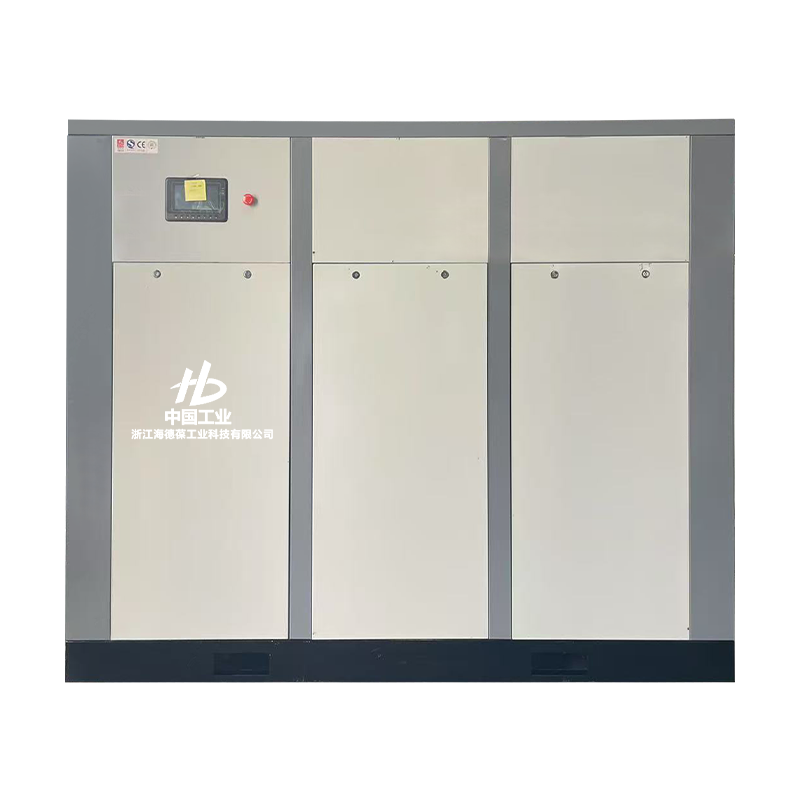
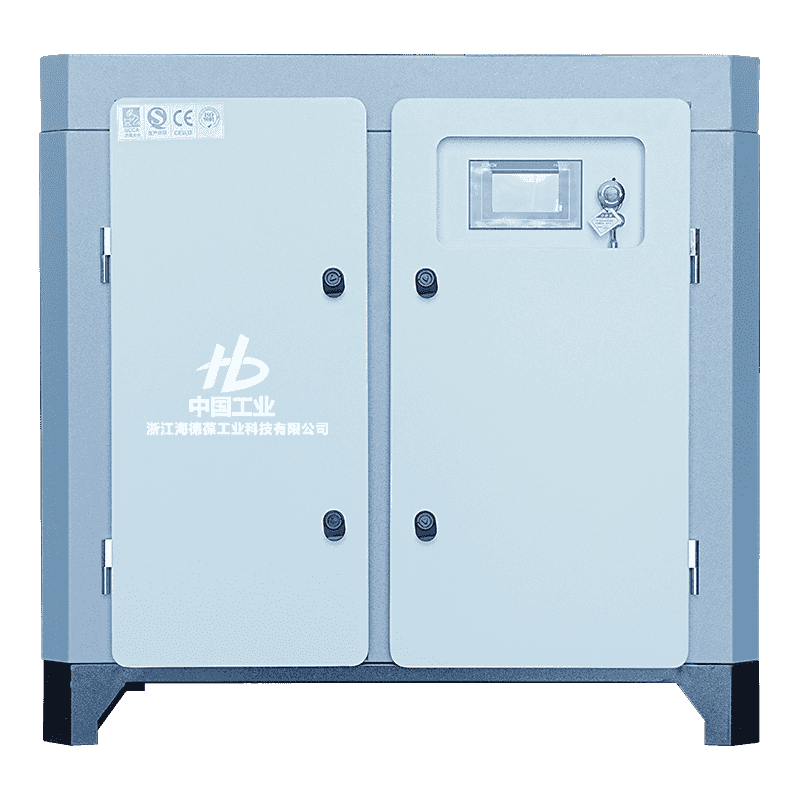
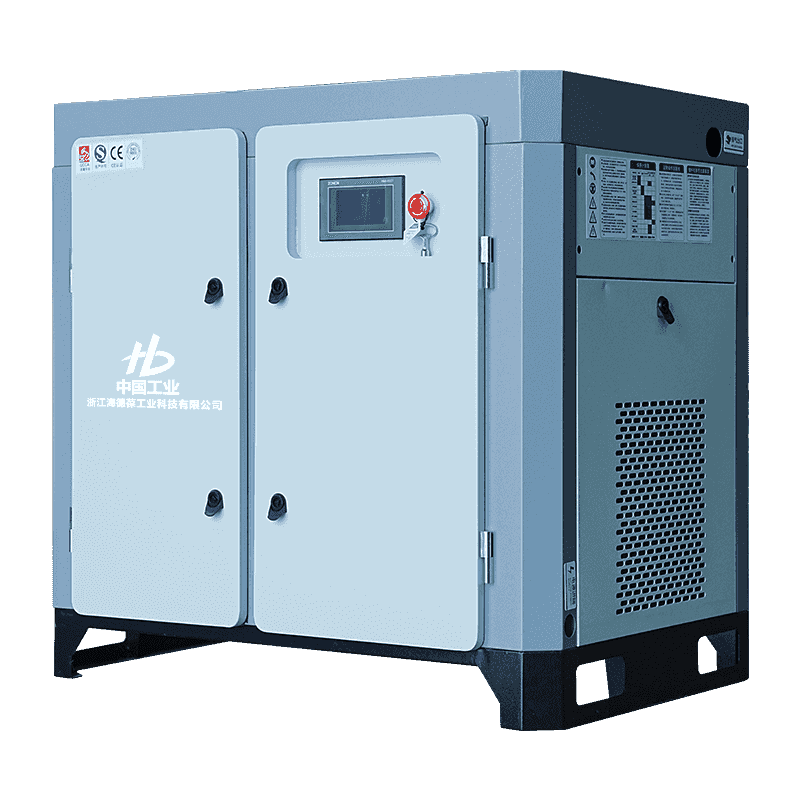
Micro-oil Twin Screw Two Stage Air Compressor ManufacturersAs China two stage air compressor manufacturers and screw two stage compressor suppliers, Haidebao provides custom micro-oil twin screw t...View Product →Horsepower sells compressors, but delivered flow does the work. The specification that matters is the free air delivery (FAD) at the pressure your plant actually uses, usually expressed in cubic feet per minute (cfm) or liters per second (l/s). Two machines with the same motor rating can deliver different flow depending on rotor profile, motor efficiency, and drive losses, so compare the performance curve instead of the motor plate.
The practical way to size a compressor is to list every pneumatic load, read its rated air consumption, estimate the duty cycle of each tool, and apply a simultaneity factor because not all tools run at the same time. Then add two allowances that are almost always missing: leakage, which in typical plants accounts for 20 to 30 percent of total flow, and a future margin of 10 to 15 percent. The sum is the required FAD at your operating pressure.
| Motor Rating | Typical Application Scope |
|---|---|
| 10 hp | Small workshops, one or two CNC machines, intermittent tool use |
| 20 hp | Light assembly lines, small packaging machines, multiple workstations |
| 30 hp | Continuous pneumatic tool use, medium machine shops, blow-off processes |
| 50 hp | Large machine shops, multi-line production, higher duty cycles |
| 75 hp | Heavy continuous operation, several production lines, large plant loads |
| 100 hp / 120 hp | Two-stage models for high-pressure or high-efficiency continuous service |
These ratings are starting points, not guarantees. A 20 hp machine can be oversized for a one-shift workshop and undersized for a plant with heavy leaks or high ambient temperatures. The only reliable approach is to measure the actual load profile or ask the supplier to model it from your equipment list.
After the compressor size, the control scheme determines how much of the energy you pay for actually reaches your processes. The four common options are start/stop, load/unload, modulation, and variable speed drive.
For stable air demand, a fixed-speed machine with load/unload is usually the most economical. For plants where demand swings sharply through the shift, the extra cost of a VSD model typically pays back in less than three years.
Belt-driven and direct-driven machines are the two common drive configurations. Belt drives simplify motor speed matching on smaller frames; direct drives eliminate belt losses and reduce maintenance. Both designs perform well, so the deciding factor is usually the local availability of spare parts and service support.
The purchase price of a rotary screw air compressor is the smallest cost in its life. Over ten years, electricity accounts for roughly 75 to 80 percent of the total cost of ownership, followed by maintenance, with only a small remainder for the machine itself. A 10 percent efficiency difference is worth more than the price gap between two competing quotes, so the efficiency curve should have the final word in your decision.
Supplier evaluation deserves the same scrutiny as the machine specification. A producer that follows ISO 9001 quality procedures and holds CE certification gives you a reproducible baseline for product quality. Ask to see the manufacturing and testing process before signing the contract, because a compressor is only as reliable as the tolerances it was built to.
Service commitment is the third pillar. Ask about spare parts availability, warranty coverage, response time, and whether the supplier can dispatch an engineer to your site. The relationship does not end at delivery, so confirm the after-sales structure and talk directly to the team that will support you after installation.
Selecting a rotary screw air compressor comes down to four decisions: air quality class, number of compression stages, delivered capacity, and the control scheme that matches your demand pattern. Get those right, and the machine will produce compressed air quietly and efficiently for tens of thousands of hours. A manufacturer that documents its quality system, opens its factory for inspection, and keeps a responsive service network is the partner that protects your long-term investment.
Your email address will not be published. Required fields are marked *

A dedicated after-sales service department is established, consisting of a professional sales team and skilled technical engineers. They are committed to providing year-round support, traveling to customer locations to deliver prompt and high-quality service.

Tel:86-0570-7221666

E-mail:[email protected]

Add: No.2 Qiming Road, Zhejiang Longyou Economic Development Zone, Mohuan Township, Longyou County, Quzhou City, Zhejiang Province, China
Copyright © Zhejiang Haidebao Industrial Technology Co., Ltd.

Custom Industrial Screw Air Compressor Manufacturers