
 EN
EN  English
 Español
 عربى
عربى
Product Consultation
Your email address will not be published. Required fields are marked *

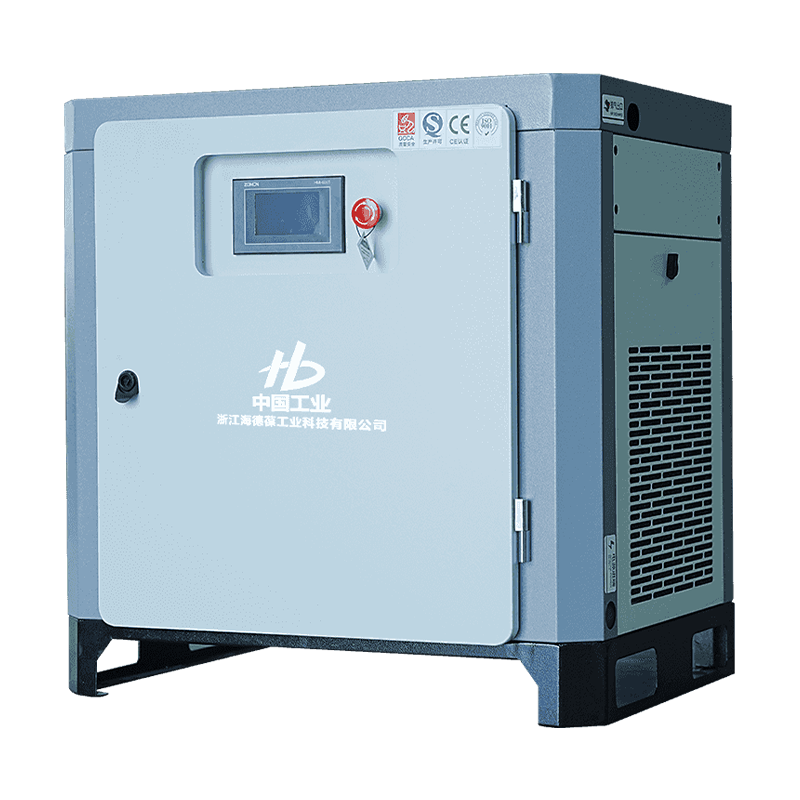
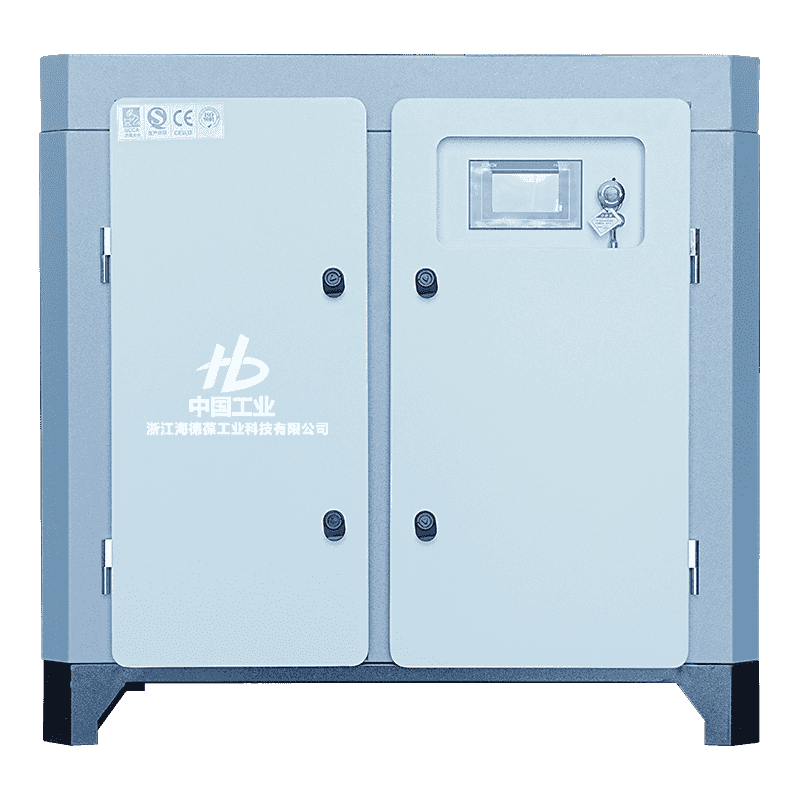
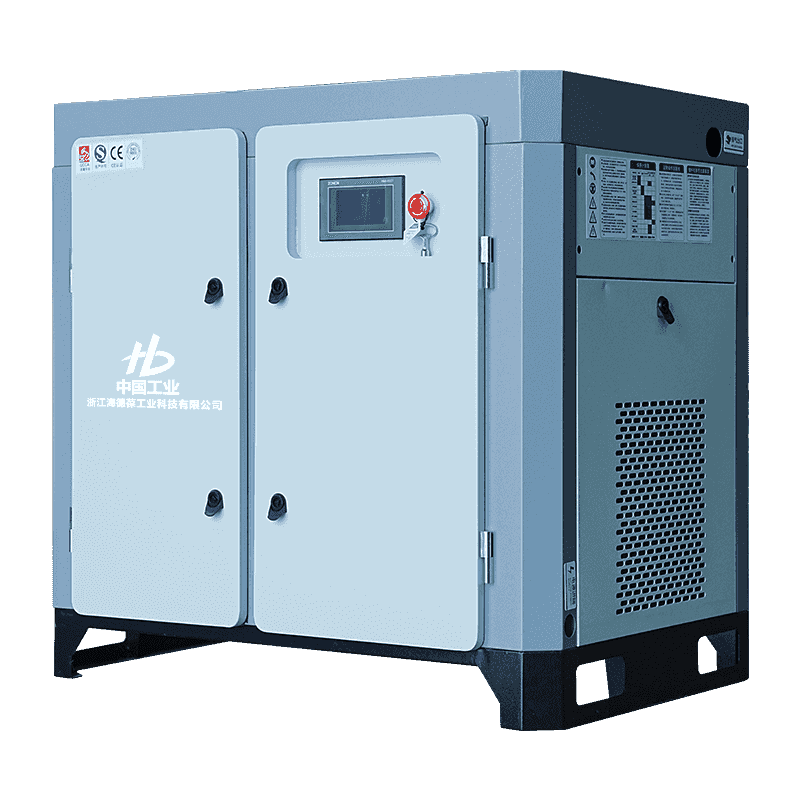
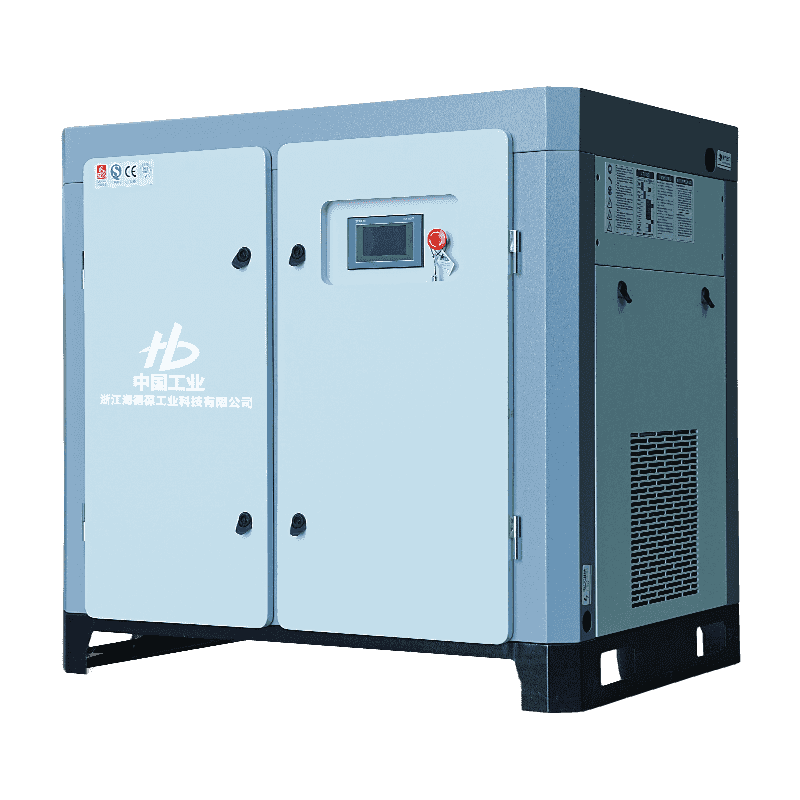
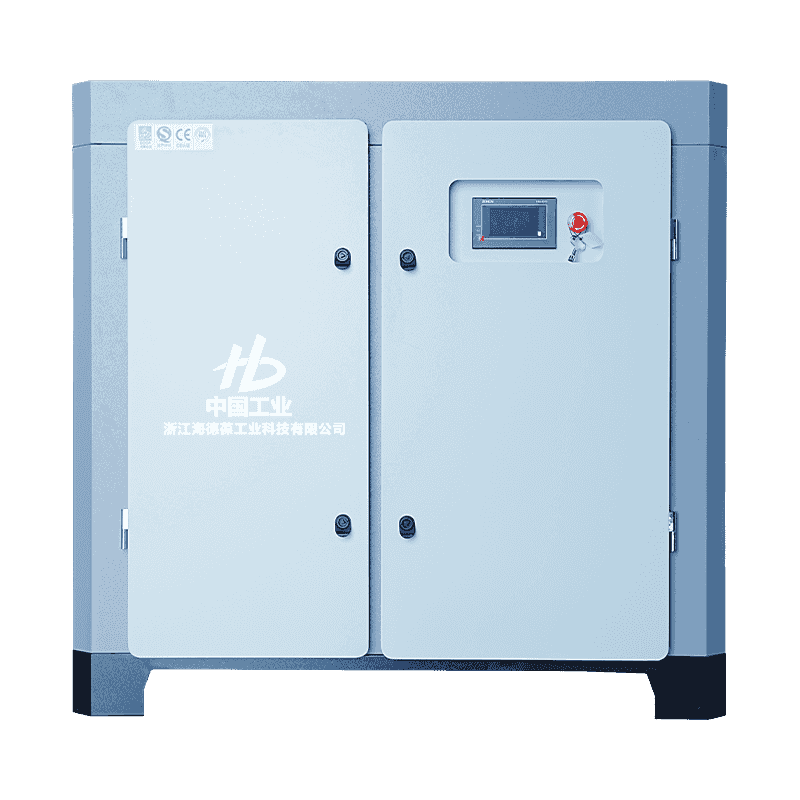
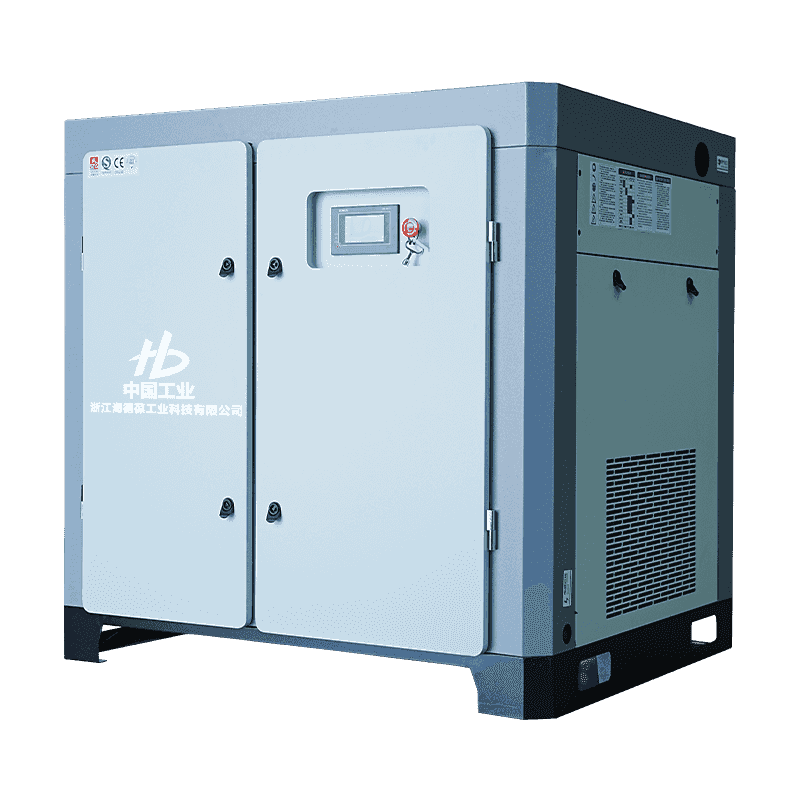
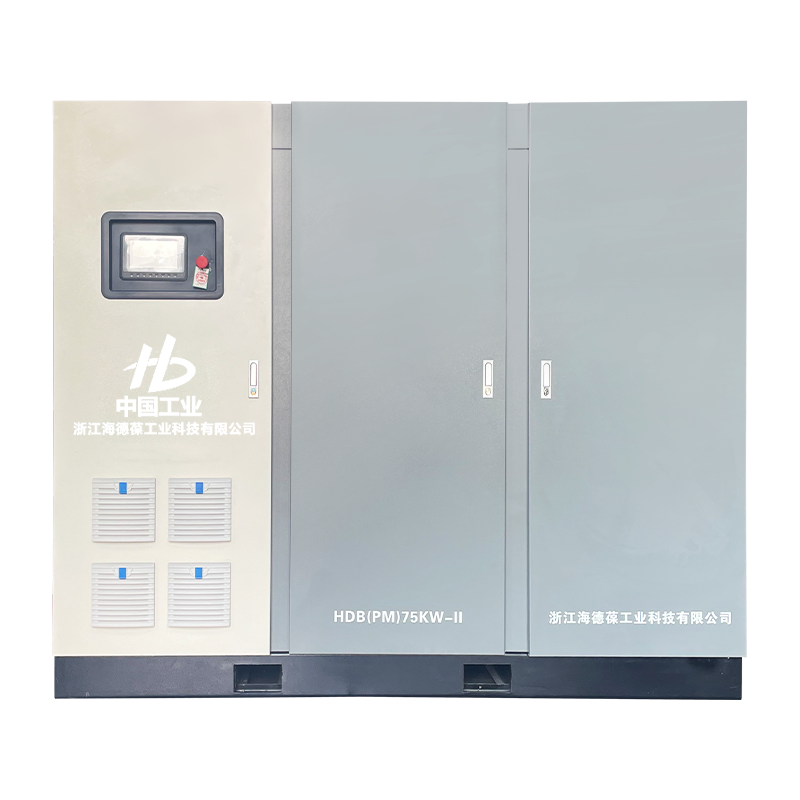
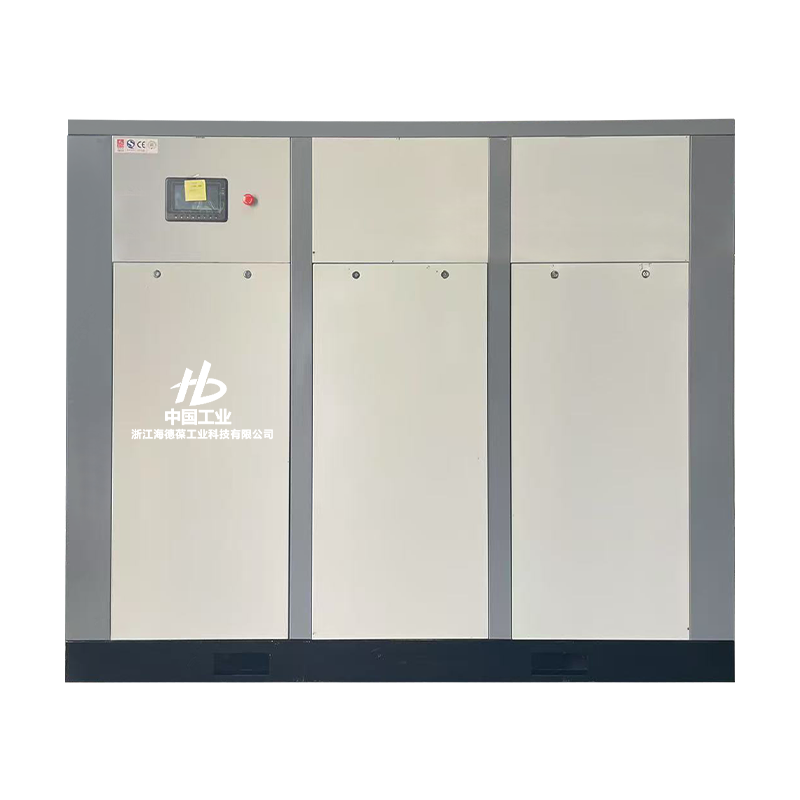
A micro-oil screw air compressor is the right middle-ground choice when compressed air needs to be near oil-free without the full capital cost of a certified oil-free system — think food packaging lines, electronics assembly, and general pharmaceutical support air.
Fully oil-free compressors remain necessary for direct product contact applications with zero oil tolerance, while conventional oil-flooded screw compressors still make sense for general industrial air where oil carryover isn't a contamination risk.
Compressed air touches more of a manufacturing process than most people realize — pneumatic actuators, packaging equipment, paint spray systems, and in some plants, air that contacts food or pharmaceutical product directly. How much oil that air is allowed to carry, and what a facility is willing to pay to control it, is really the whole story behind why micro-oil screw compressors exist as a distinct category rather than everyone simply choosing between fully oil-flooded and fully oil-free.
A conventional oil-flooded screw compressor injects oil directly into the compression chamber to lubricate the meshing rotors, seal internal clearances, and carry away heat — effective, but it means the discharge air stream picks up oil that then has to be removed downstream through separators and filters. A micro-oil (sometimes called micro-lubricated) screw compressor injects only a very small, precisely metered amount of oil, drastically reducing the oil load the air stream picks up in the first place, while still providing enough lubrication to protect rotor contact points.
The practical result is air that requires far less downstream treatment to reach very low residual oil content than a standard oil-flooded machine, without the mechanical complexity — and cost — of eliminating oil from the compression chamber entirely.
The core comparison here comes down to how much oil ends up in the compressed air stream before any downstream filtration, since that starting point determines how aggressive (and expensive) the filtration package needs to be to hit a target purity level.
Fully oil-free screw compressors eliminate oil from the compression chamber entirely, typically using specially coated rotors or water injection instead of oil for sealing and cooling. That design earns official oil-free certification but comes with real trade-offs against micro-oil systems.
Lower upfront capital cost than certified oil-free equivalents, simpler rotor design using conventional bearing and sealing technology, and maintenance intervals closer to standard oil-flooded machines — at the cost of not carrying formal zero-oil certification.
Certified zero oil-carryover status required for direct product contact air in food, pharmaceutical, and electronics manufacturing — but higher purchase price, more specialized rotor coatings, and often higher energy consumption per unit of air delivered.
The deciding question is usually regulatory or contractual rather than purely technical: does the application legally or contractually require certified oil-free air, or does it simply need air clean enough not to cause contamination problems? Only the former genuinely requires the fully oil-free category.
Reciprocating piston compressors remain common in smaller shops and intermittent-use applications, but they compare poorly to screw compressors — micro-oil or otherwise — on continuous industrial duty cycles.
| Attribute | Micro-Oil Screw | Piston Compressor |
| Duty cycle suitability | Continuous, 100% duty | Intermittent, typically 50–70% duty |
| Noise level | Lower, enclosed rotor design | Higher, reciprocating mechanism |
| Air pulsation | Smooth, continuous flow | Pulsating discharge |
| Typical service life | Longer under continuous load | Shorter under sustained heavy use |
| Upfront cost | Higher | Lower |
For a production line running compressed air demand around the clock, a piston compressor's duty cycle limitations make it a poor long-term fit regardless of oil content — the comparison between piston and screw technology is really a separate decision from the oil-flooded versus micro-oil versus oil-free question, and both should be evaluated independently against actual usage patterns.
Micro-oil screw compressors generally sit close to standard oil-flooded machines in energy efficiency, since the core rotor compression mechanism is largely unchanged — the reduced oil injection affects filtration load far more than it affects the fundamental energy needed to compress air. Fully oil-free compressors, by contrast, sometimes carry a modest efficiency penalty due to tighter rotor clearances and coating requirements needed to maintain sealing without oil, though this gap has narrowed considerably as oil-free rotor technology has matured.
Reduced oil injection changes maintenance patterns in ways worth planning around rather than assuming maintenance simply gets easier across the board. Rotor bearings in a micro-oil system still need adequate lubrication despite the reduced oil volume in the air stream, which means manufacturers typically use a separate, carefully engineered lubrication path for bearings distinct from the minimal injection reaching the compression chamber itself.
Water Abatement Mechanics: Engineering Protocols to Remove Moisture from Industrial and Commercial Air Compressor Lines

Twin Screw Air Compressor: A Practical Comparison Guide
Your email address will not be published. Required fields are marked *

A dedicated after-sales service department is established, consisting of a professional sales team and skilled technical engineers. They are committed to providing year-round support, traveling to customer locations to deliver prompt and high-quality service.

Tel:86-0570-7221666

E-mail:[email protected]

Add: No.2 Qiming Road, Zhejiang Longyou Economic Development Zone, Mohuan Township, Longyou County, Quzhou City, Zhejiang Province, China
Copyright © Zhejiang Haidebao Industrial Technology Co., Ltd.

Custom Industrial Screw Air Compressor Manufacturers