
 EN
EN  English
 Español
 عربى
عربى

Product Consultation
Your email address will not be published. Required fields are marked *

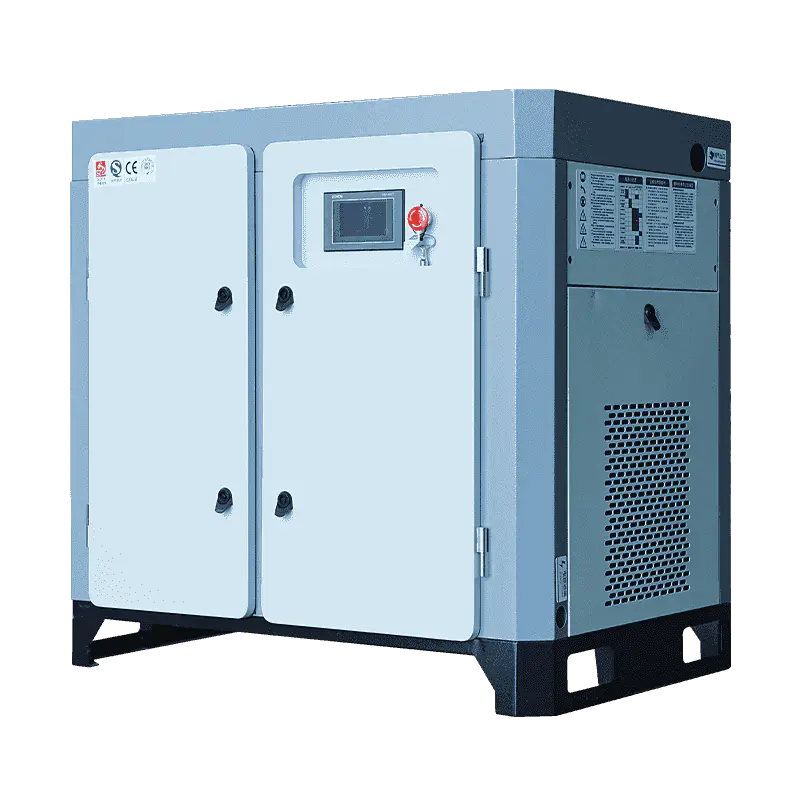
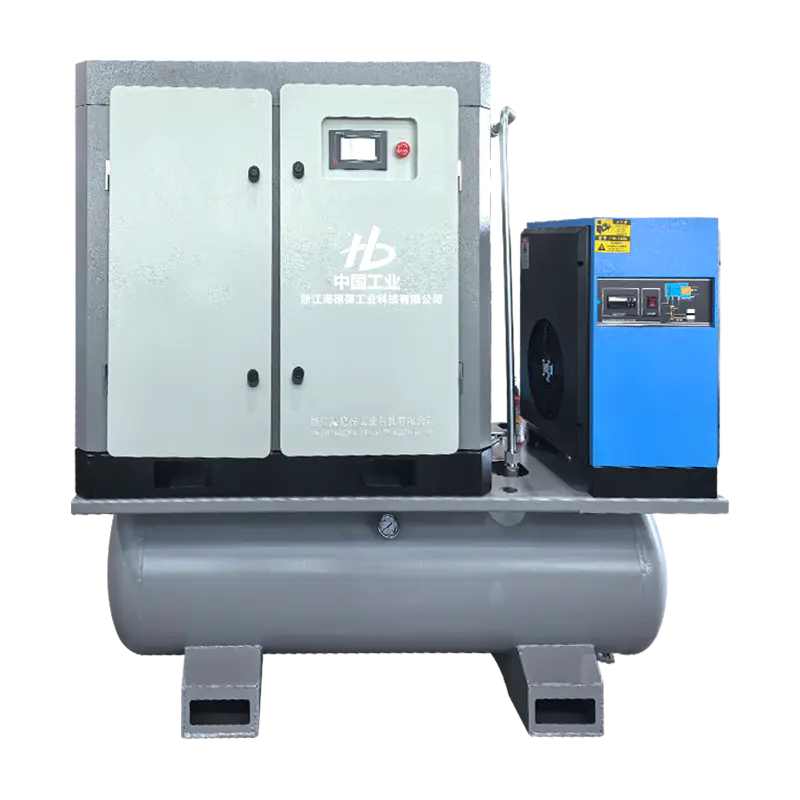
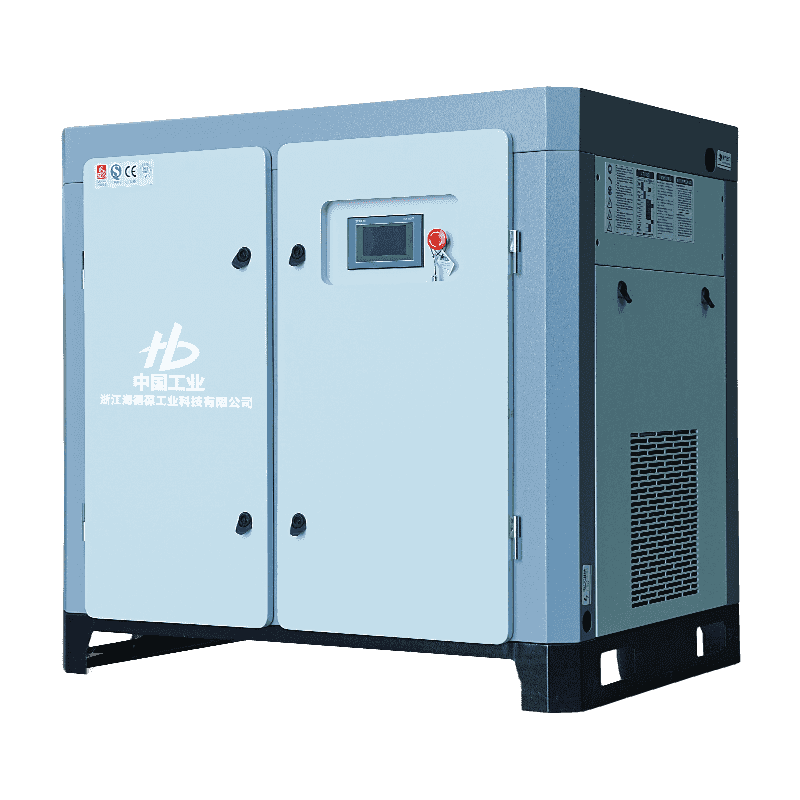
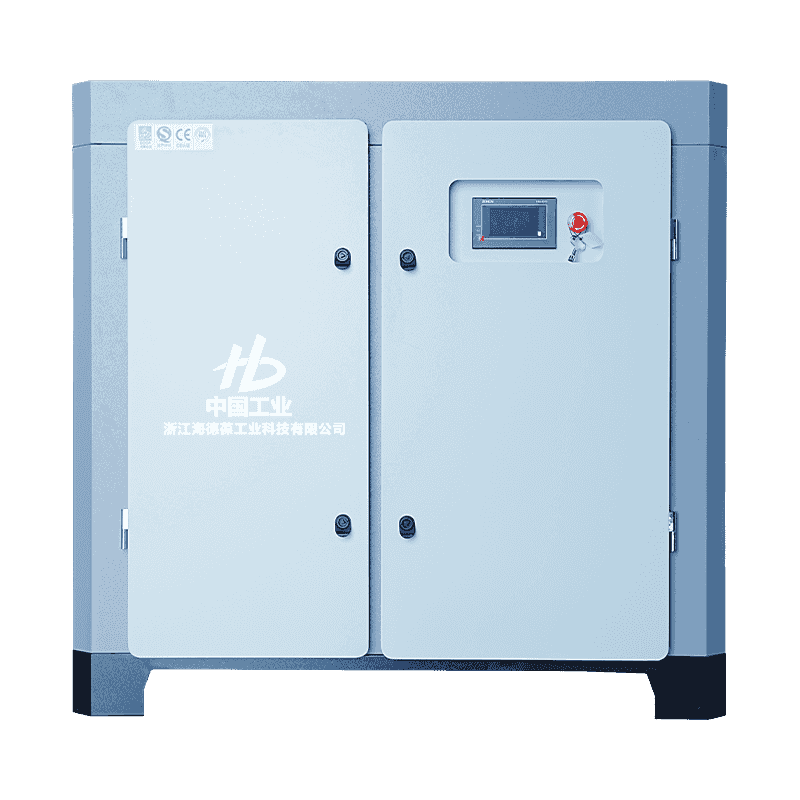
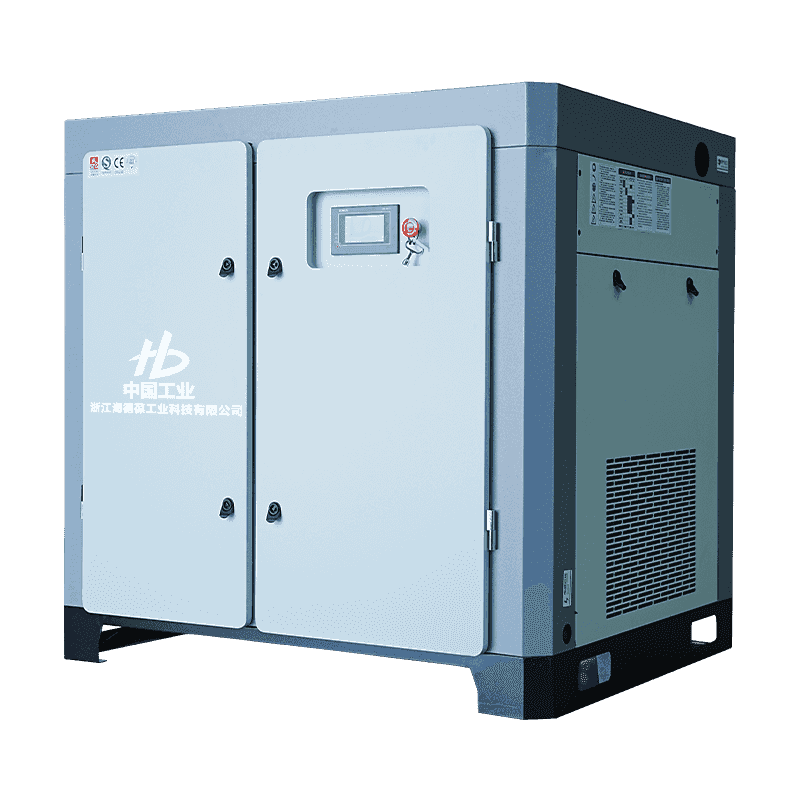
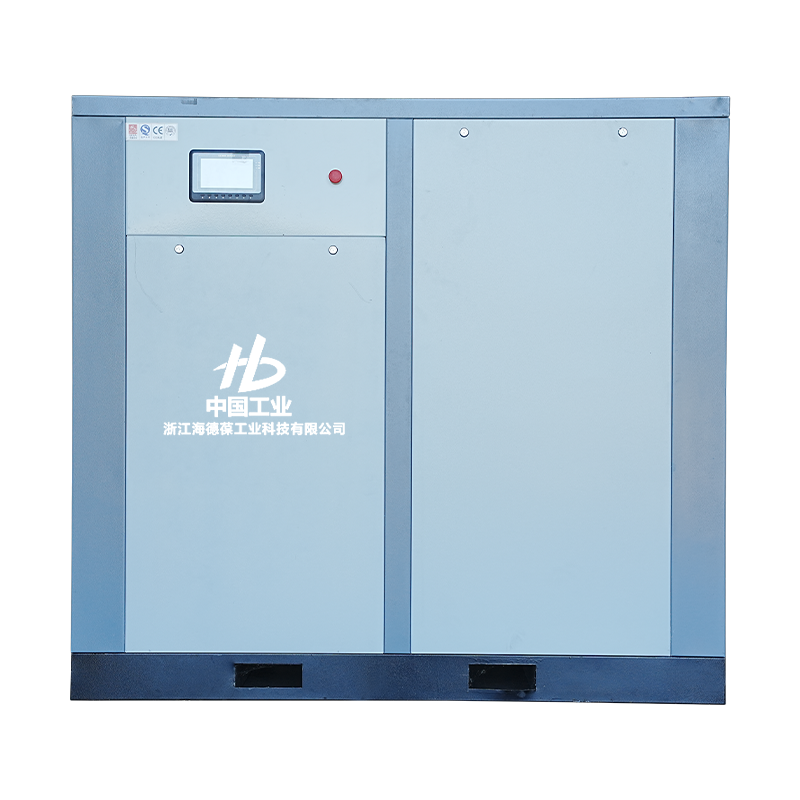
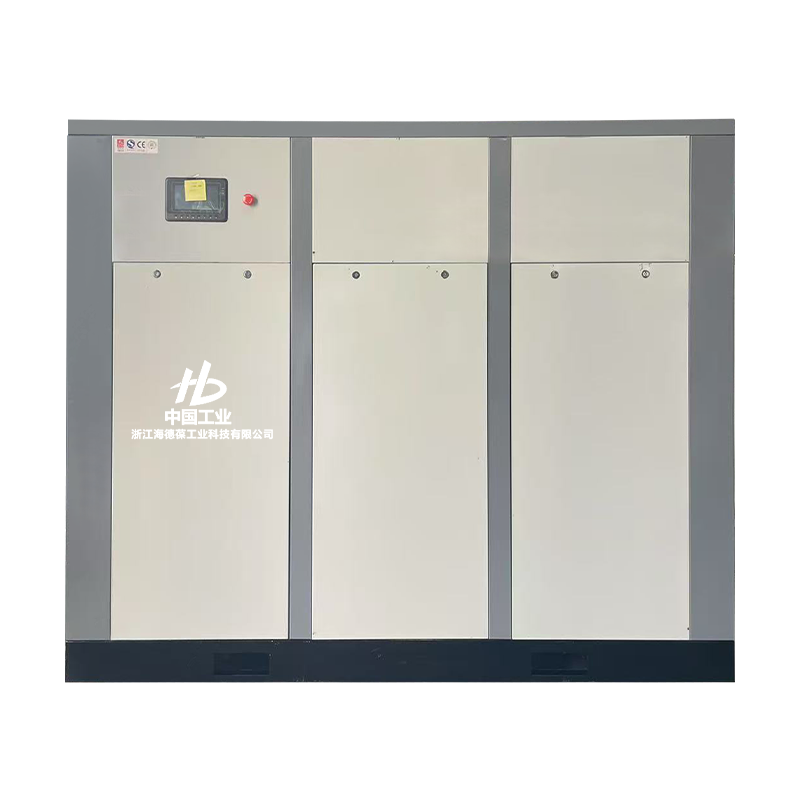
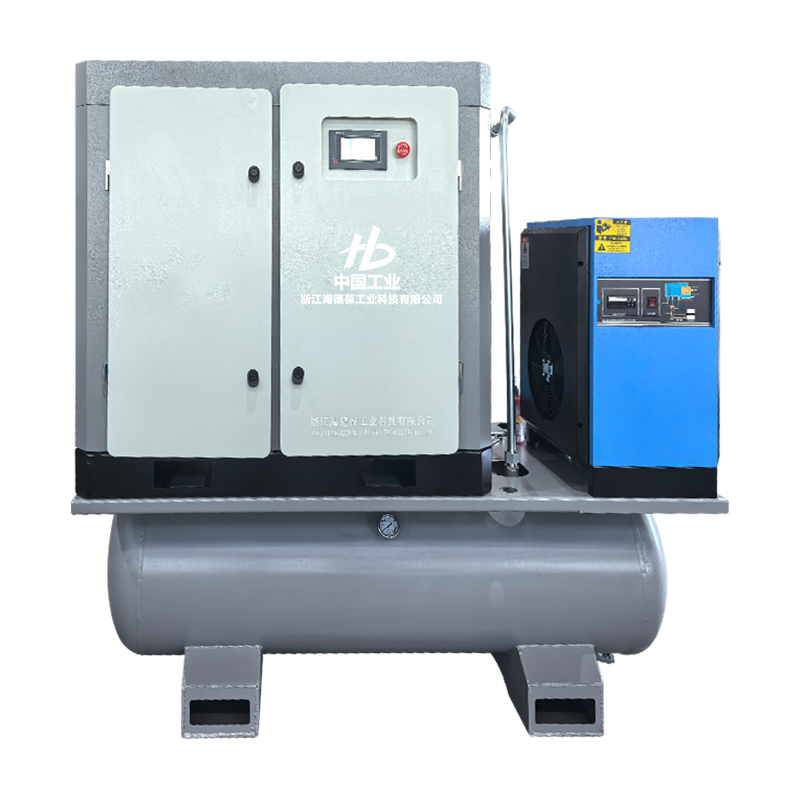
Twin screw air compressors are the workhorses of modern compressed air systems. They supply clean, steady compressed air to factories, workshops, and process lines, and they do it with far less vibration and pulsation than piston compressors. If you are evaluating an upgrade or replacing an aging compressor, understanding the mechanics and the choices available is the first step toward a cost-effective decision. This guide walks through how twin screw air compressors operate, compares the important design variants, and explains what to look for when you buy.
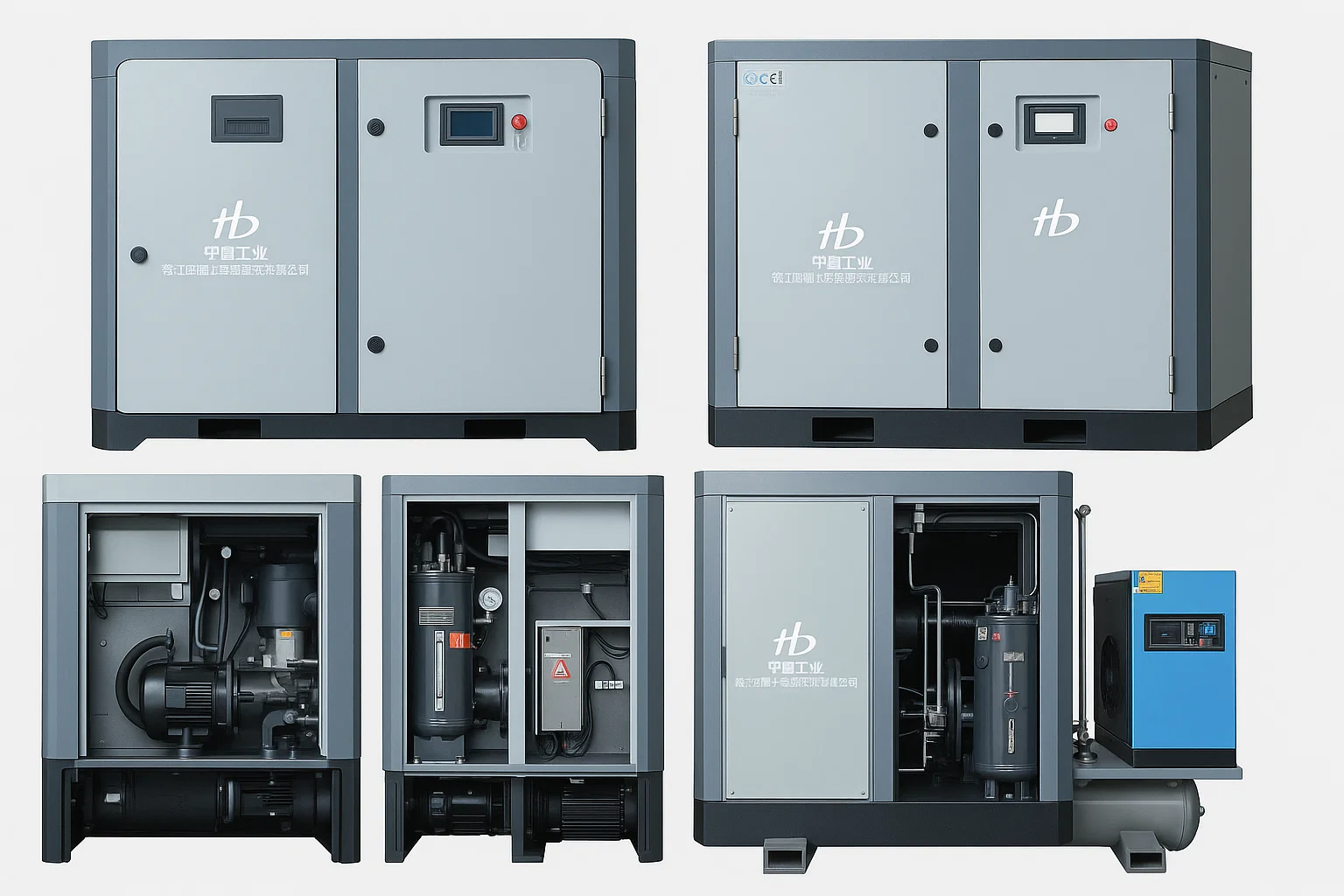
At the heart of a twin screw air compressor is a pair of meshing rotors inside a sealed housing. One rotor is usually the male form with convex lobes; the other is the female form with matching concave spaces. When the rotors turn, the space between the lobes at the intake side expands, pulling atmospheric air in. As the rotation continues, the lobes intermesh and trap the air in a smaller volume, which raises its pressure. Finally, the compressed air reaches the discharge port and leaves the chamber.
This rotating positive-displacement principle means the machine delivers a continuous flow of air rather than a series of pulses. The rotors never make contact in an oil-free design, but in an oil-injected design they are coated with oil that both seals and lubricates. The absence of reciprocating parts keeps vibration low and allows direct coupling to electric motors or oil-free models with timing gears.
Modern screw compressors are usually controlled by a start/stop, load/unload, or variable speed drive. With start/stop, the motor turns the compressor on and off as pressure rises and falls. Load/unload runs the motor continuously but opens a blow-down valve when the target pressure is reached. Variable speed drives match the motor speed to the actual air demand, which saves energy in applications with fluctuating load.
In practical terms, the twin screw design offers a small footprint, low maintenance, and good part-load efficiency when paired with modern controls. For most industrial applications, these benefits explain why screw compressors have become the default choice above 5.5 kW.
Choosing between oil-free and oil-injected technology is usually the first major specification decision. The two approaches differ in the compression chamber and affect air quality, maintenance, and total operating cost.
Oil-injected twin screw compressors put a metered quantity of oil into the compression chamber. That oil does several jobs at once: it seals the fine clearances between rotors, absorbs the heat of compression, and lubricates the components. Because the oil carries heat away, the compressor can run at higher pressure ratios without overheating. The oil must be separated from the compressed air afterward using a coalescing filter and an oil separator, but traces of oil can still appear in the air stream.
Oil-free twin screw compressors use timing gears to keep the rotors synchronized and prevent metal-to-metal contact. The rotors are coated with wear-resistant materials such as PTFE or other polymers, and they run without any oil in the compression space. This design produces completely oil-free compressed air, which is essential in applications where oil contamination is unacceptable.
A simple comparison highlights the trade-offs:
| Feature | Oil-Injected (Micro-Oil) | Oil-Free |
|---|---|---|
| Lubrication in chamber | Yes | No |
| Rotor contact | Direct through oil film | No contact (timing gears) |
| Air quality | Class 1-4 downstream filtration needed | Class 0 oil-free |
| Maintenance | Oil and filter changes | Less oil-related service but higher component precision |
| Typical use | General industrial plant air | Food, pharma, electronics |
One common concern with oil-injected machines is oil carryover. The separator must be replaced regularly, usually once a year or every 1,000-2,000 hours, depending on load and oil quality. Oil-free machines avoid that issue but require that the rotor coatings are inspected after an extended service interval. Both types need regular maintenance, but the service schedule is different.
For businesses that must meet strict air purity requirements, the oil-free twin screw air compressor lineup provides the certainty of ISO 8573-1 Class 0 air. Haidebao's oil-free range is built for such applications and can be matched with the correct dryer and filters.
 OEM/ODM Oil Free Screw Air Compressor Factory, ManufacturersHaidebao is China oil free screw compressor factory and oil free air compressor manufacturers, offer OEM/ODM oil-free twin screw air comp...View Product →
The second major choice is compression architecture. A single-stage compressor compresses air from intake to final pressure in one rotor set. A two-stage unit does the job in two steps, with an intercooler between the stages.
Single-stage twin screw machines are simpler and less expensive. They are commonly used when the discharge pressure is 7 to 10 bar and the duty cycle is moderate. For a plant that runs one shift or has occasional high demand, a single-stage model may be the most economical choice.
Two-stage machines deliver higher efficiency at continuous duty or when pressures exceed 10 bar. The intercooler lowers the air temperature between stages, reducing the energy needed for the second compression stage. This can lower specific power consumption and lower the discharge temperature, which is kinder to dryers and downstream equipment. The initial investment is higher, but the electrical savings can pay back over time.
For instance, a plant running at 10 bar with a single-stage compressor might see discharge temperatures around 80-100°C. A two-stage unit with intercooling can bring that down to 40-70°C, which also reduces the load on the downstream dryer.
For many mid-sized plants, a single-stage micro-oil twin screw compressor is the pragmatic starting point. Haidebao's single-stage series covers common power bands from 10 hp to 75 hp. If your operation runs at higher pressure or with heavy continuous load, the two-stage micro-oil twin screw compressor series in 100 hp and 120 hp models is designed to handle those conditions.
Micro-oil Twin Screw Two Stage Air Compressor ManufacturersAs China two stage air compressor manufacturers and screw two stage compressor suppliers, Haidebao provides custom micro-oil twin screw t...View Product →Micro-oil Twin Screw Single Stage Air Compressor ManufacturersAs China twin screw single stage compressor manufacturers and suppliers, Haidebao provides custom micro-oil twin screw single stage compr...View Product →Besides the choice of oil or no oil, twin screw compressors as a category offer several operational benefits.
Compared to a reciprocating compressor of the same flow, a screw compressor is typically 30-40% smaller and lighter. That matters when you are retrofitting a compressor room.
Common applications include:
No two factories have identical air demand, so the final specification should be based on your actual pressure, flow, and air quality requirements. Oversized compressors waste energy; undersized ones cause pressure drops and production interruptions.
To narrow the choices, start with the numbers on your nameplate. You need the required flow in cubic feet per minute (CFM) or liters per minute, the working pressure in bar or psi, and the pattern of demand across your shifts.
| Factor | Questions to ask | Impact |
|---|---|---|
| Required pressure | 7, 10, or 13 bar? | Determines single-stage vs two-stage |
| Air demand | Average and peak CFM | Sizing and storage receiver |
| Air quality | ISO class needed | Oil-free vs oil-injected; filtration |
| Duty cycle | Hours per day | Motor power and cooling |
| Energy cost | Electricity rate and running hours | Variable speed drive may pay off |
| Maintenance plan | In-house vs service contract | Ease of service, spare parts |
After you have those parameters, you can compare compressor packages from different manufacturers. Look beyond the purchase price. The most relevant metric is the specific power, expressed as kW per 100 CFM (or kW per m³/min) at the working pressure. A compressor that is 5% more efficient can save thousands of dollars in electricity over its life.
Total cost of ownership includes the energy consumed, maintenance parts, oil changes, filter replacements, and downtime losses. Energy is often 70-80% of the lifetime cost of a compressed air system. Therefore, an investment in a more efficient compressor can pay back quickly.
Remember that the compressor is only one part of the system. The air receiver, dryer, and filters affect the pressure and quality you actually deliver. Keep the whole chain in mind when designing the system. If you want to see how a compressor is built and tested through every stage of production, you can visit our factory to inspect the processes yourself.
Selecting a twin screw air compressor is a long-term investment. The right machine will deliver reliable compressed air for a decade or more, while the wrong one can cause recurring downtime and expensive repairs. Once you have defined your pressure, flow, and air quality needs, talk to an experienced compressor supplier. For a precise quote or to discuss your application, contact our engineering team.
Your email address will not be published. Required fields are marked *

A dedicated after-sales service department is established, consisting of a professional sales team and skilled technical engineers. They are committed to providing year-round support, traveling to customer locations to deliver prompt and high-quality service.

Tel:86-0570-7221666

E-mail:[email protected]

Add: No.2 Qiming Road, Zhejiang Longyou Economic Development Zone, Mohuan Township, Longyou County, Quzhou City, Zhejiang Province, China
Copyright © Zhejiang Haidebao Industrial Technology Co., Ltd.

Custom Industrial Screw Air Compressor Manufacturers