 EN
 English
 Español
 عربى


Product Consultation
Your email address will not be published. Required fields are marked *

A 75 hp twin screw air compressor running 4,000 hours a year draws roughly 200,000 kWh of electricity, several times what the machine cost to buy. That one number should shape the purchase: the airend, the control scheme and the service behind the package matter far more than the price on the quotation. In short, match the compression principle to the air quality your process needs, match the number of stages to your pressure and running hours, and compare packages on measured specific power rather than on horsepower. Here is how that works in practice, and where buyers most often get it wrong.
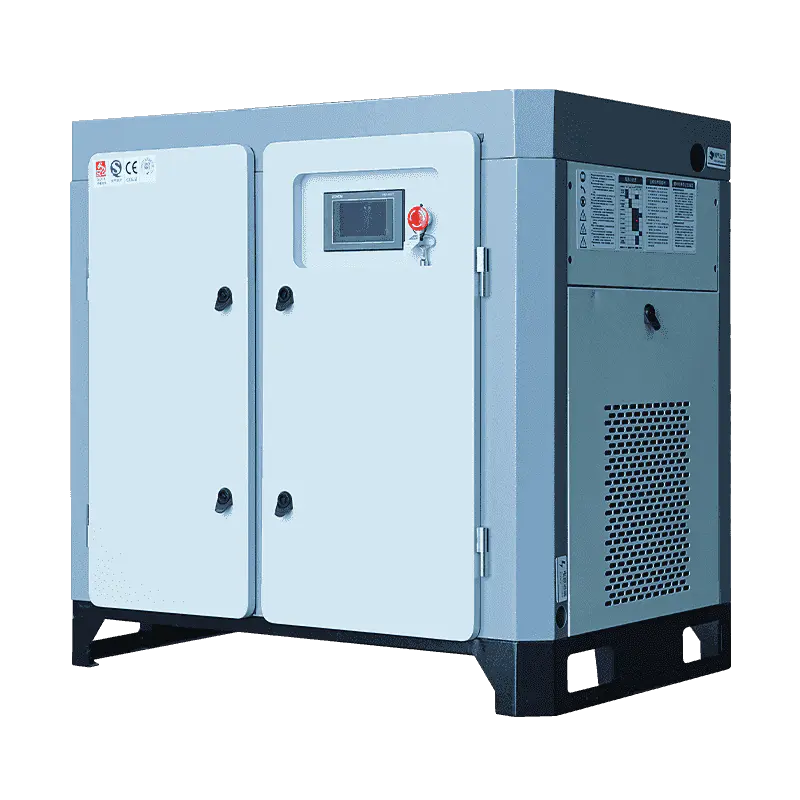
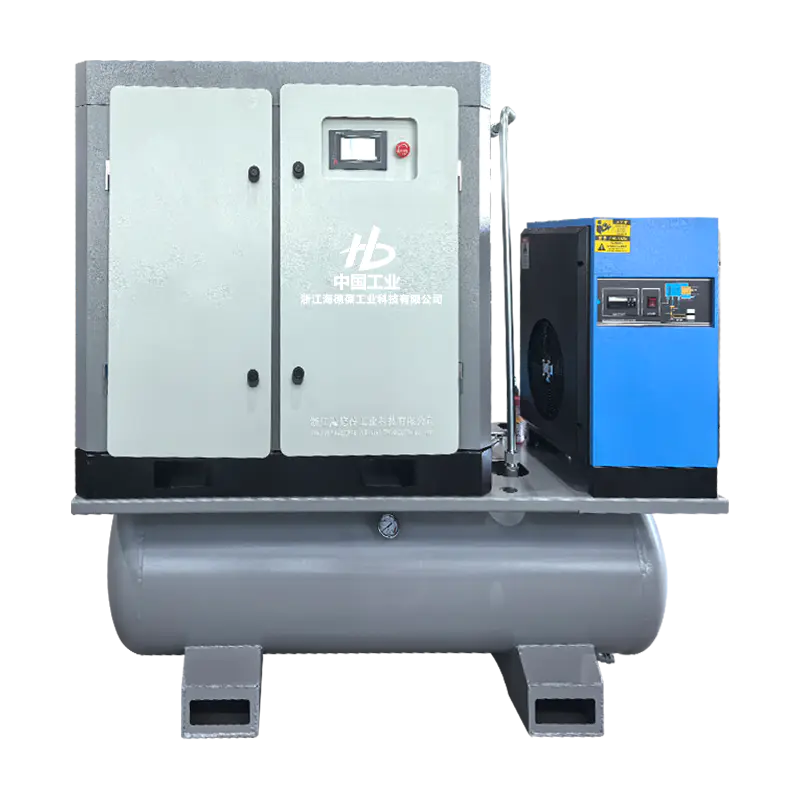
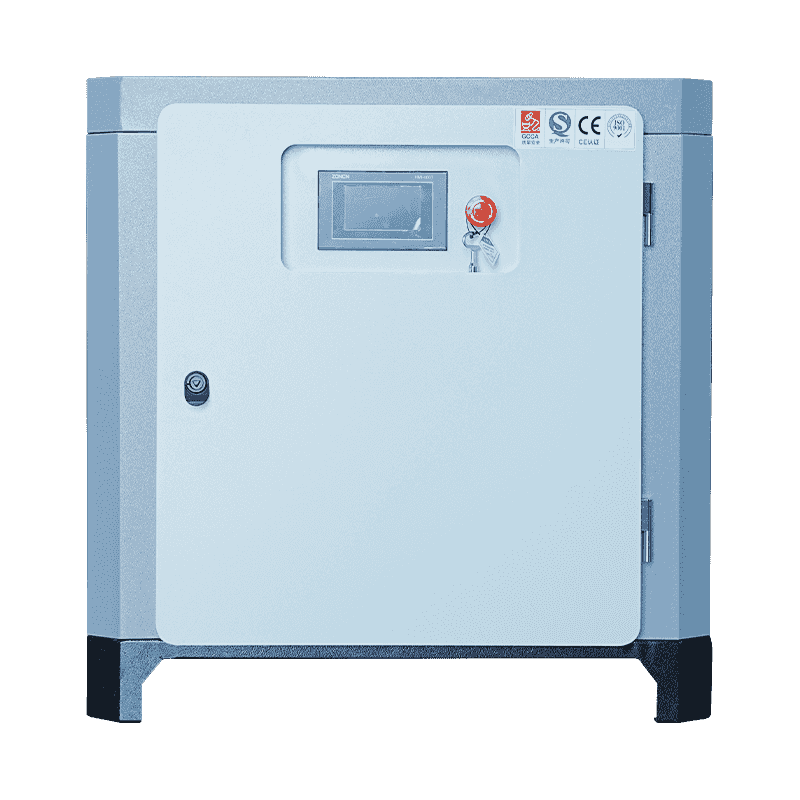
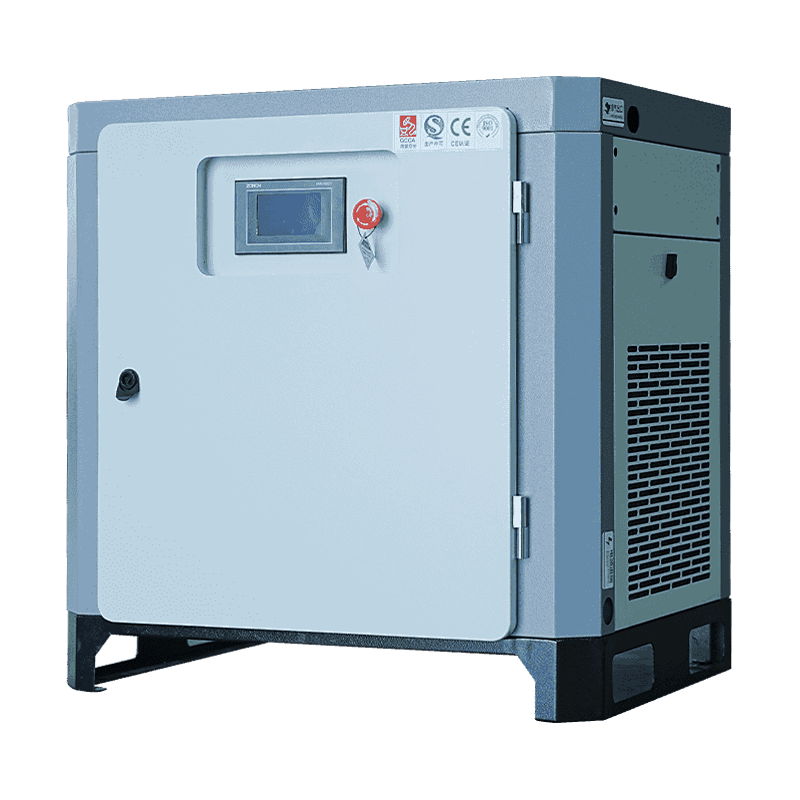
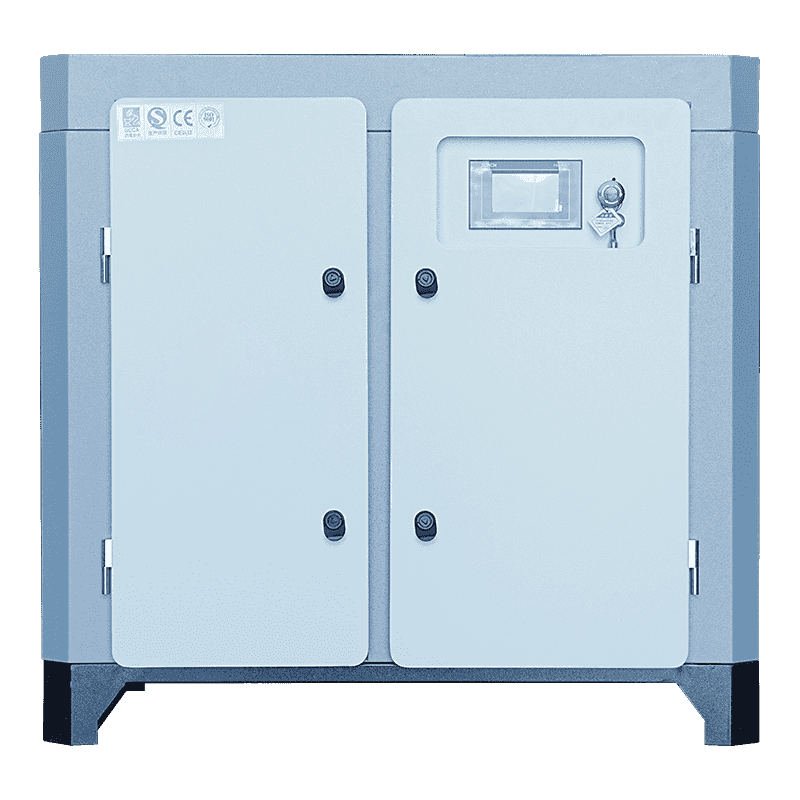
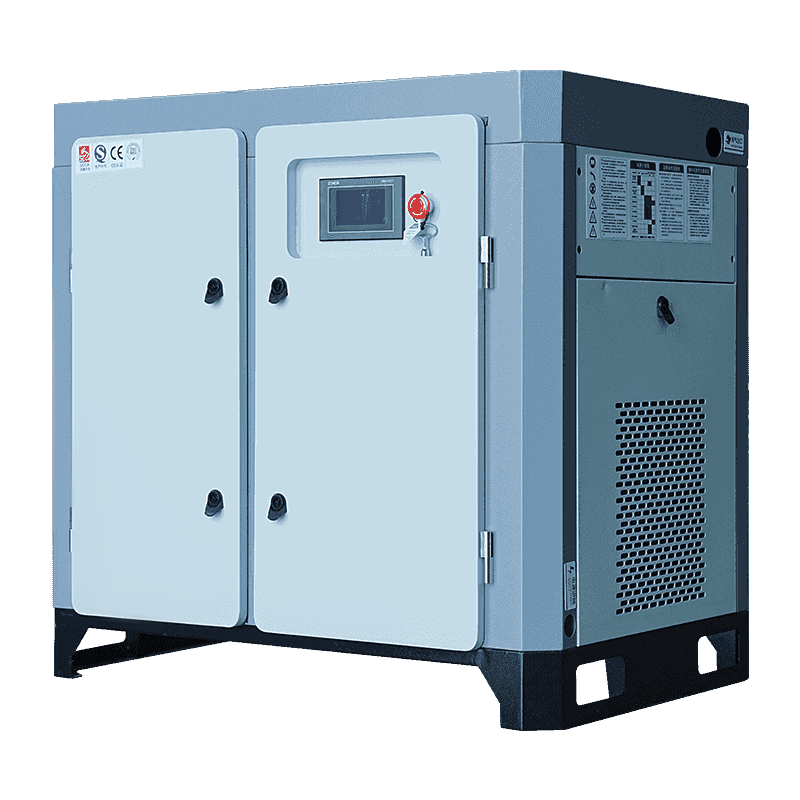
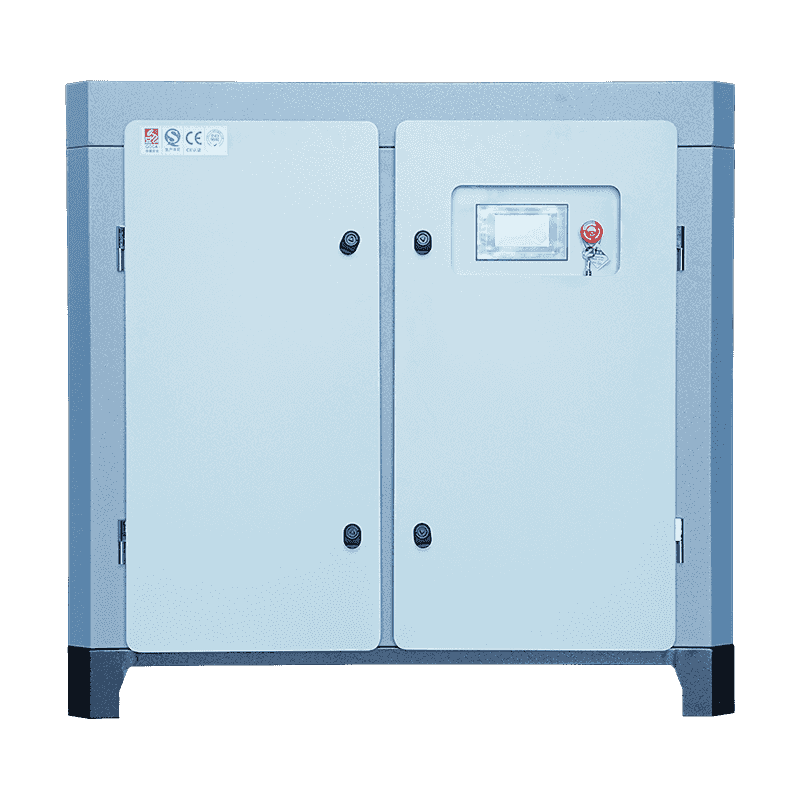
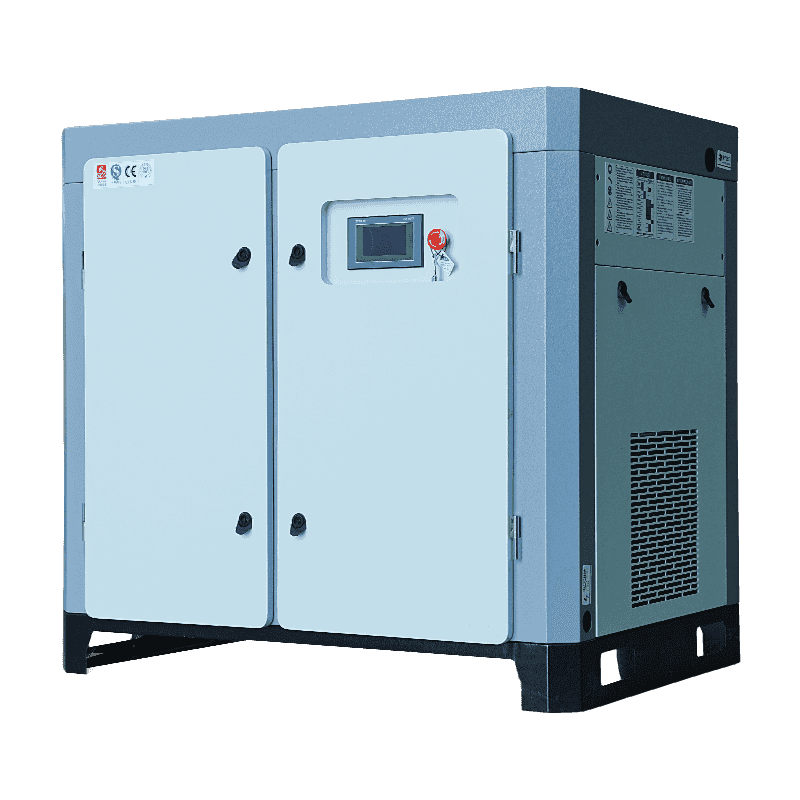
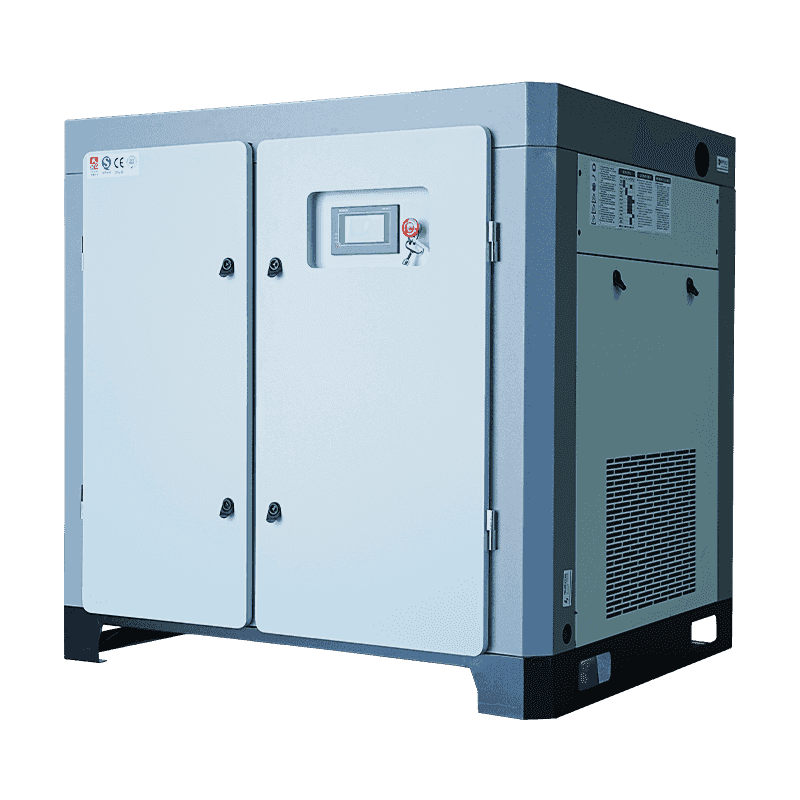
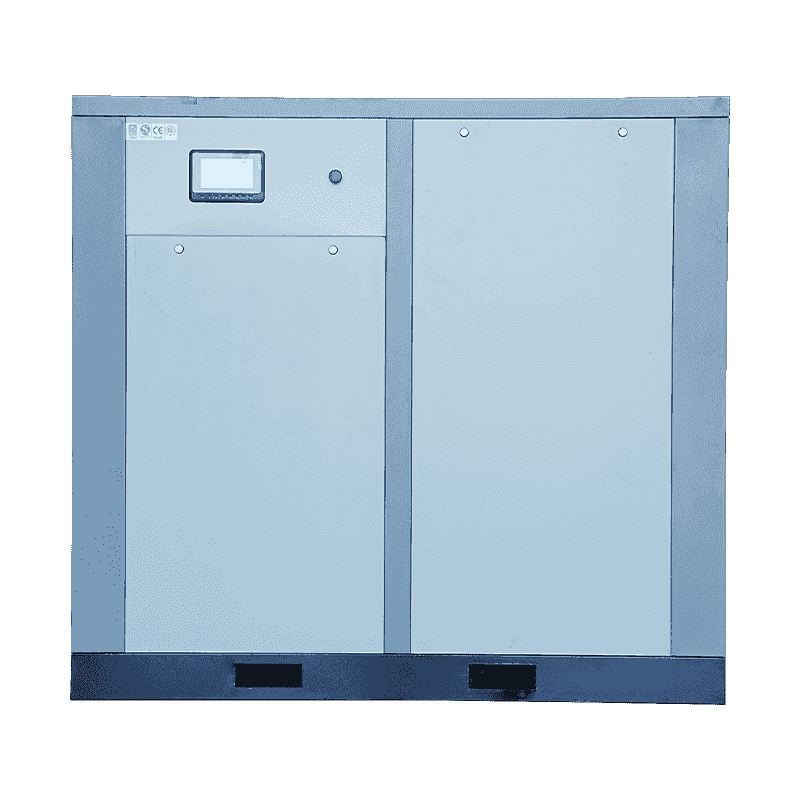
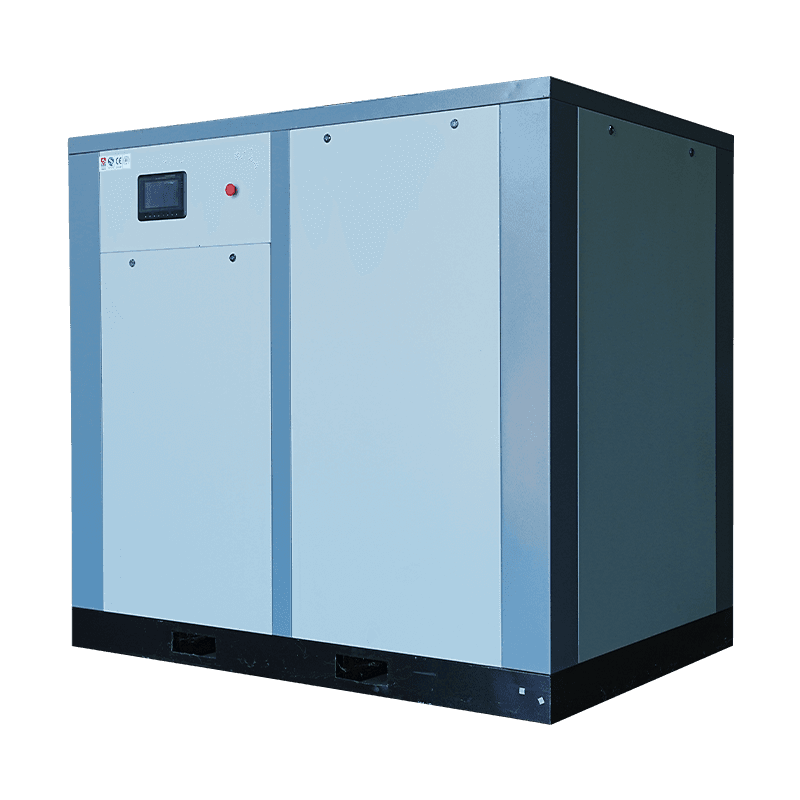
A twin screw compressor, also called a rotary screw compressor, uses two interlocking helical rotors inside a precision-machined casing. The male rotor carries convex lobes, the female rotor matching concave flutes. As the pair turns, a pocket of air is drawn in at the suction end, sealed, and carried along the rotor length while its volume shrinks. Pressure rises without suction or discharge valves, which is why the design has so few wearing parts.
Two consequences follow. Discharge flow is continuous and almost pulse-free, so the package can feed a header directly. And efficiency is set by rotor profile, clearance and tip speed, not by displacement alone. Two packages with identical nameplate horsepower can differ by several percent in specific power, expressed as kW per m³/min, and across 4,000 running hours that gap becomes the largest cost difference between them.
Rotor clearance is measured in microns, so assembly and testing discipline are not marketing details. You can see how that stage is handled on our plant and equipment page. The family splits into a handful of variants worth knowing before you talk to any supplier.
In an oil-injected (micro-oil) machine, oil is injected into the compression chamber. It seals rotor clearances, carries away most of the compression heat and lubricates the bearings, which is why a single stage can reach 7 to 13 bar at relatively low cost. Residual oil after the separator is typically a few milligrams per cubic metre, and coalescing filters reduce it further.
In an oil-free machine the compression chamber runs dry. Bearings and gears sit in a separately lubricated housing behind seals, and heat leaves through a water jacket or an air cooler. The air produced meets the cleanest ISO 8573-1 classes, which is why food, beverage, pharmaceutical, electronics and medical plants specify it.
| Factor | Oil-injected (micro-oil) | Oil-free |
|---|---|---|
| Air quality leaving the package | Usually 2 to 5 mg/m³ residual oil, improved with filtration | Meets the cleanest ISO 8573-1 classes |
| Specific power at 7 to 10 bar | Lower | Higher, especially single-stage |
| Purchase price | Lower | Higher |
| Heat removal | Oil circuit to the cooler | Water jacket or air cooler |
| Maintenance focus | Oil, separator and filter intervals | Bearings, seals, coolers |
| Typical fit | Manufacturing, workshops, packaging, pneumatic tools | Food, beverage, pharma, electronics, medical |
A two-stage machine compresses, cools and compresses again. Splitting the pressure ratio lowers the temperature rise in each stage and typically cuts specific power by around 10 to 15 percent at the same discharge pressure. The trade-off is more hardware: two rotor sets, an intercooler, extra seals and a higher purchase price.
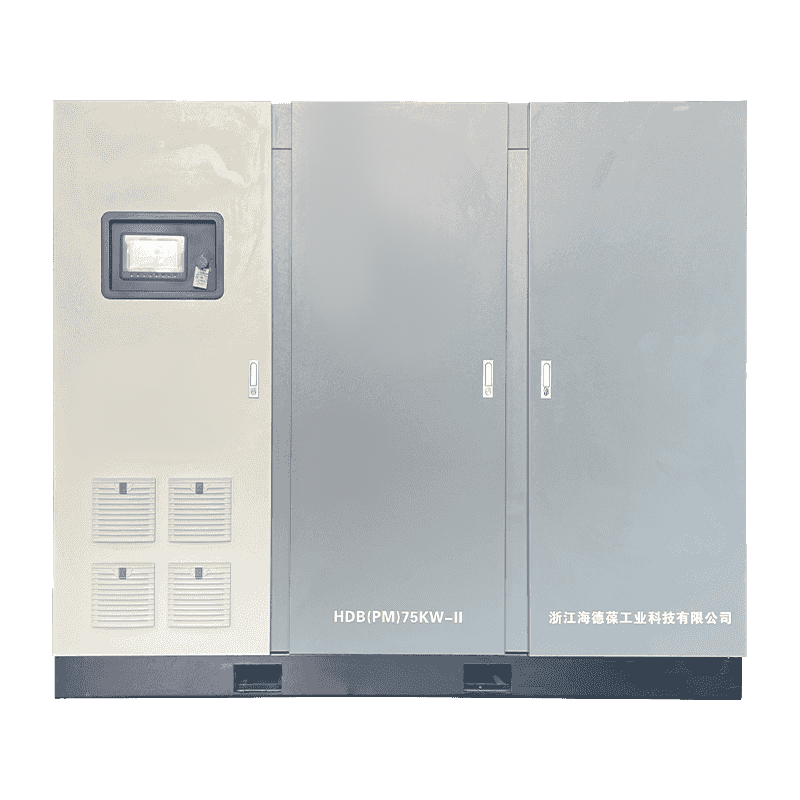
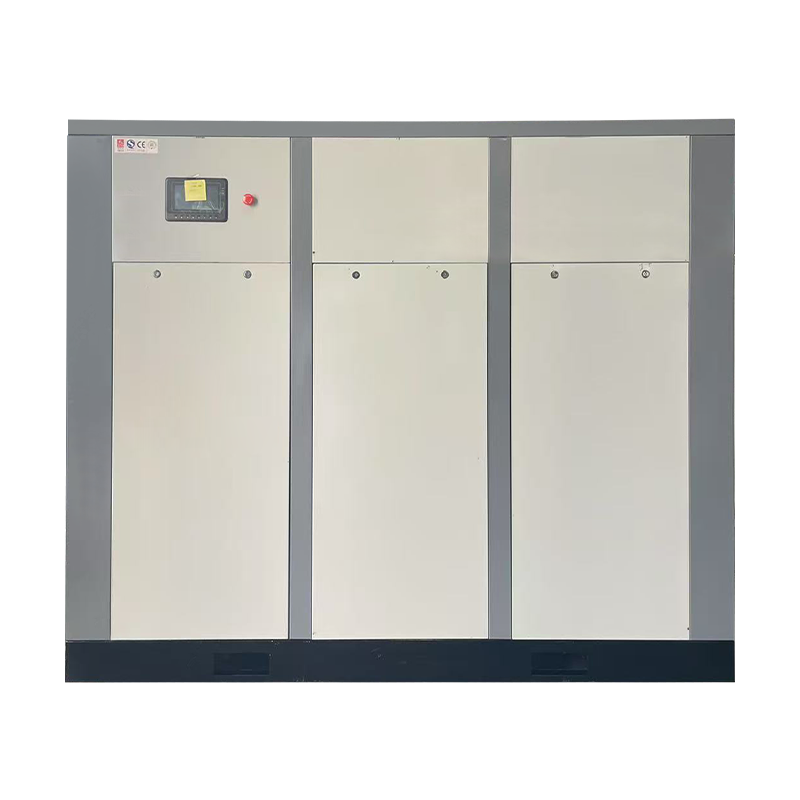
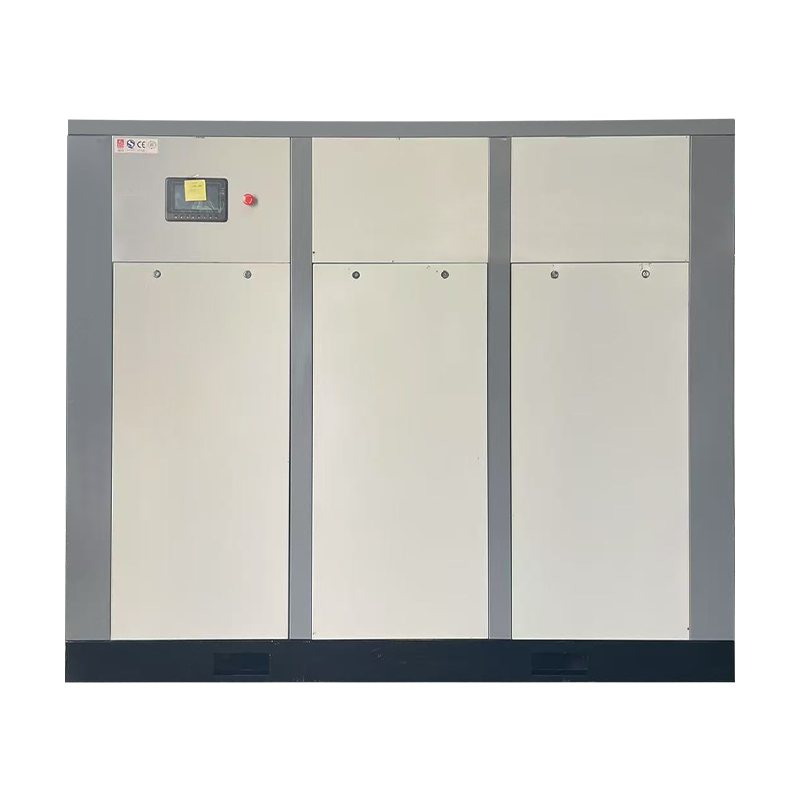
The 10 to 75 hp micro-oil single-stage range covers most general workshop duty, including installations where the compressor shares a header with hand tools, packaging lines and simple actuators.
Purchase price is the smallest line in the budget. For a 75 hp unit running 4,000 hours a year, a 5 percent advantage in specific power saves about 11,000 kWh annually, roughly $1,300 at $0.12 per kWh, every year for the life of the machine.
That is why a slightly more expensive package with a better airend and a correctly applied variable-speed drive is often the cheaper purchase, and why a low bid should always be checked against measured performance data rather than a catalogue horsepower figure.
Work out the real flow and pressure first, decide between oil-free and oil-injected on air quality, then decide between single-stage and two-stage on running hours and pressure. Once those three questions are settled, the comparison narrows to measured specific power, service response and parts availability, which are the things that will still matter in year eight.
Your email address will not be published. Required fields are marked *
A dedicated after-sales service department is established, consisting of a professional sales team and skilled technical engineers. They are committed to providing year-round support, traveling to customer locations to deliver prompt and high-quality service.

Tel:86-0570-7221666

E-mail:[email protected]

Add: No.2 Qiming Road, Zhejiang Longyou Economic Development Zone, Mohuan Township, Longyou County, Quzhou City, Zhejiang Province, China
Copyright © Zhejiang Haidebao Industrial Technology Co., Ltd.

Custom Industrial Screw Air Compressor Manufacturers