
 EN
EN  English
 Español
 عربى
عربى

Product Consultation
Your email address will not be published. Required fields are marked *

Your fabrication shop runs a 5-hp piston compressor that kicks on every few minutes, trips the breaker on cold mornings, and leaves water in the plasma cutter lines. You need steadier air, but a 50-hp rotary screw is overkill. The practical answer is a small rotary screw air compressor in the 10-30 hp range. It runs continuously without overheating, holds pressure within a few psi, and cuts maintenance to an oil change and filter swap every few thousand hours.
That conclusion comes from matching the compressor to duty cycle, not just tank size. A small screw compressor costs more upfront than a reciprocating unit of the same horsepower, but it pays back when annual runtime exceeds 2,000 hours or when pressure must stay within tight tolerances for CNC machines, laser cutters, or packaging lines.
In industrial terms, “small” usually means 10 hp to 30 hp (7.5 kW to 22 kW). These units deliver roughly 35 to 130 cfm at 100-125 psi. They fit through a standard 36-inch door, sit on a 4-by-6-foot pad, and produce 65-75 dBA—about the noise level of a vacuum cleaner. Above 30 hp, you enter medium-duty territory where three-phase power and larger receivers become mandatory.
Small screw compressors come in two lubrication types: micro-oil (oil-flooded) and oil-free. They also split into single-stage and two-stage compression. That gives four basic configurations, each with a different sweet spot.
Duty cycle is the single biggest factor. A piston compressor works well for intermittent use—think 20 minutes per hour. A rotary screw compressor is built for 100% continuous duty. If your shop runs two shifts, a screw compressor will outlast three piston units on the same workload.
Check your load profile. If air demand swings from 10 cfm to 80 cfm, a screw compressor with a correctly sized receiver and a variable-speed drive (VSD) will modulate smoothly. Without VSD, the compressor loads and unloads, which still works but wastes energy during light-load periods.
Single-stage compressors compress air in one rotor set. Two-stage units split the compression across two rotor sets with intercooling. The result is lower discharge temperature, higher efficiency at pressures above 125 psi, and longer bearing life. For a small compressor running at 100 psi, single-stage is often enough. At 150 psi or higher, two-stage usually wins on energy cost.
| Feature | Single-Stage | Two-Stage |
|---|---|---|
| Typical pressure range | 100-125 psi | 125-175 psi |
| Efficiency at 100 psi | Good | Similar or slightly lower |
| Efficiency at 150 psi | Lower | Higher (10-15% savings) |
| Discharge temperature | Higher | Lower |
| Upfront cost | Lower | Higher |
Micro-oil compressors inject oil into the compression chamber to seal gaps, cool the rotor, and lubricate bearings. They cost less, run cooler, and are easier to service. Oil-free compressors use coated rotors and separate bearings, producing air with less than 0.01 ppm oil carryover. That matters for food packaging, medical devices, electronics assembly, and breathing air.
If your application can tolerate a few parts per million of oil, micro-oil is the practical choice. A coalescing filter brings oil carryover down to 0.01 ppm for most industrial uses at a fraction of the cost. If you cannot risk any oil contamination, oil-free is the safer route—but expect 20-30% higher purchase price and more frequent rotor maintenance.
Horsepower tells you how much motor you have, not how much air you get. Always size by cfm at your required pressure. Add up the cfm ratings of every tool and machine that can run simultaneously. Then add 20-30% for leaks, future growth, and pressure drop through filters and dryers.
Altitude and temperature affect performance. A compressor rated 100 cfm at sea level delivers about 85 cfm at 5,000 feet. Inlet air at 100°F is less dense than at 60°F, so the same motor moves less mass. If your shop is in a hot climate or at elevation, choose the next size up.
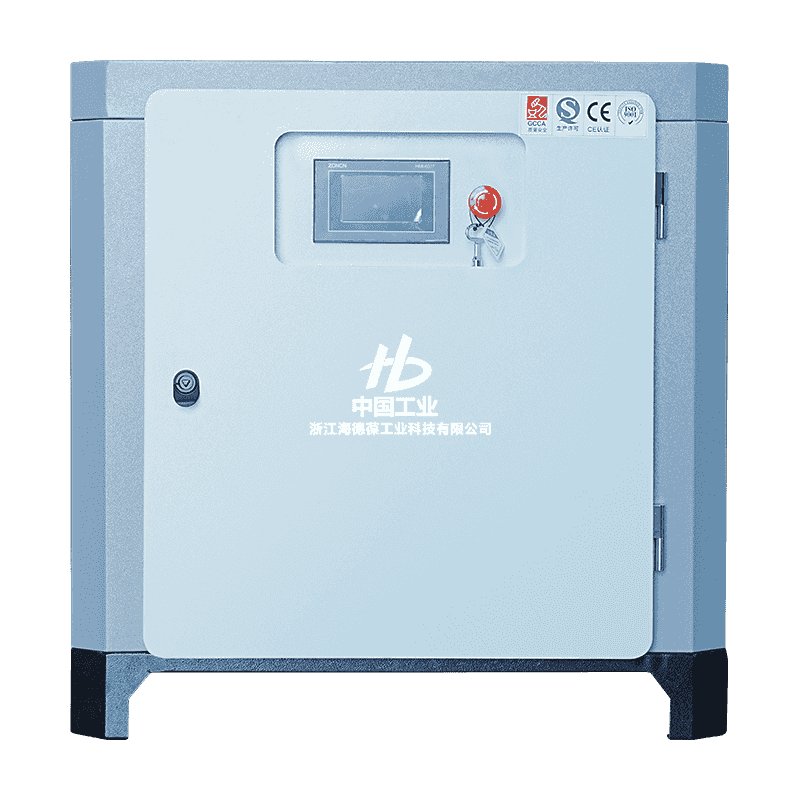
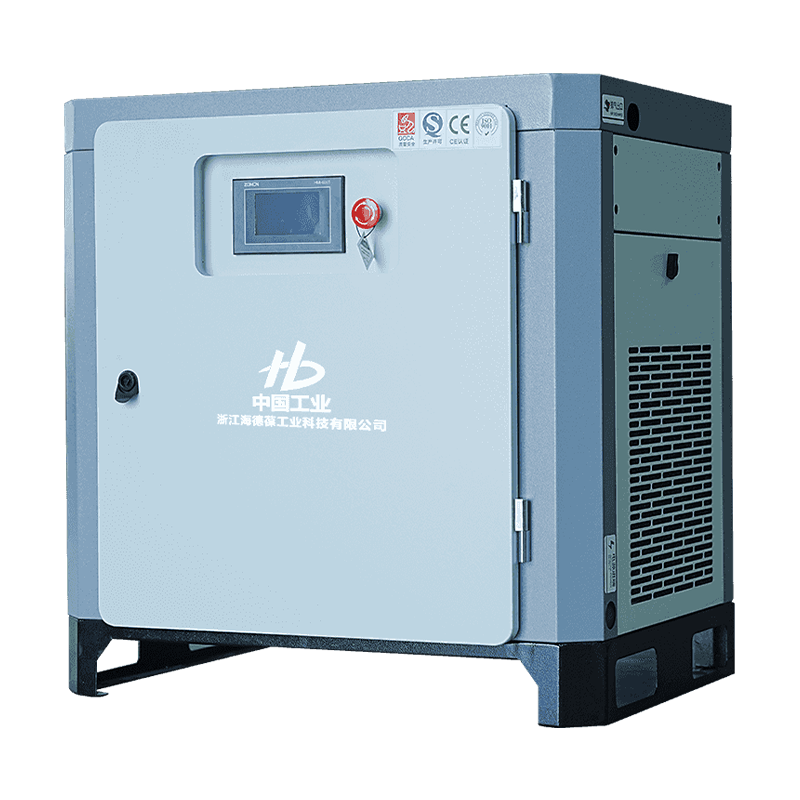
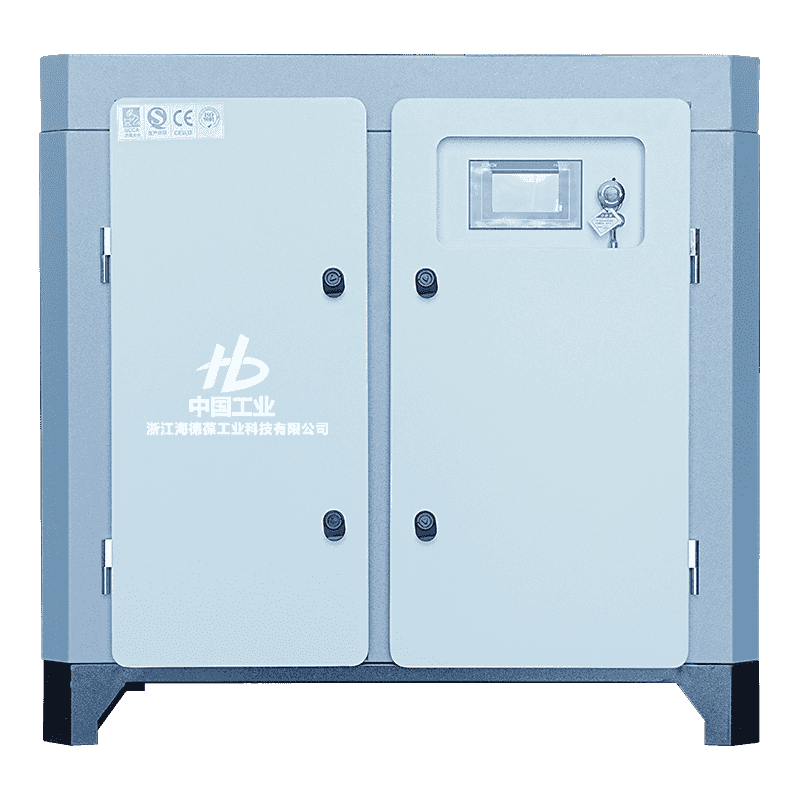
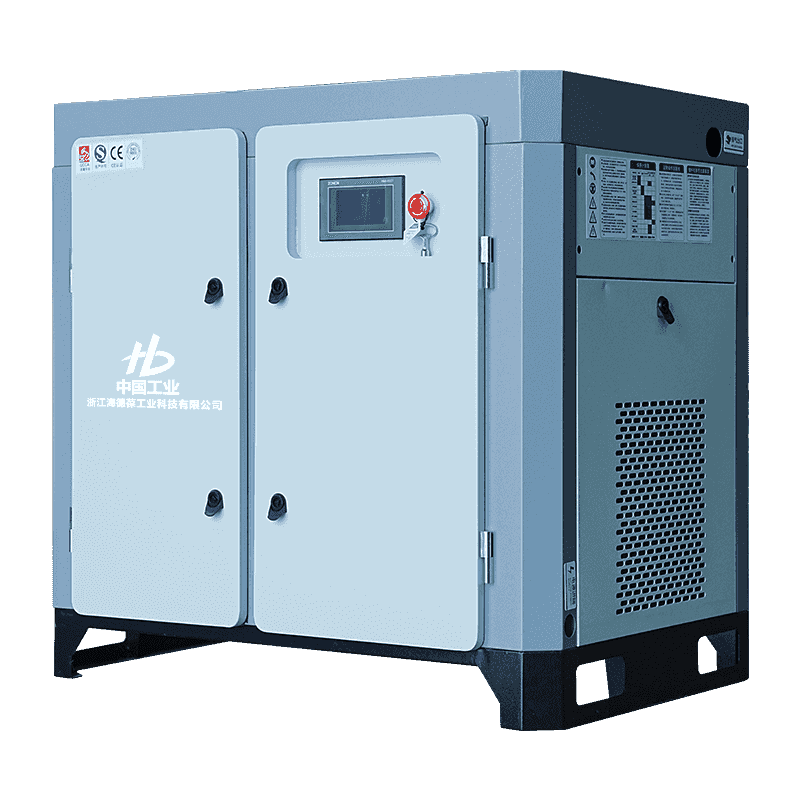
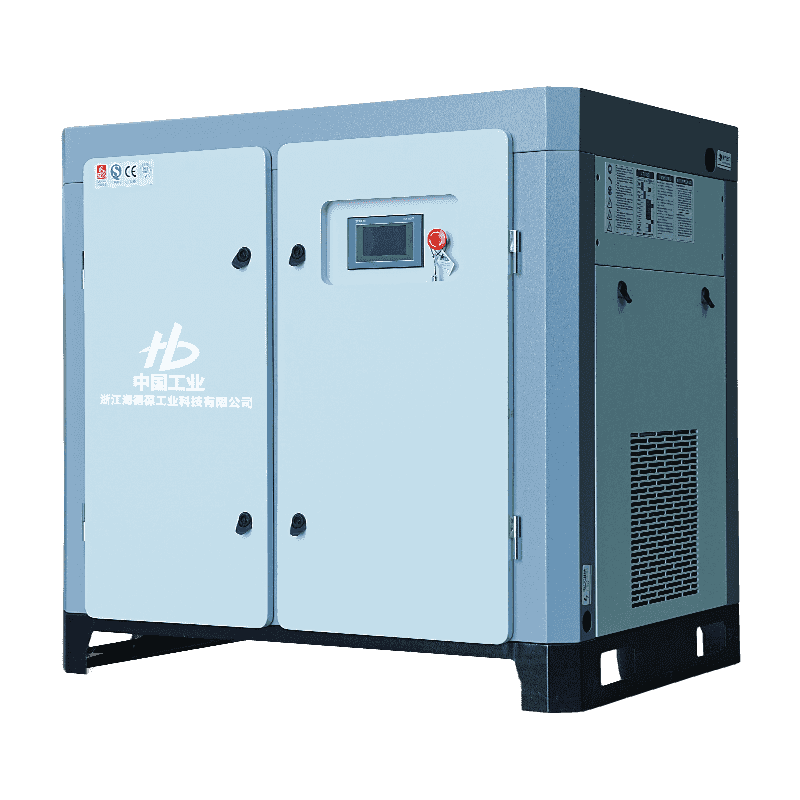
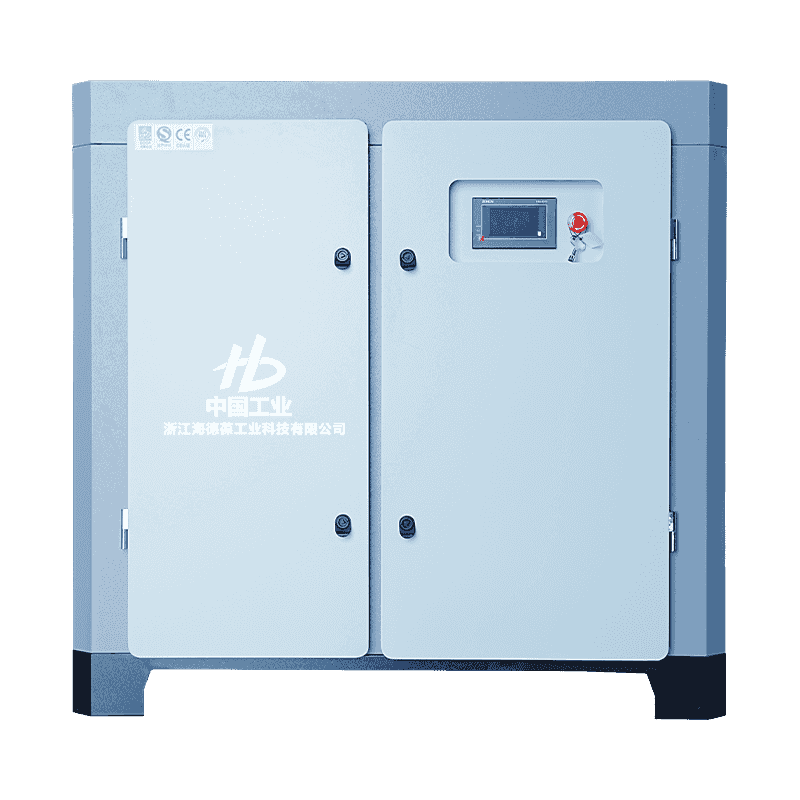
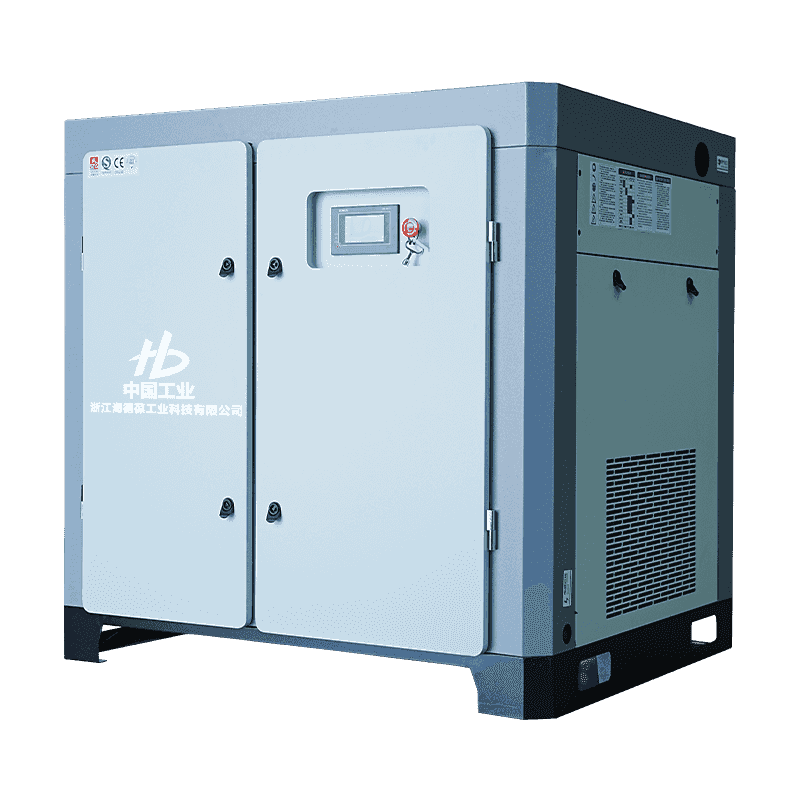
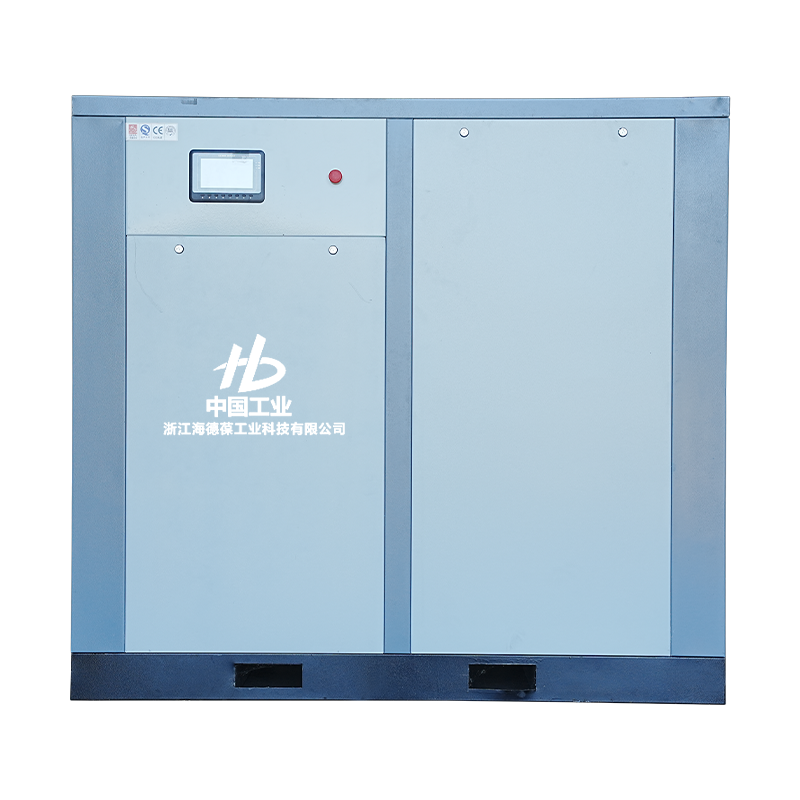
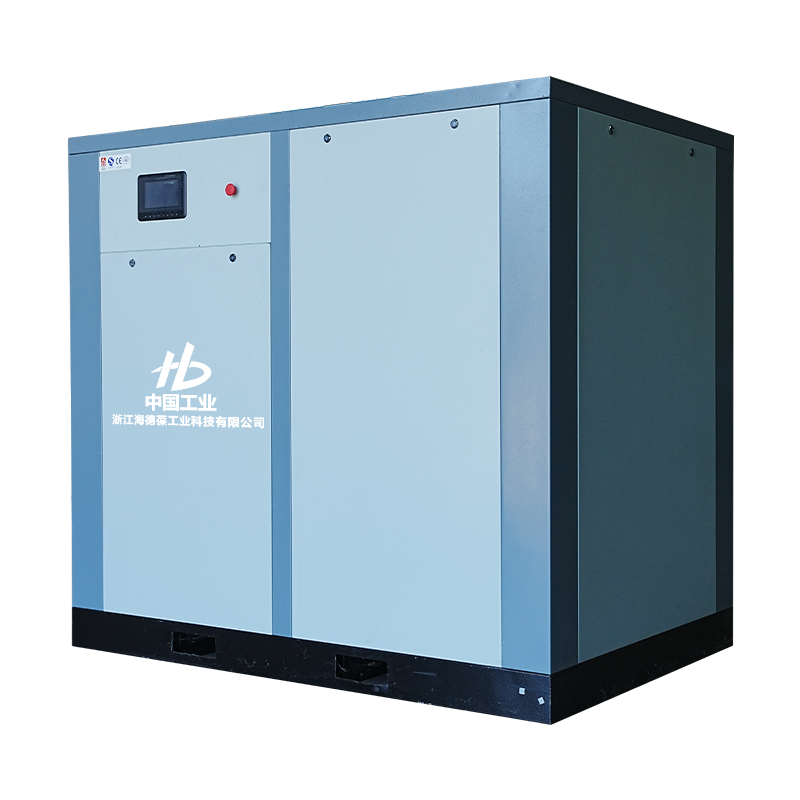
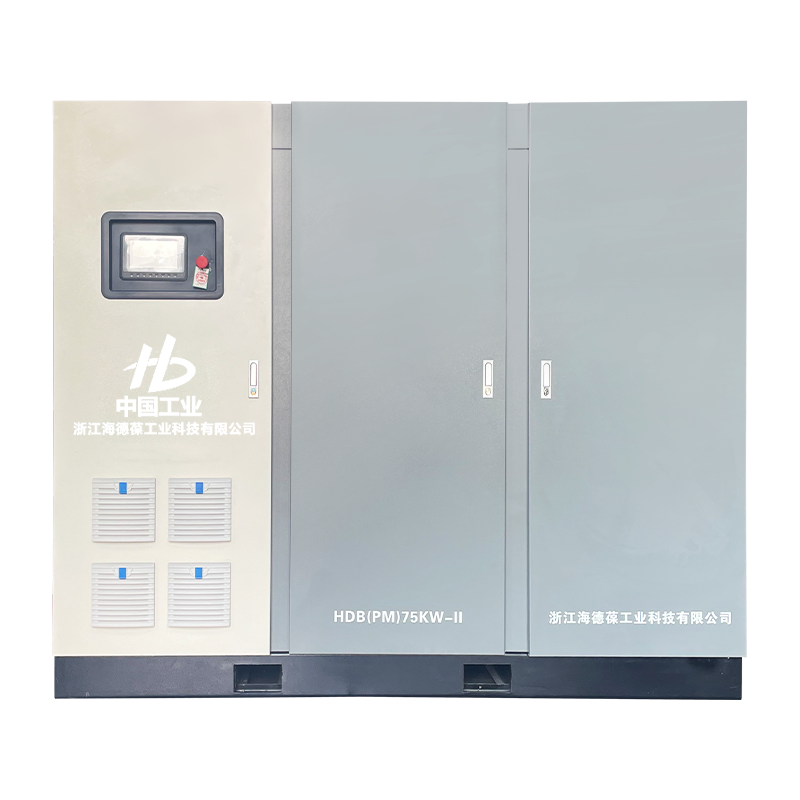
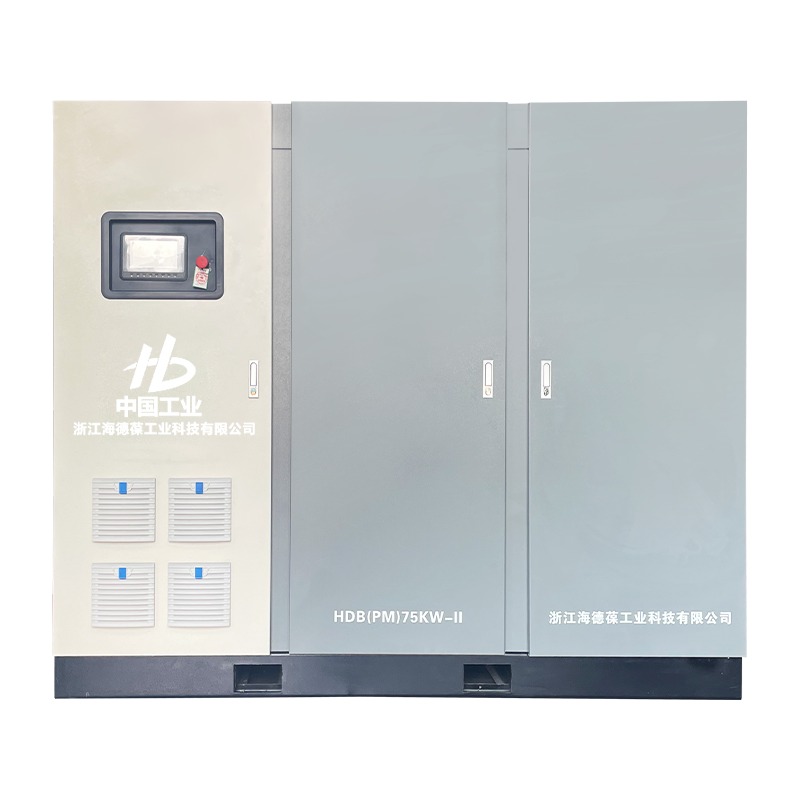
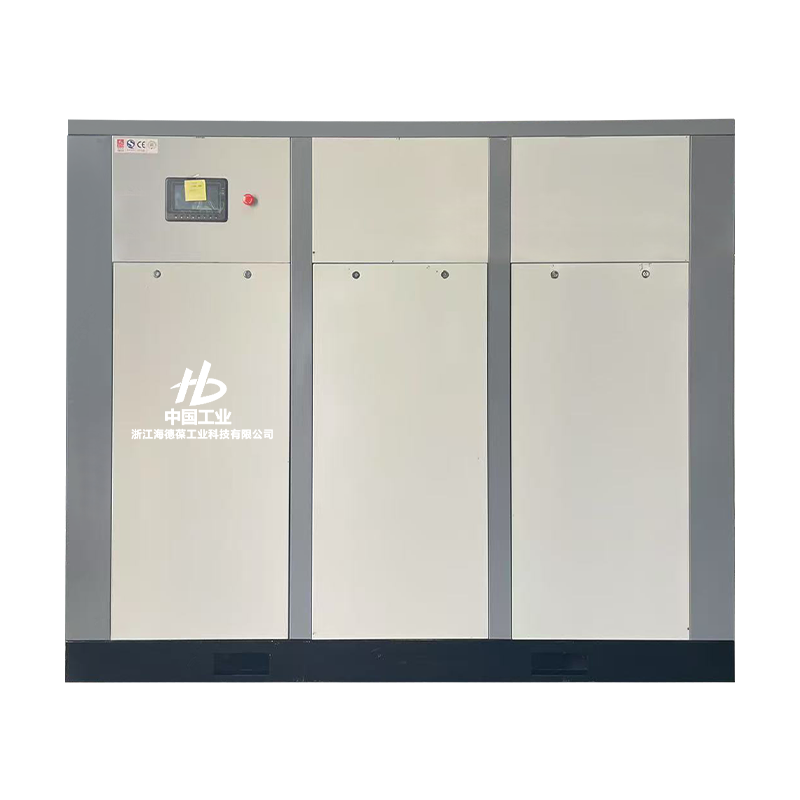
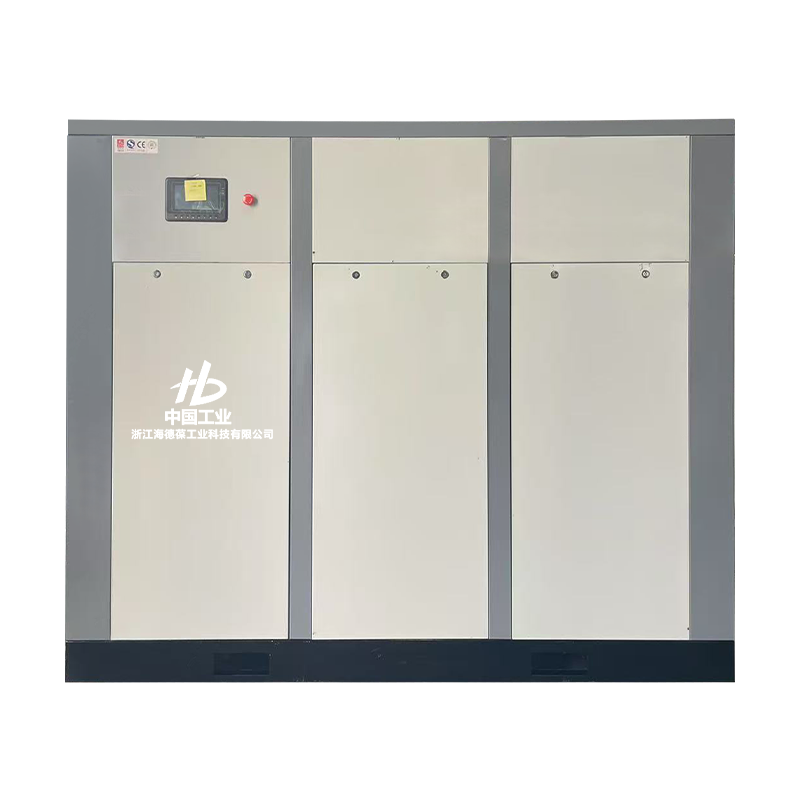
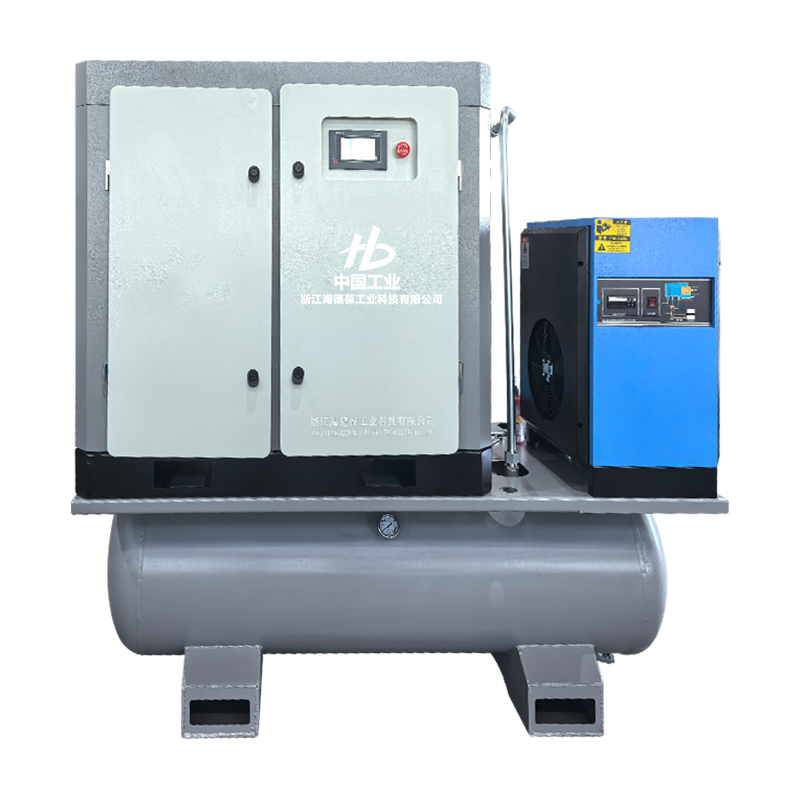
Zhejiang Haidebao Industrial Technology Co., Ltd. builds micro-oil single-stage screw compressors in these exact frame sizes. The 10 hp and 20 hp models suit small workshops that need continuous air without a huge footprint.
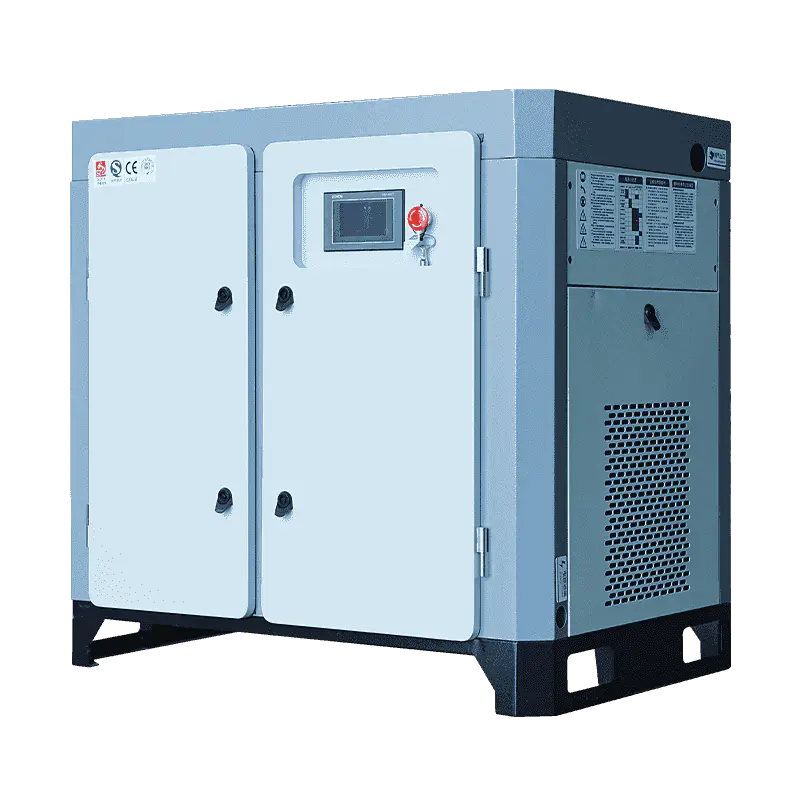
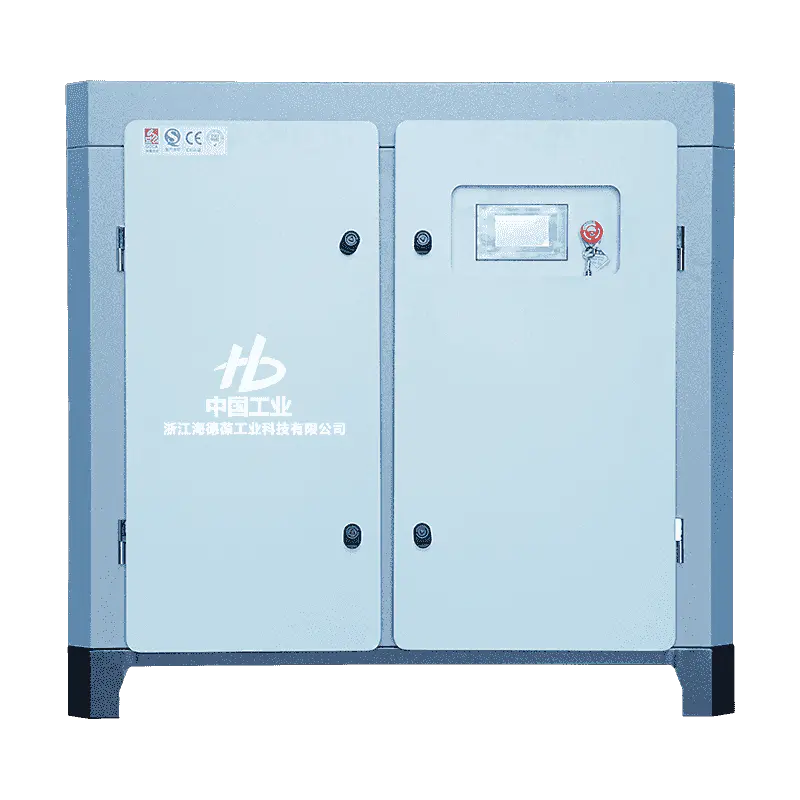
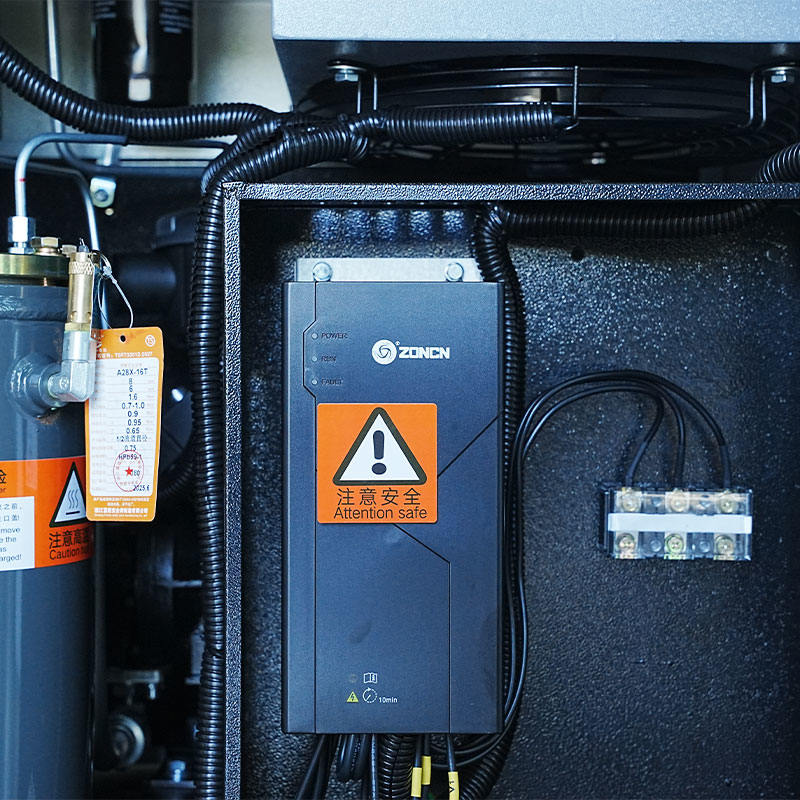 10HP Micro-Oil Single-Stage Twin Screw Air Compressor10HP micro-oil single-stage screw compressor with oil separation below 3PPM, suited to small workshops needing stable continuous air.View Product →
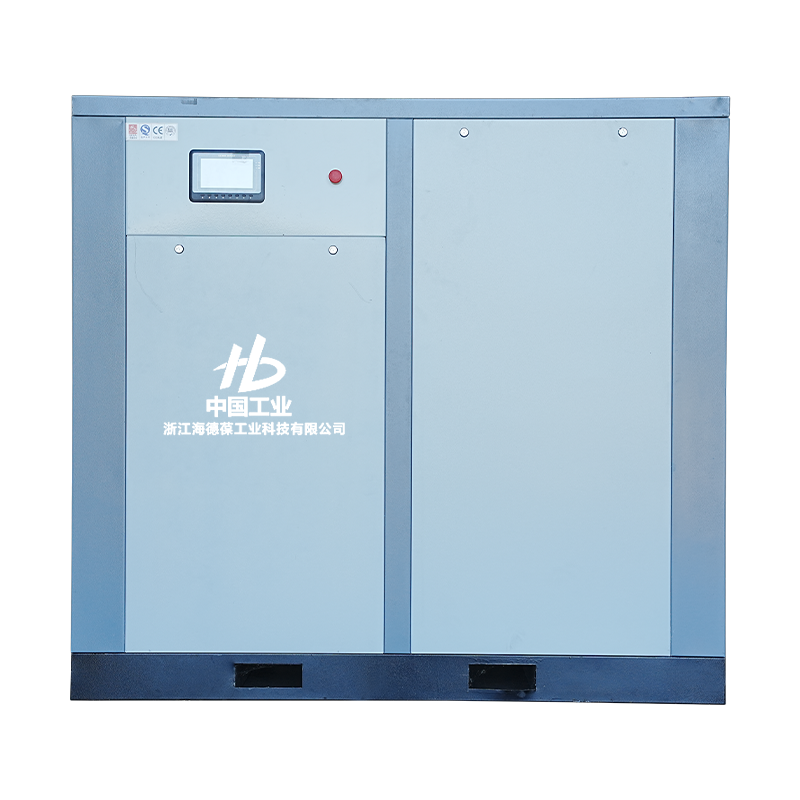
  20HP Micro-Oil Single-Stage Twin Screw Air Compressor20HP micro-oil screw compressor with direct-drive oil-cooled permanent magnet motor, available in fixed or variable frequency for high-quality air.View Product →
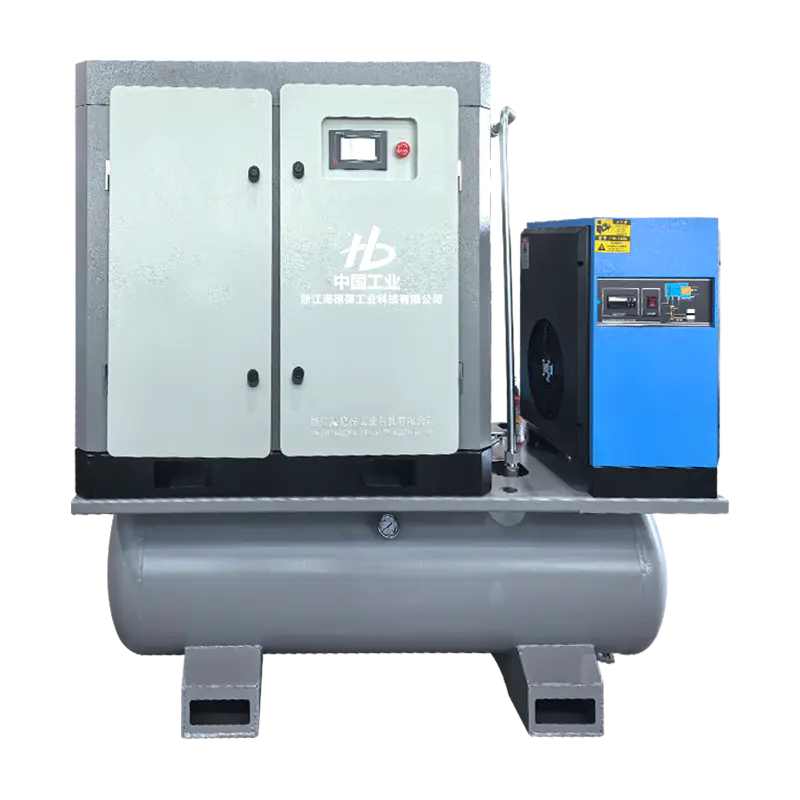
  30HP Micro-Oil Single-Stage Twin Screw Air Compressor30HP integrated micro-oil screw compressor with permanent magnet motor, frequency conversion and low-pressure oil separation for high-demand industrial air.View Product →
For a broader look at compressor types and buying factors, this air compressor selection guide covers the questions buyers ask most often.
Small screw compressors need clean, cool inlet air. Keep the unit away from paint booths, welding fumes, and dust collectors. Allow at least 12 inches of clearance on all sides for airflow. If you install it in a closet, duct the exhaust air outside or add a thermostatically controlled fan.
Pipe sizing matters more than most buyers expect. A 1/2-inch line feeding a 20-hp compressor at 100 psi loses 5-8 psi over 50 feet. Use 3/4-inch or 1-inch pipe for the main header. Slope the piping away from the compressor and install drop legs with drain valves at every low point.
Maintenance intervals are straightforward: change the oil and oil filter every 2,000-4,000 hours, replace the air filter every 1,000-2,000 hours, and check the separator every 4,000 hours. Keep a spare oil filter and separator on the shelf. A clogged separator costs more in energy than the part itself.
Purchase price is only about 30-40% of the lifetime cost. Electricity typically accounts for 50-60%. Maintenance and repairs make up the rest. A 20-hp compressor running 4,000 hours per year at $0.12/kWh costs roughly $7,000 annually in electricity. Improving efficiency by 10% saves $700 per year—enough to pay for a VSD upgrade in a few years.
Compare options using these four numbers:
Two-stage and VSD models cost more upfront but often deliver the lowest total cost when runtime is high. For a small shop running one shift, a single-stage micro-oil unit with a good receiver is usually the best balance.
Use this tree to narrow your options before you request quotes.
A small rotary screw air compressor is not the cheapest option for every shop, but it is often the most reliable one for continuous duty. Match the horsepower to your cfm demand, choose single-stage for 100-125 psi work, and select micro-oil or oil-free based on your air-quality requirements. Then calculate energy and maintenance costs over five years, not just the invoice price.
When you are ready to compare specific models, review the product lineup and request a quote with your required pressure, cfm, and duty cycle. That information lets a supplier recommend the right frame size the first time.
Your email address will not be published. Required fields are marked *

A dedicated after-sales service department is established, consisting of a professional sales team and skilled technical engineers. They are committed to providing year-round support, traveling to customer locations to deliver prompt and high-quality service.

Tel:86-0570-7221666

E-mail:[email protected]

Add: No.2 Qiming Road, Zhejiang Longyou Economic Development Zone, Mohuan Township, Longyou County, Quzhou City, Zhejiang Province, China
Copyright © Zhejiang Haidebao Industrial Technology Co., Ltd.

Custom Industrial Screw Air Compressor Manufacturers