
 EN
EN  English
 Español
 عربى
عربى
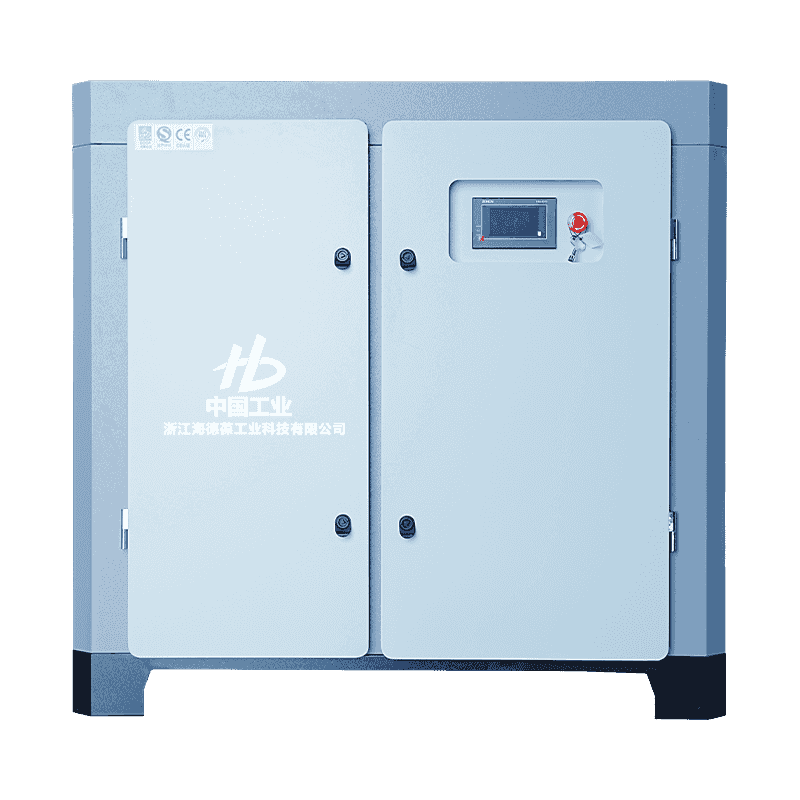
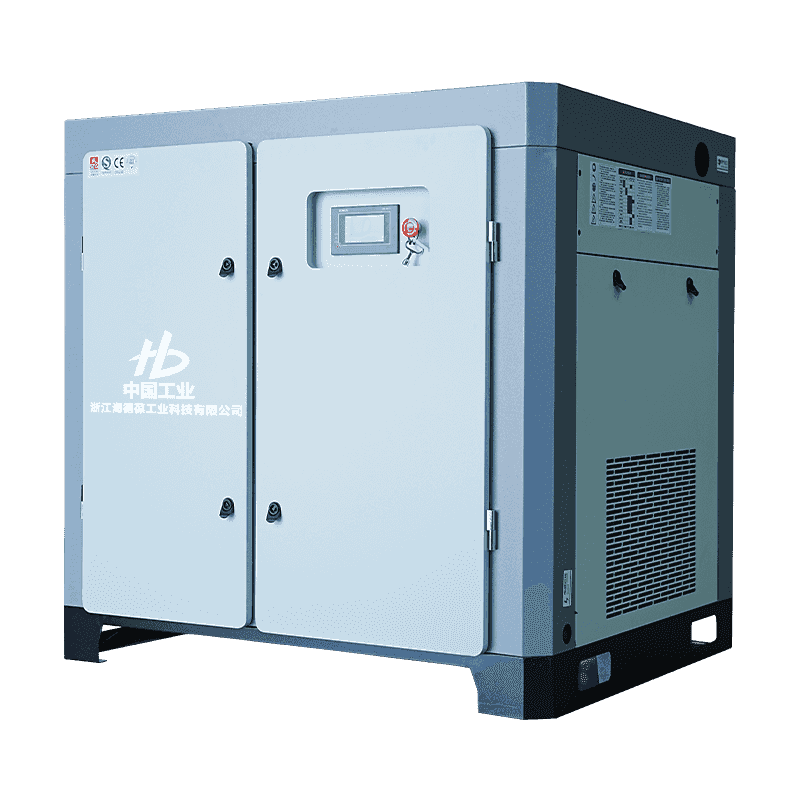
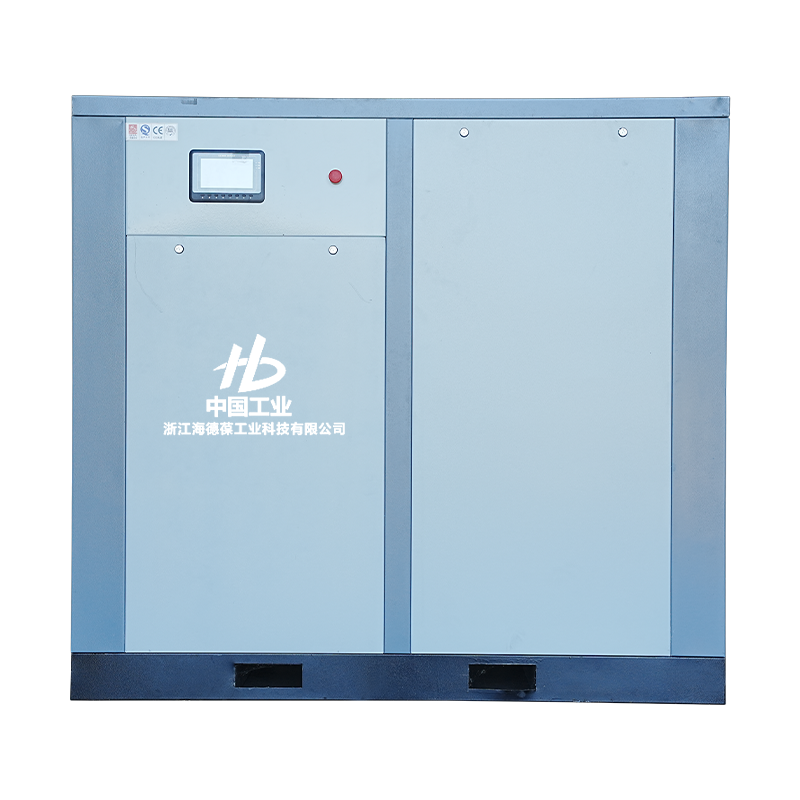
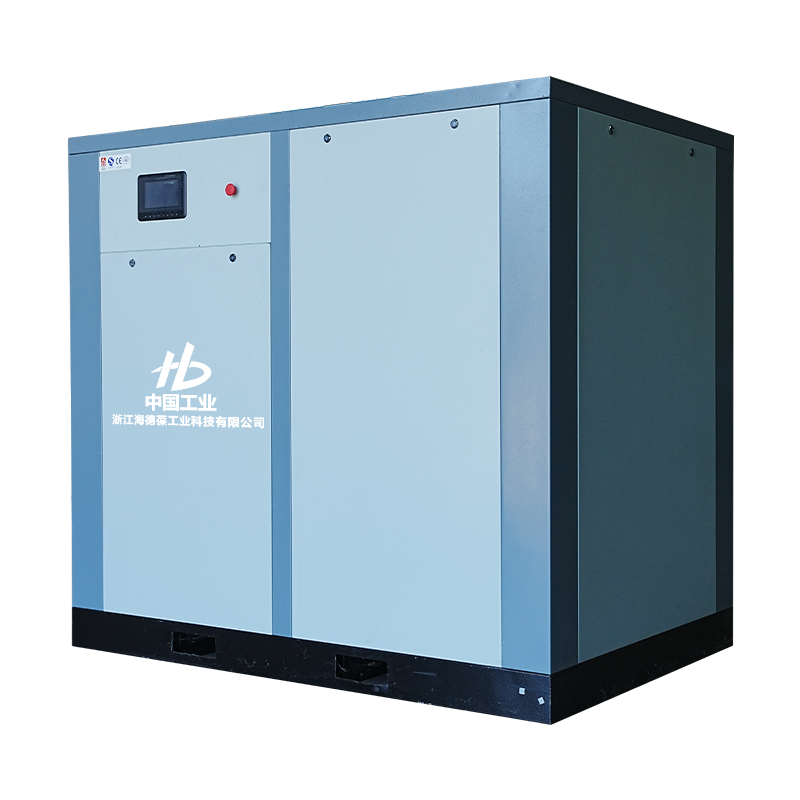
Product Consultation
Your email address will not be published. Required fields are marked *

If you walk into many modern factories today and ask about compressed air problems, you will often hear the same complaints. Too much oil. Too many parts. Too much maintenance. Rising energy bills. This is exactly why more manufacturers are starting to talk about micro-oil twin screw single stage compressors.
They are not brand new technology, but they are getting renewed attention as factories look for cleaner air and simpler systems without jumping all the way to oil-free solutions.
Let us break the name down in plain language.
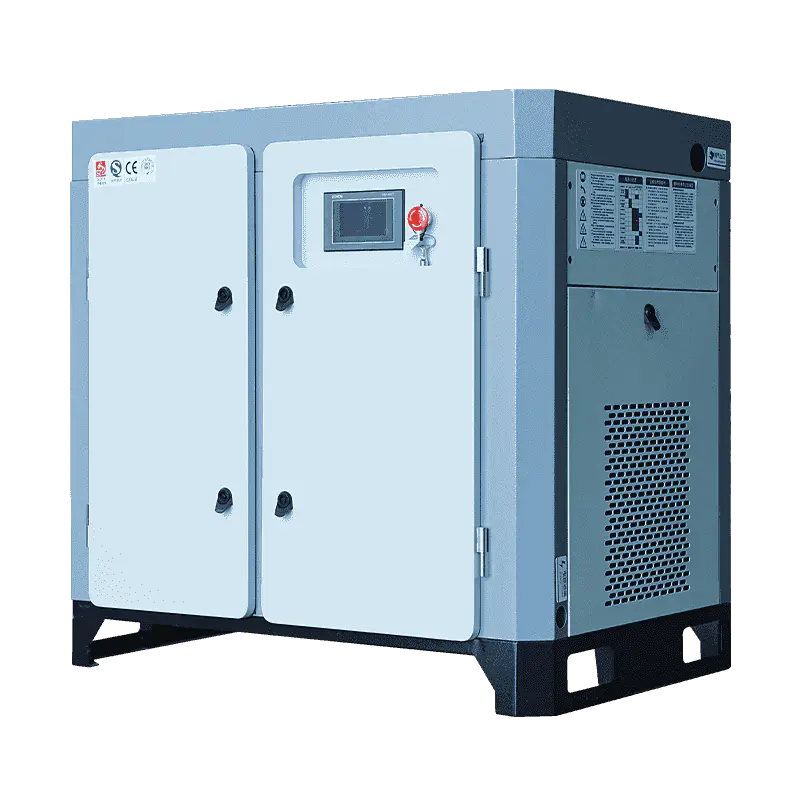
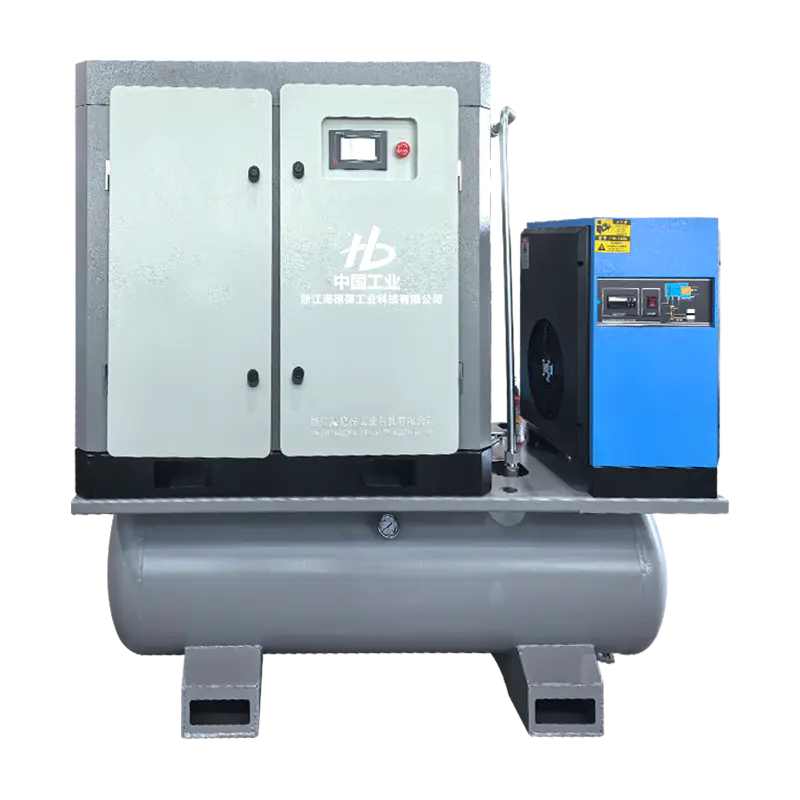
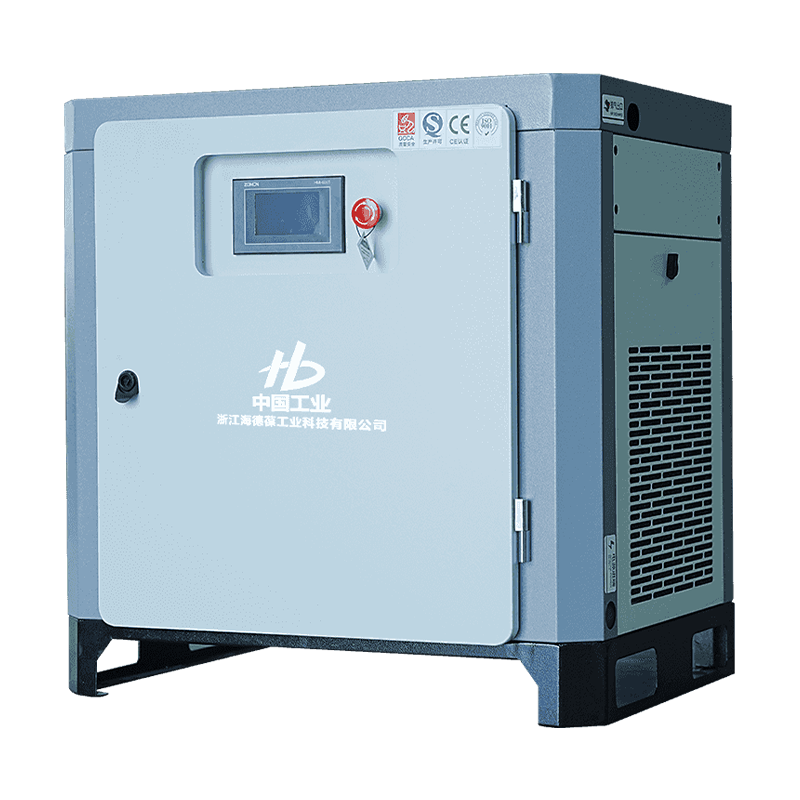
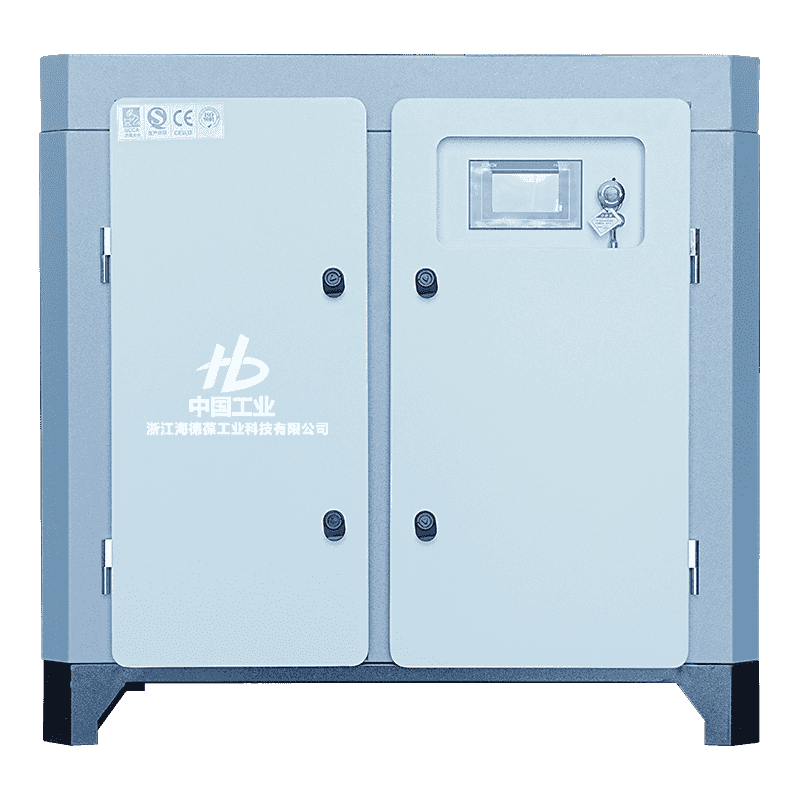
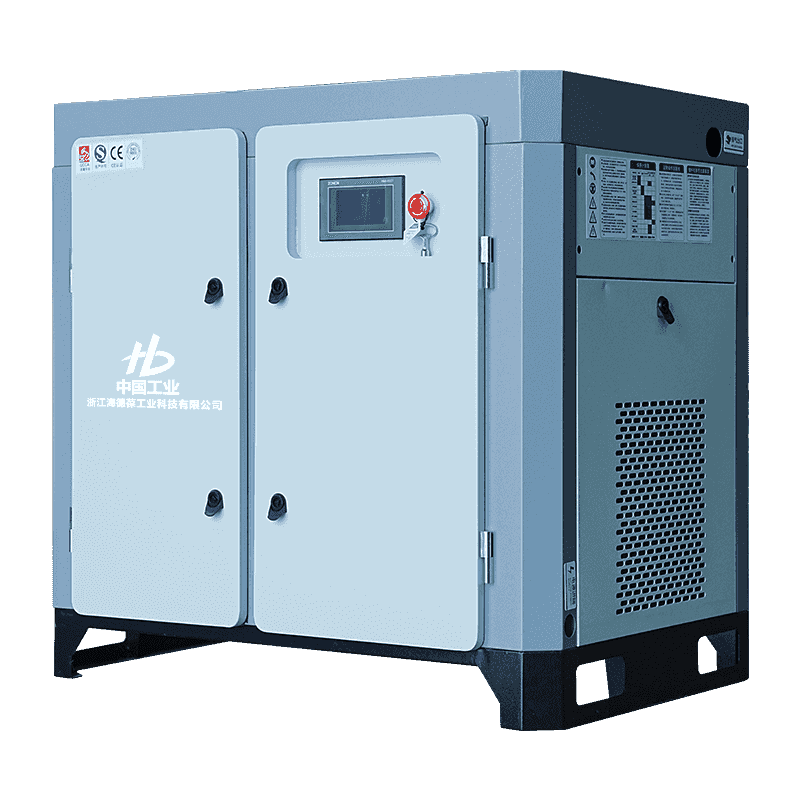
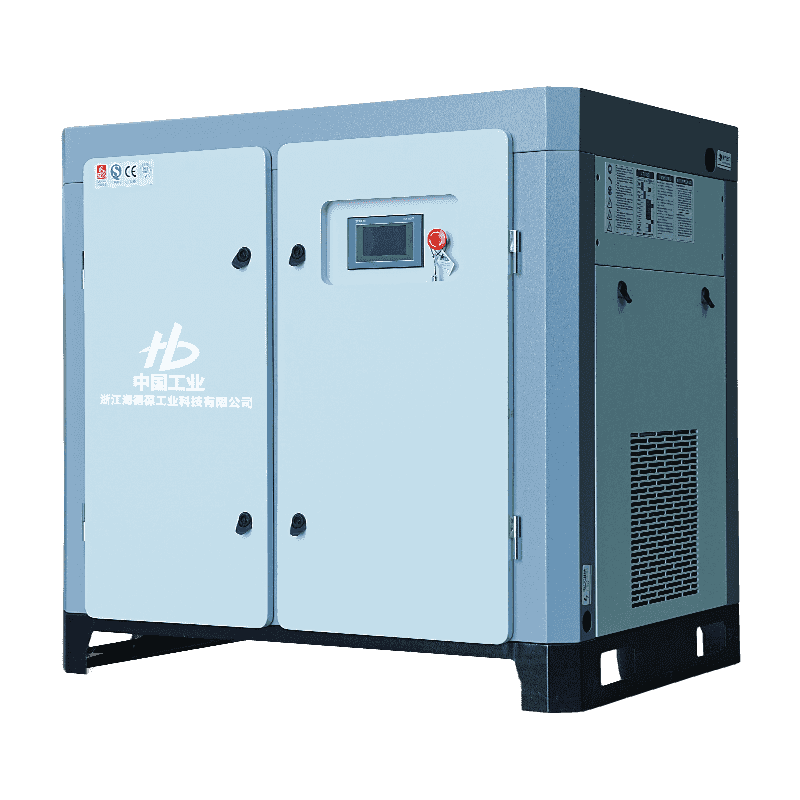
A twin screw compressor uses two interlocking rotors to compress air. A single stage design means the air is compressed in one step instead of multiple stages. Micro-oil means the system uses a very small amount of oil, just enough for sealing and cooling, but far less than traditional oil-injected compressors.
The goal is simple. Deliver stable compressed air with minimal oil content, fewer components, and lower complexity.
Compressed air is often called the fourth utility in factories. If it becomes unstable, dirty, or inefficient, production suffers. Micro-oil twin screw single stage compressors sit in a sweet spot between conventional oil-injected units and fully oil-free machines.
They matter because they help solve several common factory headaches at once.
First, oil contamination is reduced. This is critical for industries like food packaging, electronics, textiles, and pharmaceuticals.
Second, energy efficiency improves compared to multi-stage systems, especially under stable load conditions.
Third, maintenance becomes more predictable because the system is simpler.
For many manufacturers, this balance is more practical than jumping straight to expensive oil-free solutions.
Micro-oil twin screw single stage compressors are not for every situation. They work best when air quality matters, but absolute oil-free air is not legally required.
You will often find them in:
They are also popular in factories upgrading from piston compressors and looking for quieter operation and better stability.
The working principle is straightforward, but the execution is where quality makes the difference.
Air enters the compressor and is trapped between the two screw rotors. As the rotors turn, the volume decreases and pressure increases.
A very small amount of oil is injected into the compression chamber. This oil helps seal gaps, cool the air, and reduce friction, but it is carefully controlled to avoid excessive carryover.
After compression, the air-oil mixture passes through a separation system. High-efficiency separators remove most of the oil before the air reaches downstream equipment.
Because compression happens in one stage, the airflow path is shorter. This reduces pressure loss and simplifies the internal structure.
No compressor design is perfect. Understanding the trade-offs helps manufacturers make better decisions.
This is why many factories see it as a practical compromise rather than a universal solution.
| Item | Single Stage Twin Screw | Two Stage Twin Screw |
|---|---|---|
| Structure | Simpler, fewer components | More complex |
| Energy Efficiency | Good under stable loads | Better under variable loads |
| Initial Cost | Lower | Higher |
| Maintenance | Easier | More involved |
| Application | General industrial use | Heavy duty, high demand |
Choosing a micro-oil twin screw single stage compressor is not just about the name on the brochure.
This is critical. Poor separator design leads to higher oil content and more downstream filtration costs.
Precision matters. Better rotor profiles mean less leakage, lower energy consumption, and longer service life.
Micro-oil systems rely on efficient cooling. Weak cooling design can shorten oil life and increase wear.
Modern controllers help match air supply with demand. Without proper control logic, energy savings disappear.
Even a simple system needs service. Access to parts, filters, and technical support makes a real difference over time.
Factories are under pressure to improve air quality while controlling costs. Regulations are tightening, but budgets are not growing at the same speed.
Micro-oil twin screw single stage compressors offer a realistic upgrade path. They improve cleanliness and efficiency without forcing manufacturers into the high cost and complexity of oil-free systems.
For many plants, that balance is exactly what they need right now.
This compressor type is not about chasing perfection. It is about solving real factory problems with practical engineering.
For manufacturers and equipment buyers, the key is knowing where micro-oil twin screw single stage compressors fit and where they do not. When applied correctly, they deliver stable air, manageable maintenance, and solid long-term value.
In an industry where downtime and contamination are expensive, sometimes the smartest solution is not the most extreme one, but the most balanced one.
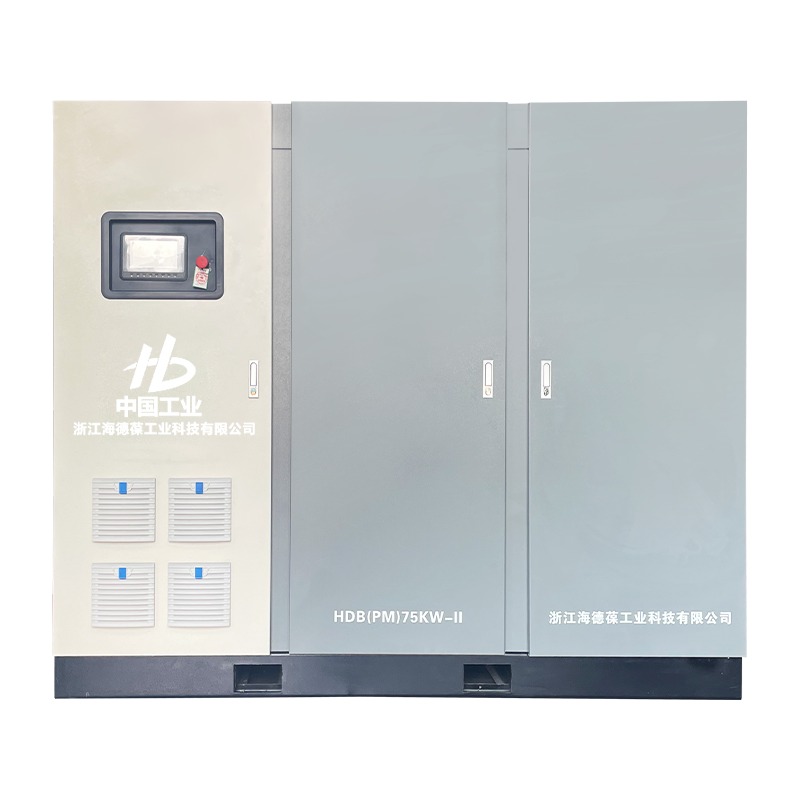
How does the efficiency of a micro-oil twin screw air compressor compare to that of a single-screw compressor?

What are the main functions of a micro-oil screw compressor during the compression process?
Your email address will not be published. Required fields are marked *

A dedicated after-sales service department is established, consisting of a professional sales team and skilled technical engineers. They are committed to providing year-round support, traveling to customer locations to deliver prompt and high-quality service.

Tel:86-0570-7221666

E-mail:[email protected]

Add: No.2 Qiming Road, Zhejiang Longyou Economic Development Zone, Mohuan Township, Longyou County, Quzhou City, Zhejiang Province, China
Copyright © Zhejiang Haidebao Industrial Technology Co., Ltd.

Custom Industrial Screw Air Compressor Manufacturers