
 EN
EN  English
 Español
 عربى
عربى
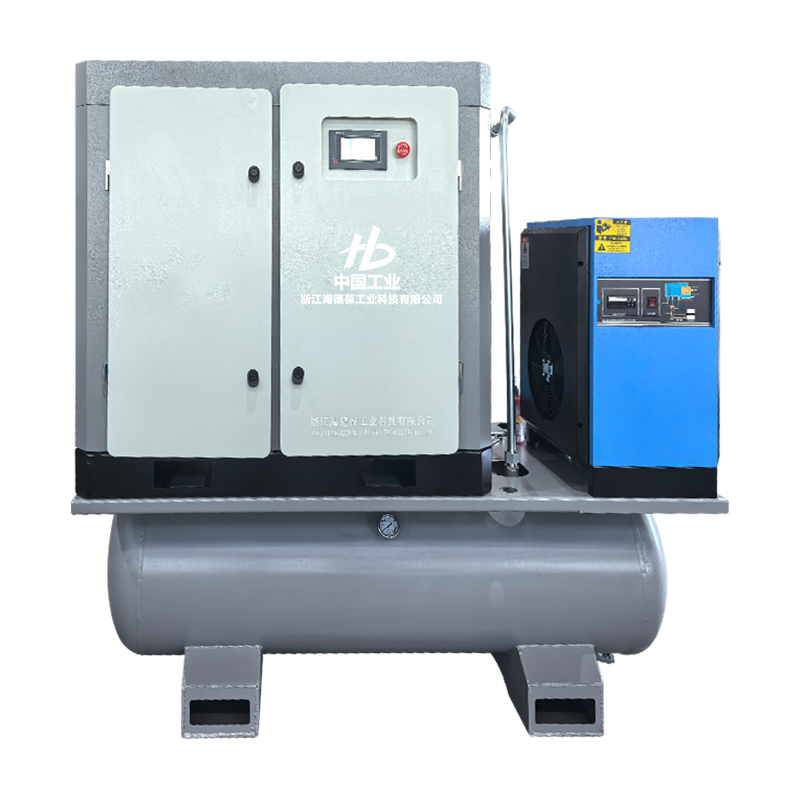
Product Consultation
Your email address will not be published. Required fields are marked *

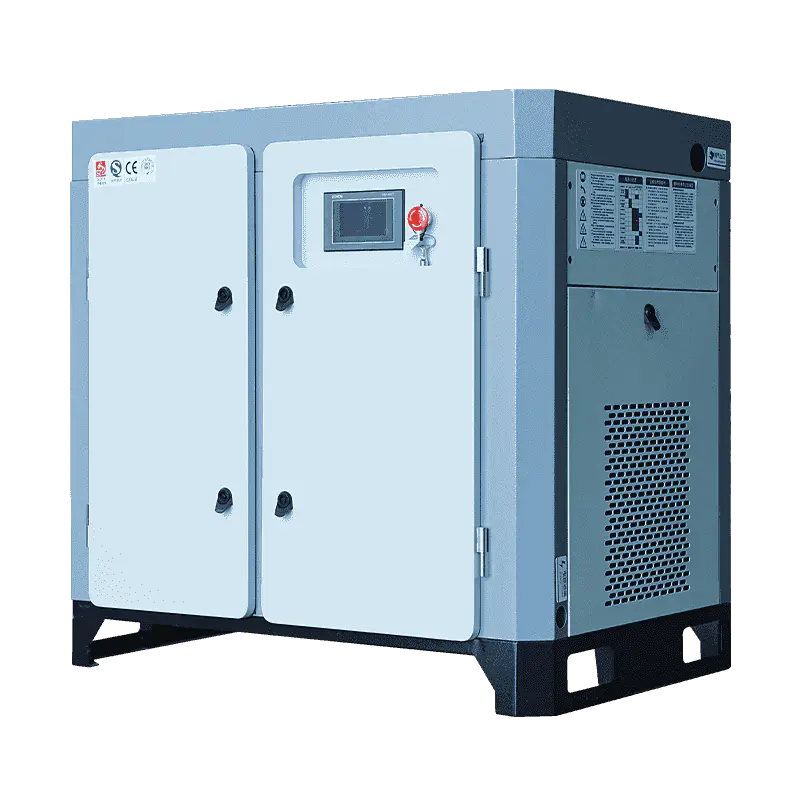
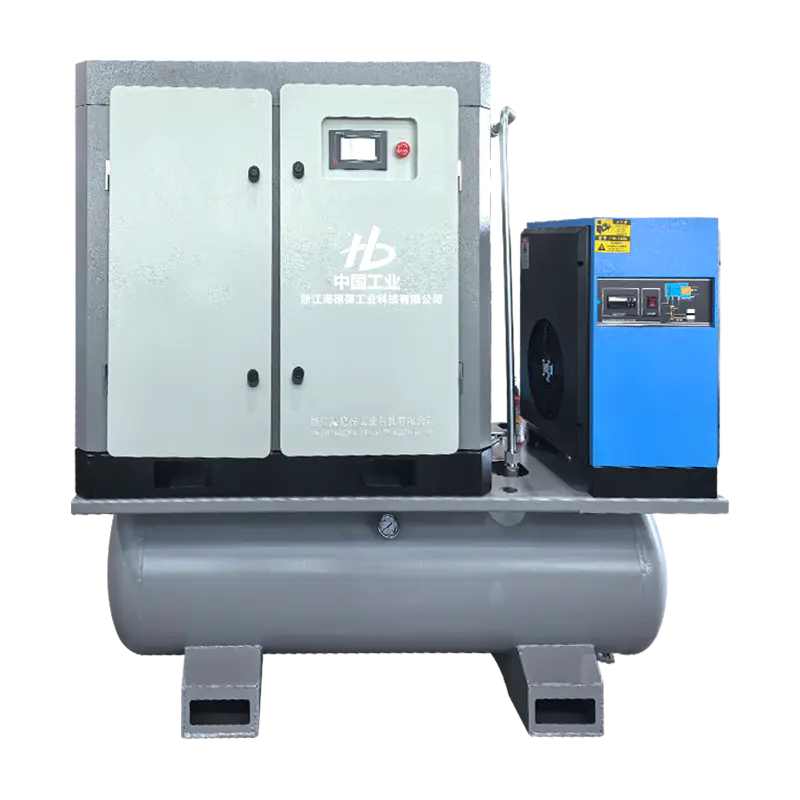
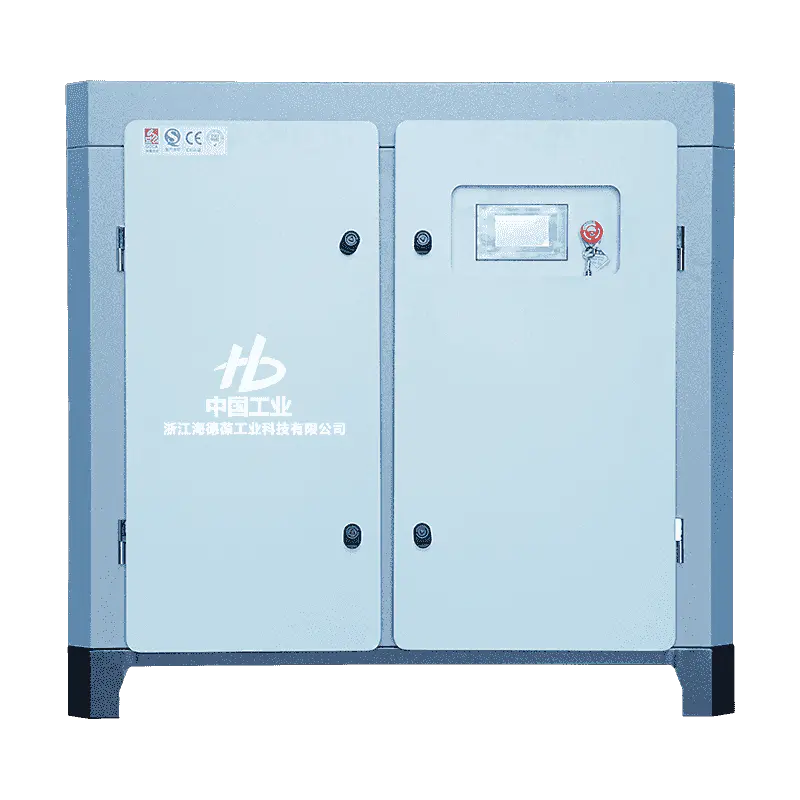
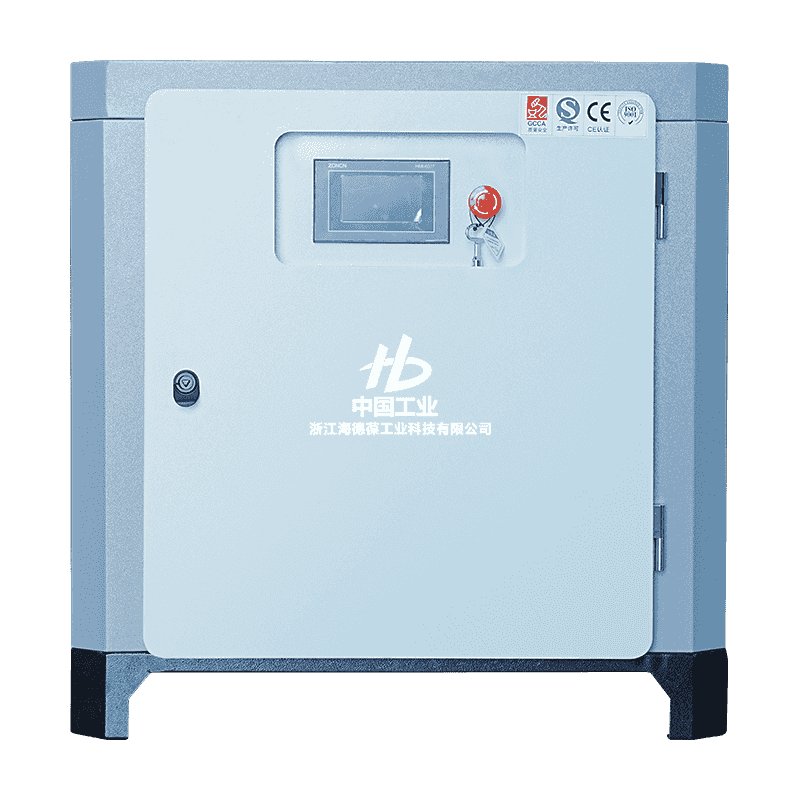
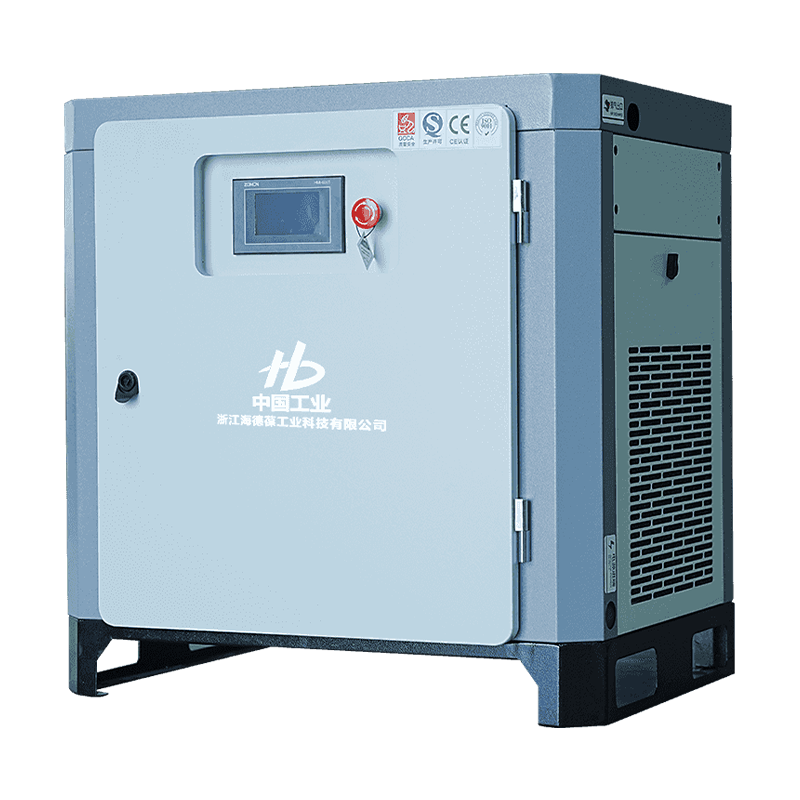
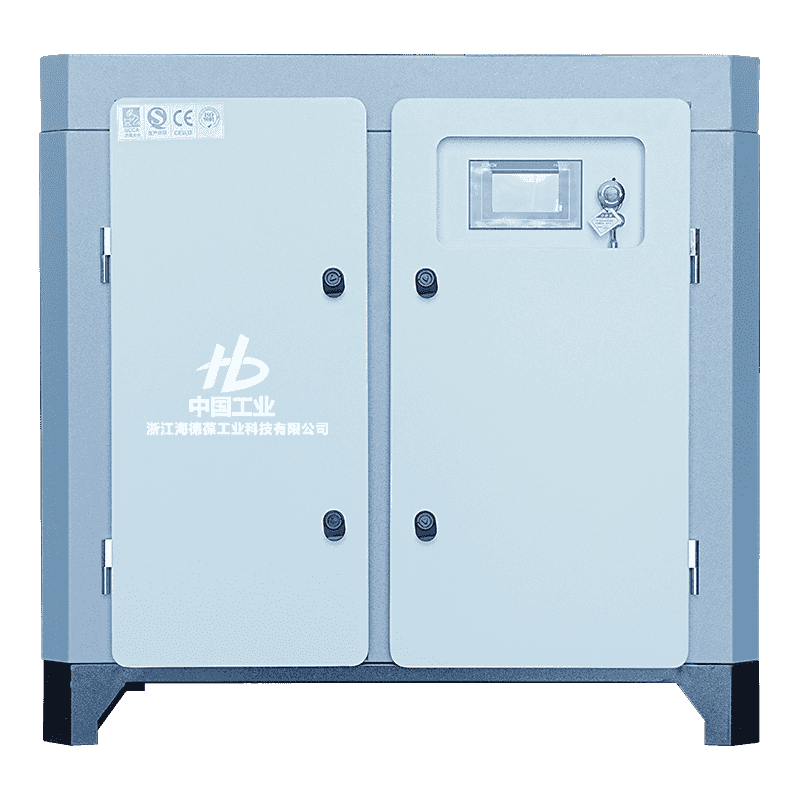
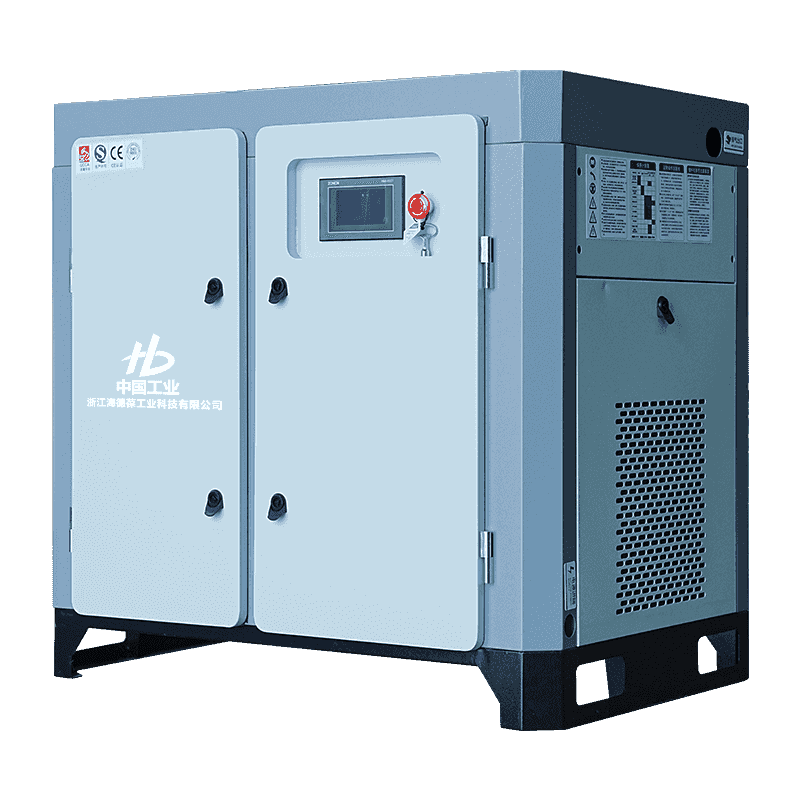
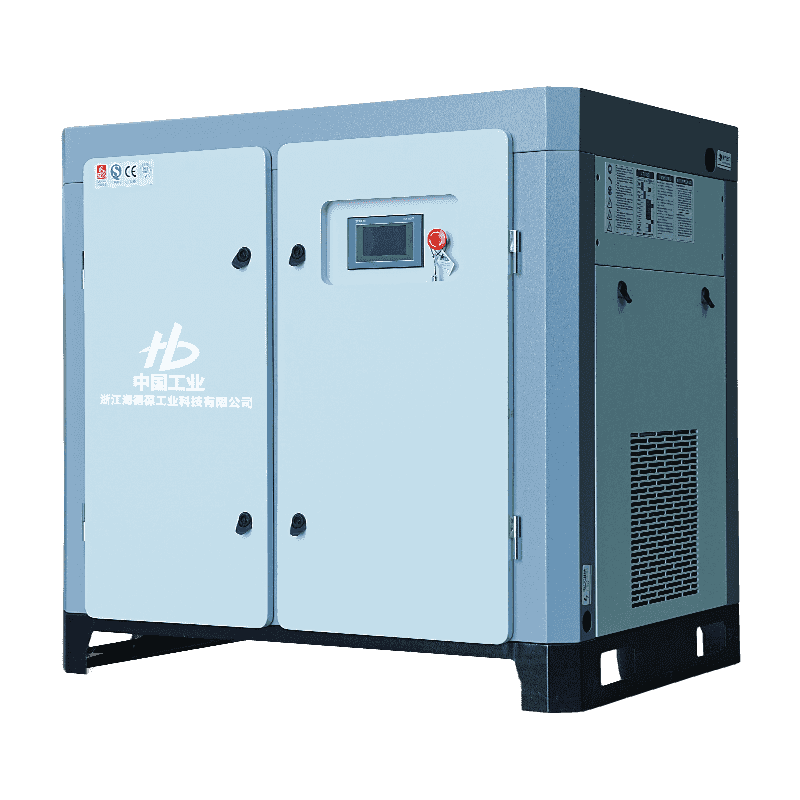
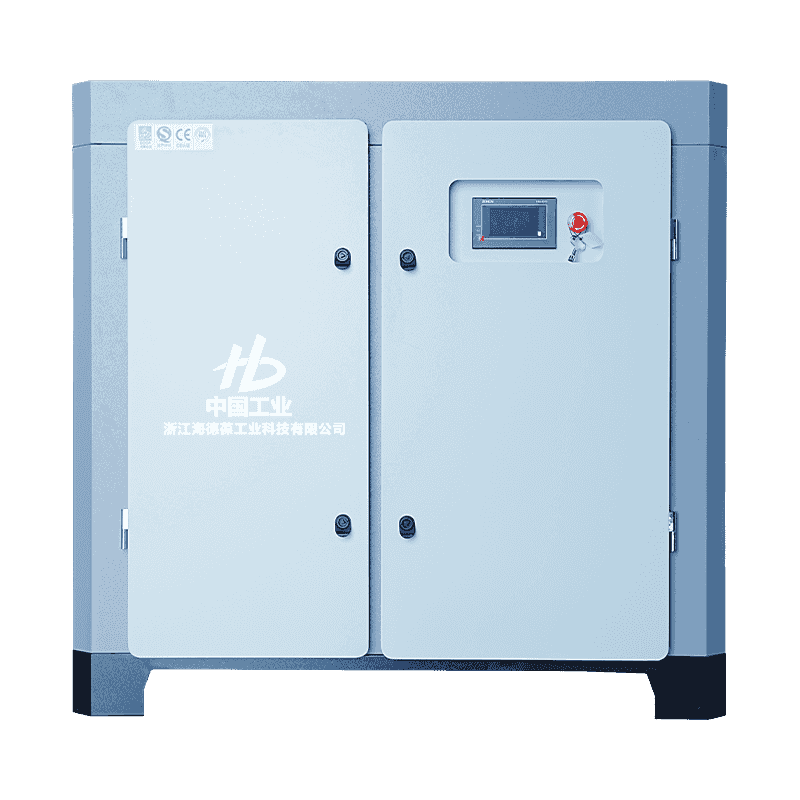
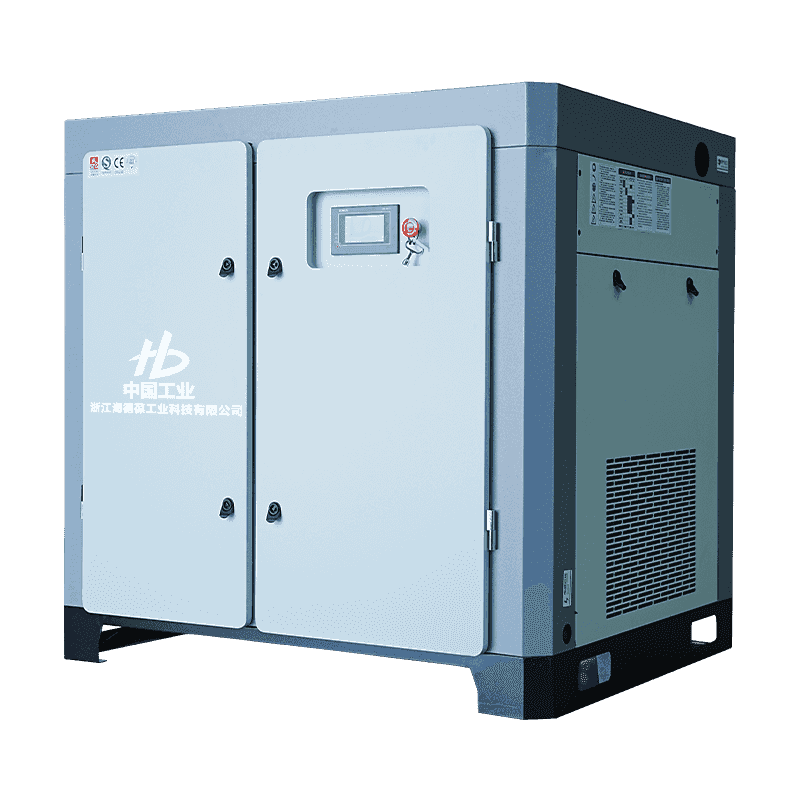
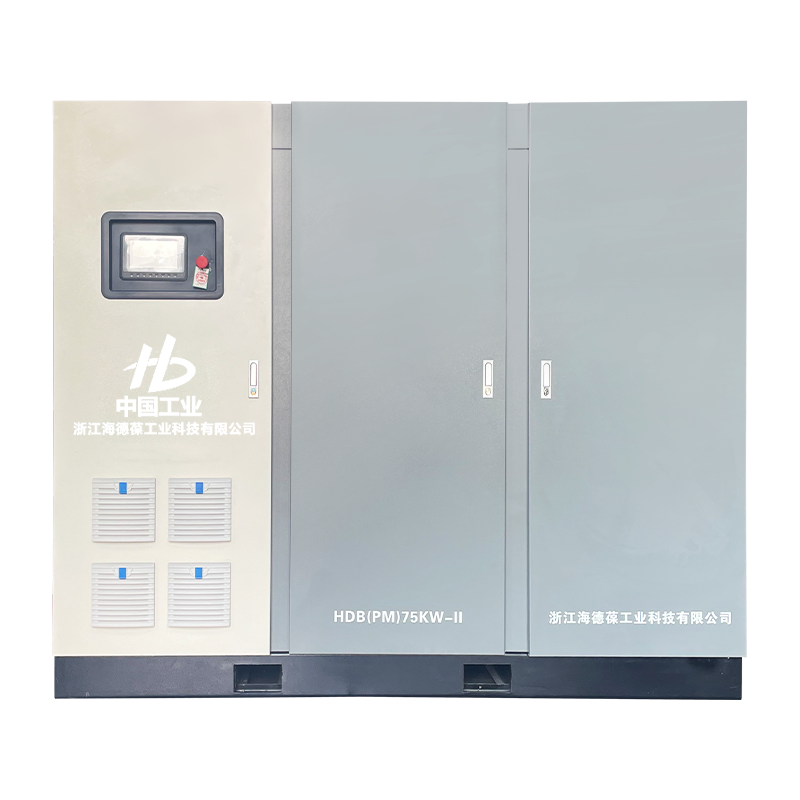
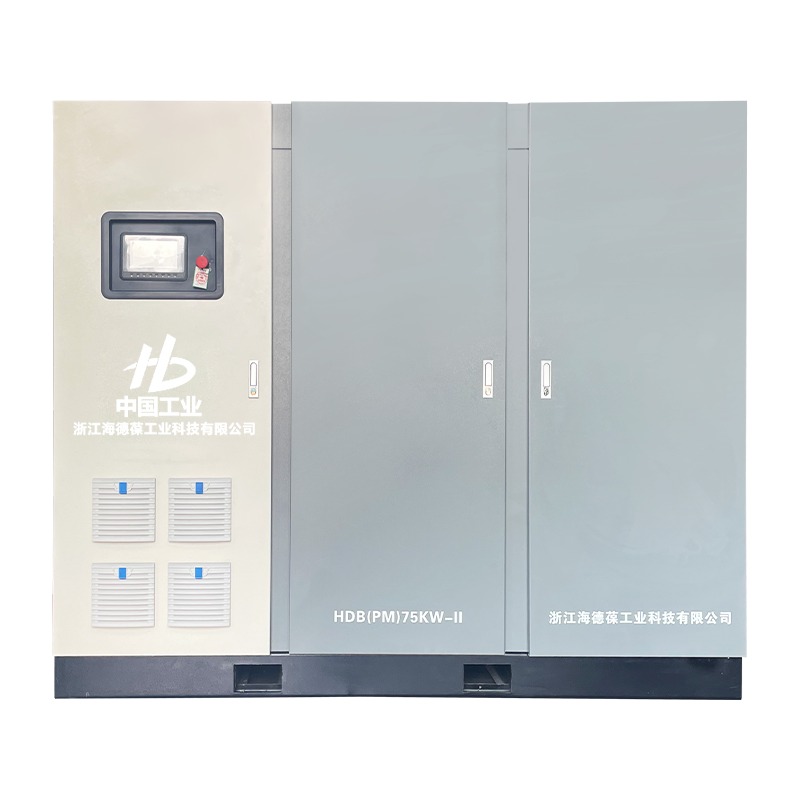
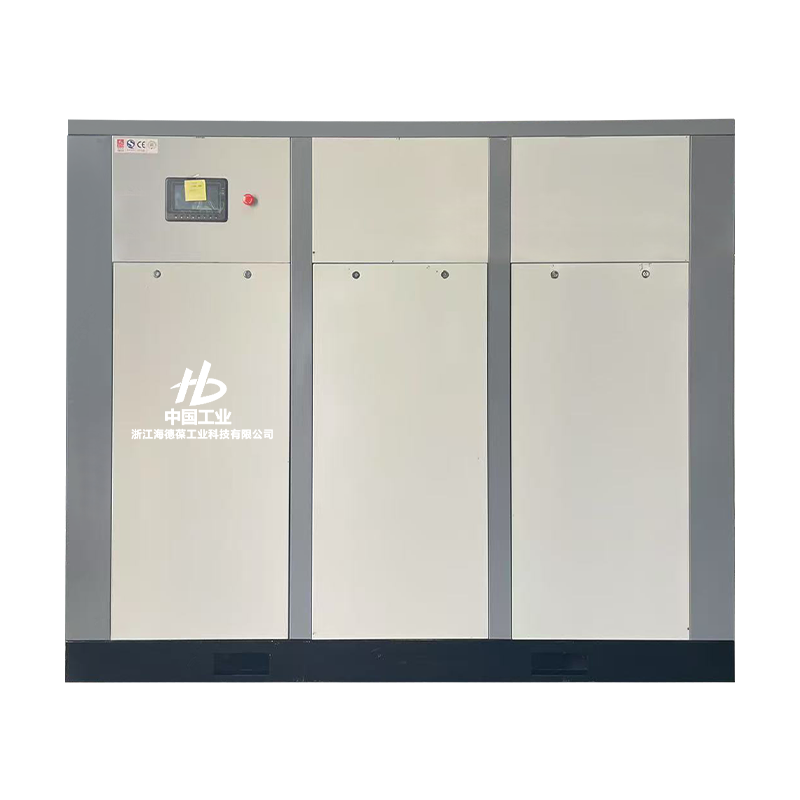
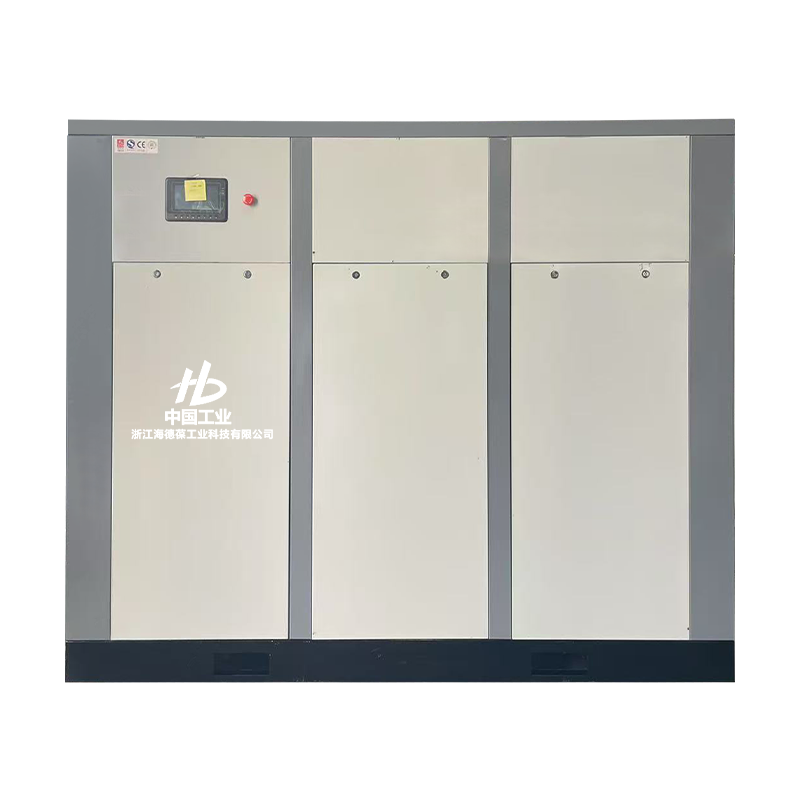
A micro-oil twin screw air compressor operates based on the meshing rotation of two helical rotors within a precisely machined housing. As the rotors turn, air is drawn into the compression chamber, trapped between the rotor lobes and casing, and progressively compressed as the volume decreases along the rotation path. The term “micro-oil” generally refers to a system that injects a controlled amount of lubricating oil into the compression chamber. This oil does not eliminate oil presence entirely but limits its concentration in the discharged compressed air through downstream separation systems. The design aims to balance lubrication, cooling, sealing, and air quality requirements in industrial applications.
Oil-injection in twin screw compressors involves introducing lubricating oil directly into the compression chamber during operation. The oil performs multiple functions simultaneously. It absorbs heat generated during compression, fills internal clearances between rotors and casing to reduce internal leakage, and lubricates moving parts to reduce mechanical wear. In micro-oil configurations, the quantity and circulation of injected oil are carefully regulated. After compression, the air-oil mixture flows into a separation system where most of the oil is removed and returned to the lubrication circuit. This process supports stable operation while keeping residual oil content in the discharged air within controlled limits.
Compression of air generates heat due to the thermodynamic increase in pressure and friction between rotating components. In oil-injected twin screw compressors, the injected oil acts as a direct cooling medium inside the compression chamber. The oil absorbs thermal energy from the compressed air and rotor surfaces, lowering discharge temperatures compared to dry compression systems. The heated oil is then routed through an oil cooler before being recirculated. This internal cooling mechanism allows continuous operation without excessive thermal stress on rotors or housing components. Micro-oil systems maintain this cooling function while optimizing oil flow rates to reduce downstream filtration load.
The geometry of twin screw rotors requires small clearances between mating surfaces to avoid direct contact while maintaining compression efficiency. Without sealing assistance, internal air leakage between high-pressure and low-pressure zones would reduce volumetric efficiency. Injected oil fills these microscopic gaps, forming a thin film that improves sealing between rotor lobes and between rotors and casing. This sealing effect contributes to stable compression performance and reduces backflow losses. In micro-oil twin screw compressors, the sealing function remains fundamentally similar to conventional oil-injected designs, although oil management systems are optimized to minimize carryover into the final air stream.
Lubrication is another essential role of oil injection. Bearings, timing gears, and rotor surfaces operate under continuous mechanical load. The oil film reduces friction, dissipates heat generated by contact surfaces, and helps prevent premature wear. In micro-oil configurations, lubrication circuits are engineered to deliver sufficient oil to critical components while maintaining efficient separation downstream. Proper lubrication supports long-term operational stability and consistent rotor alignment. The presence of oil within the compression chamber also dampens mechanical noise and vibration to some extent.
After the compression process, the mixture of compressed air and oil enters a separation system typically consisting of a primary separator tank and a fine oil separator element. The primary stage relies on centrifugal force and gravity to remove bulk oil droplets, while the secondary element captures smaller particles. The recovered oil is returned to the lubrication circuit through controlled pathways. The term “micro-oil” reflects the effectiveness of this separation system, which aims to limit residual oil content in the discharged air. The structure still relies on oil injection for cooling and sealing, but advanced filtration ensures that oil concentration in the output air remains within industrial requirements.
The structural difference between oil-free and micro-oil twin screw compressors clarifies the role of oil injection. Oil-free systems avoid direct oil contact in the compression chamber and instead rely on external cooling and specialized rotor coatings. In contrast, micro-oil systems deliberately introduce oil to achieve cooling, sealing, and lubrication, followed by efficient separation. The table below outlines the key structural distinctions.
| Feature | Micro-Oil Twin Screw | Oil-Free Twin Screw |
| Oil Injection in Compression Chamber | Present | Absent |
| Cooling Method | Direct oil cooling and external oil cooler | Air or water cooling without internal oil contact |
| Sealing Mechanism | Oil film assists sealing | Precision machining and coatings |
| Air Quality Control | Oil separation system required | No oil separation required |
Continuous industrial applications require compressors to operate for extended periods under load. Oil-injection structures provide internal thermal regulation by absorbing and transferring heat away from compression zones. Micro-oil twin screw compressors rely on oil flow rate control, oil cooler efficiency, and thermostatic valves to maintain operating temperature within a designed range. The interaction between oil viscosity and temperature is also considered in system design. Stable oil temperature supports consistent sealing performance and prevents excessive viscosity changes that might influence circulation.
The oil-injection cooling and sealing structure can contribute to improved volumetric efficiency because internal leakage is reduced and compression heat is moderated. Lower discharge temperatures reduce thermal stress on downstream components and may decrease energy loss related to excessive heat. However, the separation and filtration stages require proper maintenance to avoid pressure drop increases. In micro-oil systems, balancing oil injection quantity with separation efficiency is essential for maintaining stable energy consumption levels. The structural integration of cooling, sealing, and lubrication functions within a single oil circuit simplifies the overall mechanical layout.
Because micro-oil twin screw compressors employ oil injection within the compression chamber, regular maintenance of oil filters, separator elements, and lubrication circuits is necessary. Oil quality affects sealing performance, cooling efficiency, and bearing lifespan. Periodic inspection ensures that oil carryover remains within acceptable limits and that separation efficiency does not decline. Compared to oil-free systems, micro-oil compressors typically involve additional oil management components, but the structural reliance on oil injection remains central to their operating principle.
Micro-oil twin screw air compressors are commonly used in manufacturing plants, automotive workshops, textile facilities, and general industrial production environments where compressed air purity requirements allow minimal oil content. The oil-injection cooling and sealing structure enables stable compression performance under varying load conditions. Applications requiring completely oil-free air, such as certain pharmaceutical or food processing environments, may select alternative designs. Nevertheless, for many industrial uses, the combination of oil injection and efficient separation provides a practical balance between operational reliability and air quality management.
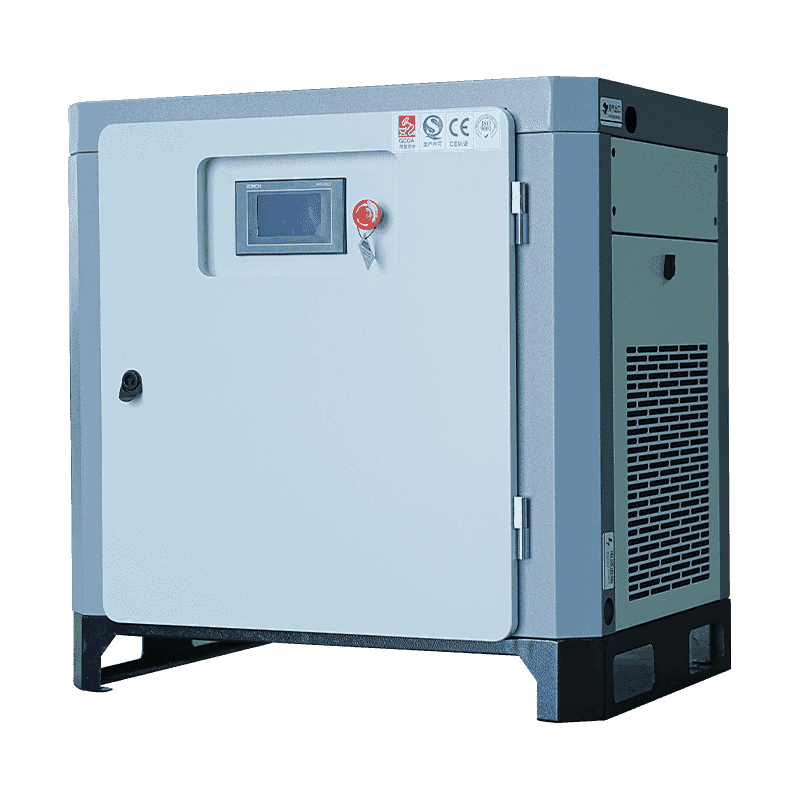
Does the twin-screw single-stage compressor have protection mechanisms against overload, overheating, or abnormal operating conditions?

What are the differences in air quality between a micro-oil twin screw air compressor and an oil-free screw compressor?
Your email address will not be published. Required fields are marked *

A dedicated after-sales service department is established, consisting of a professional sales team and skilled technical engineers. They are committed to providing year-round support, traveling to customer locations to deliver prompt and high-quality service.

Tel:86-0570-7221666

E-mail:[email protected]

Add: No.2 Qiming Road, Zhejiang Longyou Economic Development Zone, Mohuan Township, Longyou County, Quzhou City, Zhejiang Province, China
Copyright © Zhejiang Haidebao Industrial Technology Co., Ltd.

Custom Industrial Screw Air Compressor Manufacturers