
 EN
EN  English
 Español
 عربى
عربى
Product Consultation
Your email address will not be published. Required fields are marked *

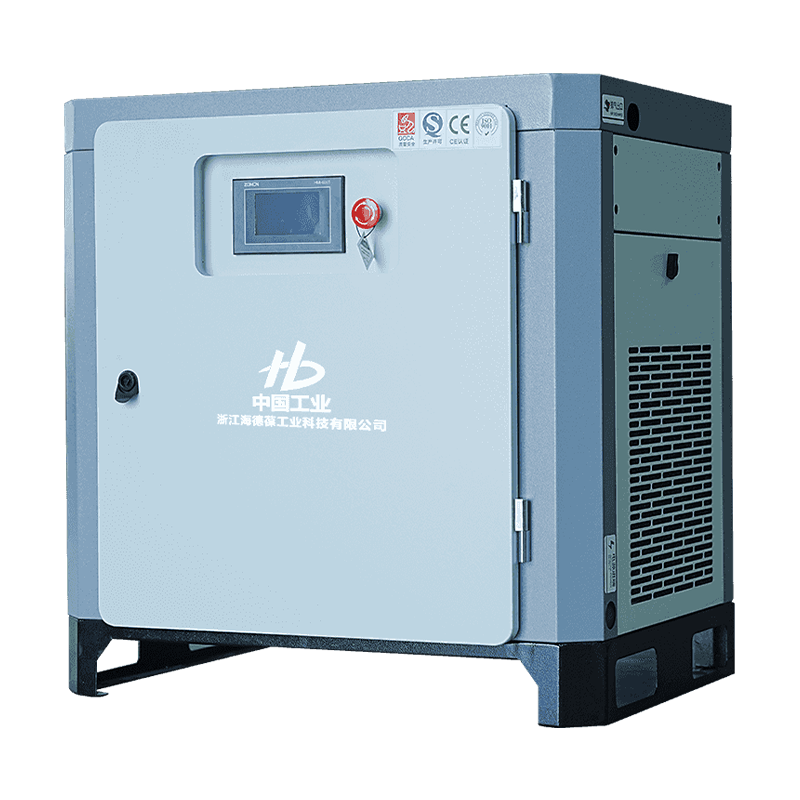
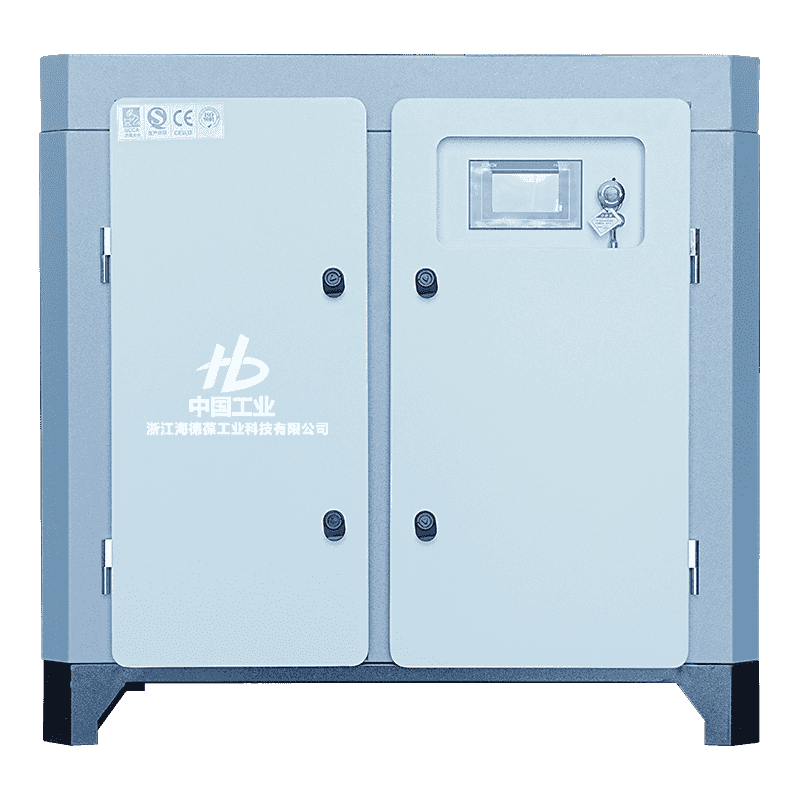
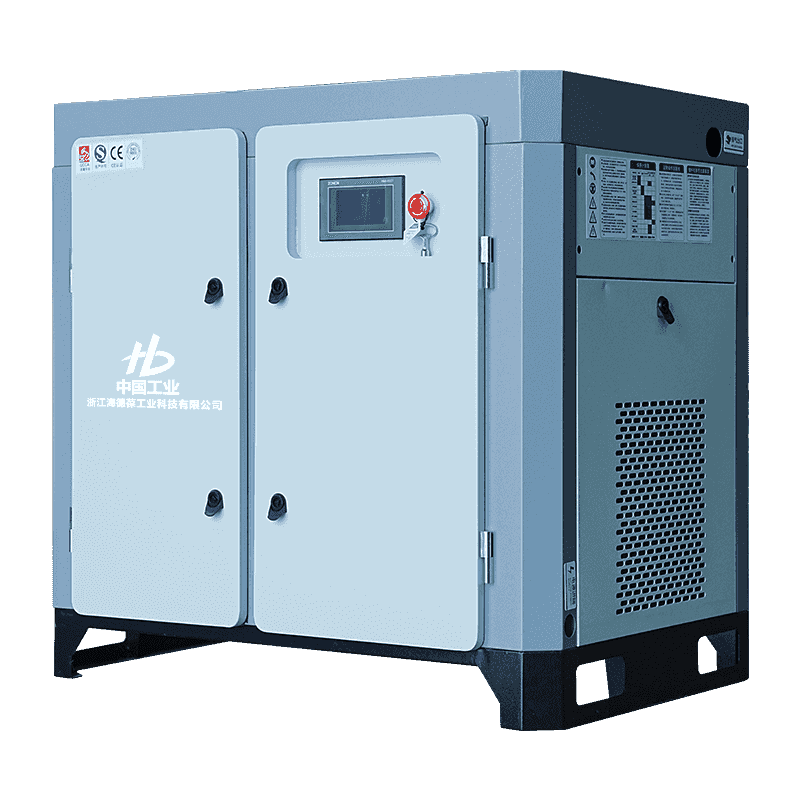
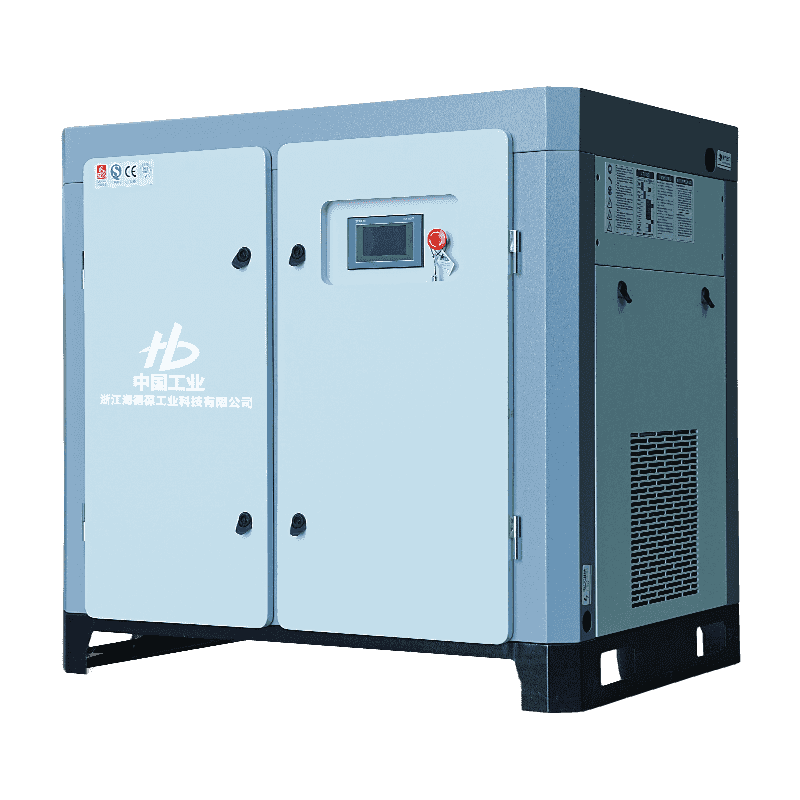
A twin screw single stage compressor operates by compressing air through the meshing action of two parallel rotors within a single compression chamber. Compared with multi-stage systems, this structure is more compact and has fewer internal transitions, which places higher demands on stability and protection during operation. Because compression, heat generation, and discharge all occur within one stage, protection mechanisms are not optional features but integral elements of system design.
In a single stage air compressor, pressure rise and temperature increase happen simultaneously without intermediate cooling stages. This makes the system more sensitive to changes in load, ambient temperature, inlet conditions, and downstream resistance. Without adequate safeguards, abnormal operating conditions can accelerate wear, affect air quality, and increase the likelihood of unplanned shutdowns. Protection mechanisms are therefore designed to detect deviations early and initiate corrective actions.
Overload protection is primarily focused on preventing excessive mechanical and electrical stress on the drive motor and transmission components. In a twin screw single stage compressor, overload conditions can arise from sudden pressure spikes, blocked discharge lines, or incorrect operating parameters. Sensors monitor motor current and torque demand in real time, allowing the control system to reduce load or shut down the compressor before damage accumulates.
Electric motors driving single stage air compressors are equipped with thermal protection devices such as embedded temperature sensors or external thermal relays. These components continuously track winding temperature and electrical load. When thresholds are exceeded, the system can trigger alarms, reduce speed through variable frequency drives, or initiate a controlled stop to avoid insulation degradation and long-term reliability issues.
Overheating is a common risk in single-stage compression due to the concentrated heat generation within one compression cycle. Temperature sensors are typically installed at critical points such as the discharge outlet, oil circuit, and bearing housings. In a micro-oil twin screw single stage compressor, oil temperature is particularly important because oil serves both lubrication and cooling functions. Abnormal temperature rise signals potential issues like insufficient cooling, oil degradation, or airflow restriction.
| Monitored Parameter | Typical Sensor Location | Protection Response |
| Motor temperature | Motor windings | Alarm or shutdown |
| Discharge air temperature | Compressor outlet | Load reduction or stop |
| Oil temperature | Oil circuit | Cooling adjustment |
Pressure-related protection is another critical element. A twin screw single stage compressor operates within a defined pressure range that balances efficiency and mechanical stress. Pressure sensors monitor both internal compression pressure and downstream system pressure. If discharge pressure exceeds set limits due to valve failure or downstream blockage, safety valves and electronic controls act together to relieve pressure and protect the compressor housing and piping.
Modern control systems are designed to identify abnormal operating conditions beyond simple overload or overheating. These conditions include unstable pressure fluctuations, irregular speed variations, and unexpected changes in power consumption. By analyzing trends rather than isolated values, the control logic can distinguish between normal transient behavior and developing faults, improving response accuracy.
In a micro-oil twin screw single stage compressor, oil system protection plays a vital role. Oil pressure sensors ensure that lubrication reaches bearings and rotor surfaces consistently. Low oil pressure or abnormal oil level can lead to increased friction and heat generation. Protective mechanisms may include alarms, interlocks that prevent startup, or automatic shutdown to avoid mechanical damage.
Cooling systems, whether air-cooled or water-cooled, are closely monitored to ensure effective heat removal. Flow sensors, temperature differentials, and fan status indicators provide feedback to the controller. Inadequate cooling performance can trigger warnings or force the compressor to operate at reduced capacity, maintaining safe temperature margins under adverse conditions.
Excessive vibration can indicate rotor imbalance, bearing wear, or misalignment. While not always standard on basic single stage air compressor models, vibration sensors are increasingly used in industrial-grade twin screw systems. These sensors help identify mechanical anomalies early, allowing maintenance teams to address issues before they escalate into severe failures.
Protection mechanisms do not operate independently. They are integrated through a central control system that coordinates sensor inputs and response strategies. Programmable logic controllers or dedicated compressor controllers manage alarm hierarchies, time delays, and shutdown sequences to avoid unnecessary interruptions while still prioritizing safety.
| Protection Type | Primary Function | Typical Action |
| Overload protection | Limit motor stress | Speed reduction |
| Thermal protection | Control overheating | Controlled stop |
| Pressure protection | Prevent overpressure | Relief or shutdown |
Load control strategies such as variable speed operation or inlet modulation work closely with protection mechanisms. By adjusting compressor output in response to demand, the system reduces the likelihood of overload and overheating. This dynamic interaction is especially relevant for twin screw single stage compressor installations with fluctuating air consumption patterns.
The effectiveness of protection mechanisms also depends on how information is presented to operators. Clear alarms, trend displays, and diagnostic messages allow operators to understand abnormal conditions and take corrective actions. Modern interfaces provide real-time visibility into parameters such as temperature, pressure, and load status.
Data collected by protection systems supports preventive maintenance planning. Historical records of temperature excursions, overload events, or pressure anomalies help identify recurring patterns. This information allows maintenance teams to address root causes rather than reacting only to failures, extending service life of the single stage air compressor.
Ambient temperature, humidity, and dust levels influence how protection mechanisms are triggered. Twin screw single stage compressors installed in harsh environments may reach protective limits more frequently if cooling airflow is restricted or inlet air quality is poor. Proper installation and environmental controls complement built-in protection features.
While protection systems are designed to reduce risk, they do not eliminate the need for correct operation and maintenance. Repeated operation near protective thresholds can still accelerate wear. Understanding the boundaries of protection mechanisms helps operators avoid relying on shutdowns as routine control measures.
Protection settings must balance sensitivity with operational continuity. Overly conservative thresholds may lead to frequent interruptions, while lenient settings increase risk. Manufacturers of micro-oil twin screw single stage compressor systems typically calibrate protection parameters based on extensive testing to achieve a practical balance for industrial use.
The presence of overload, overheating, and abnormal condition protection mechanisms is fundamental to the reliable operation of a twin screw single stage compressor. These mechanisms form a layered defense that addresses electrical, thermal, mechanical, and operational risks, enabling the compressor to function safely within its designed operating envelope across a wide range of applications.
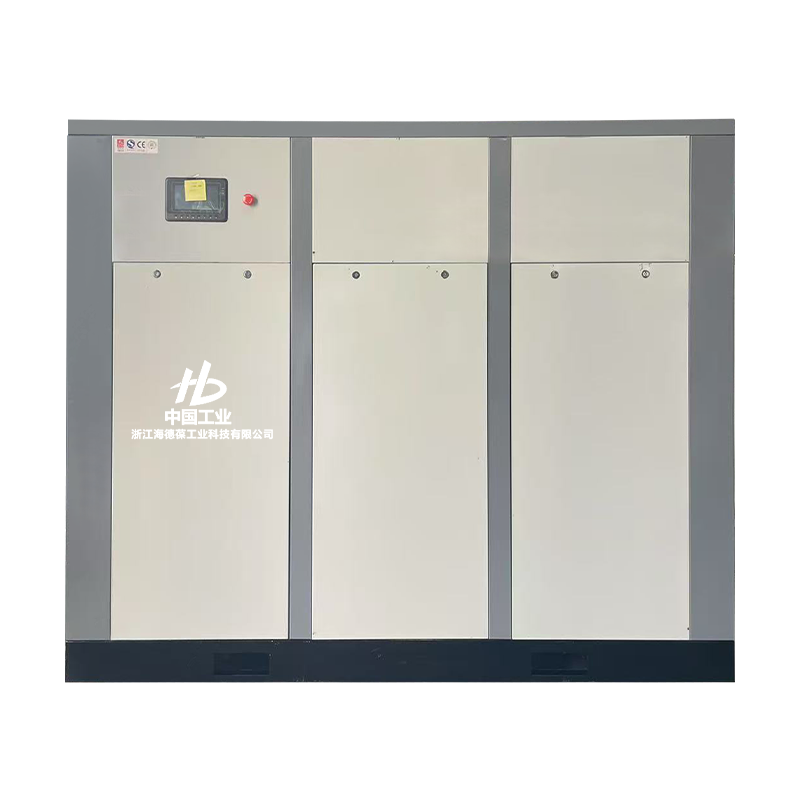
micro-oil screw compressor vs. oil-free screw compressor

Does the micro-oil twin screw air compressor employ an oil-injection cooling and sealing structure?
Your email address will not be published. Required fields are marked *

A dedicated after-sales service department is established, consisting of a professional sales team and skilled technical engineers. They are committed to providing year-round support, traveling to customer locations to deliver prompt and high-quality service.

Tel:86-0570-7221666

E-mail:[email protected]

Add: No.2 Qiming Road, Zhejiang Longyou Economic Development Zone, Mohuan Township, Longyou County, Quzhou City, Zhejiang Province, China
Copyright © Zhejiang Haidebao Industrial Technology Co., Ltd.

Custom Industrial Screw Air Compressor Manufacturers