
 EN
EN  English
 Español
 عربى
عربى
Product Consultation
Your email address will not be published. Required fields are marked *

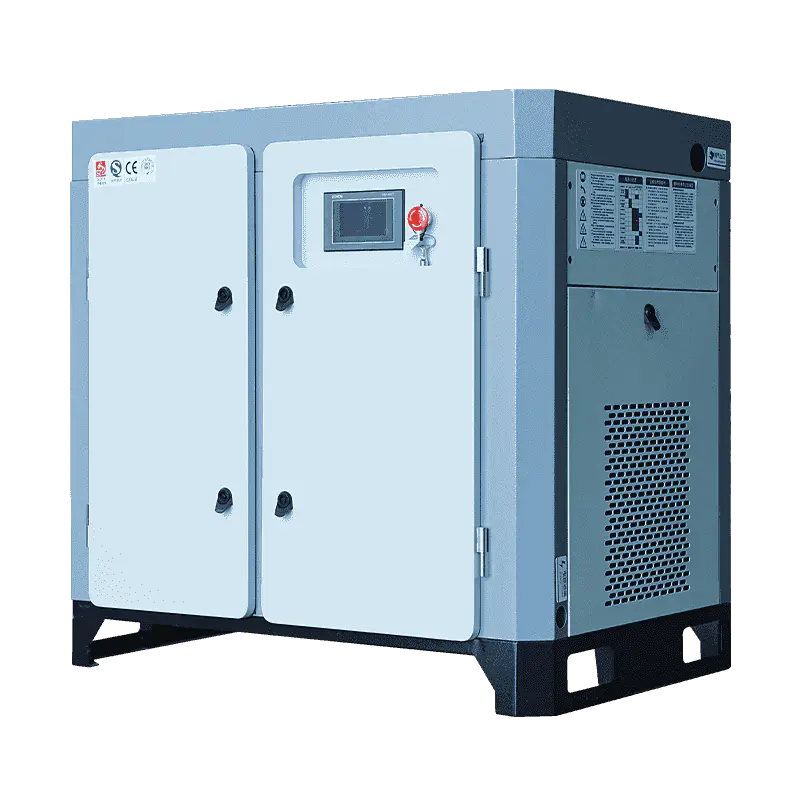
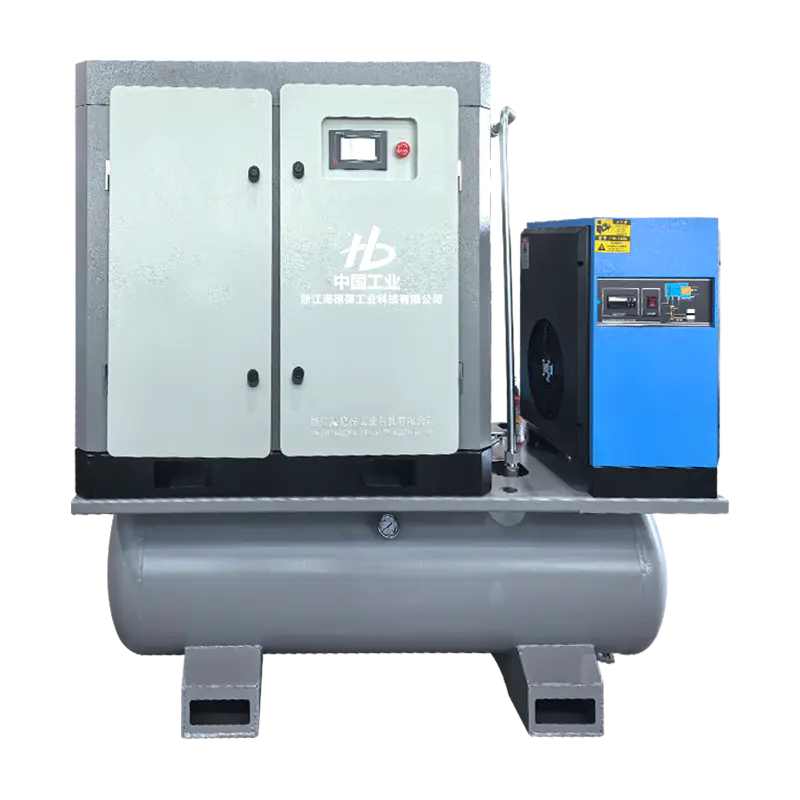
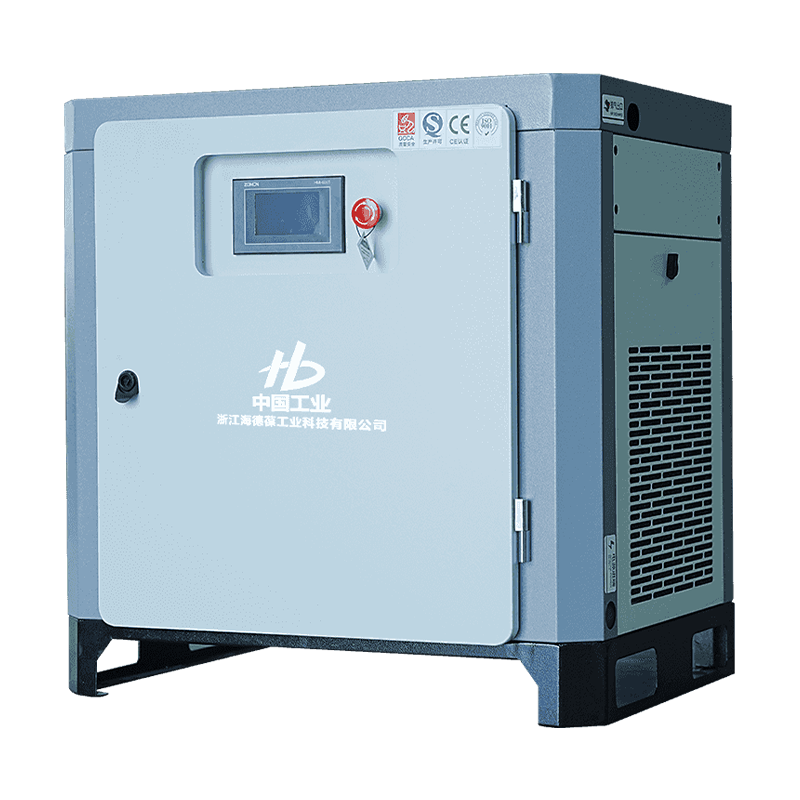
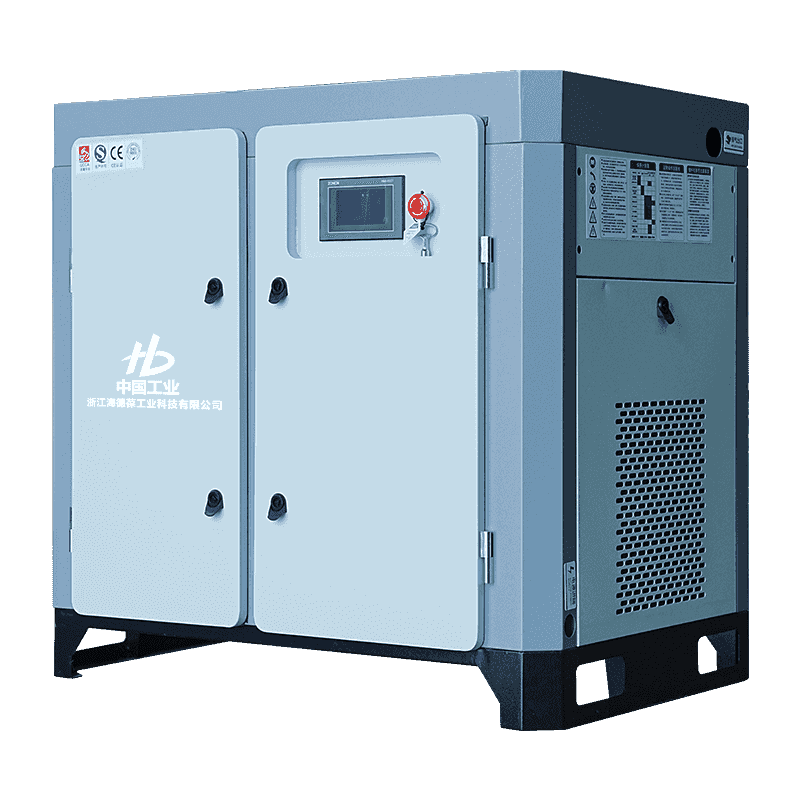
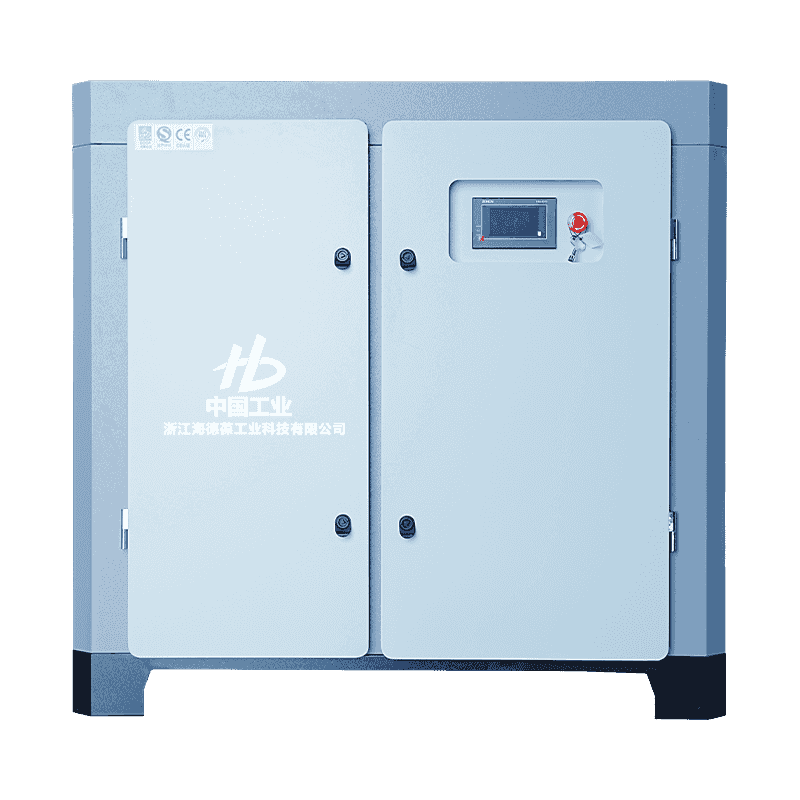
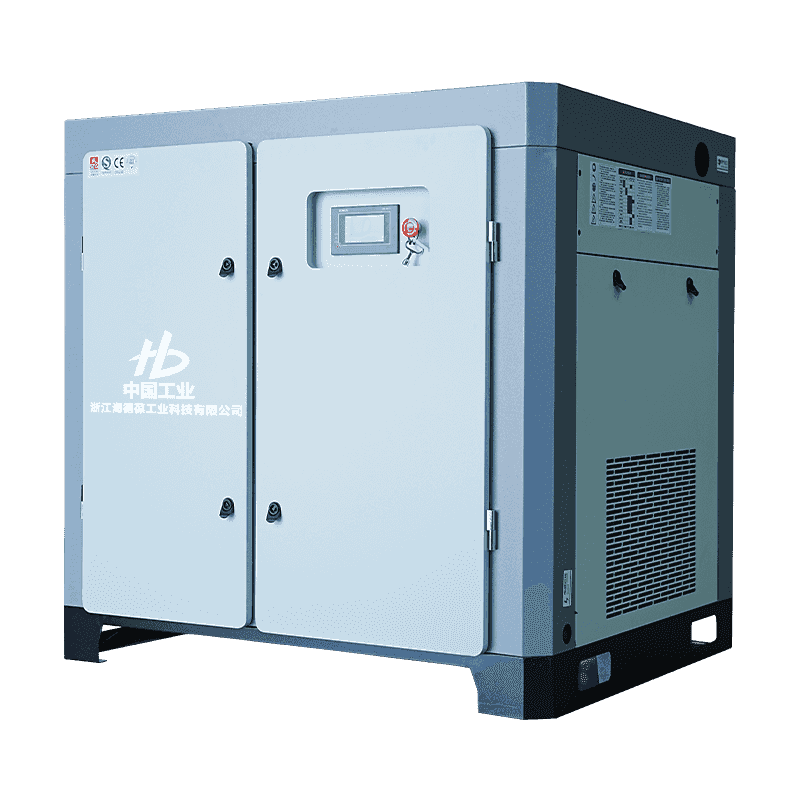
Screw compressors rely on the meshing motion of rotating screw rotors to compress air or gas within a sealed chamber. As the rotors turn, the volume between them gradually decreases, causing pressure to rise before the compressed air is discharged. Both the micro-oil screw compressor and the oil-free screw compressor are based on this same mechanical principle, yet their internal lubrication strategies and system designs lead to very different performance characteristics, maintenance needs, and application suitability.
A micro-oil screw compressor uses a controlled and limited amount of lubricating oil during the compression process. This oil serves multiple functions, including sealing clearances between rotors, reducing friction, and assisting with heat removal. In a micro-oil twin screw air compressor, the oil injection quantity is significantly lower than that of conventional oil-injected systems, aiming to balance lubrication benefits with reduced oil carryover in the compressed air.
An oil-free screw compressor operates without injecting oil into the compression chamber. Rotor surfaces are typically coated with specialized materials, and precise manufacturing tolerances are required to maintain sealing efficiency. The oil-free twin screw air compressor relies on external cooling and advanced rotor profiles to manage heat and maintain performance, resulting in compressed air that contains no oil from the compression stage.
The core distinction between these two compressor types lies in lubrication philosophy. The micro-oil screw compressor accepts the presence of oil as a functional element of compression, while strictly controlling its quantity. The oil-free screw compressor eliminates oil from the compression chamber entirely, shifting the engineering challenge toward material selection, rotor coatings, and thermal management. This fundamental difference shapes many downstream performance and cost considerations.
Air purity is often a deciding factor when choosing between these systems. An oil-free screw compressor is commonly selected for industries where any trace of oil contamination is unacceptable, such as pharmaceuticals, food processing, and electronics manufacturing. A micro-oil twin screw air compressor can achieve low oil content through efficient separation and filtration, making it suitable for many industrial processes where minimal oil presence is tolerable.
Thermal behavior differs notably between the two designs. In a micro-oil screw compressor, injected oil absorbs heat generated during compression and carries it away to the cooling system. This helps maintain stable operating temperatures. In contrast, an oil-free screw compressor must rely on air cooling, water jackets, or external heat exchangers to control temperature, which can lead to higher operating temperatures within the compression chamber.
Rotor design requirements are more demanding for oil-free systems. Because oil is not available to seal gaps or reduce friction, oil-free twin screw air compressors require high-precision machining and advanced surface coatings. Micro-oil twin screw air compressor rotors can tolerate slightly larger clearances due to the sealing effect of oil, which often simplifies manufacturing and reduces sensitivity to minor wear.
Energy efficiency comparisons depend heavily on operating conditions. The micro-oil screw compressor often benefits from improved sealing efficiency provided by oil, which can reduce internal leakage and energy loss. Oil-free screw compressors may experience higher leakage due to the absence of oil sealing, though modern designs aim to offset this through optimized rotor profiles and tight tolerances. Efficiency outcomes vary based on load profiles and system integration.
| Aspect | Micro-Oil Screw Compressor | Oil-Free Screw Compressor |
| Lubrication method | Minimal oil injection | No oil in compression chamber |
| Air purity | Low oil content after filtration | No oil from compression stage |
| Thermal control | Oil-assisted cooling | External cooling systems |
Maintenance practices differ due to system complexity. A micro-oil screw compressor requires routine oil changes, filter replacements, and separator maintenance to ensure consistent air quality. Oil-free screw compressors eliminate oil-related service tasks but introduce other maintenance needs, such as monitoring rotor coatings, seals, and cooling systems. The type and frequency of service depend on operating hours and environmental conditions.
Micro-oil systems include oil separation units, filters, and oil circuits, adding components that must be monitored and maintained. Oil-free screw compressors often require more advanced cooling arrangements, such as water-cooled housings or multi-stage compression with intercoolers. While the absence of oil simplifies some aspects, it can increase overall system complexity in other areas.
Initial purchase cost is often higher for oil-free screw compressors due to precision manufacturing and specialized materials. Micro-oil screw compressors typically have a lower upfront cost but may incur ongoing expenses related to oil management. Lifecycle cost analysis should consider energy consumption, maintenance frequency, downtime risk, and air treatment requirements rather than focusing solely on acquisition price.
Operating stability under fluctuating loads is another point of comparison. Micro-oil twin screw air compressors often handle load variations smoothly due to oil’s sealing and cooling effects. Oil-free twin screw air compressors can perform reliably as well, but may be more sensitive to changes in ambient temperature, inlet air quality, and operating pressure, requiring careful system tuning.
Noise and vibration levels are influenced by internal damping and mechanical clearances. The presence of oil in a micro-oil screw compressor can provide a damping effect that reduces mechanical noise. Oil-free screw compressors may rely more on structural design and insulation to manage sound levels, which can affect installation planning in noise-sensitive environments.
Environmental considerations extend beyond air purity. Oil-free screw compressors eliminate the need for oil disposal and reduce the risk of oil leaks, which can be attractive in environmentally regulated settings. Micro-oil screw compressors use smaller oil volumes than traditional systems, lowering waste generation while still benefiting from lubrication efficiency. Both approaches can be integrated into energy recovery systems to improve overall sustainability.
| Factor | Micro-Oil System | Oil-Free System |
| Upfront cost | Moderate | Higher |
| Oil management | Required | Not required |
| Maintenance focus | Oil and filters | Coatings and cooling |
Industry application plays a central role in compressor selection. Manufacturing plants, automotive workshops, and general industrial facilities often find micro-oil screw compressors suitable due to balanced cost and performance. Industries with strict contamination controls may favor oil-free screw compressors despite higher investment, valuing air cleanliness and process integrity.
Both compressor types require downstream air treatment, but the emphasis differs. Micro-oil screw compressors depend heavily on oil separators and filters to achieve desired air quality levels. Oil-free screw compressors may still require filtration for particulates and moisture, though oil removal stages are not part of the primary air quality strategy.
When planning for future capacity expansion, scalability matters. Micro-oil twin screw air compressors are available in a wide range of capacities and can often be integrated into existing systems with minimal modification. Oil-free twin screw air compressors may require more careful planning to ensure cooling and power infrastructure can support additional units.
Operational risk assessment highlights different vulnerabilities. In micro-oil systems, oil contamination risks are managed through maintenance discipline. In oil-free systems, risks relate more to thermal stress and coating degradation. Understanding these risk profiles helps operators align compressor choice with their tolerance for downtime and process sensitivity.
Choosing between a micro-oil screw compressor and an oil-free screw compressor involves evaluating air quality requirements, budget constraints, maintenance capabilities, and long-term operational goals. The comparison between micro-oil twin screw air compressor designs and oil-free twin screw air compressor solutions reflects broader trade-offs between lubrication-assisted efficiency and oil-free purity, each offering distinct advantages depending on application context.
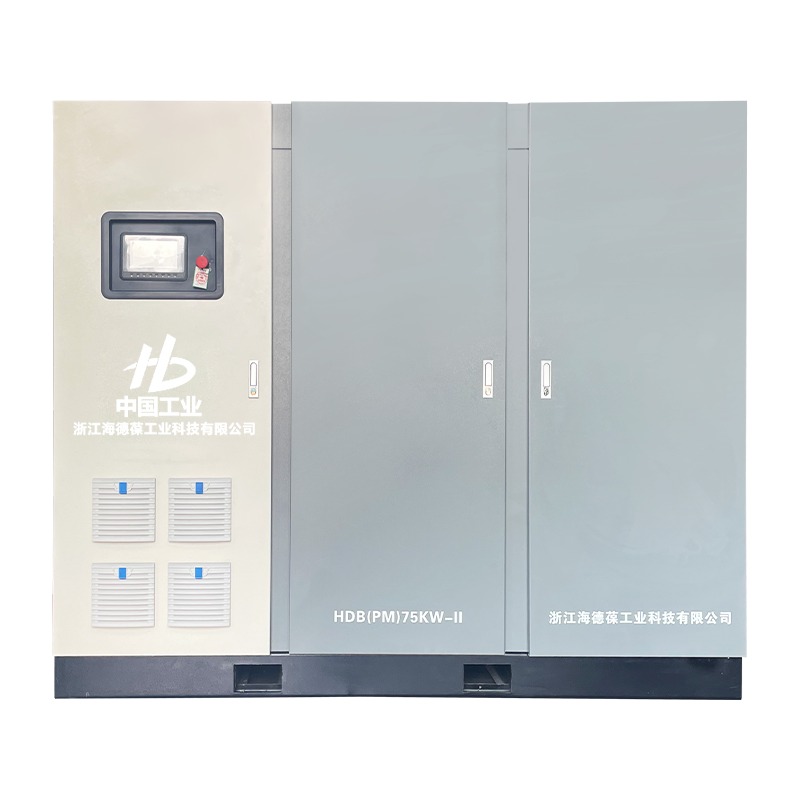
What are the main functions of a micro-oil screw compressor during the compression process?

Does the twin-screw single-stage compressor have protection mechanisms against overload, overheating, or abnormal operating conditions?
Your email address will not be published. Required fields are marked *

A dedicated after-sales service department is established, consisting of a professional sales team and skilled technical engineers. They are committed to providing year-round support, traveling to customer locations to deliver prompt and high-quality service.

Tel:86-0570-7221666

E-mail:[email protected]

Add: No.2 Qiming Road, Zhejiang Longyou Economic Development Zone, Mohuan Township, Longyou County, Quzhou City, Zhejiang Province, China
Copyright © Zhejiang Haidebao Industrial Technology Co., Ltd.

Custom Industrial Screw Air Compressor Manufacturers