
 EN
EN  English
 Español
 عربى
عربى
Product Consultation
Your email address will not be published. Required fields are marked *

If you are comparing industrial air compressors, you have probably noticed three labels across supplier catalogs: oil-flooded, micro-oil, and oil-free. The names look similar, but each represents a different trade-off between air purity, mechanical reliability, and lifetime cost. This guide explains what the middle option is, how it works, and when it is the right purchase for your facility.
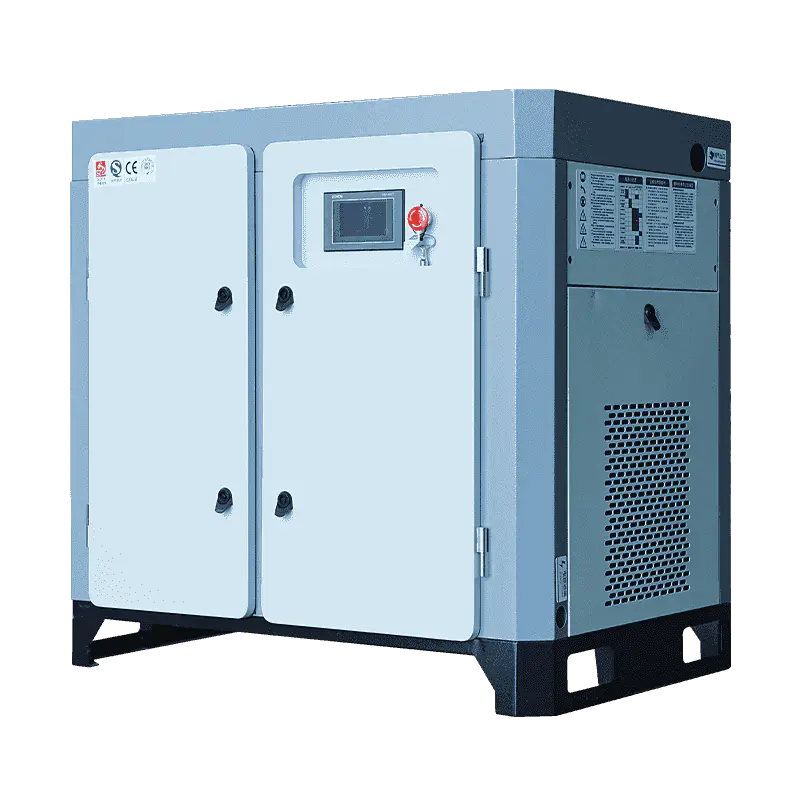
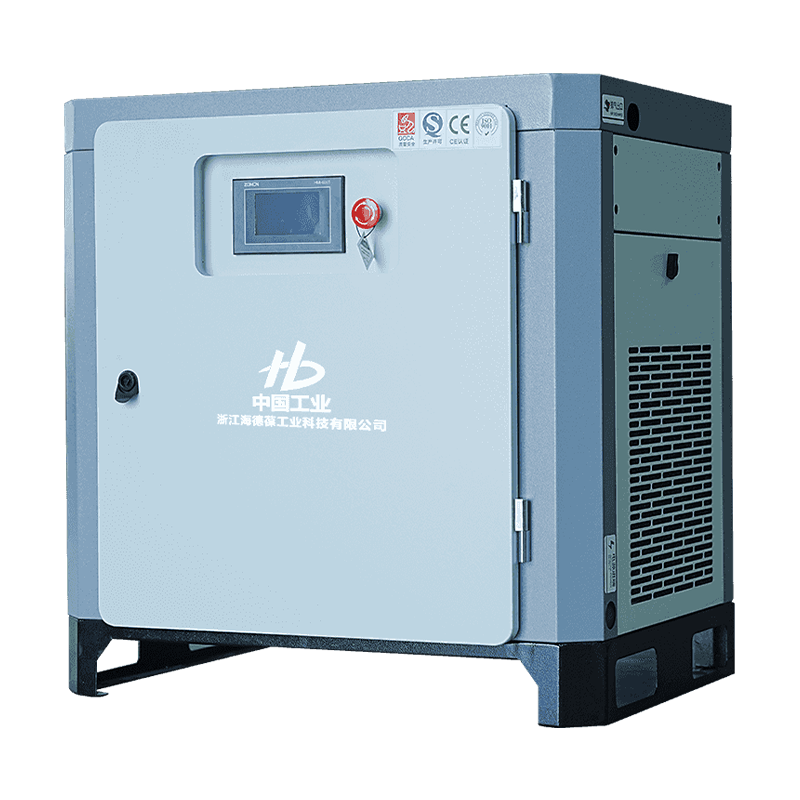
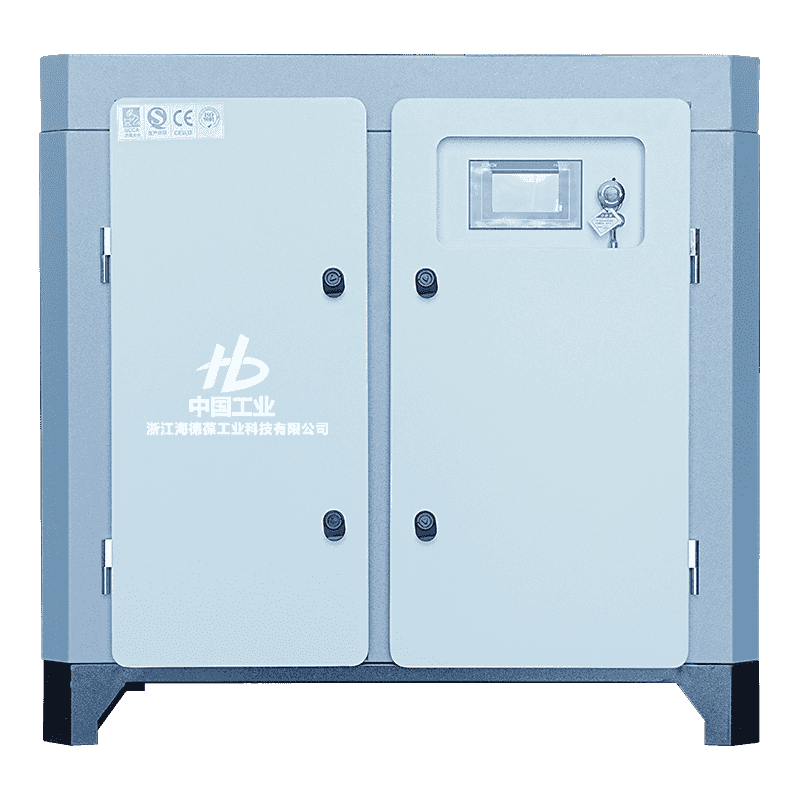
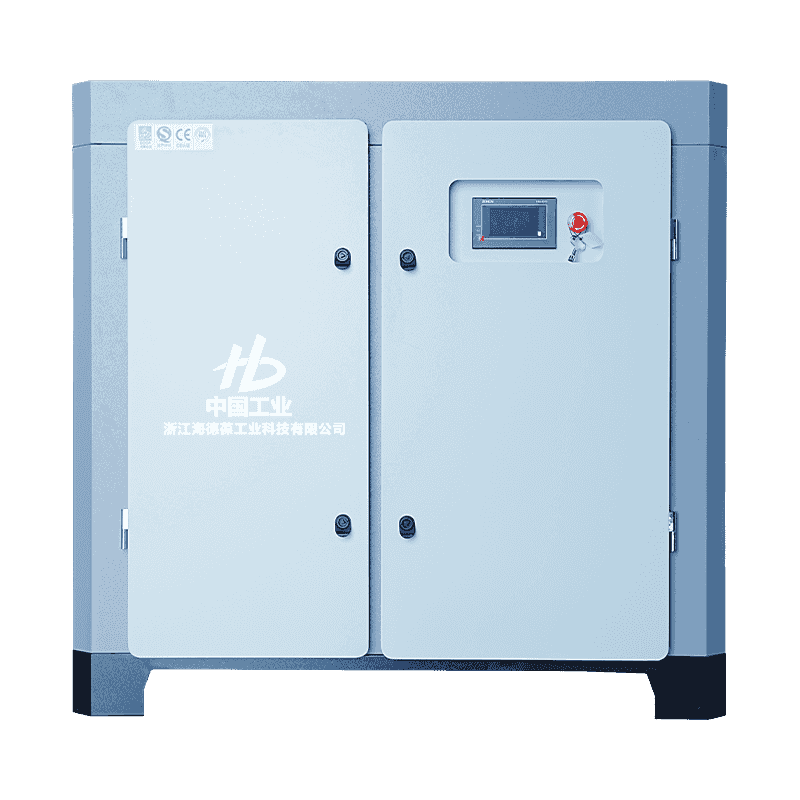
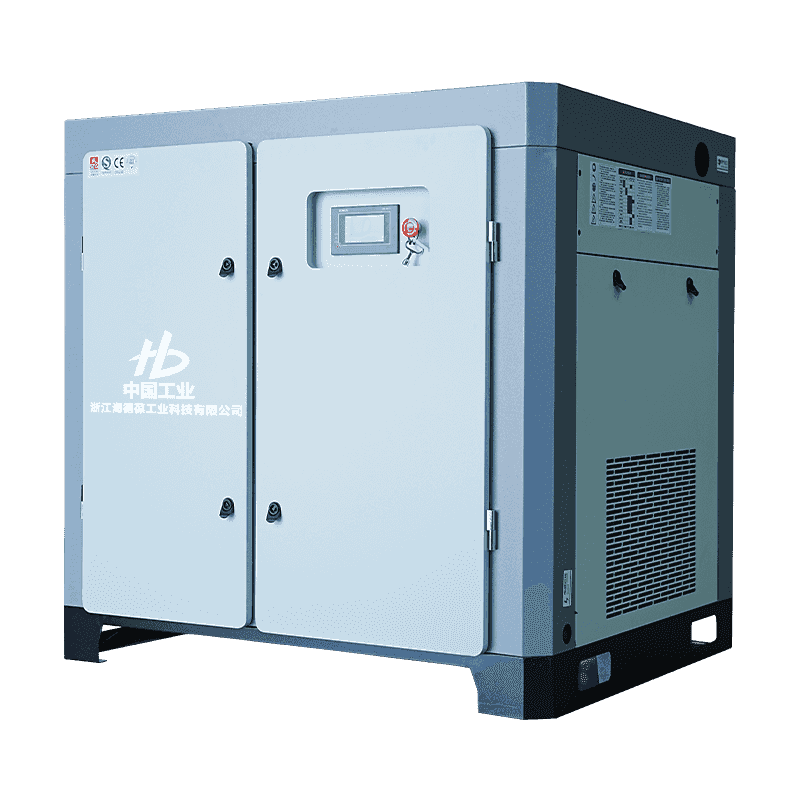
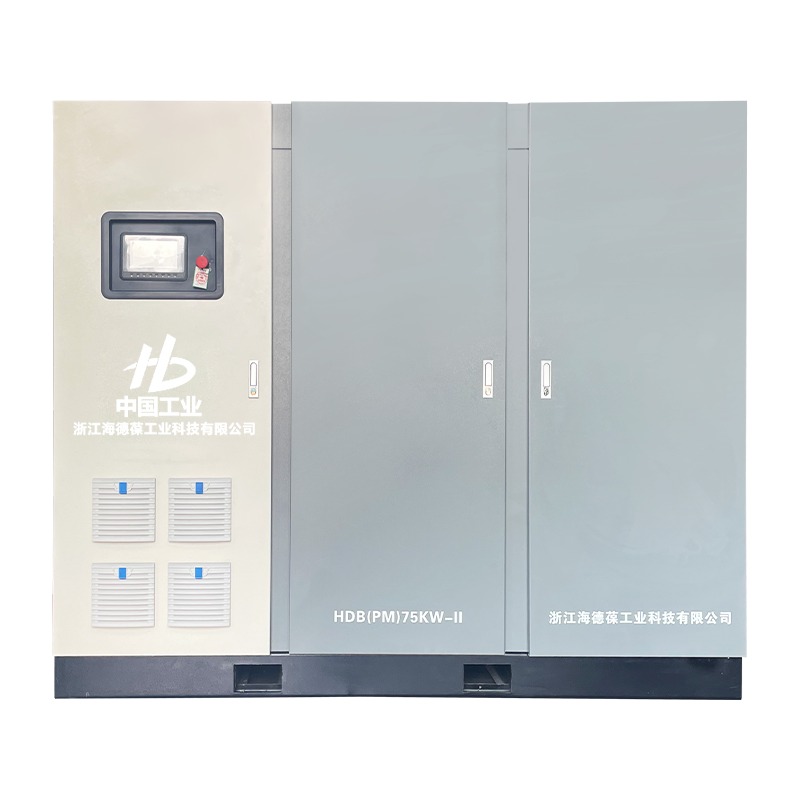
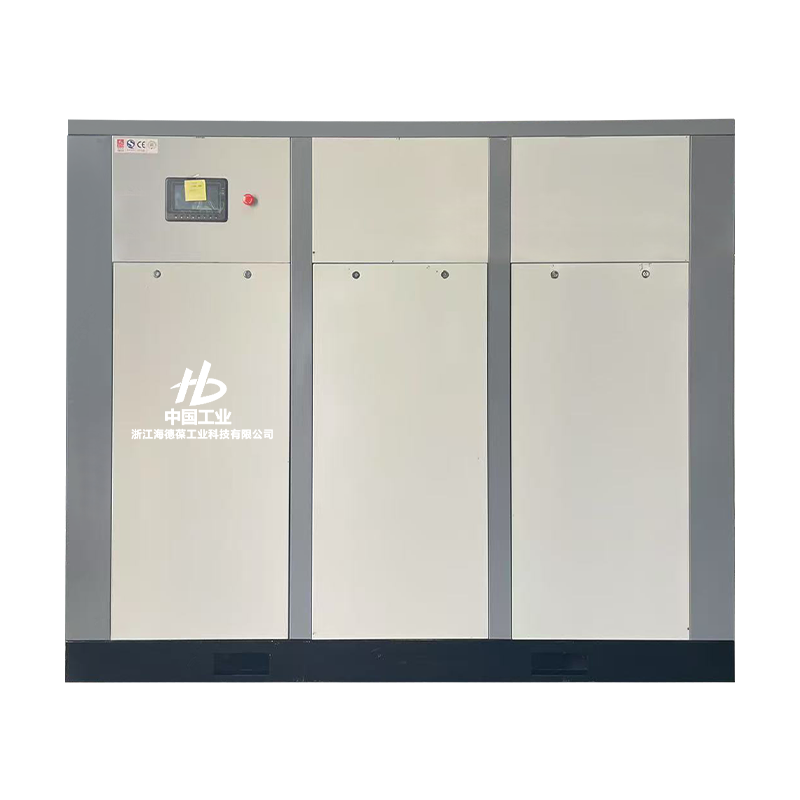
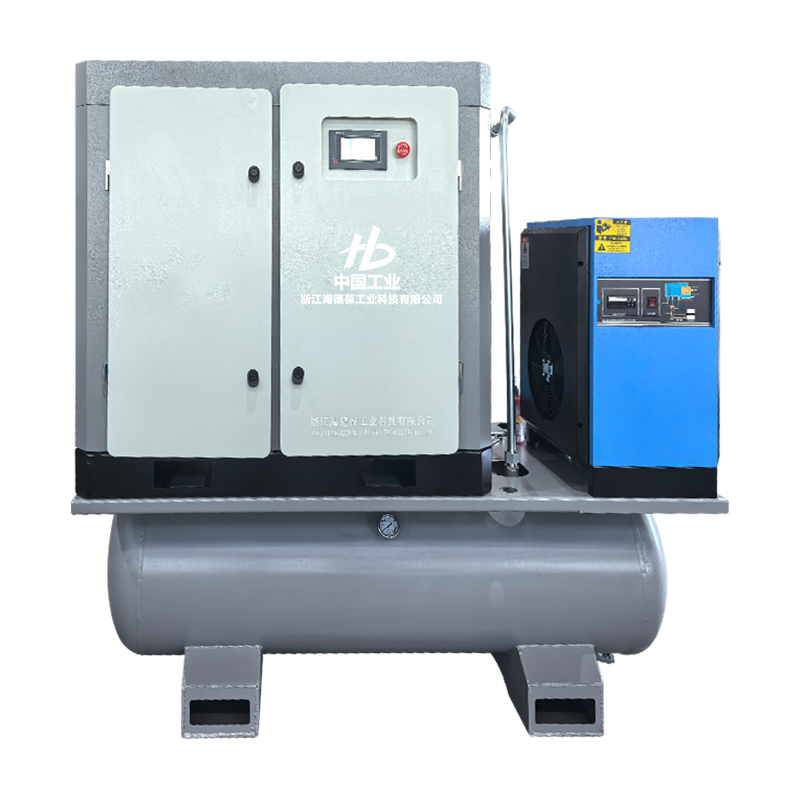
A micro-oil screw air compressor is a rotary screw compressor that injects a small, controlled amount of lubricating oil into the compression chamber. The oil performs three jobs: it seals the clearance between the rotors, lubricates the moving parts, and absorbs heat generated during compression. The micro-oil label means the oil volume is deliberately kept low compared with conventional oil-flooded machines. It does not mean oil-free; the compressed air still contains trace oil, and processes that need very clean air remove it with downstream filtration.
In short, micro-oil sits between full oil lubrication and oil-free construction: it keeps the proven reliability of a lubricated screw element while producing cleaner air than a standard oil-flooded unit and costing far less than a true oil-free machine.
Compression follows three steps. Air is drawn through an intake filter into the space between the male and female rotors. As the rotors turn, the volume between the lobes shrinks and the pressure rises. The compressed air is then discharged into an oil separator, where most of the oil is removed before the air leaves the unit.
Oil is injected during compression, and its role is often underestimated. It forms a thin sealing film between the rotor tips and the housing, preventing high-pressure air from leaking back toward the intake. That film is what makes screw compression efficient in the first place. The oil also lubricates the bearings and the gear train, and it absorbs the heat of compression, keeping discharge temperatures low enough to protect the air end. Because it dampens vibration and noise, a micro-oil unit is also quieter in daily operation than a comparable oil-free design.
All three designs use the same screw compression principle, but the amount of oil in the compression chamber changes the machine's behavior and its output quality.
| Design | Oil in the compression chamber | Oil carryover in discharge air | Maintenance profile |
|---|---|---|---|
| Oil-flooded | Full oil injection | Higher; needs robust separation and filtration | Regular oil, oil filter, and separator element changes |
| Micro-oil | Small, controlled oil volume | Trace amounts that can be filtered downstream | Same scheduled services with lower oil consumption |
| Oil-free | None, by design | No oil added by the compression process | Specialized air-end maintenance; fewer oil-related consumables |
Micro-oil machines are not clean in the oil-free sense, but for most general industrial systems the trace oil is easily handled by downstream filtration. For a deeper look at the trade-offs, see our detailed micro-oil vs. oil-free comparison.
There is no universal winner between micro-oil and oil-free. The right answer depends on the air quality your process needs, the budget you have today, and the maintenance capability your team can sustain.
Industries where compressed air contacts the product directly — food and beverage, pharmaceuticals, electronics assembly, and some coating processes — typically specify oil-free air or high-grade filtration. In those cases, the risk of trace oil contamination is not worth taking.
General manufacturing is different. Pneumatic tools, blow-off, conveying, packaging, and most workshop air systems tolerate small amounts of oil because the air does not touch the final product. After a micro-oil compressor, a refrigerated dryer and a coalescing filter bring the oil content within the limits that most industrial requirements set. Choosing micro-oil in these applications reduces the initial investment substantially without hurting product quality.
Purchase price is only one line in the ledger. A long-term comparison should include acquisition cost, energy consumption, routine maintenance, and spare parts or consumables.
| Cost factor | Micro-oil | Oil-free |
|---|---|---|
| Initial purchase | Lower, especially from 10hp upward | Higher, due to specialized components and coatings |
| Energy use | Depends on specific power and control method | Comparable; efficiency varies by model |
| Routine maintenance | Oil, oil filter, and separator element on a schedule | Fewer oil-related changes, but air-end service is more specialized |
| Spare parts and consumables | Widely available and relatively affordable | Often model-specific and more expensive |
Micro-oil typically wins the total cost comparison for typical plant duty of 2,000 to 6,000 hours per year, especially at lower power levels. Oil-free becomes attractive only when the application truly demands zero oil in the air stream, because the premium price is justified by the cleanliness requirement rather than by lower operating costs.
Once you have settled on micro-oil technology, the next decision is single-stage versus two-stage. A single-stage compressor compresses the air once in one rotor set. A two-stage machine compresses the air, cools it in an intercooler, and compresses it again in a second stage. Cooling between stages reduces the work required for the second compression, which is why two-stage units are more efficient at higher pressures.
The micro-oil product range reflects this split. Single-stage models cover 10hp, 20hp, 30hp, 50hp, and 75hp; two-stage models are offered at 100hp and 120hp. That is not a coincidence. At lower power and typical shop pressures, the simpler single-stage layout delivers the best value. If you need a specific power range, view single-stage micro-oil compressor specifications to see the available options.
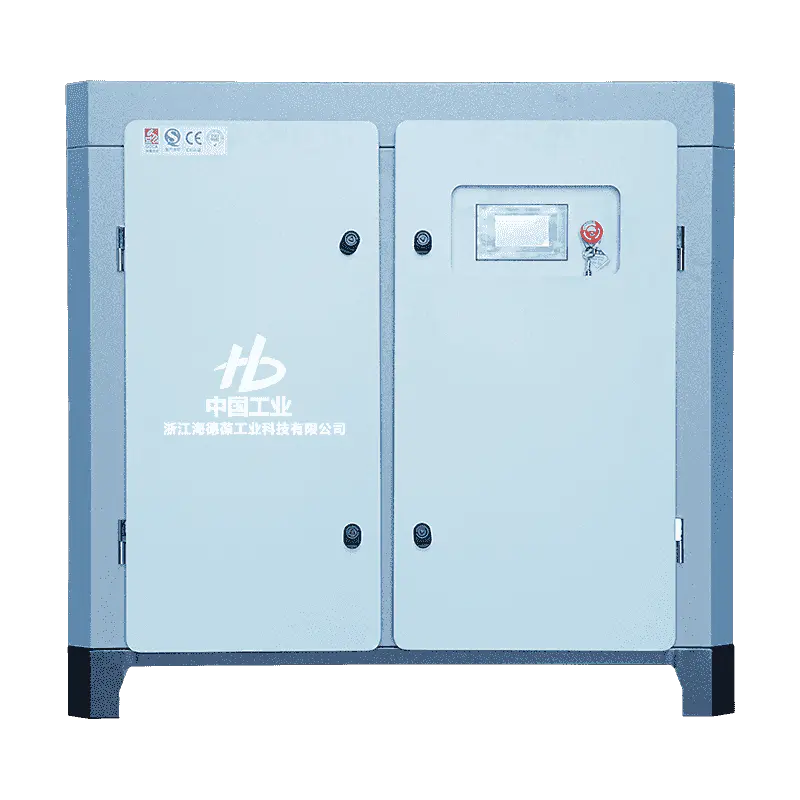
 Micro-oil Twin Screw Single Stage Air Compressor ManufacturersAs China twin screw single stage compressor manufacturers and suppliers, Haidebao provides custom micro-oil twin screw single stage compr...View Product →
Working pressure is the main guide. Most pneumatic tools, blow guns, and general workshop equipment run at 7 to 8 bar. At that pressure, a single-stage machine is usually the most economical choice because it is simpler, smaller, and cheaper to maintain. When the process requires sustained operation at 10 bar or above, for example in molding, conveying, or high-pressure cleaning systems, the two-stage design becomes more efficient, and the energy savings can justify the higher initial cost.
Duty cycle matters too. If the plant runs one shift with long idle periods, a fixed-speed single-stage unit may be enough. If compressors run continuously or across multiple shifts, the efficiency differences multiply, and a two-stage layout becomes a stronger candidate. For the larger power band, check two-stage micro-oil compressor models and compare their specifications against your pressure and flow demand.
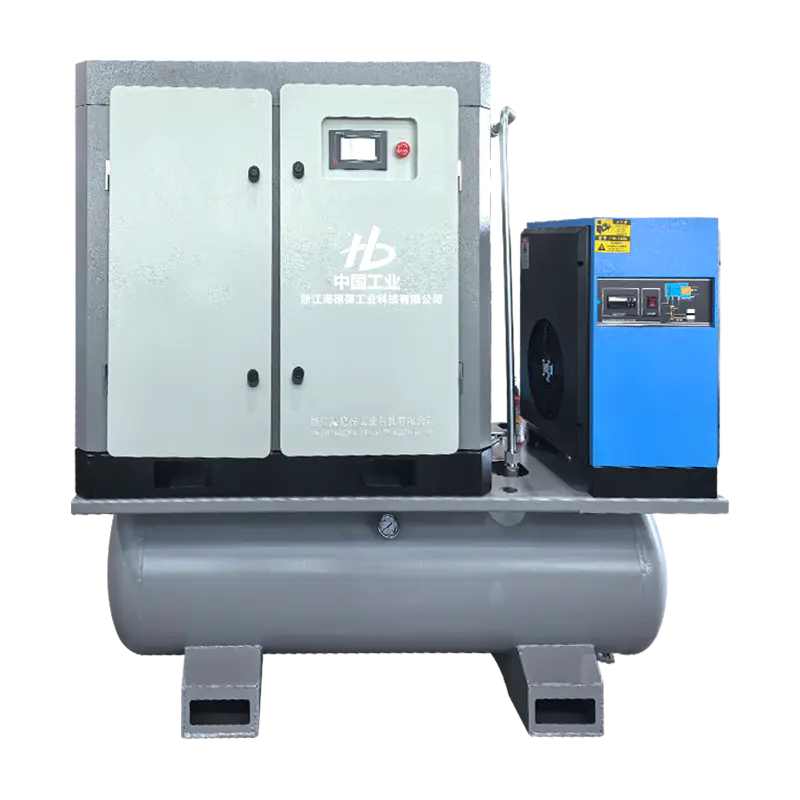
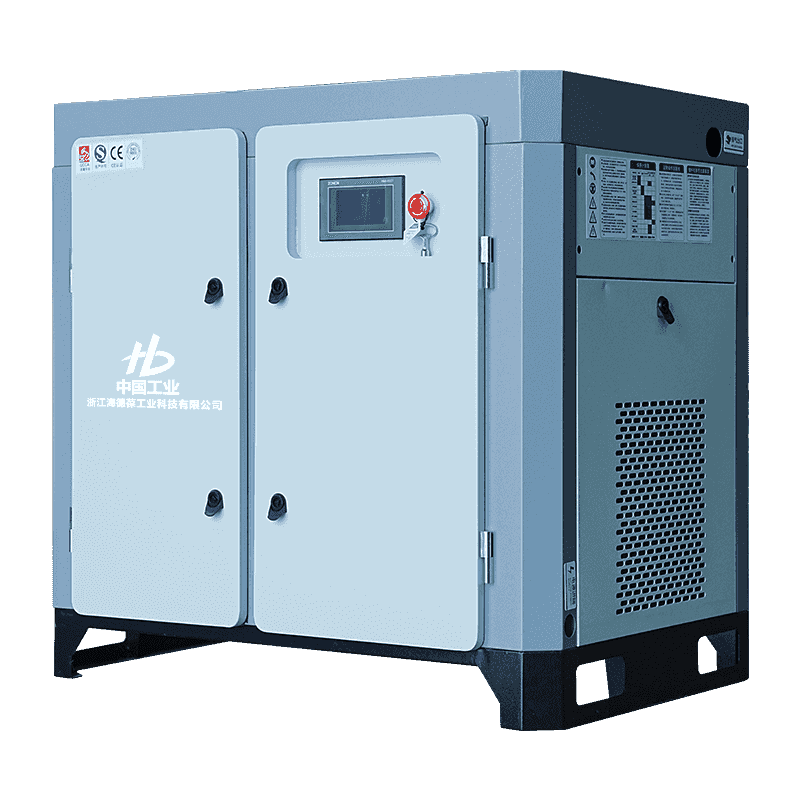
Micro-oil Twin Screw Two Stage Air Compressor ManufacturersAs China two stage air compressor manufacturers and screw two stage compressor suppliers, Haidebao provides custom micro-oil twin screw t...View Product →Selection should follow a fixed order: calculate air demand, set working pressure, match motor power, and only then compare efficiency and control features. Jumping straight to horsepower is the most common mistake we see in plant purchasing.
Start with total air consumption. Add the average flow of every tool, machine, and process that uses compressed air, then apply a utilization factor. The result gives the required flow in cubic meters per minute. Next, define the maximum pressure the system needs at the most demanding point in the network. Only then choose a motor power that delivers that flow at that pressure without running the compressor at its limit all day.
Horsepower alone does not tell you how efficient a compressor is. When comparing quotes, ask for the full technical sheet and focus on four items.
Do not rely on brochure claims alone. Ask for a published performance curve or an independent test report, and compare machines under the same reference conditions.
Certifications give a fast quality baseline. CE marking indicates compliance with European Union regulatory requirements, while ISO 9001 certification signals that the factory operates a controlled quality management system. The manufacturer behind aircompressorfactory.net, for example, lists ISO 9001 and CE among its published qualifications.
After-sales support matters more than most buyers expect. A compressor failure can stop a production line, so ask about spare parts availability, response time, and on-site service availability. The supplier's published commitment to year-round technical support and on-site service is a reasonable starting point, but build the actual expectations into your purchase agreement.
Micro-oil screw compressors are not a stagnant category. Three trends are shaping the machines delivered over the next few years, and each one improves the business case for a well-chosen unit.
None of these trends changes the fundamental selection logic. They simply raise the performance you can expect from a new machine, and they make energy efficiency and serviceability even more important in the purchase decision.
For most general industrial applications, a micro-oil screw air compressor offers the best balance of reliability, air quality, and cost. The injected oil seals the rotors, lubricates the air end, and controls compression heat, which is why micro-oil machines deliver consistent efficiency at a purchase price far below oil-free alternatives.
Before you buy, define your actual air demand, confirm your working pressure, and compare specific power, residual oil content, noise, and control features across shortlisted models. Check the certifications behind the manufacturer, and confirm that spare parts and service support will be available for the life of the machine. If you are ready to compare concrete specifications, explore the full micro-oil screw compressor lineup and match a model to your numbers.
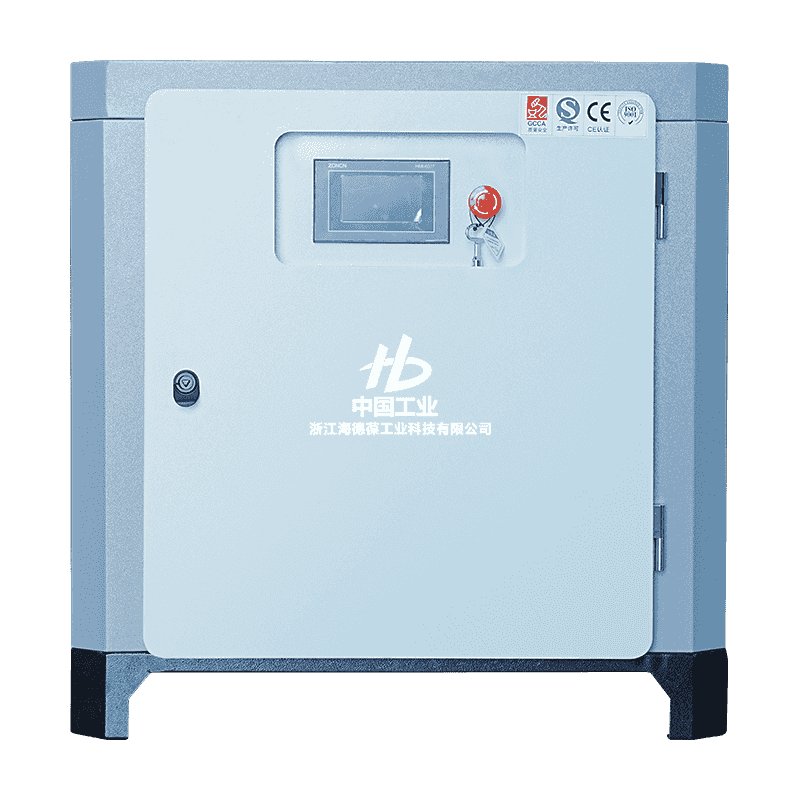
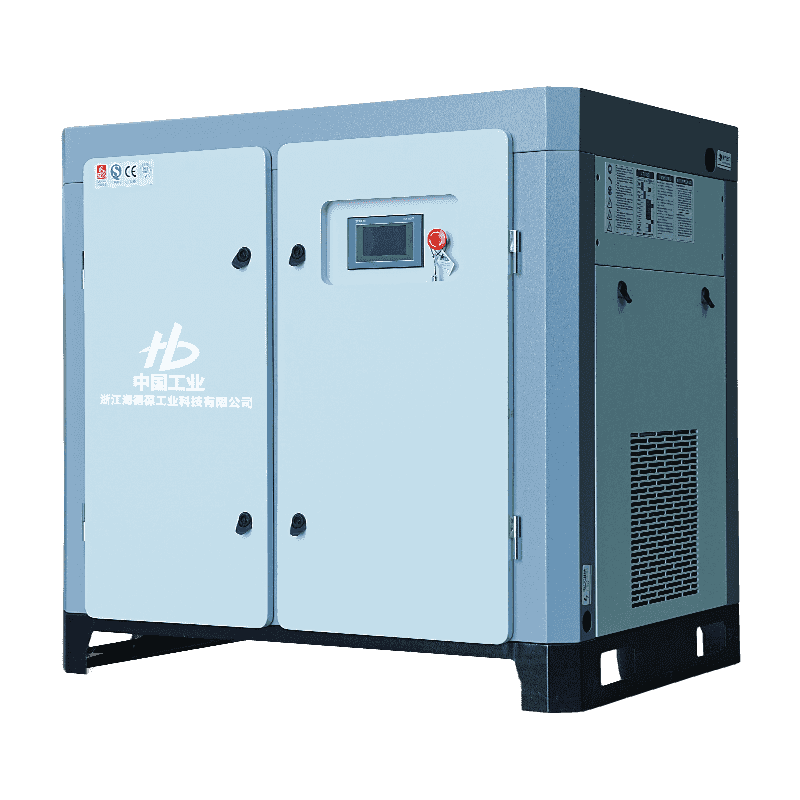
Micro-oil Twin Screw Air Compressor Factory, ManufacturersHaidebao is China twin screw air compressor factory and micro-oil screw compressor manufacturers, offer OEM/ODM micro-oil twin screw air ...View Product →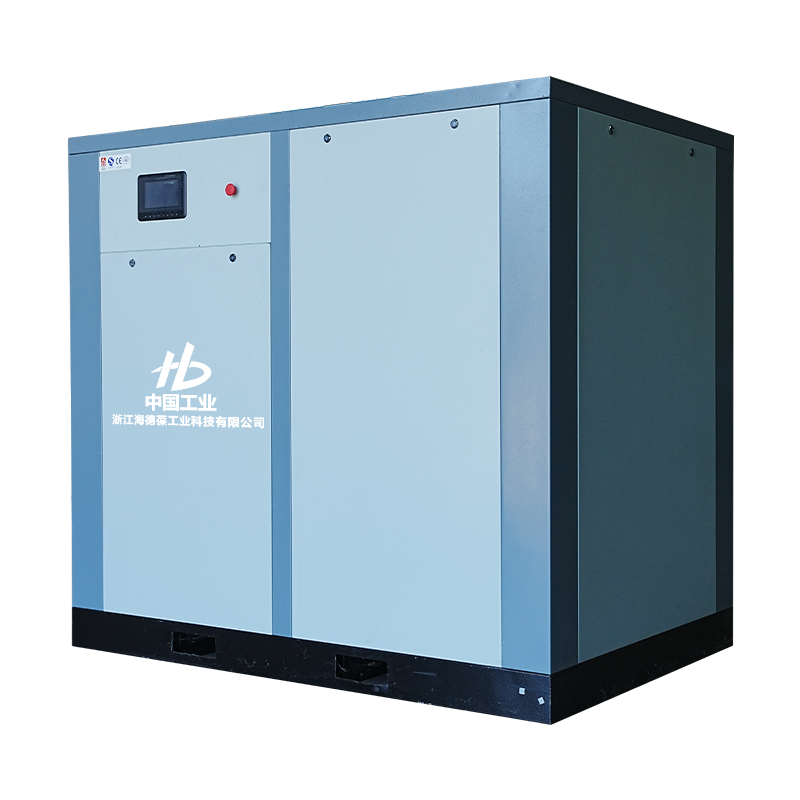
Twin Screw Air Compressor: A Complete Technical and Selection Guide for Industrial Buyers

Single Stage Air Compressor Buying Guide | Types, Pros & Cons
Your email address will not be published. Required fields are marked *

A dedicated after-sales service department is established, consisting of a professional sales team and skilled technical engineers. They are committed to providing year-round support, traveling to customer locations to deliver prompt and high-quality service.

Tel:86-0570-7221666

E-mail:[email protected]

Add: No.2 Qiming Road, Zhejiang Longyou Economic Development Zone, Mohuan Township, Longyou County, Quzhou City, Zhejiang Province, China
Copyright © Zhejiang Haidebao Industrial Technology Co., Ltd.

Custom Industrial Screw Air Compressor Manufacturers