 EN
EN  English
 Español
 عربى
عربى

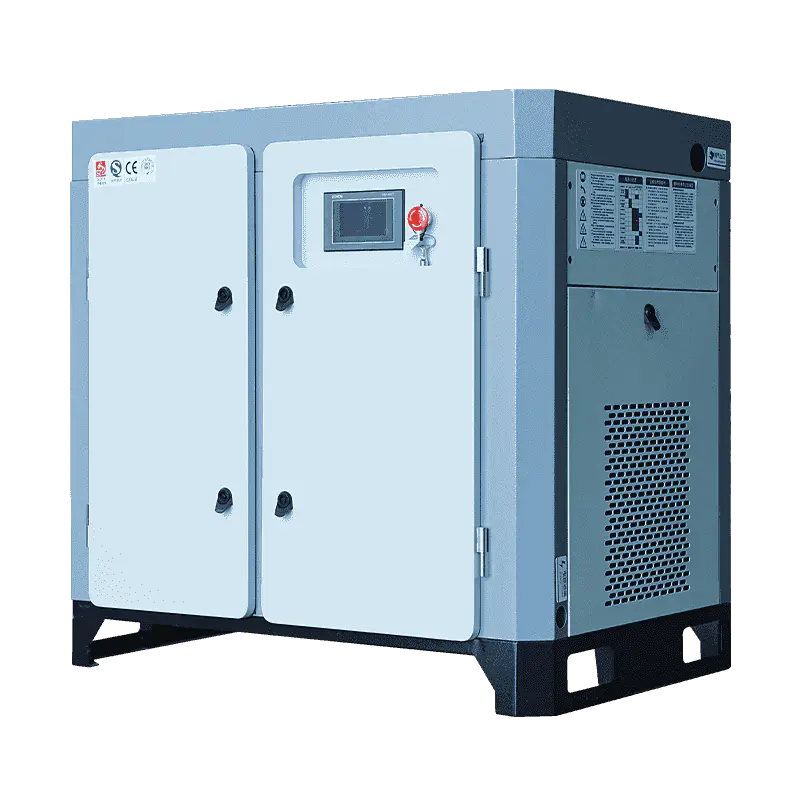
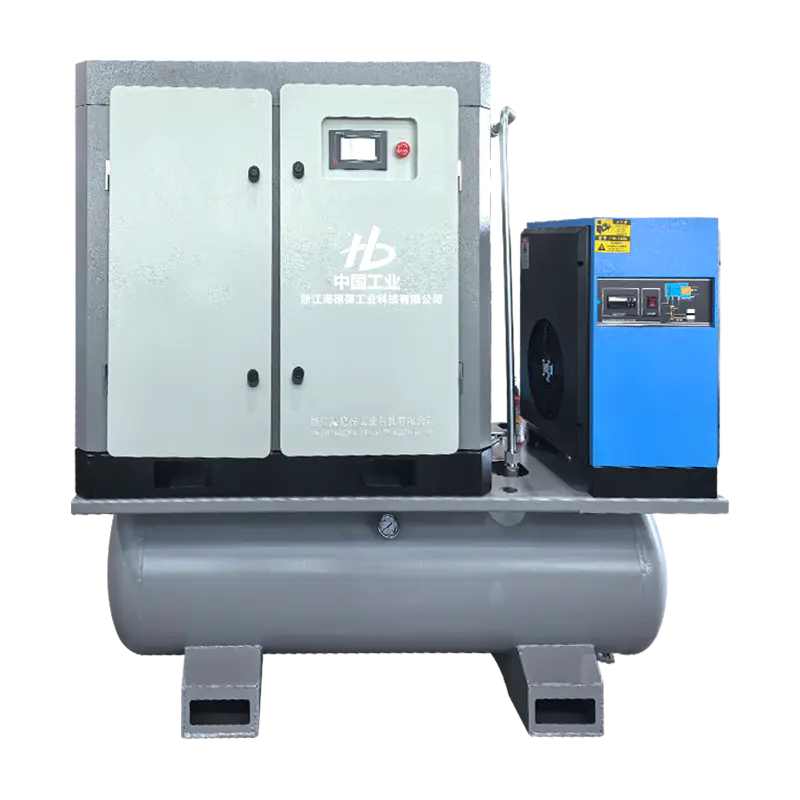
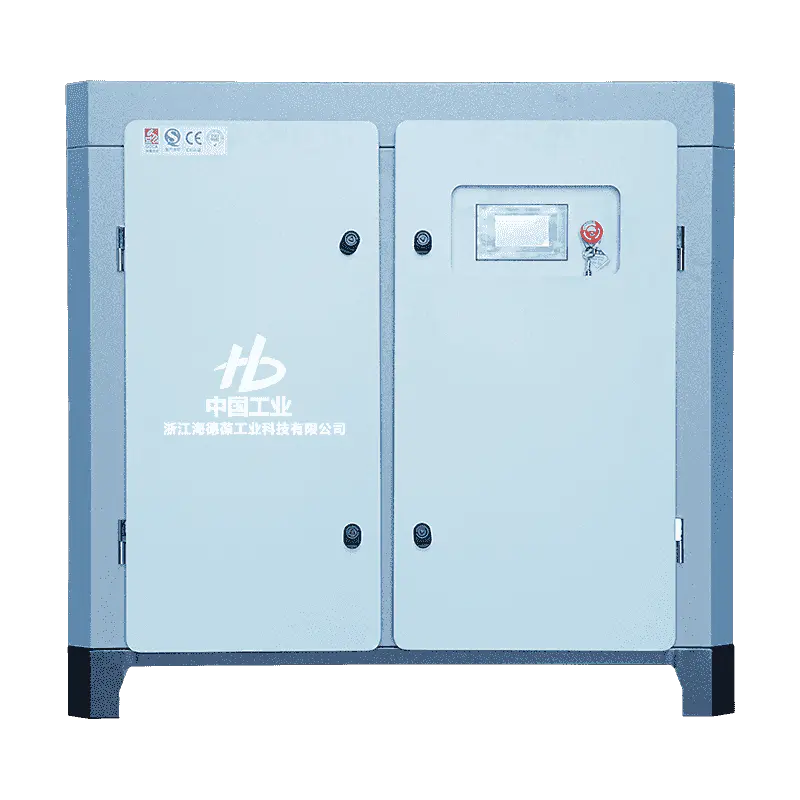
Understanding the Twin Screw Air Compressor: Design and Operating Principles
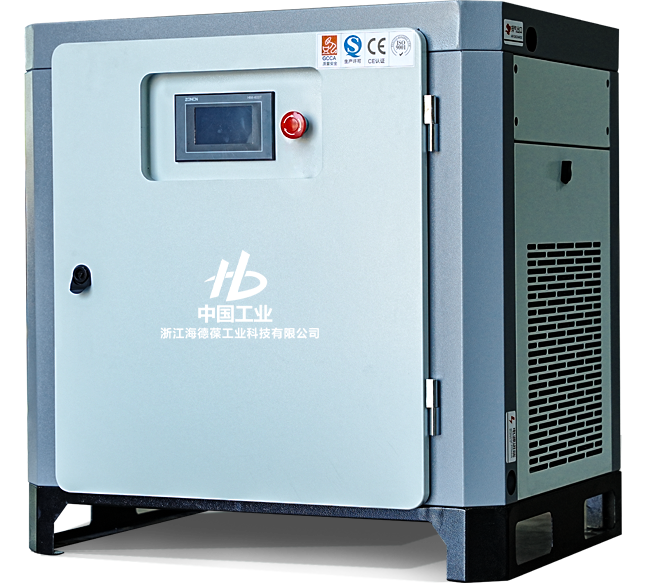
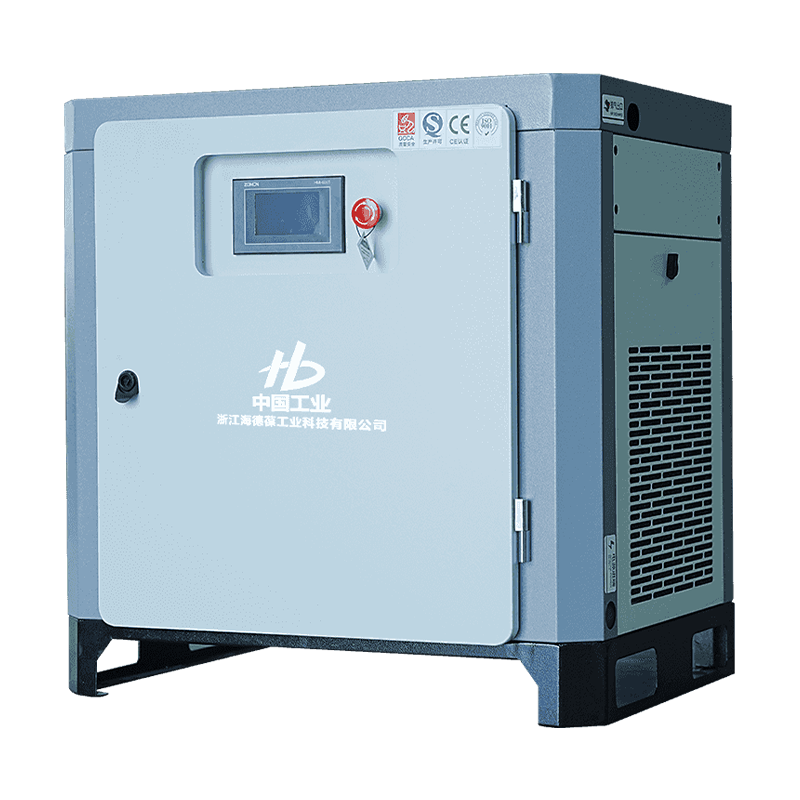
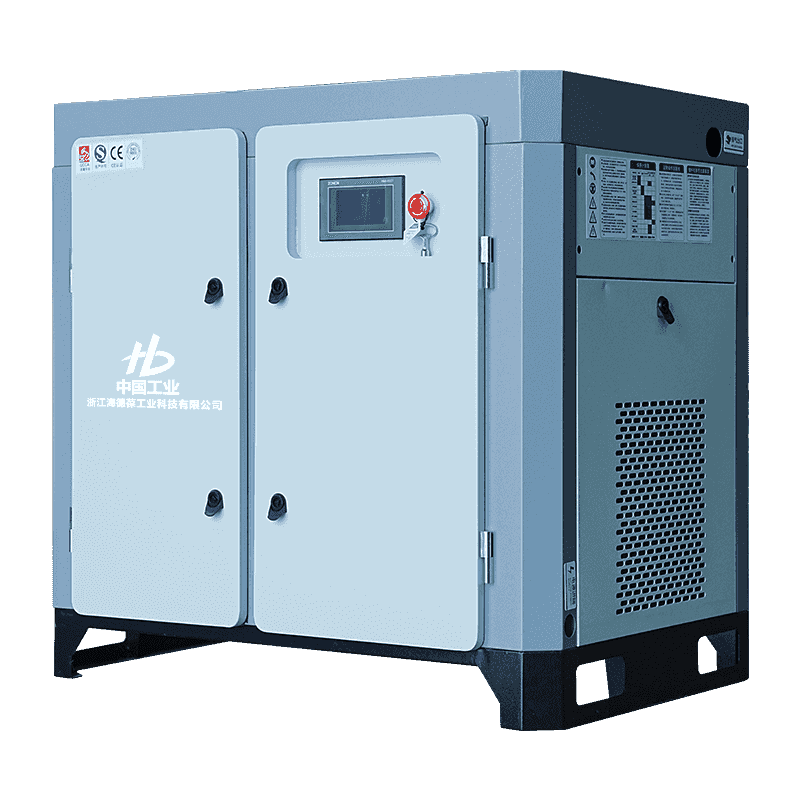
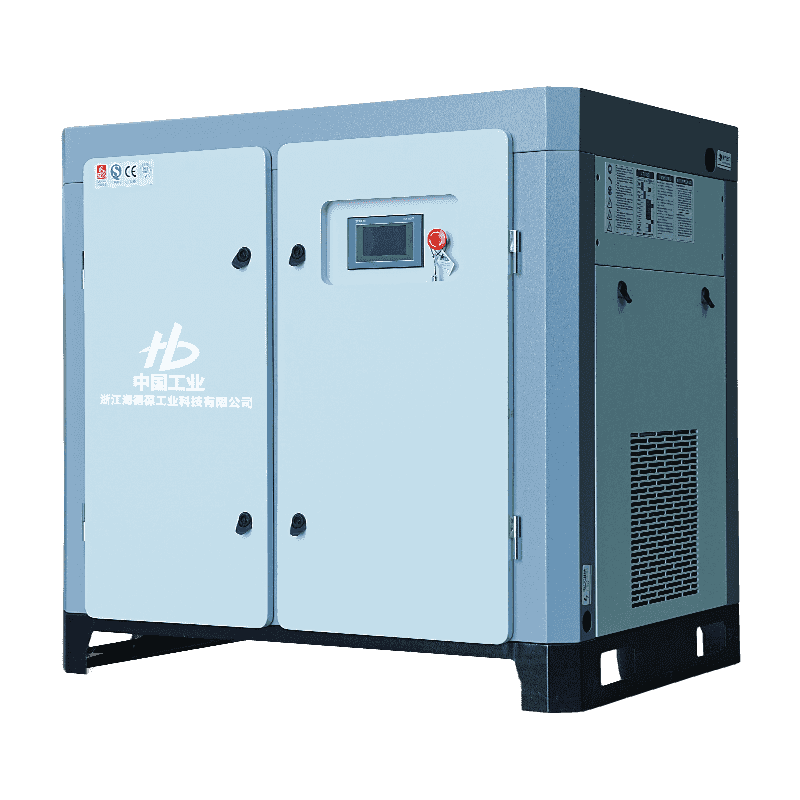
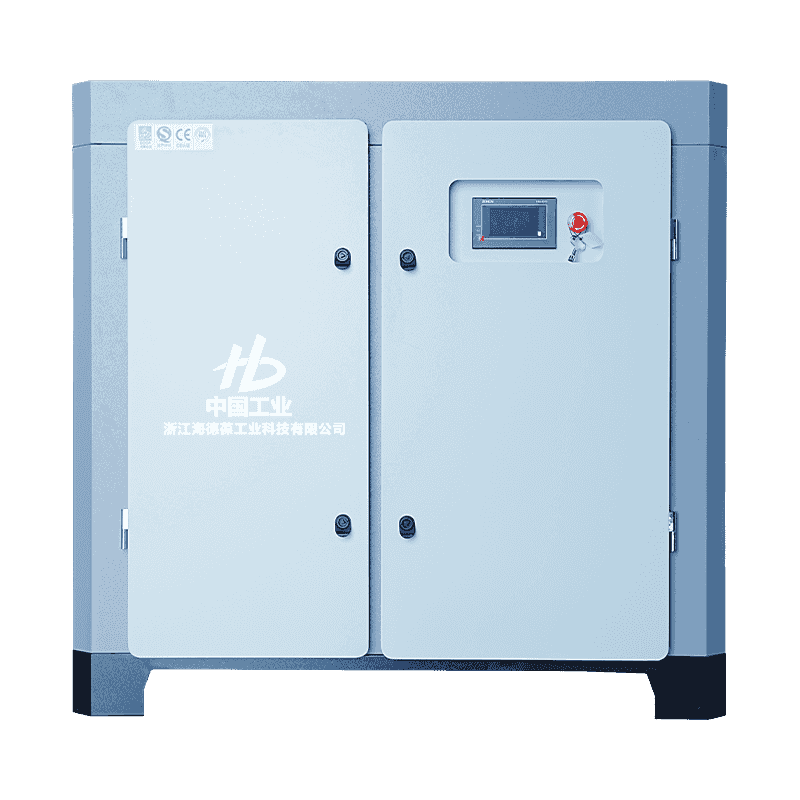
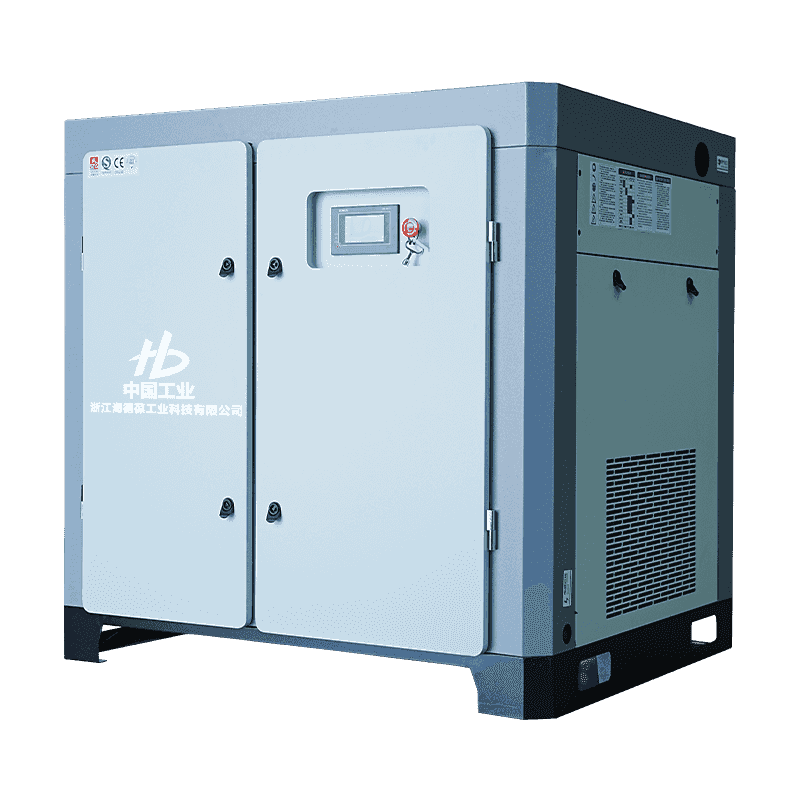
A twin screw air compressor operates on the principle of positive displacement using two intermeshing helical rotors — a male rotor and a female rotor — housed within a precision-machined casing. As the rotors rotate, air is drawn into the inlet port and progressively compressed as the volume between the rotors decreases along the rotor length.
The twin screw air compressor delivers a continuous, pulse-free flow of compressed air because the compression process is continuous rather than cyclic. The discharge pressure can range from 3 bar to 15 bar, with volumetric flow rates from 0.5 m³/min to over 100 m³/min. The absence of valves, the elimination of significant reciprocating forces, and a simple mechanical design contribute to exceptional reliability, with many units operating for over 50,000 hours before major overhaul.
Twin Screw Air Compressor vs. Reciprocating and Single-Screw Alternatives
The following table compares the twin screw air compressor against other commonly used compressor technologies across critical performance parameters.
| Parameter | Twin Screw Air Compressor | Reciprocating (Piston) | Single-Screw Compressor | Centrifugal Compressor |
| Compression Type | Positive displacement (rotary) | Positive displacement (piston) | Positive displacement (rotary) | Dynamic (centrifugal) |
| Flow Range (m³/min) | 0.5 - 100 | 0.3 - 30 | 1 - 60 | 30 - 1000+ |
| Discharge Pressure (bar) | 3 - 15 | 1 - 20 | 3 - 12 | 2 - 20 |
| Specific Power (kW/100cfm at 7bar) | 6.5 - 8.5 | 9 - 11 | 7 - 9 | 5.5 - 7 |
| Pulsation | Virtually none | High | Very low | None |
| Maintenance Frequency | Moderate (oil changes, filter swaps) | High (valves, rings, bearings) | Moderate | Low (mainly bearings) |
| Oil-Free Option Available | Yes (water-injected, dry run) | Yes (dry piston, PTFE rings) | Yes | Yes (inherently oil-free) |
| Relative Cost | Moderate | Low | Moderate | High |
Oil-Injected vs. Oil-Free Twin Screw Air Compressor Systems
The twin screw air compressor is available in two primary configurations, each serving distinct application requirements:
- Oil-Injected Twin Screw Air Compressor: This is the most common type. Oil is injected into the compression chamber to lubricate the rotors, seal internal clearances, and absorb heat generated during compression. The oil is separated from the compressed air via an oil separator and then cooled and recirculated. These units offer lower initial cost and are suitable for most industrial applications where trace oil carryover (2-5 ppm) is acceptable, such as general manufacturing, CNC machining, and textile operations.
- Oil-Free Twin Screw Air Compressor: These units use water injection or dry-running rotors with precision timing gears to maintain clearance. No oil is introduced into the compression chamber, delivering Class 0 certified oil-free air. Oil-free twin screw air compressor units cost 30-50% more than oil-injected equivalents but are essential for food processing, pharmaceutical, electronics manufacturing, and chemical production where product contamination cannot be tolerated.
The choice between these configurations depends on the air quality requirements of the downstream processes. For most applications, an oil-injected twin screw air compressor with a downstream filtration system (activated carbon + coalescing filters) provides sufficient air quality at a fraction of the cost of an oil-free system.
Energy Efficiency
A well-maintained twin screw air compressor achieves specific power consumption of 6.5-8.5 kW/100cfm. For a 200 kW system operating 6,000 hours annually, this translates to energy costs of $60,000-$80,000 per year at $0.10/kWh.
High Reliability
Fewer moving parts than reciprocating compressors and no valves to fail. Typical service life exceeds 50,000 hours. Only two main bearings and the rotors are subject to wear. Many units operate 80,000+ hours before overhaul.
Low Maintenance
Oil changes every 4,000-8,000 hours, air and oil filter replacements, and belt checks. Annual maintenance costs typically represent 3-5% of the initial investment, substantially lower than reciprocating compressors at 8-12%.
Energy Efficiency: The Decisive Factor in Twin Screw Air Compressor Selection
The energy consumption of a twin screw air compressor accounts for approximately 80% of its total lifecycle cost. For a 100 kW compressor operating 24/7 (8,760 hours annually) at 70% load, the annual energy cost at $0.12/kWh is approximately $73,600. Over a 10-year service life, energy costs exceed $700,000.
Therefore, selecting a twin screw air compressor with superior specific power is the most important economic decision. Performance metrics to evaluate include:
- Specific Power (kW per 100 cfm): The lower the specific power, the more energy-efficient the unit. Premium twin screw air compressor systems achieve 6.5-7.0 kW/100cfm at 7 bar, compared to 7.5-8.5 for standard units. A difference of 1 kW/100cfm on a 1,000 cfm system translates to $5,000-$8,000 annual energy savings.
- Part-Load Efficiency: Many twin screw air compressor installations operate at partial load for significant periods. Variable speed drive (VSD) models maintain high efficiency across a wide load range (20-100%), while fixed-speed units lose efficiency at reduced loads.
- Pressure Set Point: Every 1 bar reduction in discharge pressure reduces energy consumption by 7-8%. Proper system design and pressure optimization can yield substantial savings.
Variable Speed Drive vs. Fixed Speed Twin Screw Air Compressors
The control system of a twin screw air compressor significantly impacts its operating efficiency and suitability for specific applications.
- Fixed-Speed Twin Screw Air Compressor: These units operate at a constant motor speed, using inlet valve modulation or load/unload controls to match air demand. They are cost-effective for applications with stable air demand (80-100% load) and are available at a lower initial cost. However, they experience significant energy losses (20-40%) during unloaded operation.
- Variable Speed Drive (VSD) Twin Screw Air Compressor: VSD compressors adjust motor speed to match the required output, maintaining optimal efficiency across the entire demand range. VSD models offer 15-35% energy savings compared to fixed-speed units in applications with variable demand, with payback periods typically under 2 years.
For facilities with fluctuating air demand, a VSD twin screw air compressor is the preferred choice. VSD technology has become increasingly cost-effective, with many manufacturers offering VSD models at price premiums of only 20-30% over fixed-speed equivalents.
Maintaining Your Twin Screw Air Compressor for Maximum Reliability
A well-maintained twin screw air compressor can provide 15-20 years of reliable service. The following maintenance schedule is recommended for oil-injected models:
- Daily Checks: Visual inspection for oil leaks, unusual noise, or vibration. Check air filter differential pressure and oil level. Record operating temperatures and pressures.
- Every 1,000 Hours: Replace air inlet filter. Check and tighten all electrical connections. Inspect belts and pulleys for wear.
- Every 4,000 Hours: Replace oil filter. Perform oil analysis to assess condition and identify wear metals. Replace separator element if differential pressure exceeds 0.8 bar.
- Every 8,000 Hours: Replace compressor oil (synthetic lubricant recommended). Clean oil cooler and air-aftercooler. Replace VSD drive capacitors if equipped.
- Every 16,000-24,000 Hours: Major overhaul including rotor bearing replacement and shaft seal renewal. The cost of a major overhaul is typically 15-25% of the new machine cost and effectively extends the compressor's service life by another 15,000-20,000 hours.
Critical insight for fleet managers: The use of synthetic lubricants in a twin screw air compressor extends oil change intervals from 4,000 to 8,000 hours and reduces bearing wear by up to 30%. Although synthetic oil costs 2-3 times more than mineral oil, the extended intervals and reduced maintenance costs result in a net savings of 15-20% over the compressor's service life.
Heat Recovery: Converting Compressor Waste Heat into Useful Energy
A twin screw air compressor converts approximately 85-90% of the input electrical energy into heat. This heat is typically dissipated to the atmosphere through the cooling system. However, this waste heat represents a significant energy recovery opportunity.
For oil-injected twin screw air compressor systems, the oil loop reaches temperatures of 70-90C, while the air-aftercooler rejects heat at 35-50C. Heat recovery systems capture this thermal energy for:
- Space Heating: In colder climates, recovered heat can supply 50-70% of the building's winter heating requirements.
- Process Water Preheating: Water heated to 50-70C is suitable for industrial cleaning, boiler feedwater preheating, or process heating.
- Domestic Hot Water: For facilities with significant domestic hot water consumption, heat recovery can reduce water heating costs by 40-50%.
The payback period for a heat recovery system on a 100 kW twin screw air compressor is typically 12-24 months, making it one of the most effective energy-efficiency measures available.
Correct Sizing: The Foundation of Twin Screw Air Compressor Efficiency
Perhaps the most common error in selecting a twin screw air compressor is oversizing. A compressor that is too large for the system demand operates inefficiently, with part-load losses that can exceed 30% of the total energy consumption.
The correct sizing process involves:
- Measuring Actual Demand: Install a flow meter on the compressed air system to measure actual consumption over a typical production cycle. Many facilities find their actual demand is 20-40% lower than initially estimated.
- Analyzing Demand Profile: Determine the minimum, average, and peak flow requirements. Consider whether a single large compressor or multiple smaller units would better match the demand profile.
- Load Management: A cascaded system with two or three smaller twin screw air compressor units can optimize efficiency by matching compressor output to demand across the operating range.
- Leak Reduction: Many systems lose 20-30% of compressed air to leaks. Before sizing a new compressor, perform a comprehensive leak audit and repair all identified leaks.
Noise and Vibration in Twin Screw Air Compressors
The twin screw air compressor is known for its relatively quiet operation compared to reciprocating compressors. Typical sound levels range from 65-78 dB(A) at 1 meter, depending on enclosure design and operating speed.
For installations in noise-sensitive areas, the twin screw air compressor can be equipped with sound-attenuating enclosures and isolation mounts to reduce sound levels to 60-65 dB(A). The low vibration levels (typically below 1.5 mm/s) reduce the risk of structural damage and simplify installation requirements, often eliminating the need for vibration-isolation foundations that are required for reciprocating compressors.
When selecting a twin screw air compressor, consider the noise rating and ensure it complies with local occupational health and safety regulations regarding workplace noise exposure.
Ensuring Air Quality: Filtration and Drying for Twin Screw Air Compressors
While the twin screw air compressor delivers high-quality compressed air, downstream air treatment is essential for most applications. The typical filtration train for an oil-injected twin screw air compressor includes:
- Coalescing Filter (1 micron): Removes liquid water and bulk oil carryover. Reduces oil content to 0.5-1 ppm.
- Refrigerated Air Dryer: Reduces the pressure dew point to 3-10C, preventing condensation in distribution lines and pneumatic equipment.
- Activated Carbon Filter (Oil Removal): Reduces oil content to 0.003-0.01 ppm, suitable for sensitive applications such as paint spraying and electronics assembly.
- Desiccant Dryer: For applications requiring pressure dew points below -40C, such as instrument air in cold climates.
The selection of downstream air treatment should match the air quality requirements of the specific application. For a twin screw air compressor used in general manufacturing, a refrigerated dryer and coalescing filter are typically sufficient.