
 EN
EN  English
 Español
 عربى
عربى
Product Consultation
Your email address will not be published. Required fields are marked *

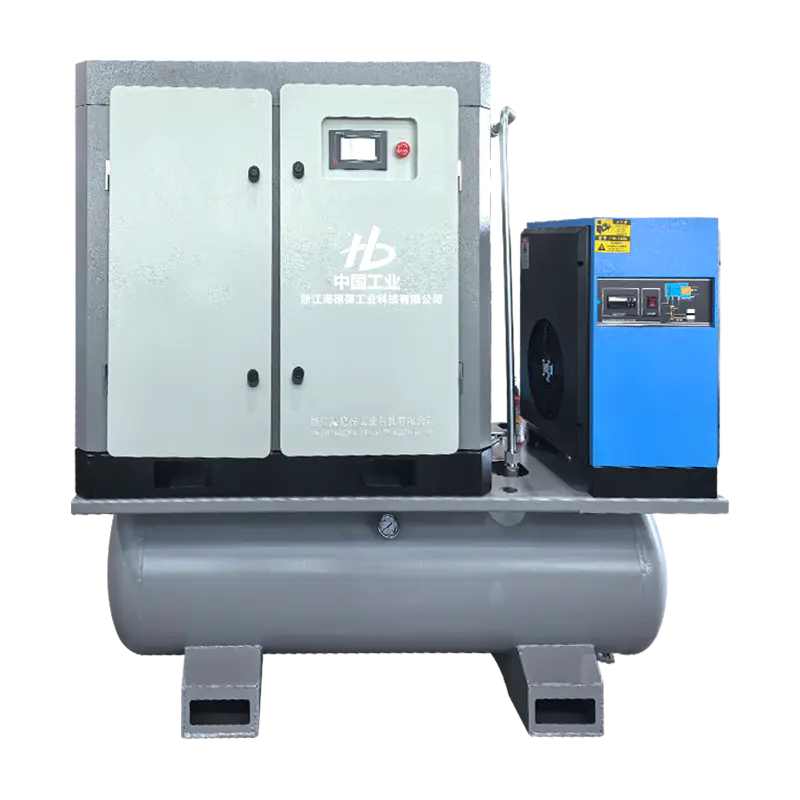
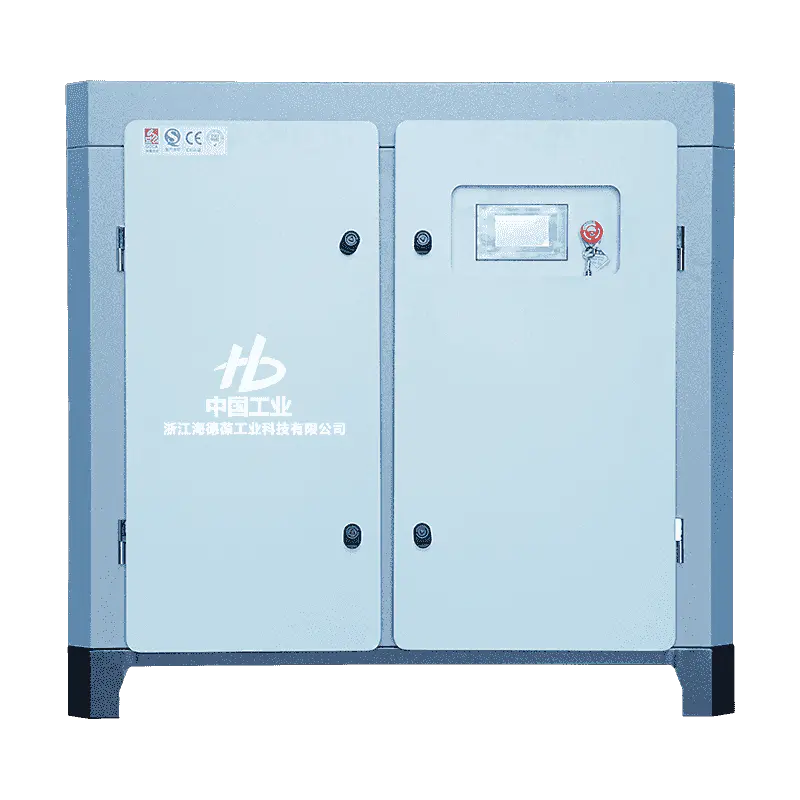
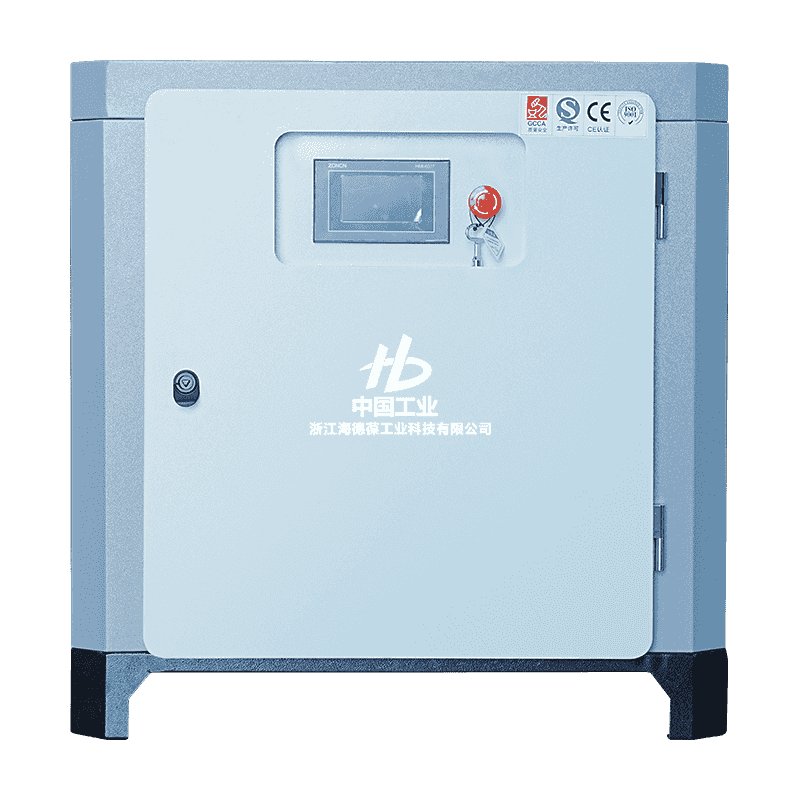
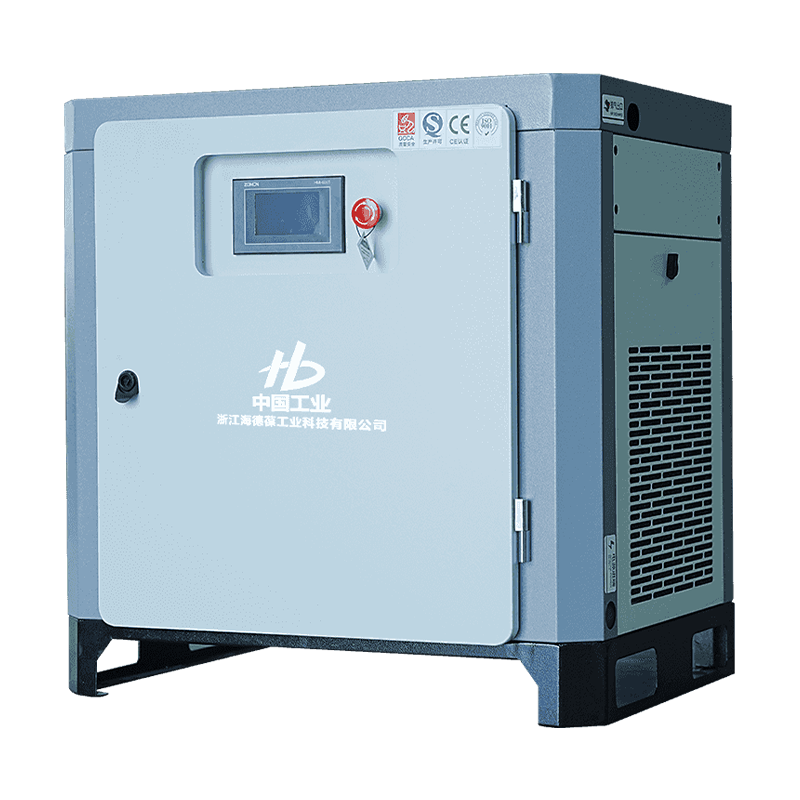
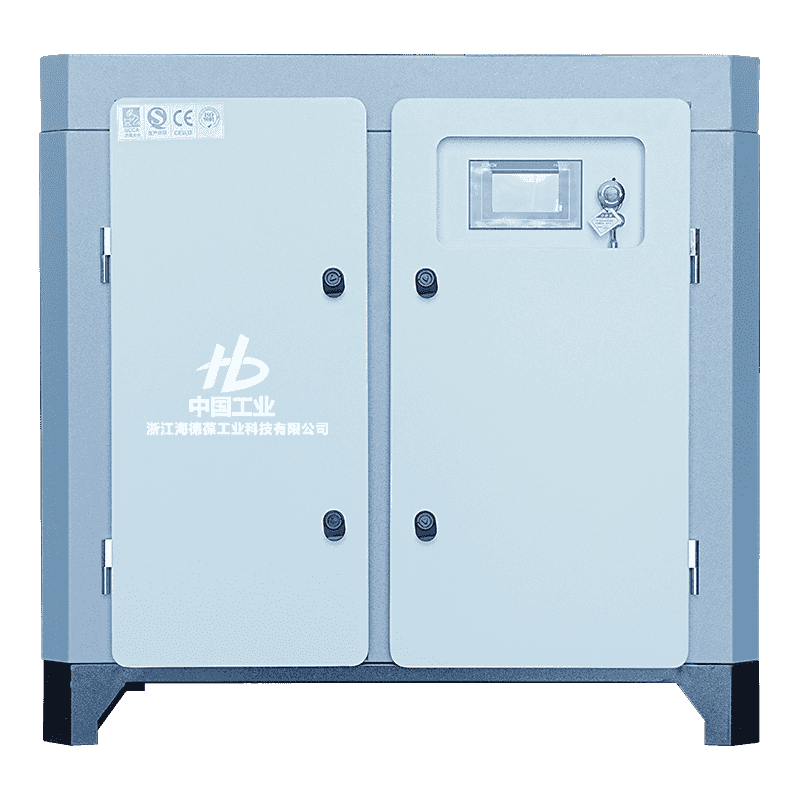
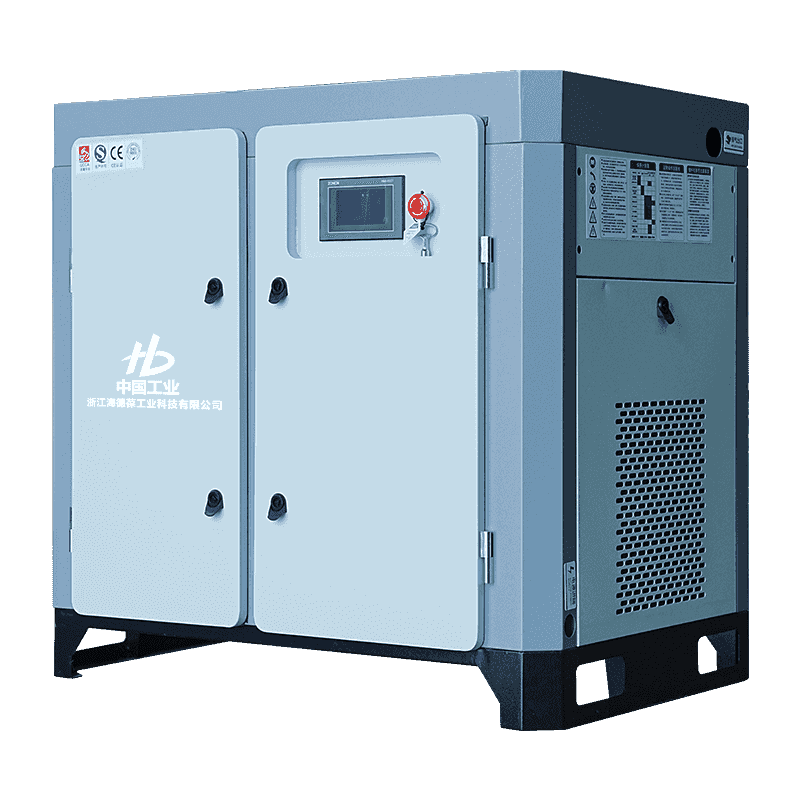
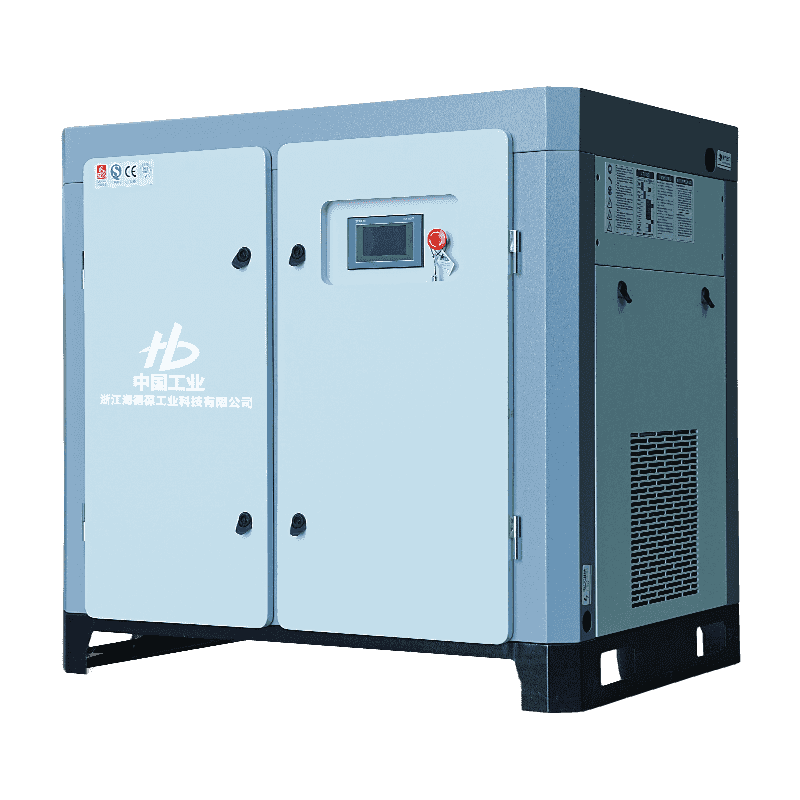
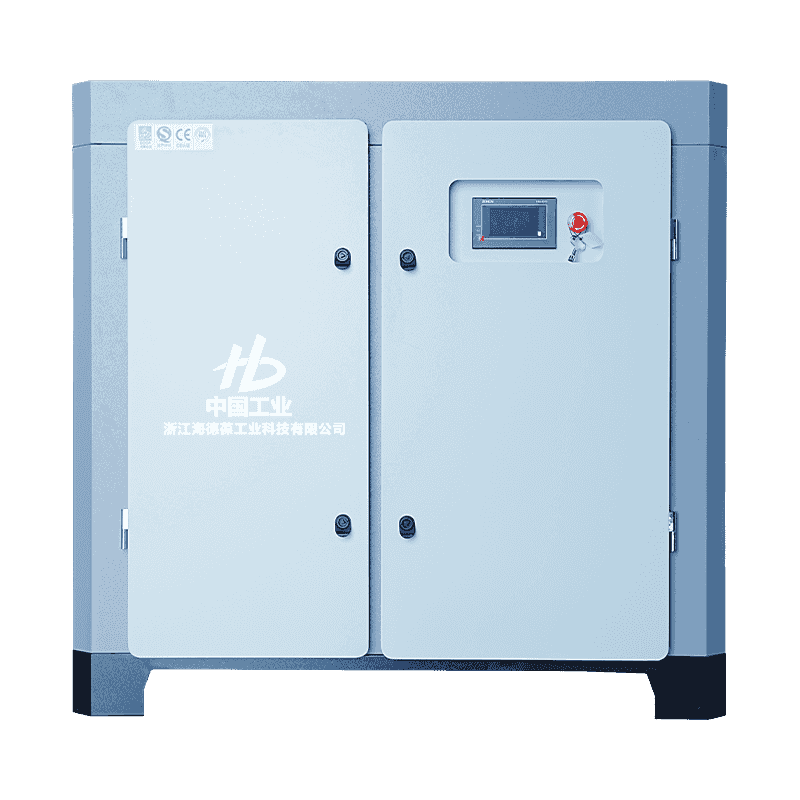
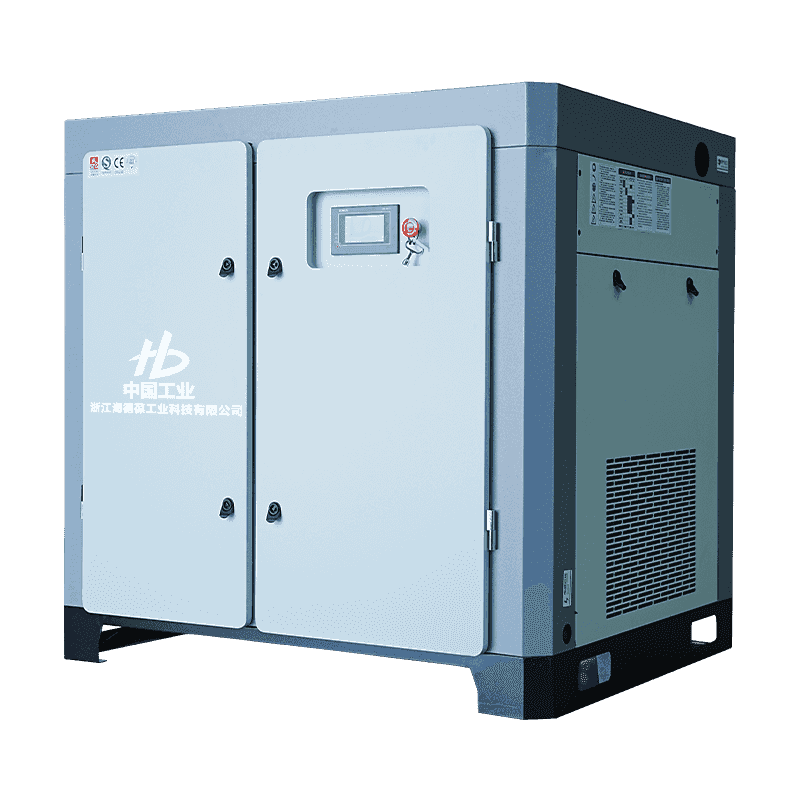
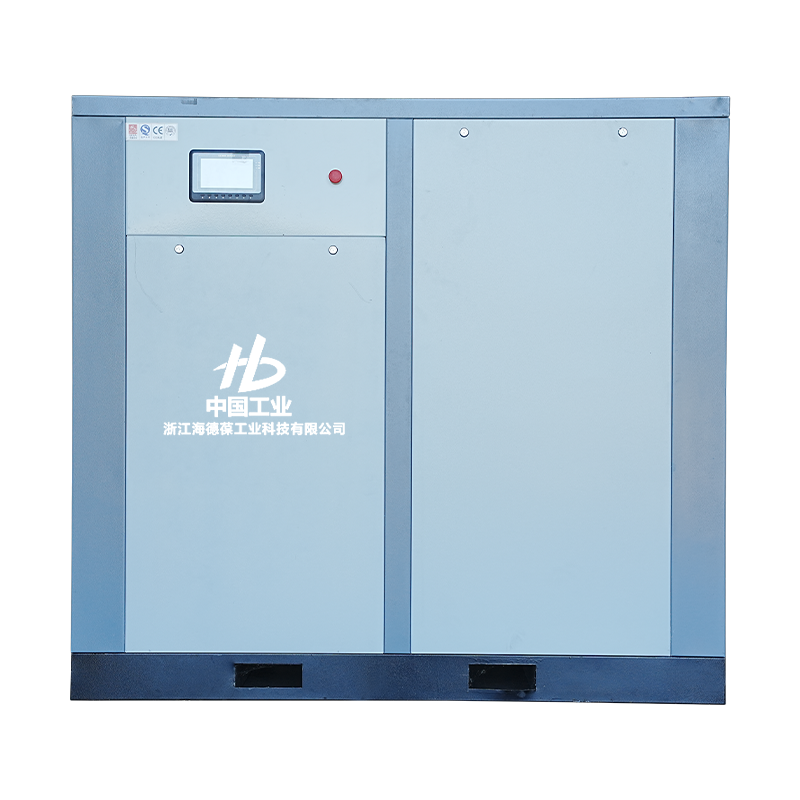
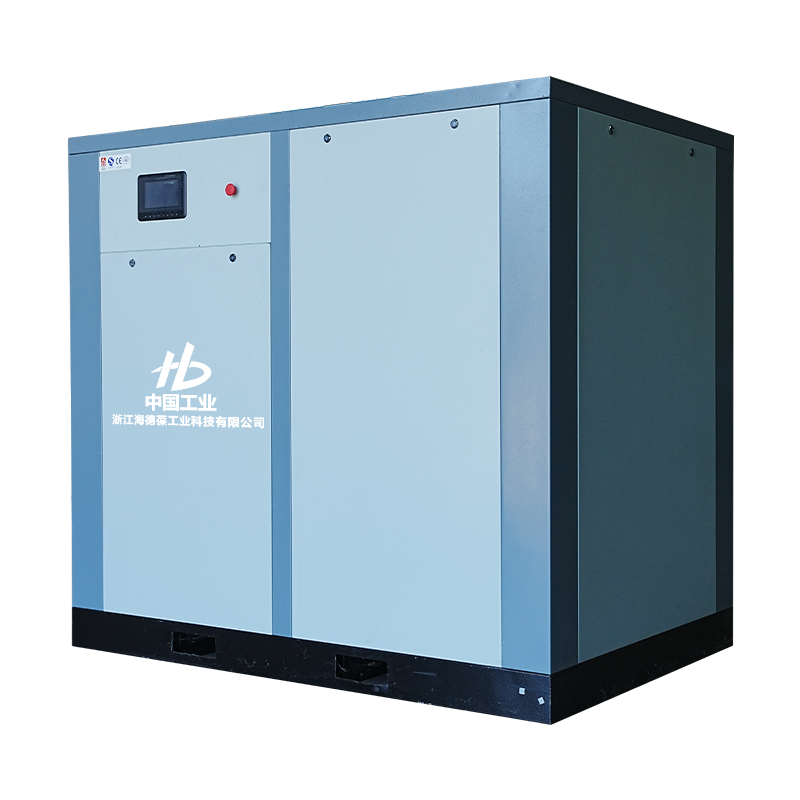
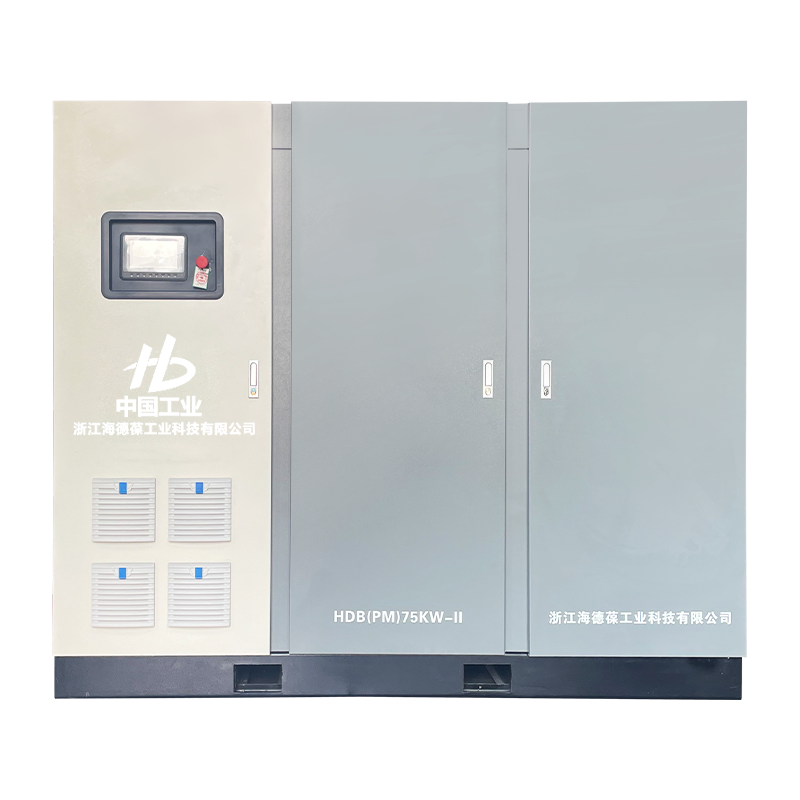
A micro-oil screw compressor is a type of rotary screw compressor designed to use a very small quantity of lubricating oil during the compression process. Unlike traditional oil-flooded screw compressors, which rely on a relatively large oil volume for sealing, cooling, and lubrication, micro-oil designs aim to balance mechanical reliability with reduced oil carryover in the compressed air. This makes them suitable for applications where air quality, operational stability, and energy efficiency must be considered together. During compression, the interaction between the rotors, oil, and air defines the overall performance and reliability of the system.
The first core function of a micro-oil screw compressor during the compression process is to draw in ambient air and initiate controlled volume reduction. As the male and female rotors rotate, air enters the compression chamber through the inlet port. The geometry of the rotors forms a series of enclosed volumes that trap air and gradually reduce its space as the rotors turn. This progressive volume reduction increases air pressure in a smooth and continuous manner, minimizing pulsation compared to reciprocating compressors. The precise rotor profile and tight machining tolerances are essential to maintaining consistent compression efficiency.
One of the most important functions of micro-oil during compression is sealing. Even with high-precision manufacturing, small clearances exist between the rotors and between the rotors and the housing. Injected oil fills these microscopic gaps, limiting internal leakage of compressed air back to the low-pressure side. By improving the sealing effect, micro-oil helps the compressor achieve its designed pressure ratio without excessive energy loss. The reduced oil quantity requires careful control of injection timing and distribution to maintain stable sealing throughout the compression cycle.
As air is compressed, its temperature naturally rises due to thermodynamic effects. The micro-oil injected into the compression chamber absorbs part of this heat and transfers it away from the compressed air. This cooling function helps maintain acceptable discharge temperatures, which protects internal components such as rotors, bearings, and seals from thermal stress. Although the oil quantity is limited, its continuous circulation and direct contact with the compressed air enable effective heat management within the compressor.
Lubrication is another key function of micro-oil during compression. The oil forms a thin lubricating film on the rotor surfaces and bearing assemblies, reducing friction between moving parts. This helps limit mechanical wear and contributes to stable long-term operation. Compared with oil-free designs, micro-oil screw compressors can achieve smoother rotor motion and lower mechanical noise because friction is better controlled, even though the oil volume is much lower than in conventional oil-flooded systems.
The combined effects of sealing, cooling, and lubrication directly influence compression efficiency. By limiting air leakage, controlling temperature rise, and reducing frictional losses, micro-oil screw compressors can maintain relatively stable efficiency across a wide operating range. During compression, the oil helps ensure that the energy input from the motor is effectively converted into compressed air rather than being lost as heat or mechanical resistance. This efficiency function is particularly important for continuous-duty industrial applications.
Micro-oil also plays a role in moderating noise and vibration generated during compression. The presence of oil dampens mechanical contact and absorbs part of the acoustic energy produced by rotor meshing and air compression. This leads to smoother operation and reduced vibration transmission to the compressor housing. While noise control is not the primary function of oil injection, it is an important secondary benefit that contributes to improved working conditions and equipment stability.
During compression, micro-oil mixes temporarily with the air inside the compression chamber. This mixture must remain stable to ensure predictable compression behavior. Proper oil atomization and distribution prevent localized overheating or uneven sealing. The design of the oil injection system, including nozzle placement and flow control, ensures that the oil supports the compression process without causing excessive carryover or separation difficulties downstream.
Although micro-oil screw compressors use oil during compression, one of their functional goals is to maintain relatively low oil content in the discharged air. The limited oil volume reduces the burden on downstream oil separation systems. During compression, the oil must perform its functions without breaking down into fine aerosols that are difficult to remove. This balance between functional oil use and air quality control is central to the design philosophy of micro-oil compression systems.
The compression process in a micro-oil screw compressor also prepares the oil-air mixture for effective separation after discharge. The size and distribution of oil droplets formed during compression influence how easily oil can be removed in the separator. Controlled compression conditions help form droplets that are more likely to coalesce and separate, reducing oil carryover and supporting cleaner compressed air delivery.
Another function of micro-oil during compression is to help the compressor adapt to changing load and environmental conditions. Variations in inlet temperature, humidity, and operating pressure can affect compression behavior. The oil provides a buffering effect by stabilizing temperature and sealing performance, allowing the compressor to operate consistently across different conditions without frequent adjustments.
The effectiveness of micro-oil during compression is closely linked to rotor design. Modern rotor profiles are optimized to work with limited oil quantities, ensuring sufficient sealing and cooling without relying on heavy oil flooding. During compression, the interaction between rotor geometry and oil flow determines how effectively the compressor maintains pressure and temperature balance.
During compression, part of the mechanical energy input is converted into heat. Micro-oil facilitates energy transfer by absorbing heat from the compressed air and transporting it to the oil cooler. This function reduces thermal load on the air path and helps maintain stable discharge temperatures. Effective heat dissipation supports longer component life and consistent performance.
The role of micro-oil during compression differs from that in fully oil-flooded and oil-free compressors. The following table provides a general comparison of oil-related functions during compression across different screw compressor designs.
| Compressor Type | Oil Quantity During Compression | Main Oil Functions | Air Quality Consideration |
| Micro-Oil Screw Compressor | Low | Sealing, cooling, lubrication | Moderate oil carryover, manageable separation |
| Oil-Flooded Screw Compressor | High | Sealing, cooling, lubrication, noise reduction | Higher oil content, strong separation required |
| Oil-Free Screw Compressor | None | No oil-based sealing or cooling | Very low oil content, higher mechanical demands |
During compression, the presence of micro-oil reduces direct metal-to-metal contact, which influences wear patterns and maintenance intervals. Bearings, rotors, and seals benefit from consistent lubrication, even with limited oil volume. This function helps maintain dimensional stability of components and reduces the likelihood of premature wear caused by friction or overheating.
Micro-oil contributes to maintaining thermodynamic balance during compression by moderating temperature gradients within the compression chamber. Uneven temperature distribution can lead to rotor distortion and efficiency loss. By absorbing and redistributing heat, the oil supports more uniform operating conditions and stable compression behavior.
Many industrial applications require compressors to run continuously for extended periods. During compression, micro-oil enables stable long-term operation by managing heat, friction, and sealing simultaneously. This multifunctional role reduces operational stress on the system and supports consistent output under continuous load conditions.
The functions of micro-oil during compression are also designed with downstream systems in mind. Dryers, filters, and pneumatic equipment depend on predictable air quality and temperature. By controlling oil behavior during compression, the compressor supports smoother integration with downstream components and reduces the risk of contamination-related issues.
Ultimately, the main functions of a micro-oil screw compressor during the compression process work together to ensure operational reliability. Sealing limits leakage, cooling controls temperature, lubrication reduces friction, and controlled oil-air interaction supports stable separation. These combined functions allow the compressor to deliver compressed air in a steady and predictable manner suitable for a wide range of industrial processes.
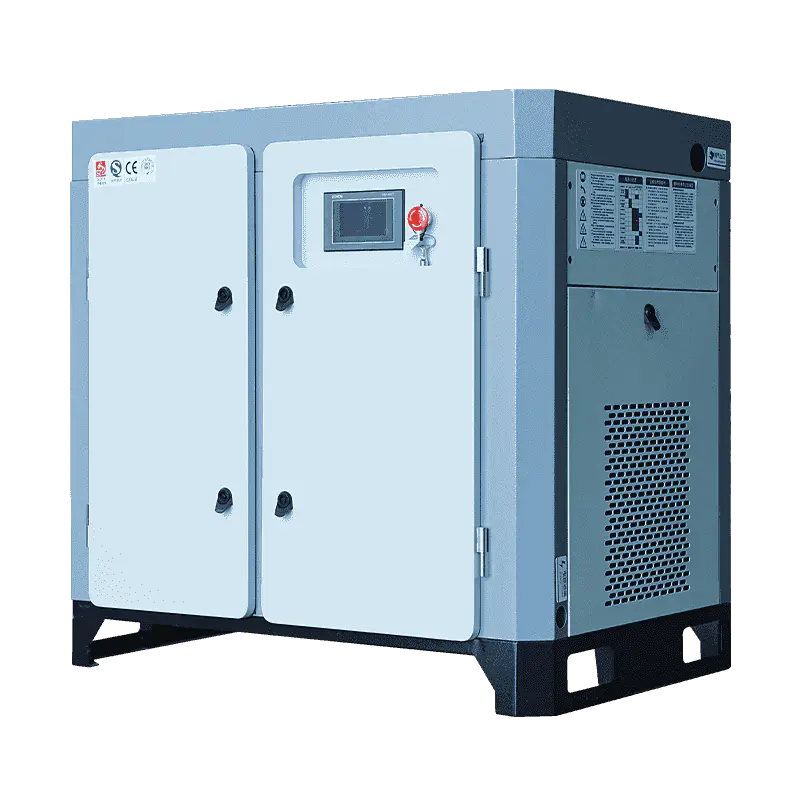
A Compressor That Tries to Keep Things Simple: Micro-Oil Twin Screw Single Stage Compressors

micro-oil screw compressor vs. oil-free screw compressor
Your email address will not be published. Required fields are marked *

A dedicated after-sales service department is established, consisting of a professional sales team and skilled technical engineers. They are committed to providing year-round support, traveling to customer locations to deliver prompt and high-quality service.

Tel:86-0570-7221666

E-mail:[email protected]

Add: No.2 Qiming Road, Zhejiang Longyou Economic Development Zone, Mohuan Township, Longyou County, Quzhou City, Zhejiang Province, China
Copyright © Zhejiang Haidebao Industrial Technology Co., Ltd.

Custom Industrial Screw Air Compressor Manufacturers