
 EN
EN  English
 Español
 عربى
عربى
Product Consultation
Your email address will not be published. Required fields are marked *

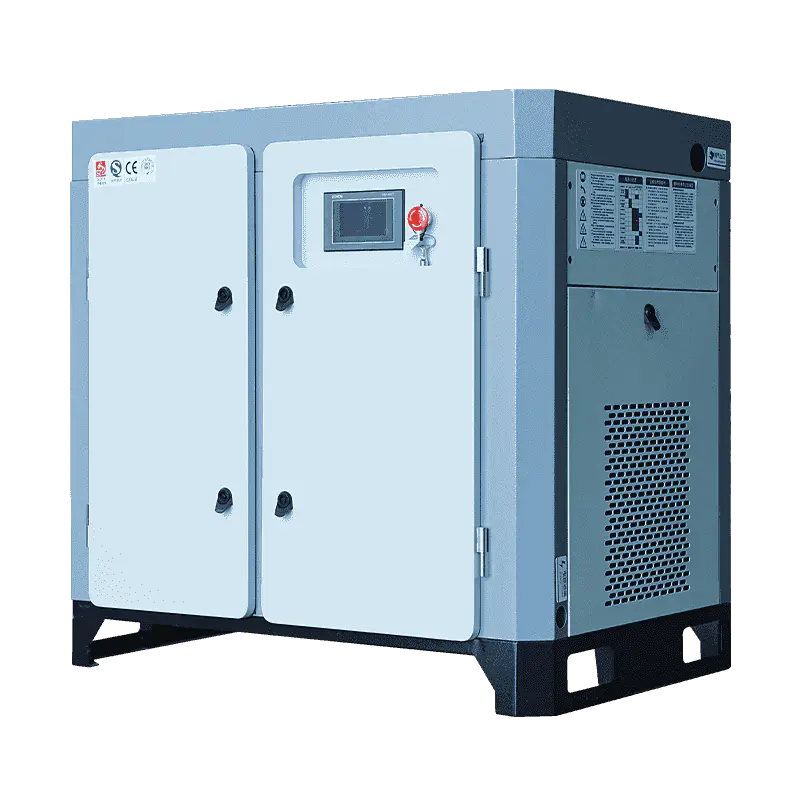
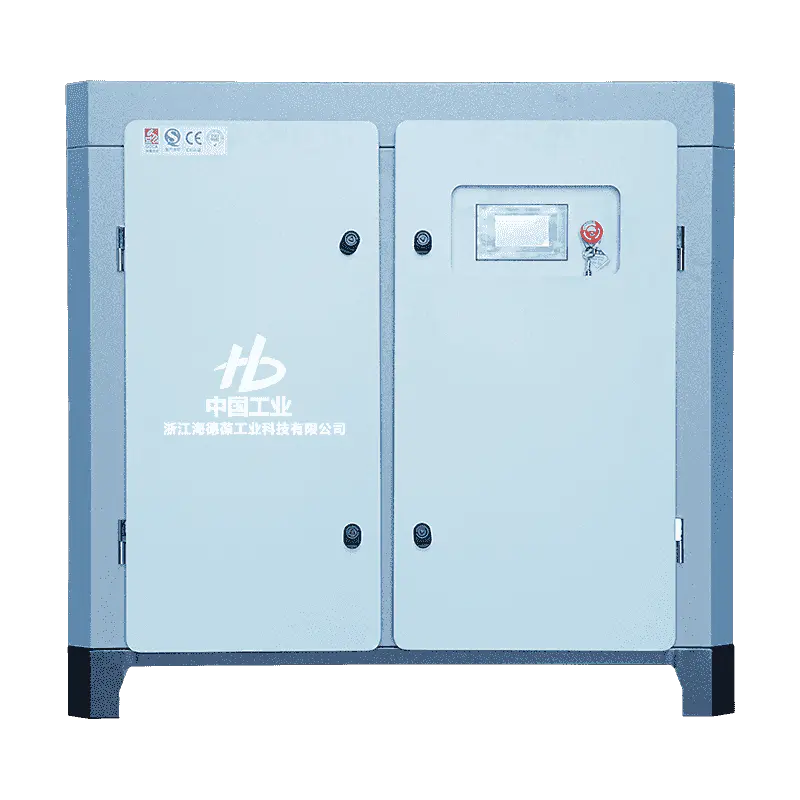
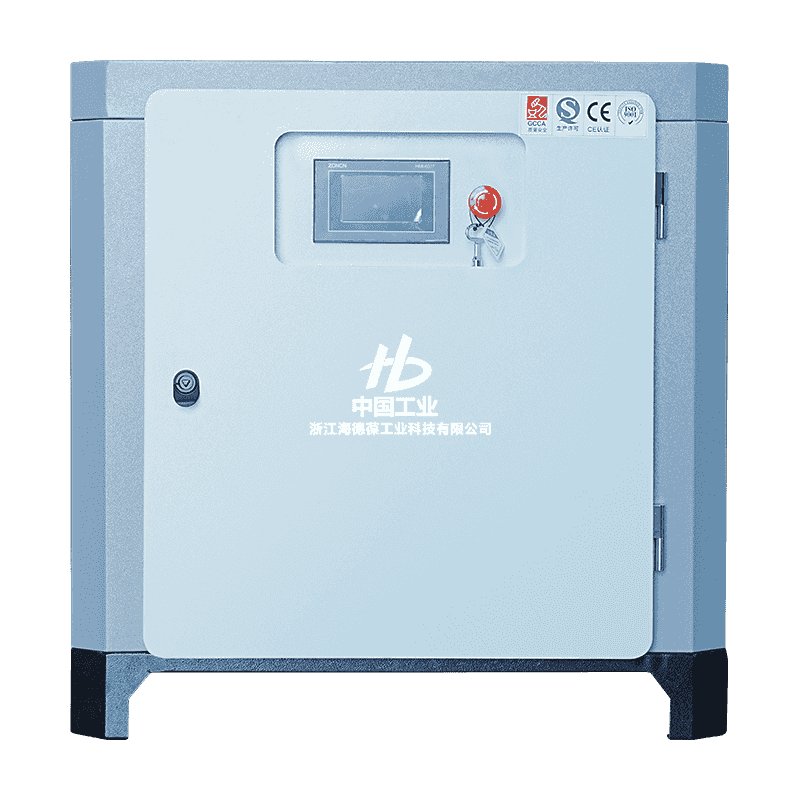
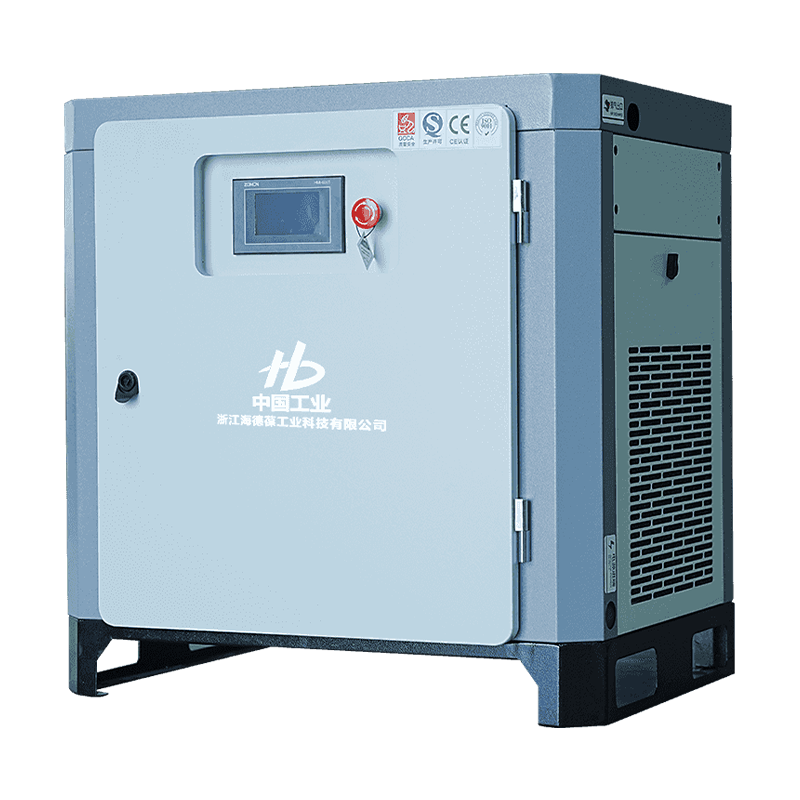
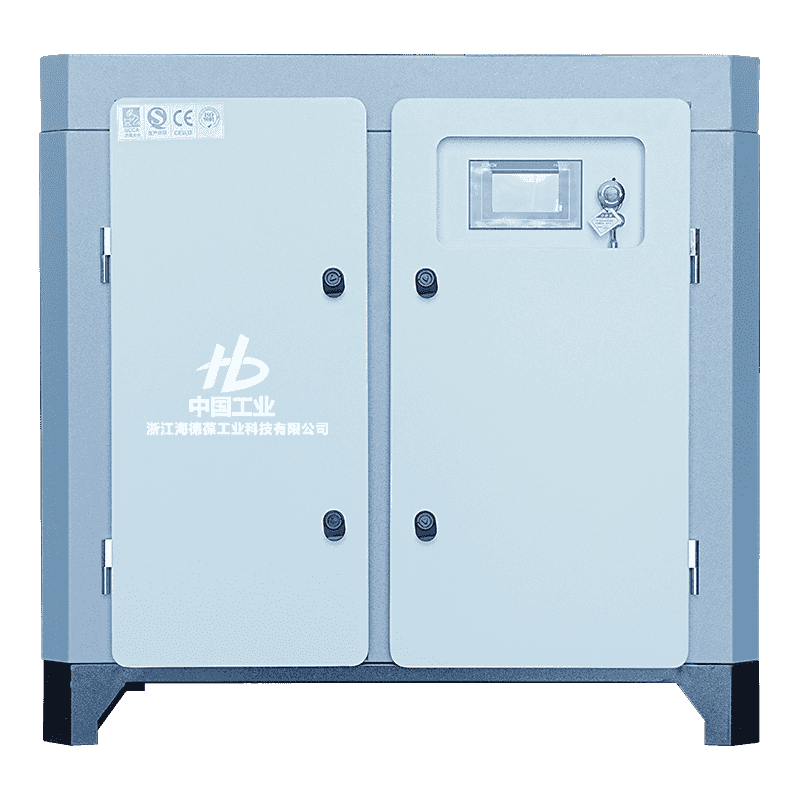
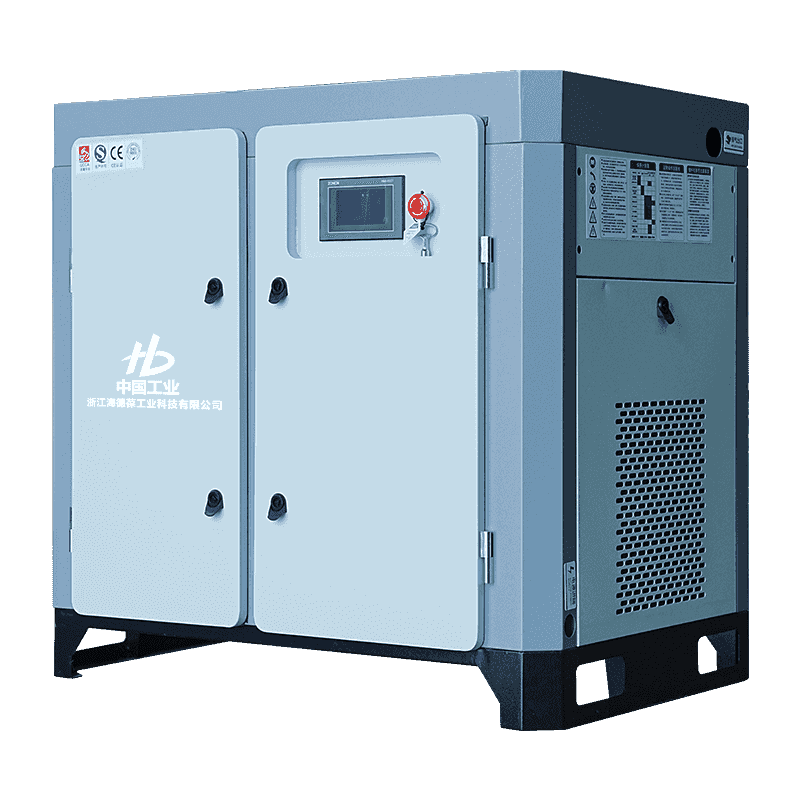
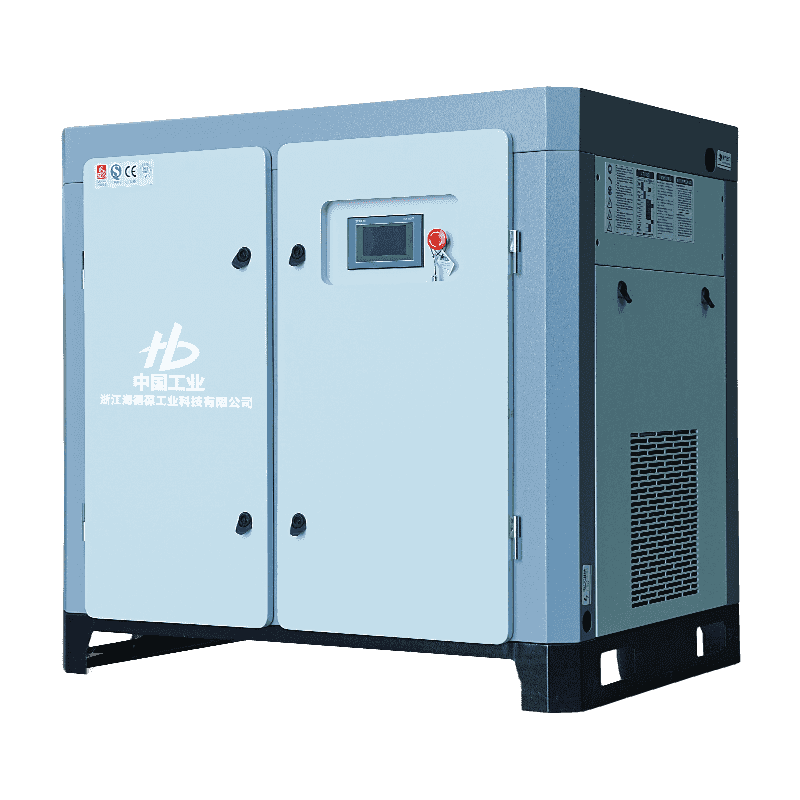
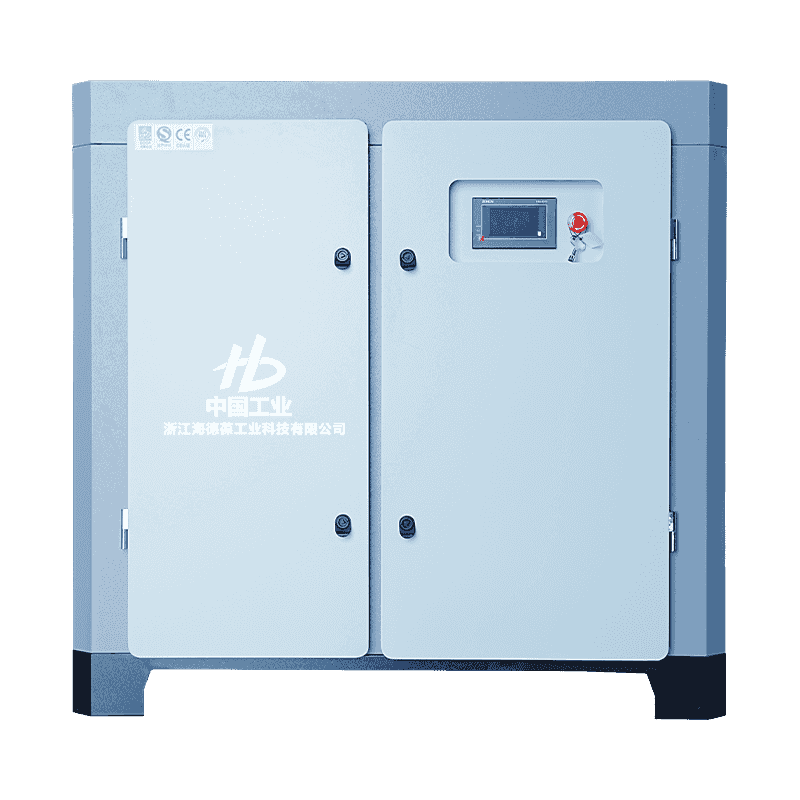
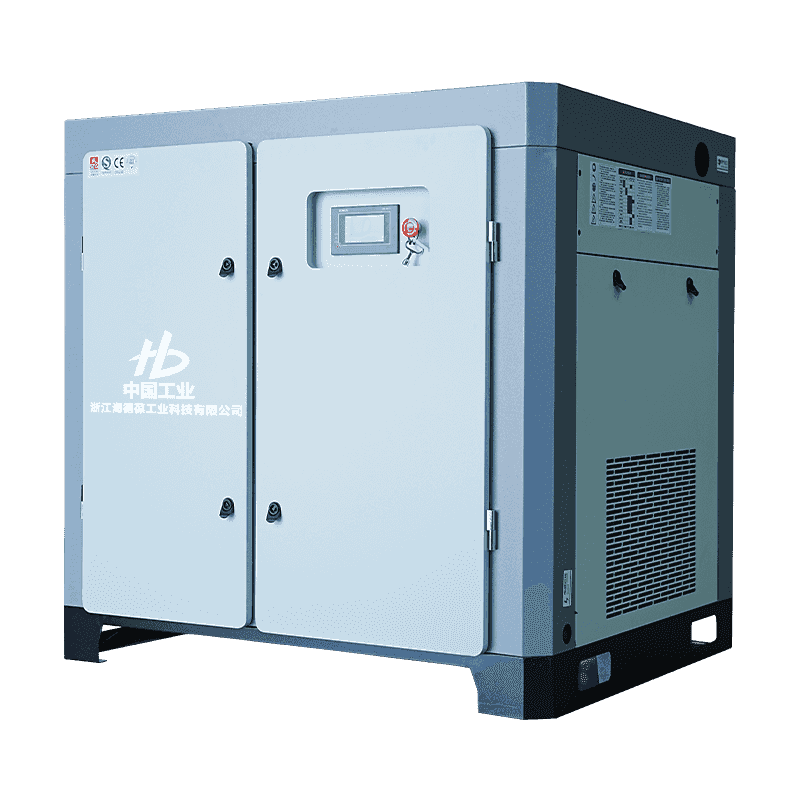
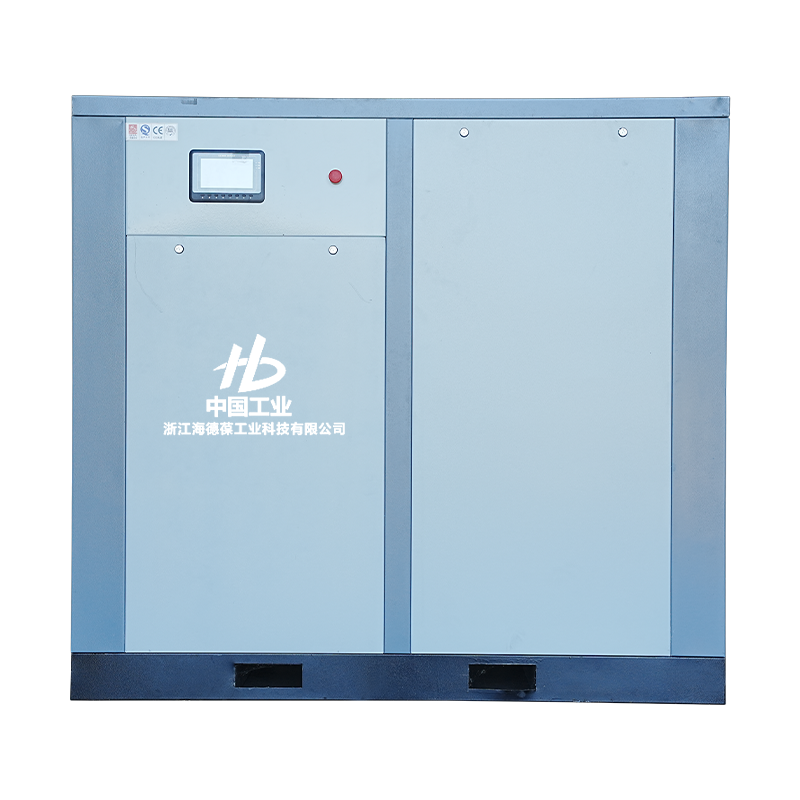
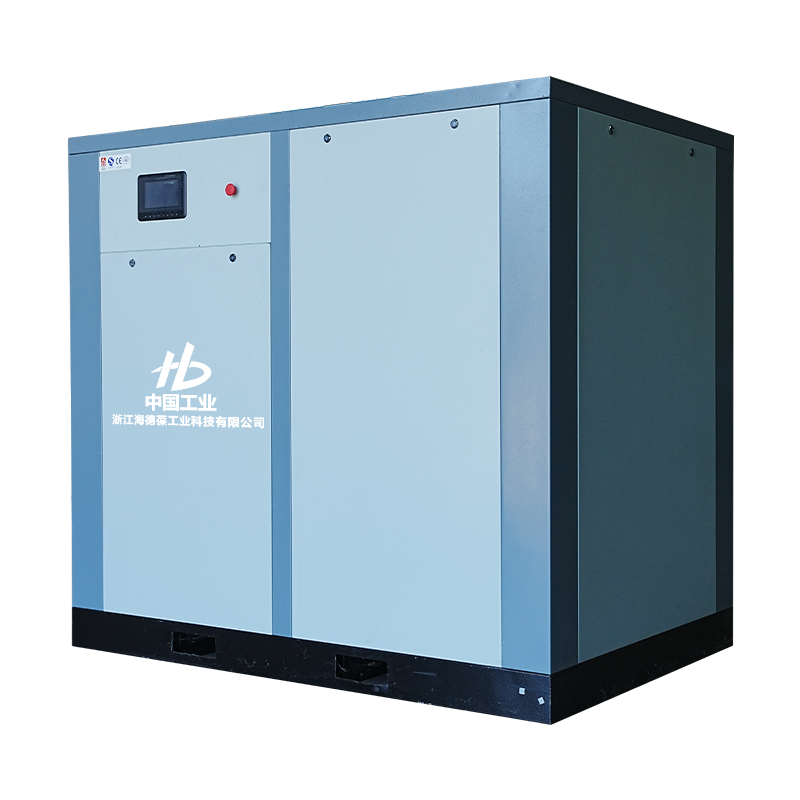
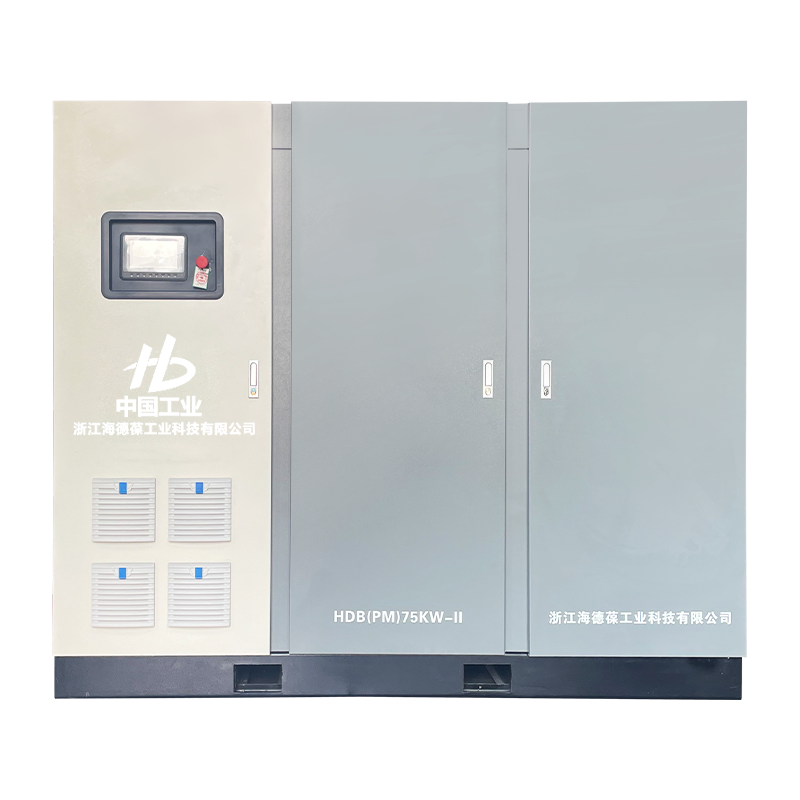
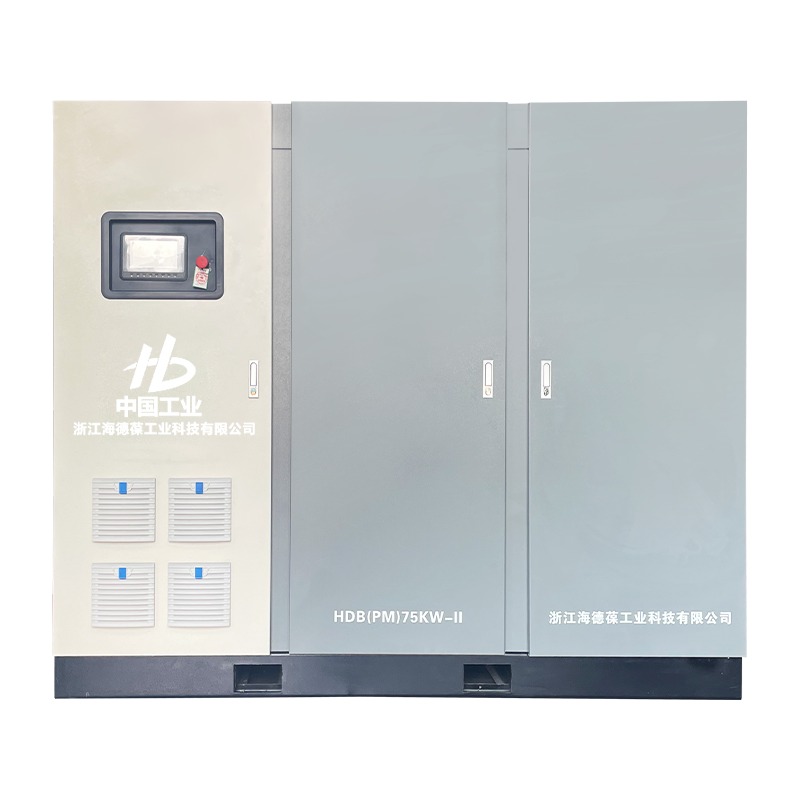
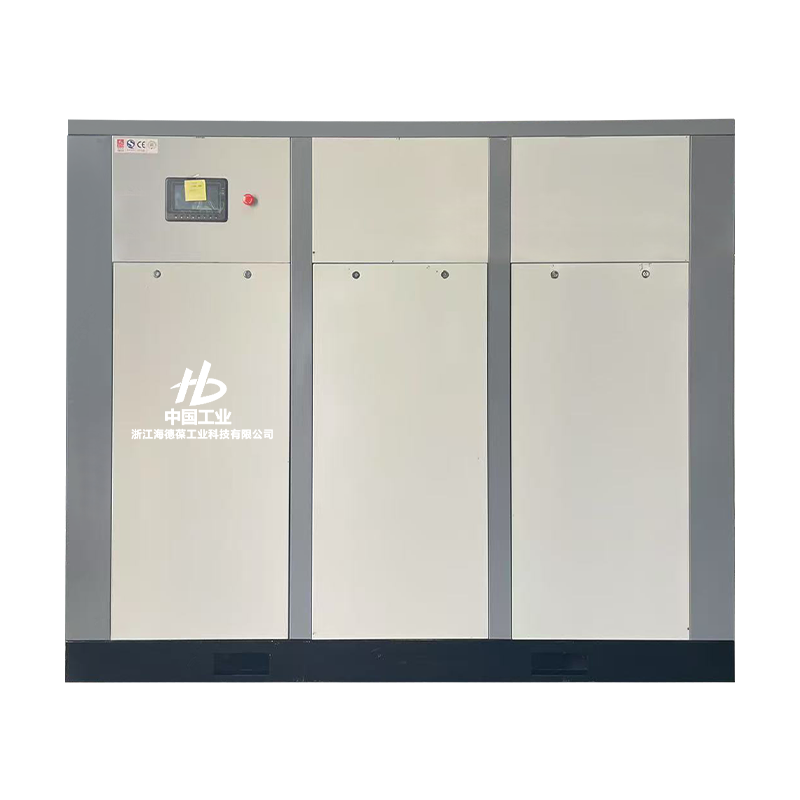
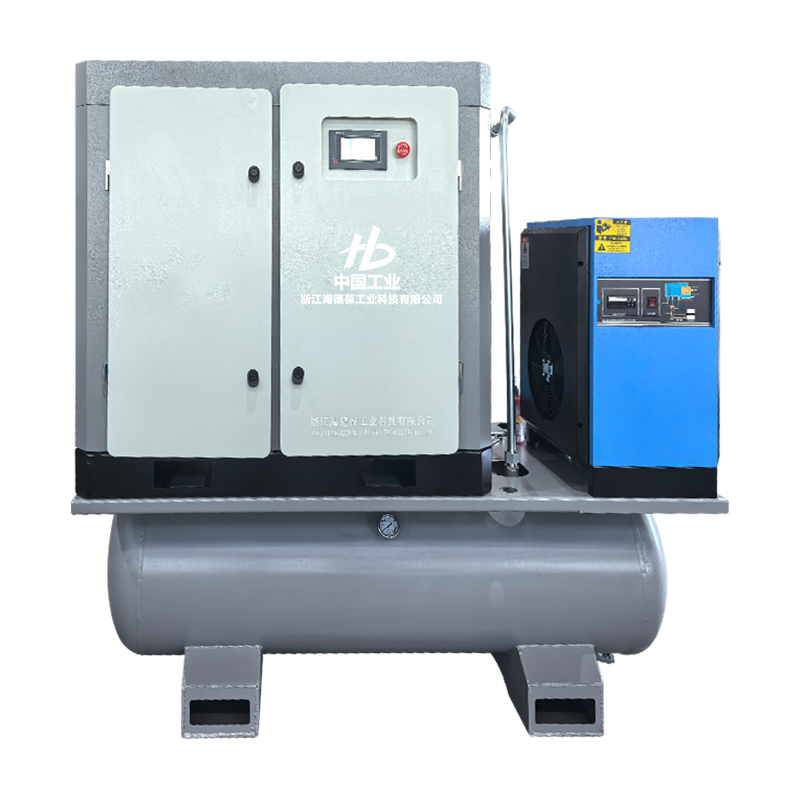
A micro-oil two-stage screw air compressor is designed to provide high-efficiency compressed air production while minimizing lubrication consumption and reducing energy loss. Compared with single-stage compression systems, two-stage compression technology improves thermal control, lowers discharge temperatures, and increases compression efficiency. These advantages make the system highly suitable for industrial manufacturing, precision processing, electronics production, textile operations, food packaging, automotive assembly, and continuous-duty factory environments.
The combination of two-stage compression and micro-oil lubrication creates a balance between operational reliability and clean air output. By distributing compression across two separate stages instead of a single high-pressure cycle, the compressor reduces mechanical stress and improves long-term durability. At the same time, micro-oil lubrication technology minimizes oil carryover while maintaining sufficient lubrication for stable rotor operation.
Modern industrial facilities increasingly prioritize energy optimization because compressed air systems can account for 10% to 30% of total factory electricity consumption. High-efficiency compressor systems help reduce operating costs while supporting stable production performance.
Two-stage compression systems divide the compression process into two separate phases. Instead of compressing air directly from atmospheric pressure to the final discharge pressure in one cycle, the compressor performs intermediate compression before completing the final pressure increase.
Single-stage compression generates substantial heat because air pressure rises rapidly within one compression chamber. Two-stage systems reduce heat concentration by spreading compression work across separate stages.
Lower operating temperatures improve rotor stability, reduce lubricant degradation, and help maintain consistent air quality during extended operation.
Two-stage compression improves volumetric efficiency and reduces internal leakage losses. Many industrial systems achieve 10% to 15% lower energy consumption compared with conventional single-stage screw compressors operating under similar pressure conditions.
Lower thermal stress helps protect internal mechanical components. Reduced discharge temperatures decrease expansion-related wear and improve long-term operational stability.
| Performance Factor | Single-stage Compression | Two-stage Compression |
|---|---|---|
| Compression Temperature | Higher | Lower |
| Energy Efficiency | Moderate | Higher |
| Mechanical Stress | Higher | Reduced |
| Air Stability | Variable | More Stable |
| Service Life | Standard | Extended |
Micro-oil lubrication systems use a carefully controlled oil injection process to reduce friction and cool the compression chamber while minimizing oil contamination in the discharged air.
Advanced separation systems help maintain low oil residue levels within compressed air pipelines. Many systems achieve oil carryover levels below 3 ppm, supporting industrial applications requiring cleaner compressed air.
Controlled lubrication reduces rotor wear, bearing friction, and thermal instability. Stable lubrication also minimizes vibration and improves long-duration reliability during continuous operation.
Lower oil discharge reduces contamination within pipelines, pneumatic tools, filters, and downstream equipment. Cleaner systems require less frequent maintenance and support longer filter replacement intervals.
Modern manufacturing operations require stable compressed air pressure to support automated production systems, pneumatic machinery, robotic equipment, and precision tools.
Electronic assembly facilities often require clean and stable compressed air for circuit board production, automated pick-and-place systems, and dust-sensitive processes.
Compressed air supports spinning equipment, weaving systems, and automated material handling. Stable airflow improves production consistency while reducing operational interruptions.
Assembly plants rely heavily on compressed air systems for painting, welding support, pneumatic tools, and robotic control systems.
Reduced oil carryover improves suitability for packaging lines and automated handling systems where cleaner compressed air helps maintain operational hygiene standards.
| Industry | Primary Use | Operational Benefit |
|---|---|---|
| Electronics | Precision assembly | Cleaner air quality |
| Textile | Automated machinery | Stable pressure |
| Automotive | Pneumatic tools | Continuous operation |
| Food Packaging | Packaging systems | Reduced contamination |
| Metal Processing | Tool operation | High durability |
Industrial facilities increasingly monitor compressor efficiency because compressed air production represents one of the largest utility expenses in manufacturing environments.
Many micro-oil two-stage screw air compressors now integrate variable frequency drive systems that automatically adjust motor speed according to air demand.
Variable speed operation prevents unnecessary energy waste during partial-load conditions and can reduce power consumption by 20% to 35% in facilities with fluctuating air usage.
Stable pressure control reduces excessive system pressure and helps minimize air leakage losses within pipelines and pneumatic equipment.
Industrial compressors generate substantial thermal energy during operation. Some facilities recover waste heat for water heating or industrial process support, improving total energy utilization efficiency.
Effective cooling management is essential for maintaining long-term performance in industrial compressor systems. Excessive temperatures accelerate lubricant breakdown and increase mechanical wear.
Air-cooled compressors use ventilation fans and heat exchangers to dissipate thermal energy. These systems are commonly used in facilities with moderate ambient temperatures.
Water-cooled systems provide stronger temperature control in heavy-duty industrial environments where compressors operate continuously under high loads.
Interstage cooling between compression stages reduces air temperature before entering the second-stage rotor assembly. Cooler air improves compression efficiency and lowers total energy demand.
Routine maintenance is essential for preserving compressor efficiency and preventing unexpected shutdowns. Industrial production interruptions caused by compressor failure can create significant financial losses.
Lubricant quality directly affects cooling performance and rotor protection. Replacing filters and lubricants at recommended intervals helps maintain stable air quality and operational reliability.
Blocked intake filters increase energy consumption and reduce airflow efficiency. Clean intake systems improve compressor performance while protecting internal components from dust contamination.
Air leaks reduce system efficiency and increase electricity costs. Industrial maintenance teams often use ultrasonic leak detection tools to identify hidden pipeline losses.
Abnormal vibration may indicate rotor imbalance, bearing wear, or alignment issues. Early detection helps prevent major mechanical damage and production downtime.
Choosing the correct micro-oil two-stage screw air compressor depends on operational pressure requirements, airflow demand, environmental conditions, and production schedules.
Airflow demand is commonly measured in cubic meters per minute or cubic feet per minute. Undersized systems may experience pressure instability, while oversized systems waste energy during low-load operation.
Industrial applications often operate between 7 and 13 bar depending on equipment requirements. Stable pressure management improves pneumatic tool efficiency and production consistency.
Facilities operating continuously require compressor systems designed for heavy-duty performance and thermal stability. Continuous-duty systems generally include enhanced cooling and reinforced rotor structures.
Ambient temperature, humidity, ventilation, and dust levels influence compressor efficiency and maintenance frequency. Proper installation planning improves long-term operational reliability.
| Selection Factor | Why It Matters | Operational Impact |
|---|---|---|
| Airflow Capacity | Supports equipment demand | Stable production |
| Pressure Rating | Matches pneumatic tools | Consistent operation |
| Cooling Method | Controls thermal stability | Longer service life |
| Energy Efficiency | Reduces electricity costs | Lower operating expenses |
| Maintenance Accessibility | Simplifies servicing | Reduced downtime |
Industrial automation trends continue influencing compressor system design. Smart monitoring technology, predictive maintenance software, and intelligent control systems are becoming increasingly important in modern manufacturing facilities.
Digital monitoring platforms allow operators to track pressure, temperature, power consumption, and maintenance schedules in real time.
Sensor-based diagnostics help identify potential component failures before breakdowns occur. Predictive maintenance reduces unexpected downtime and improves equipment planning efficiency.
Advanced rotor geometry and precision machining continue improving airflow stability and reducing internal leakage losses.
As industrial facilities continue prioritizing energy efficiency, stable compressed air quality, and long-term operational reliability, micro-oil two-stage screw air compressors are expected to remain essential components in high-performance manufacturing environments.
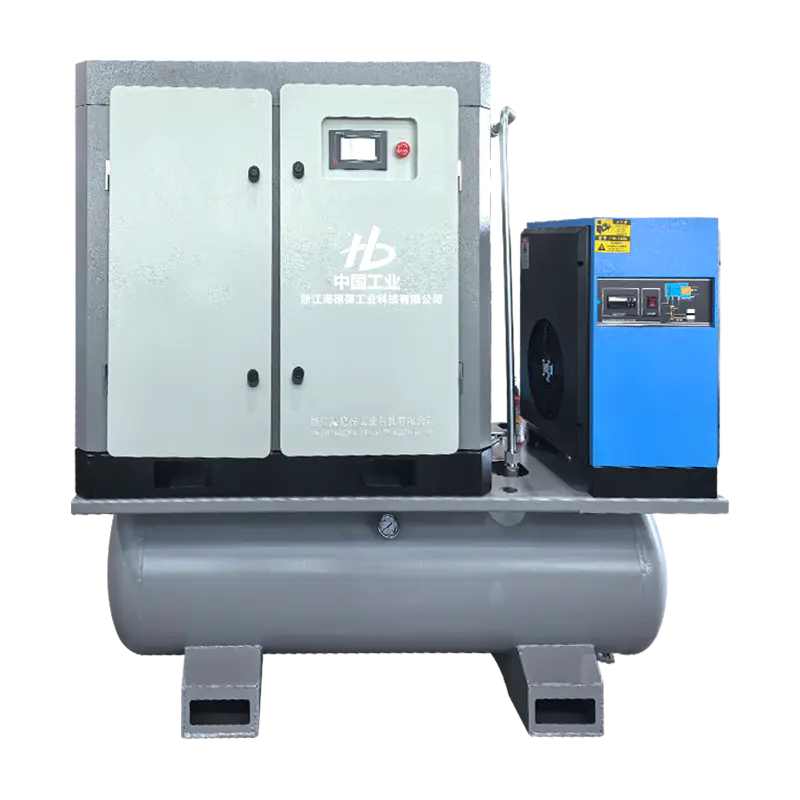
Micro-Oil Screw Air Compressors vs Traditional Oil-Free Air Compressors: Efficiency and Maintenance Compared

Thermodynamic Compression Profile, Multi-Stage Oil Separation Kinetics, and Rotor Meshing Dynamics of Micro-Oil Screw Air Compressors
Your email address will not be published. Required fields are marked *

A dedicated after-sales service department is established, consisting of a professional sales team and skilled technical engineers. They are committed to providing year-round support, traveling to customer locations to deliver prompt and high-quality service.

Tel:86-0570-7221666

E-mail:[email protected]

Add: No.2 Qiming Road, Zhejiang Longyou Economic Development Zone, Mohuan Township, Longyou County, Quzhou City, Zhejiang Province, China
Copyright © Zhejiang Haidebao Industrial Technology Co., Ltd.

Custom Industrial Screw Air Compressor Manufacturers