 EN
 English
 Español
 عربى


Product Consultation
Your email address will not be published. Required fields are marked *

At a metalworking plant, three quotes for a 75 hp screw compressor can look identical on the first page and still differ by 12% in delivered airflow, several decibels in sound pressure, and thousands of dollars in annual energy cost. The purchase decision is not a beauty contest between logos. It is a fit test between the compressed air load and the manufacturer’s ability to document, build, test, and support the machine. The practical conclusion: shortlist a screw air compressor manufacturer only after you have defined the duty point, oil requirement, control strategy, and service model. Then use the manufacturer’s evidence to confirm the promise.
Horsepower alone is a weak buying signal. A 75 hp unit rated at 100 psig does not deliver the same useful flow as a 75 hp unit rated at 125 psig, and the difference becomes larger when ambient temperature, altitude, cooling, and pipe pressure drop are included. Before comparing manufacturers, list the actual flow in cfm or m³/min at the required discharge pressure, the number of simultaneous users, the daily duty cycle, and the acceptable pressure band. Add 10% to 15% margin for leakage and future load, but avoid oversizing by 40% simply because the next model is on the price list.
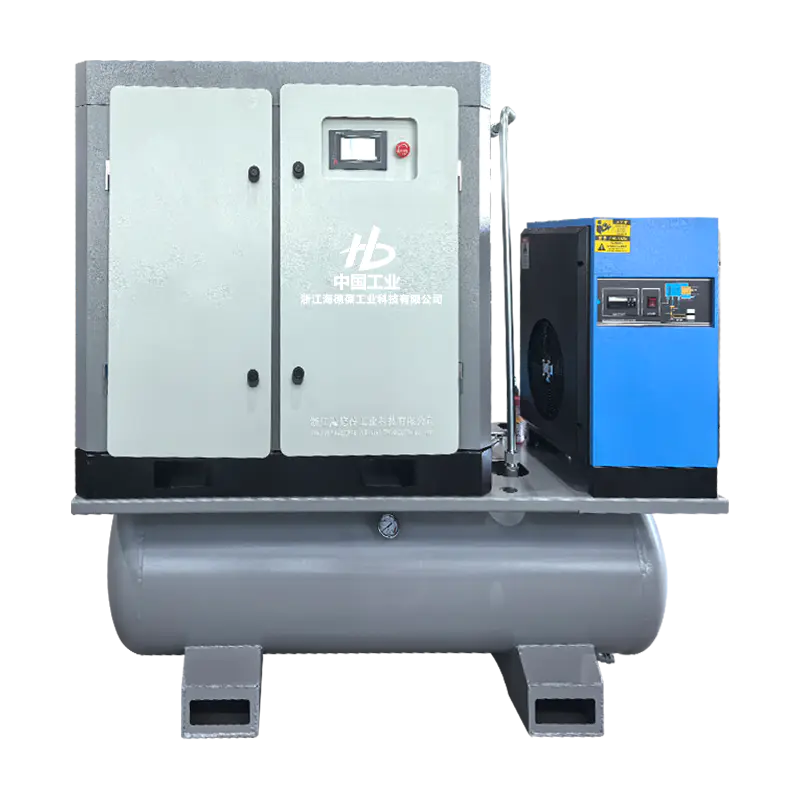
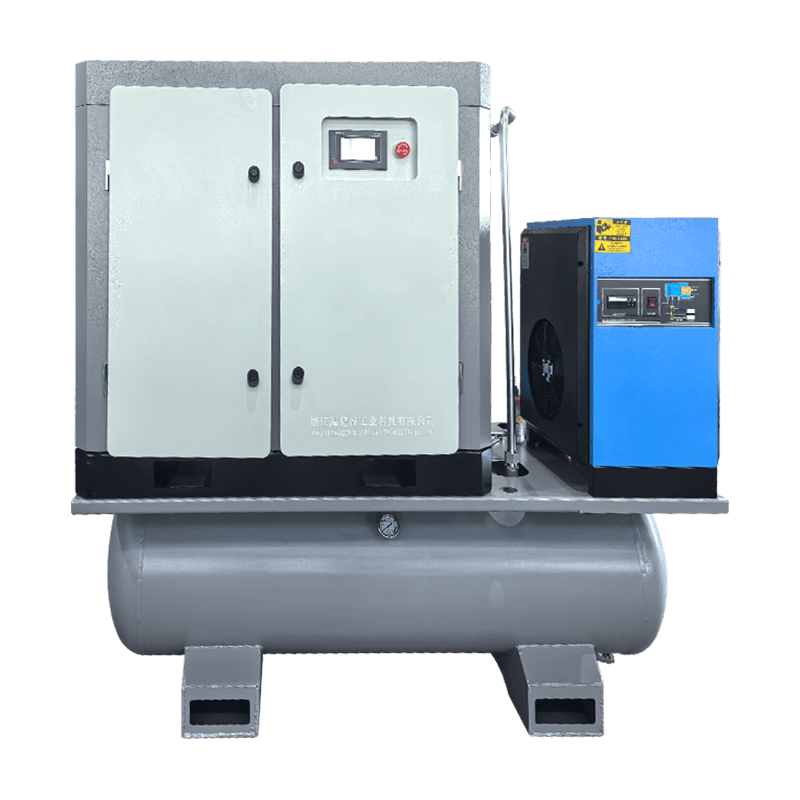
A smaller plant with one shift and intermittent demand may fit a 30 hp micro-oil single-stage machine better than a large fixed-speed unit that short-cycles. The same plant should still check whether the manufacturer can supply a package with the right receiver, dryer, and filtration rather than an isolated compressor.
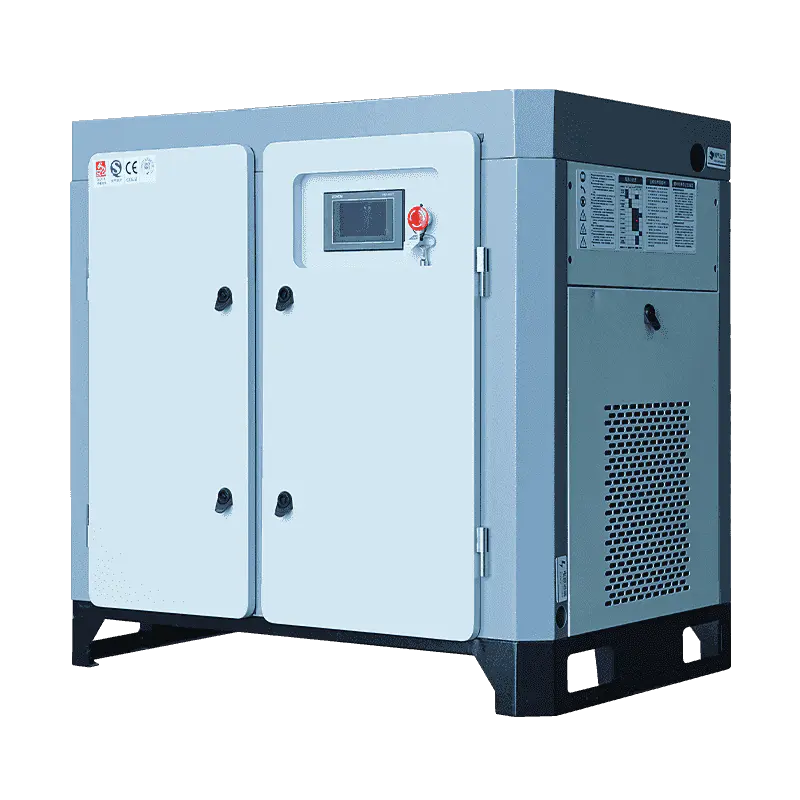
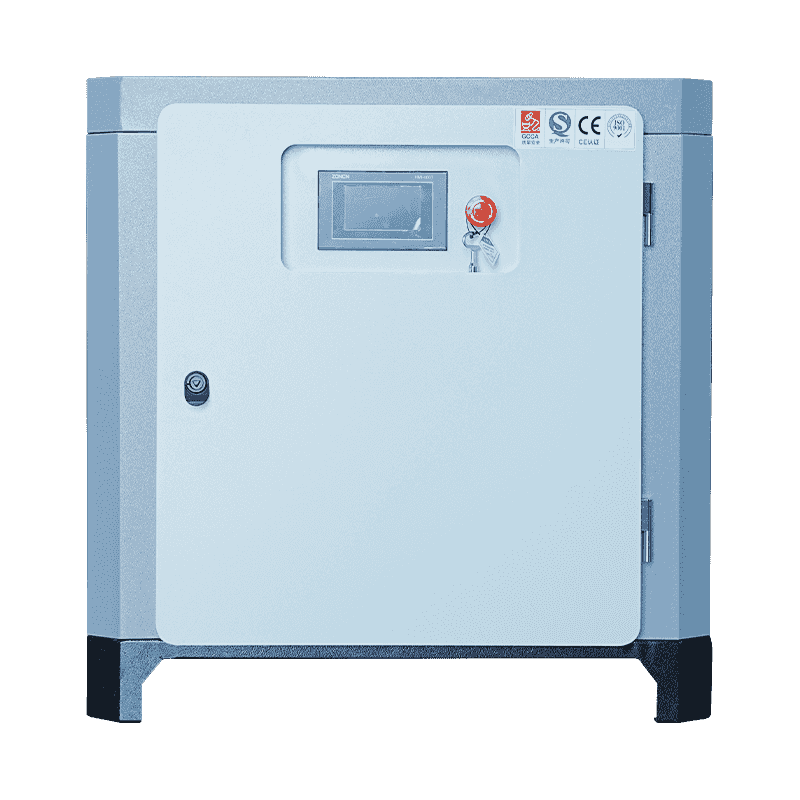
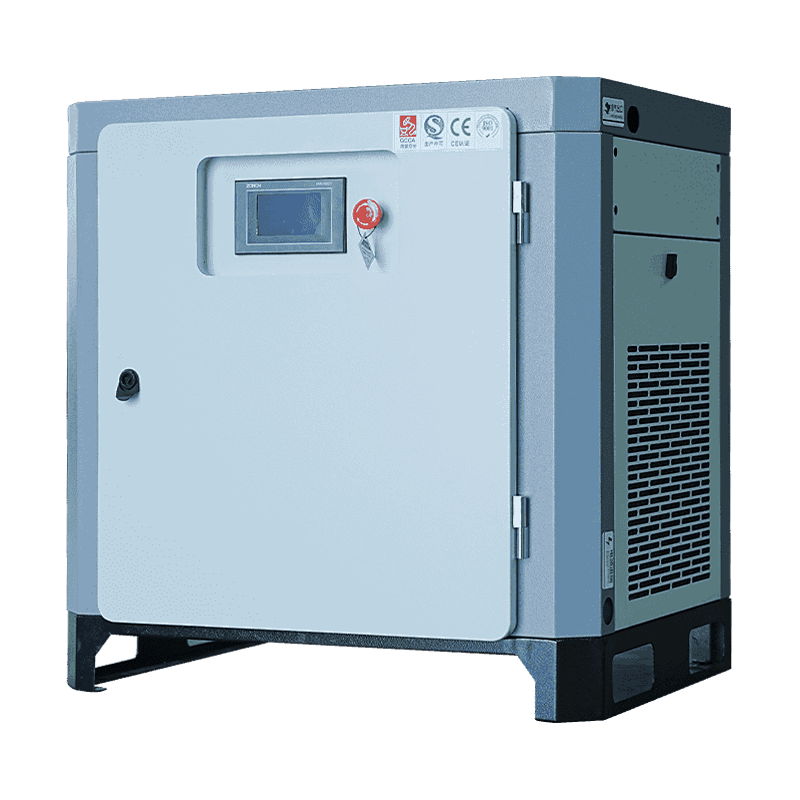
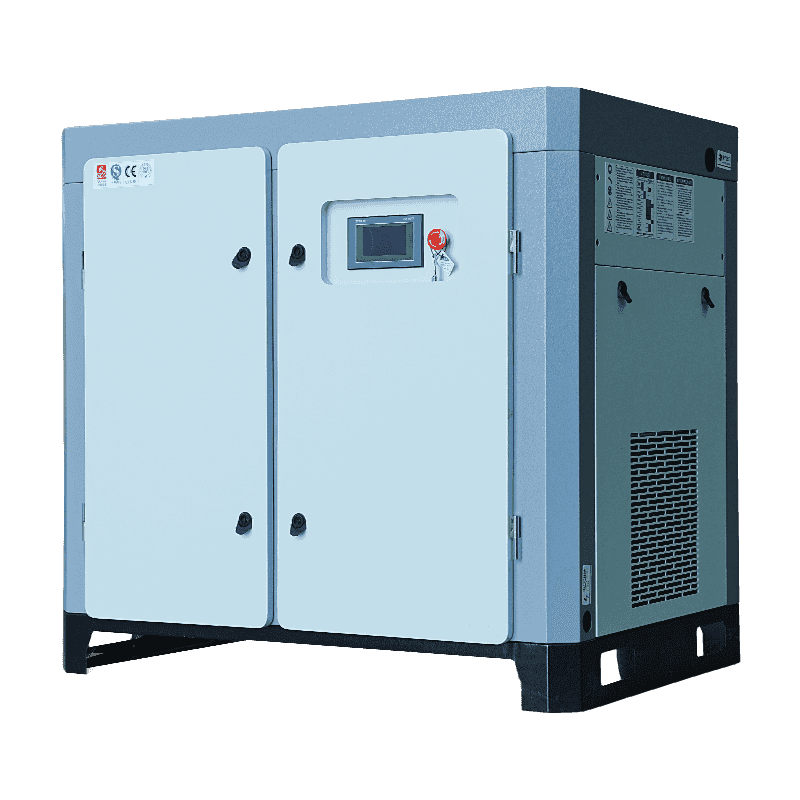
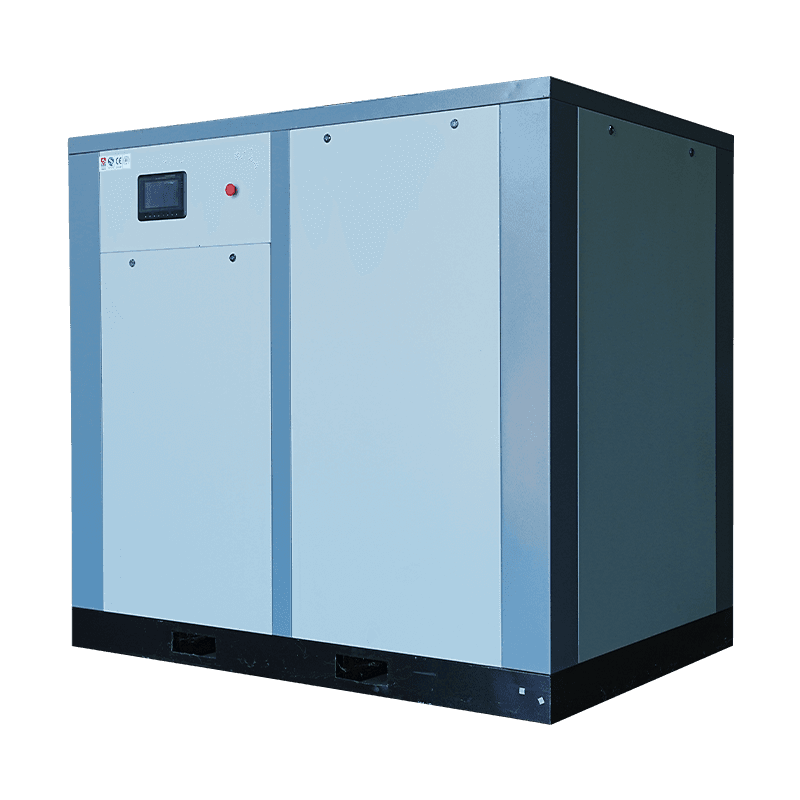
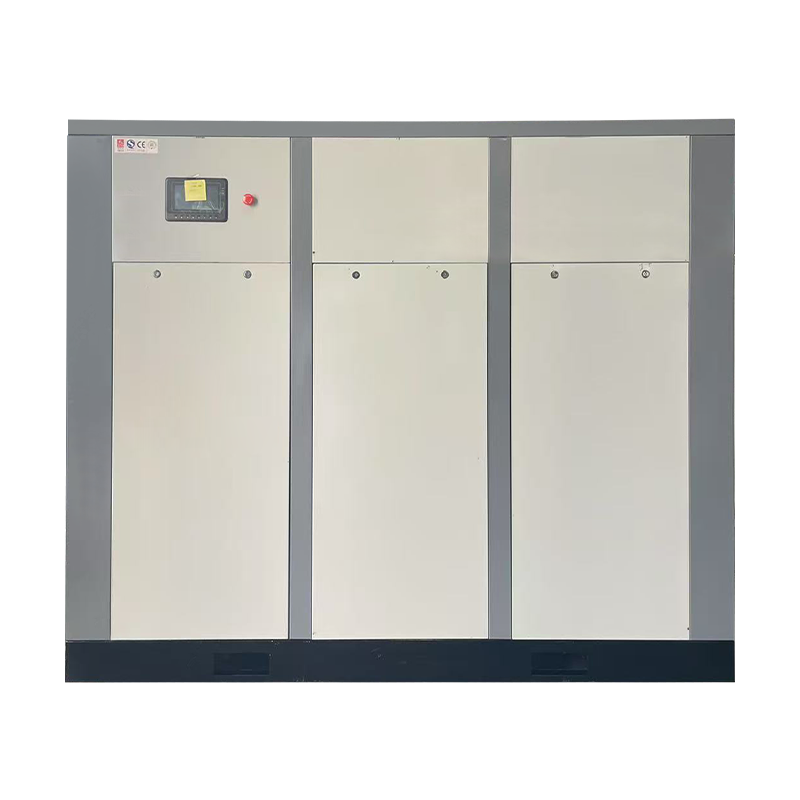
 30HP Micro-Oil Single-Stage Twin Screw CompressorA 30 hp micro-oil single-stage screw compressor with permanent-magnet motor and variable-speed control, relevant for smaller plants checking package fit and part-load suitability.View Product →
For a 30 hp class machine, ask for the declared flow at 100 psig and 125 psig, the package input power, the sound pressure level at 1 meter, and the minimum ambient and maximum ambient ratings. These four data points expose more about fit than a page of generic selling text.
Micro-oil screw compressors use oil in the compression chamber to seal, cool, and lubricate. They are common in general manufacturing, maintenance shops, packaging, and processes where a small oil carryover can be managed by filtration. Oil-free screw compressors use a different compression chamber design and are preferred where compressed air contacts food, pharmaceuticals, electronics, or breathing air. The cost difference is not only in the purchase price; oil-free machines often require tighter service competence, different coolants, and more careful filtration.
Do not treat “oil-free” as a marketing upgrade. Treat it as a process classification. If the compressed air touches the product directly, ask the manufacturer for the air-quality path: inlet filtration, intercooler and aftercooler design, condensate removal, and the recommended dryer class. If the air only drives cylinders or tools, a micro-oil unit with effective coalescing filtration is often the more economical choice.
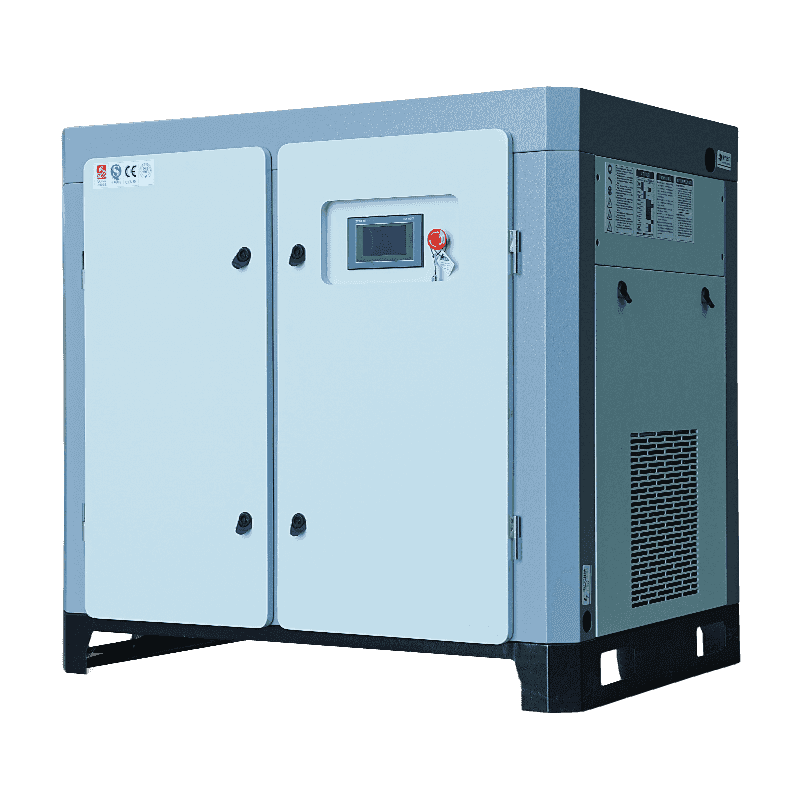
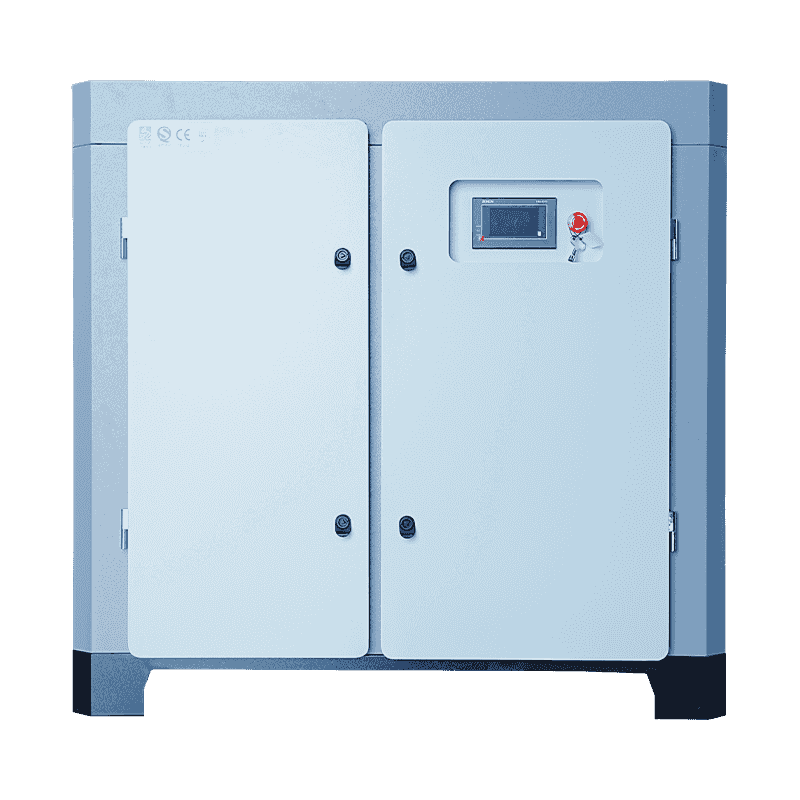
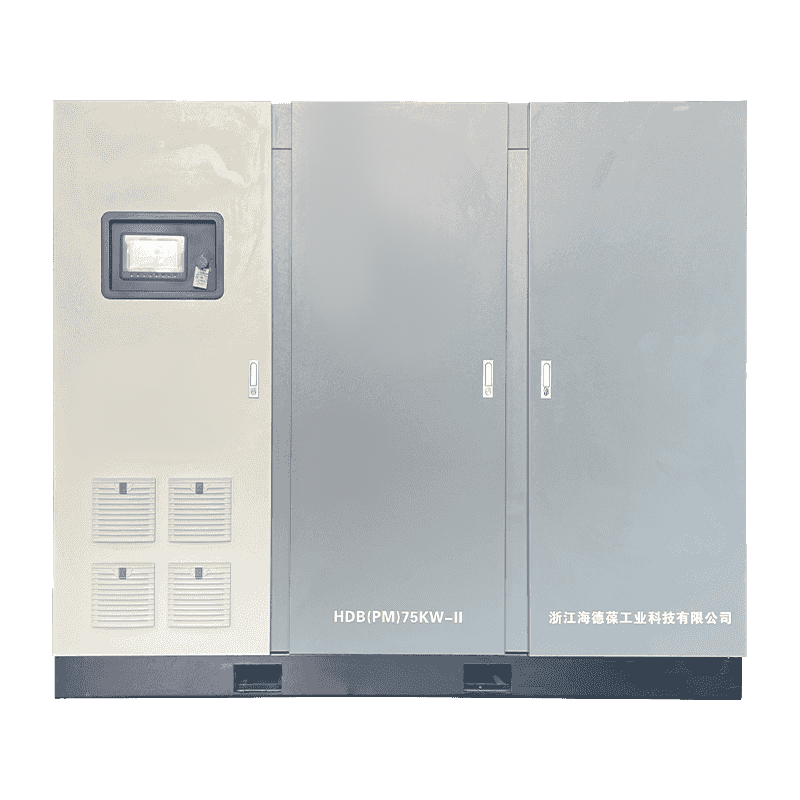
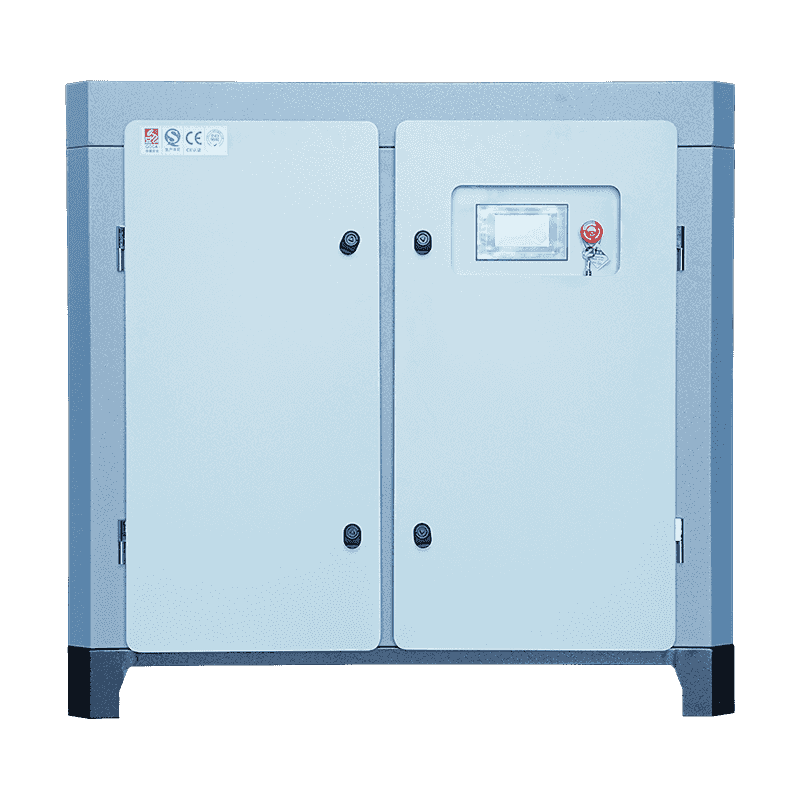 Custom Oil-Free Two-Stage Screw Air CompressorA customizable oil-free two-stage compressor with direct-drive permanent-magnet motor and intercooling, relevant when evaluating high-purity air quality and stage-specific maintenance.View Product →
For oil-free two-stage machines, request the maintenance plan for the high-pressure and low-pressure stages separately. Service intervals that look convenient on a brochure can become expensive if the first stage requires specialized parts or if the manufacturer cannot provide local technical support.
Two-stage compression splits the pressure rise across two rotor pairs, with intercooling between stages. At larger sizes and higher pressures, this can improve efficiency and reduce thermal load per stage. The trade-off is more parts, more sensors, and a greater need for competent service. A single-stage machine is simpler and often easier to maintain in smaller systems. The right choice depends on duty cycle, energy price, and the manufacturer’s ability to support the specific configuration.
| Horsepower band | Relative selection range | Common fit | Buyer check |
|---|---|---|---|
| 10–30 hp | ||||| | Small workshop, one shift, intermittent air | Confirm actual cfm at pressure |
| 50–75 hp | ||||||||| | Multi-bay maintenance, packaging, general assembly | Check part-load controls and receiver size |
| 100–120 hp | ||||||||||||| | Continuous duty, larger plant air | Review heat recovery, service access, and specific power |
A 100 hp two-stage micro-oil package can make sense where the plant runs long shifts and the electricity rate is high. It rarely makes sense where the load swings between 20% and 100% all day and the control system cannot match output efficiently. Ask for the part-load performance curve, not only the full-load number.
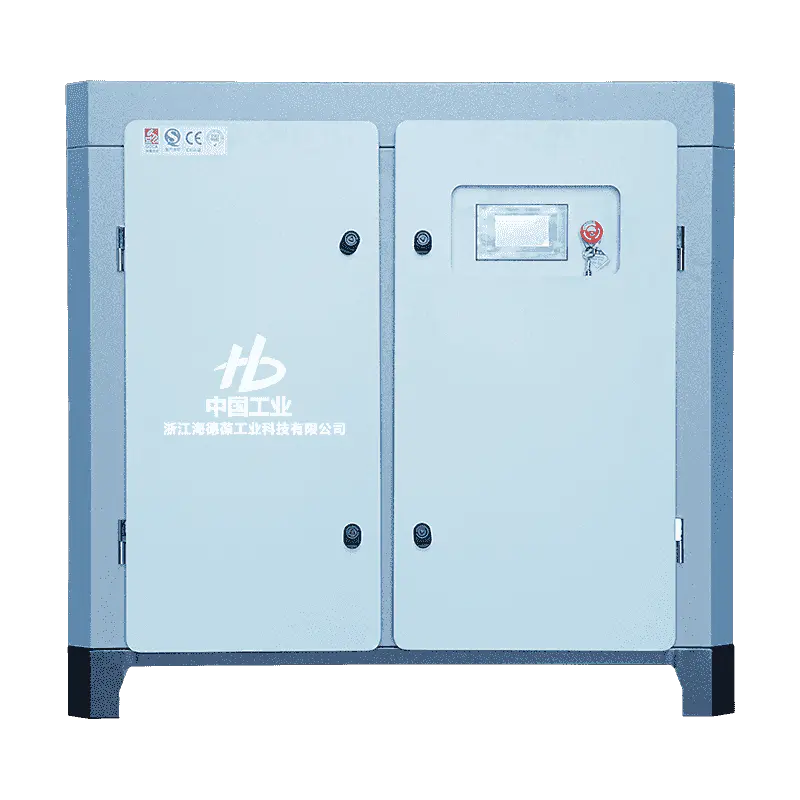
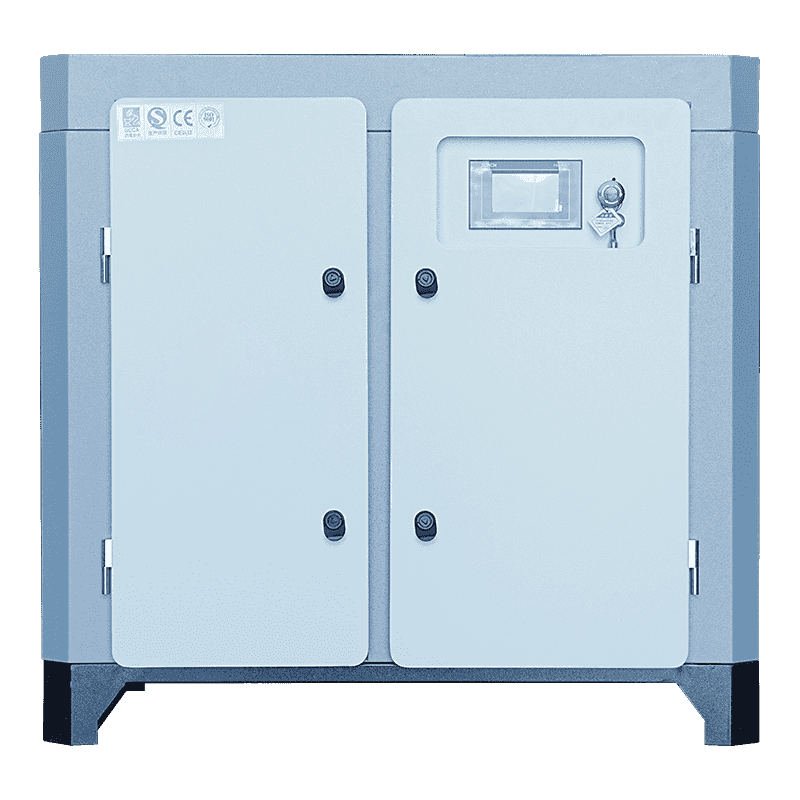
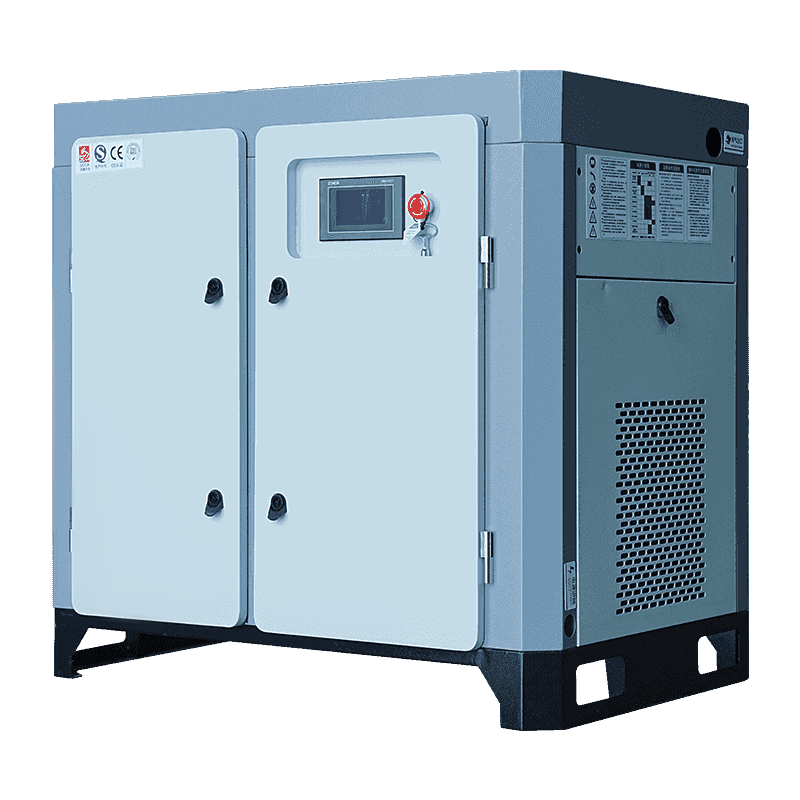
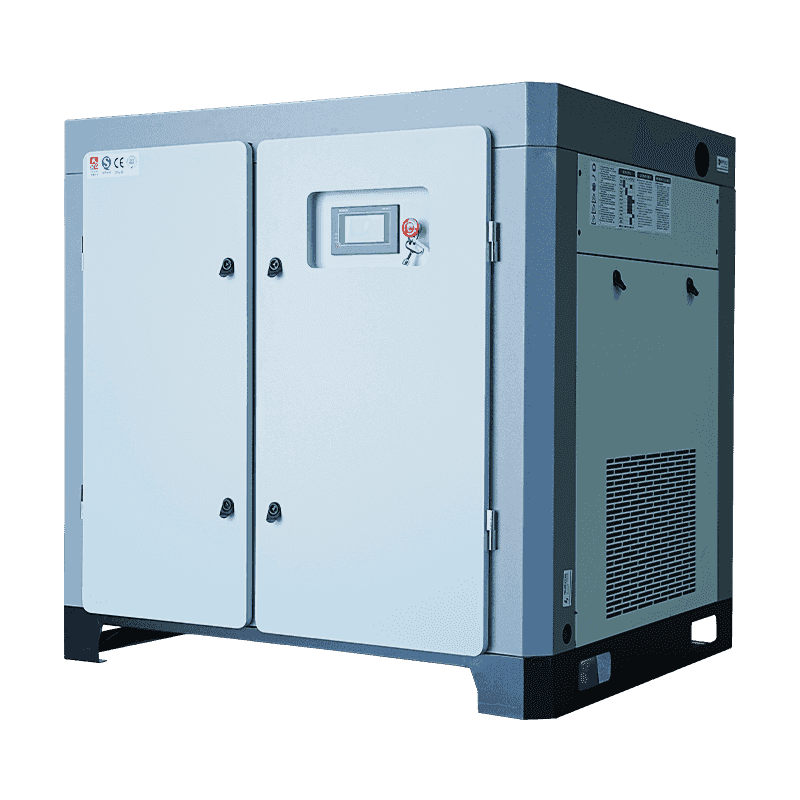
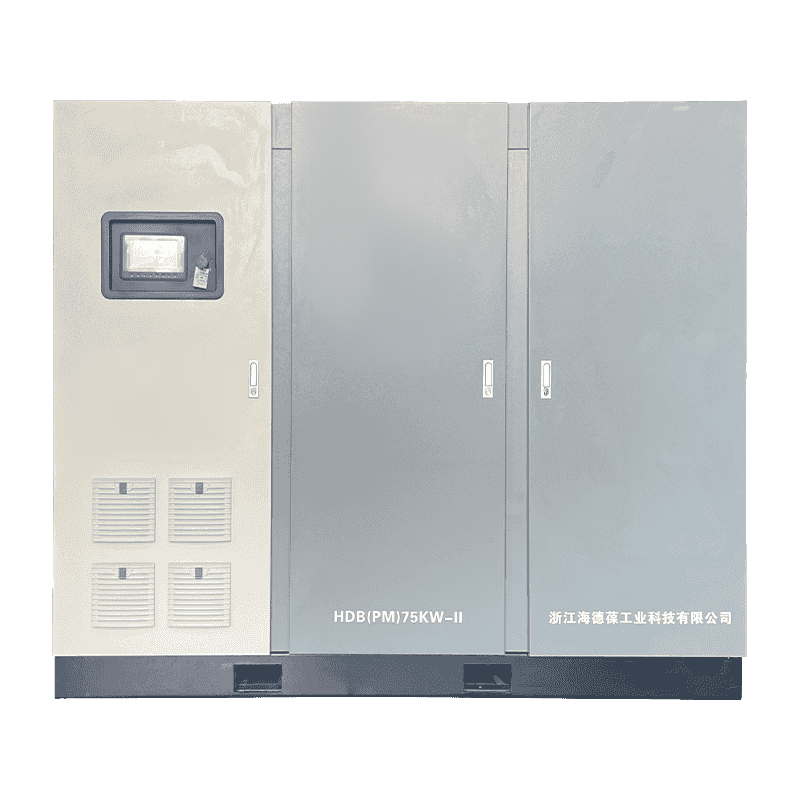
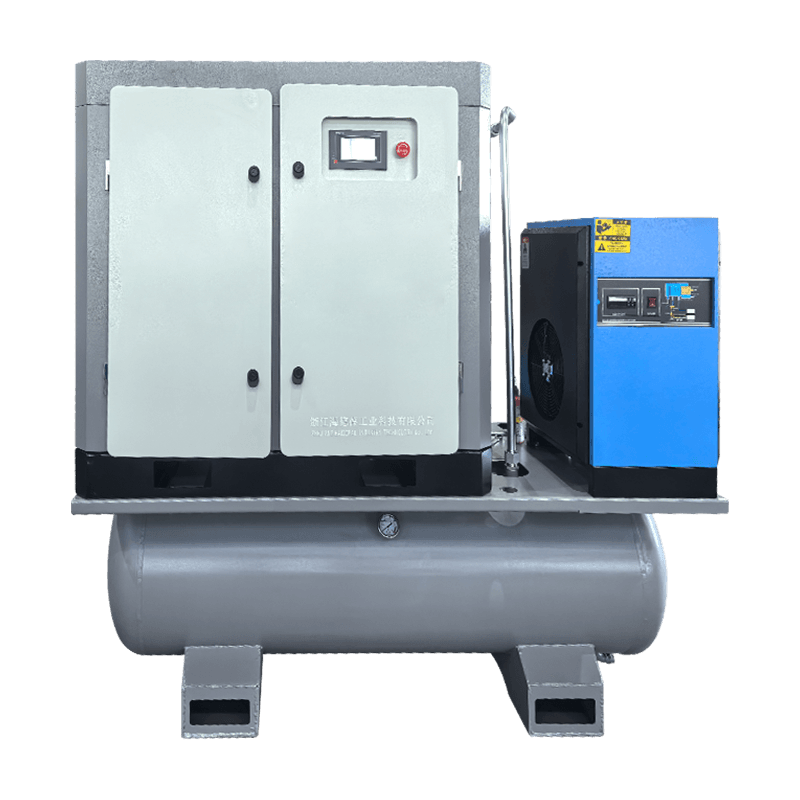
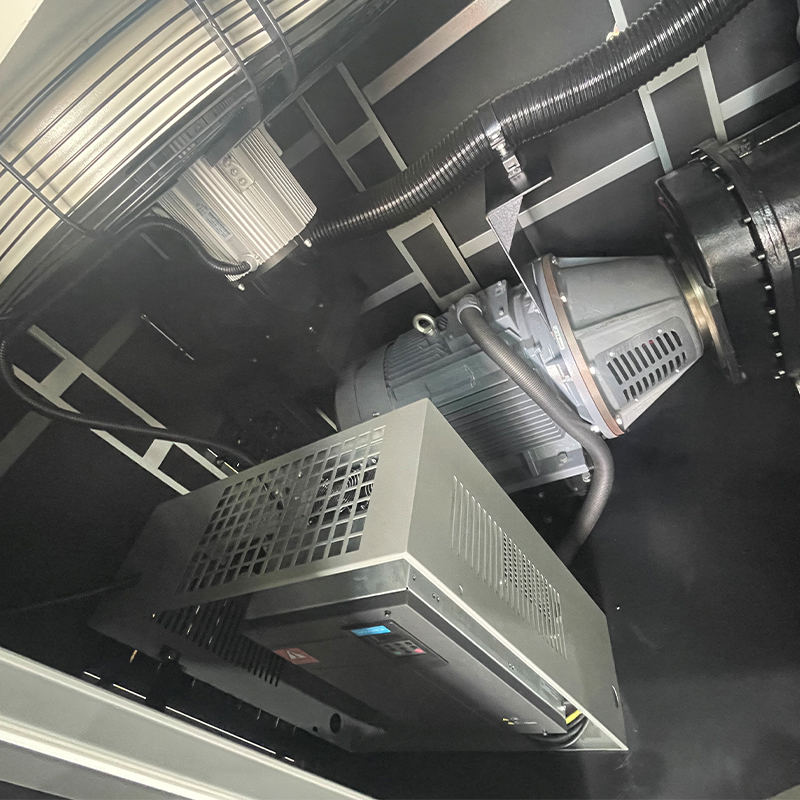 100HP Micro-Oil Two-Stage Twin Screw CompressorA 75 kW two-stage micro-oil compressor with 1:1 direct drive and oil-cooled permanent-magnet motor, relevant for long-shift plants comparing part-load performance.View Product →
For any two-stage model, compare the package at the same pressure and the same acceptance standard. A lower full-load power figure means little if it is quoted at a lower pressure or without the dryer and filters that the plant actually needs.
A quality certificate is a starting point, not a performance guarantee. Check the certificate revision, scope, issuing body, and expiry date. If a manufacturer cites an older revision such as ISO 9001:2000, ask whether the quality system has been updated and whether the certificate covers the exact compressor line you are buying. CE marking is also a compliance claim that should match the product type and the applicable directives.
More important is the test record. For each serial number, request the package test sheet: discharge pressure, flow, input power, specific power, noise, vibration, leak test, safety valve setting, and control sequence. A useful tolerance is a declared flow and power value with a stated acceptance method, such as a package test under ISO 1217 or an equivalent factory standard. If the manufacturer cannot state the tolerance, the catalog number is only an estimate.
For example, Zhejiang Haidebao Industrial Technology Co., Ltd. states that it follows ISO 9001:2000 quality standards, holds CE certification, and tests products through standardized manufacturing and inspection steps. Buyers should verify the current certificate and test documentation rather than relying on the logo alone. The company’s public company information is a reasonable place to start that check.
Factory photos show that a building exists; they do not show how the rotor clearance is controlled, how the cooler is leak-tested, or how the controller is validated. If you cannot visit, ask for a short video walkthrough that follows one machine from rotor assembly to test bay, with the serial number visible. Request calibration records for the test gauges, the torque specification for critical fasteners, and the leak-test pressure and hold time.
Also ask how the manufacturer handles component traceability. The rotor, motor, cooler, controller, and separator element should be identifiable by serial number or batch code. If a failure occurs in the first year, traceability shortens the diagnosis and reduces the risk of a disputed warranty claim. The factory and equipment page can confirm the manufacturing base, but the purchase order should still require serialized records.
A $2,000 lower purchase price disappears quickly if a separator element takes six weeks to arrive or if the local technician cannot read the controller fault log. Compare service response time, spare-parts stocking location, warranty terms, and the recommended maintenance intervals for the actual duty cycle. For continuous-duty plants, ask whether the manufacturer offers remote monitoring or at least a controller that logs pressure, temperature, and fault history.
Zhejiang Haidebao Industrial Technology Co., Ltd. states that it has a dedicated after-sales department with sales staff and technical engineers who provide year-round support and travel to customer sites. That is the right service model for industrial buyers, but the contract should still define response time, parts lead time, and who pays for travel and labor during warranty.
Use the same shortlist for every screw air compressor manufacturer you evaluate. This keeps the comparison commercial rather than emotional.
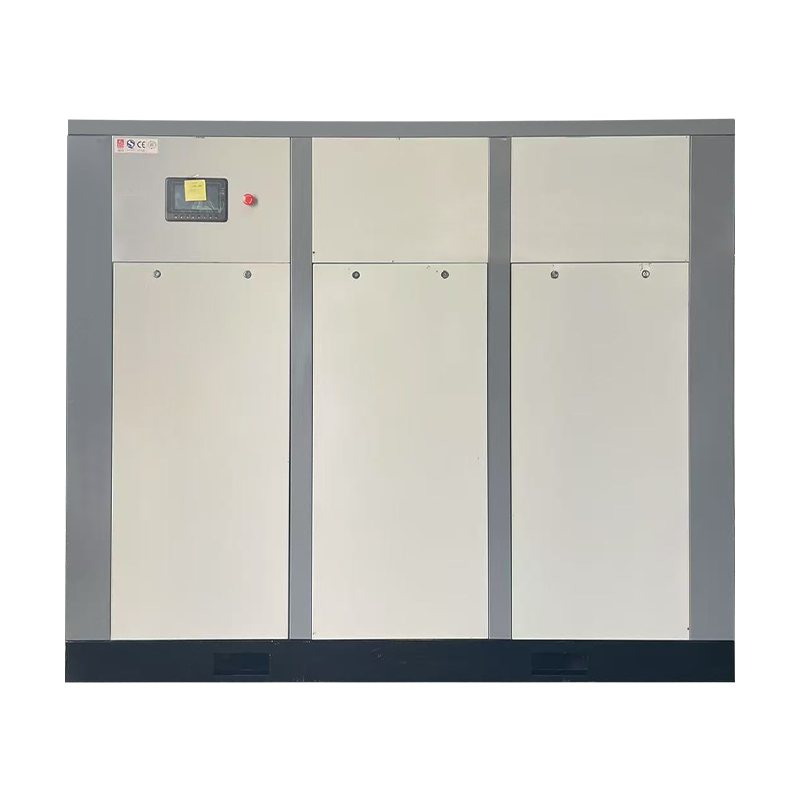
Zhejiang Haidebao Industrial Technology Co., Ltd., based in Quzhou, China, states that it manufactures micro-oil and oil-free twin-screw compressors in single- and two-stage configurations, with micro-oil models listed from 10 hp to 120 hp. For a newer manufacturer, documentation discipline matters more, not less. A buyer should verify the current quality certificate, request the test sheet for the exact model, and confirm the after-sales route before placing the order. That is how a screw air compressor manufacturer becomes a supported supply decision rather than a catalog name.
Your email address will not be published. Required fields are marked *
A dedicated after-sales service department is established, consisting of a professional sales team and skilled technical engineers. They are committed to providing year-round support, traveling to customer locations to deliver prompt and high-quality service.

Tel:86-0570-7221666

E-mail:[email protected]

Add: No.2 Qiming Road, Zhejiang Longyou Economic Development Zone, Mohuan Township, Longyou County, Quzhou City, Zhejiang Province, China
Copyright © Zhejiang Haidebao Industrial Technology Co., Ltd.

Custom Industrial Screw Air Compressor Manufacturers