 EN
EN  English
 Español
 عربى
عربى

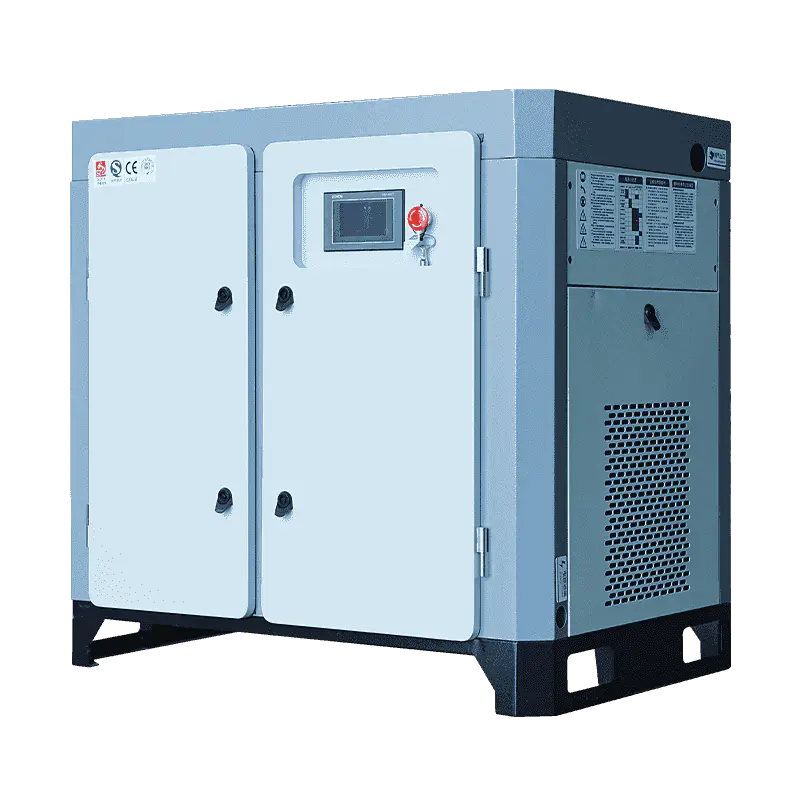
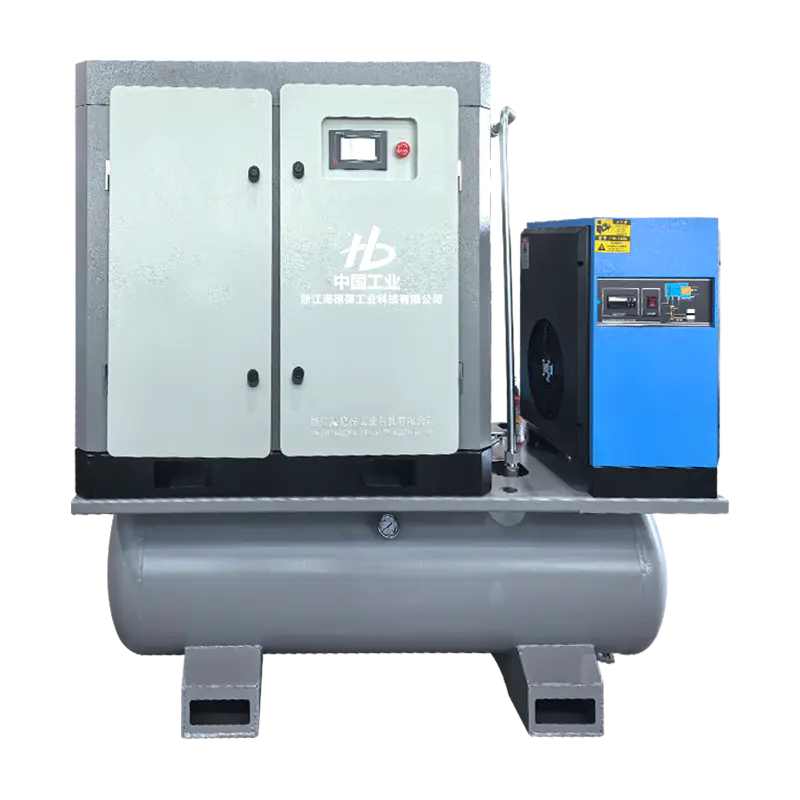
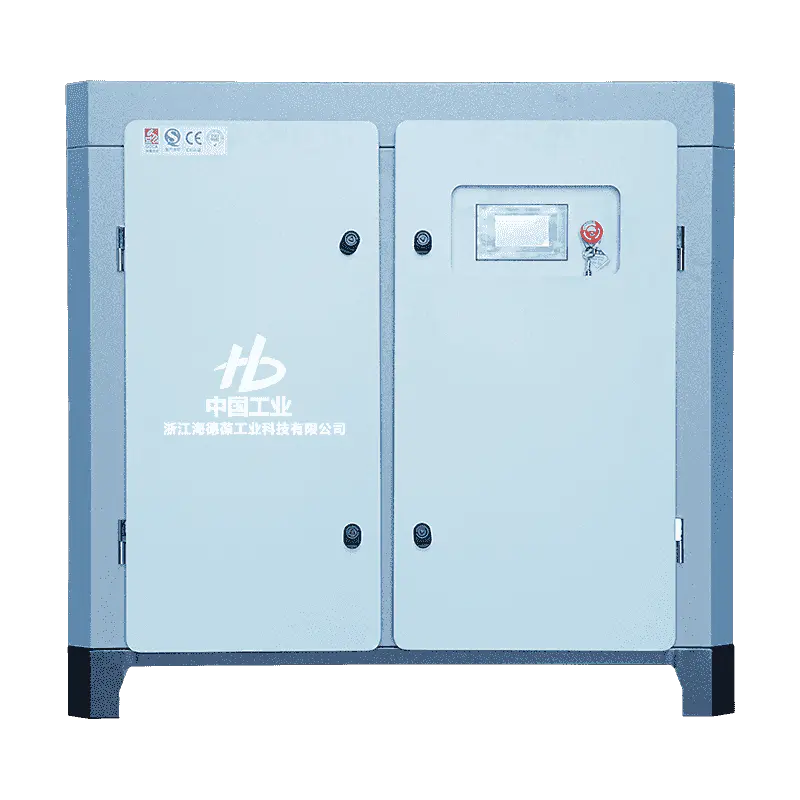
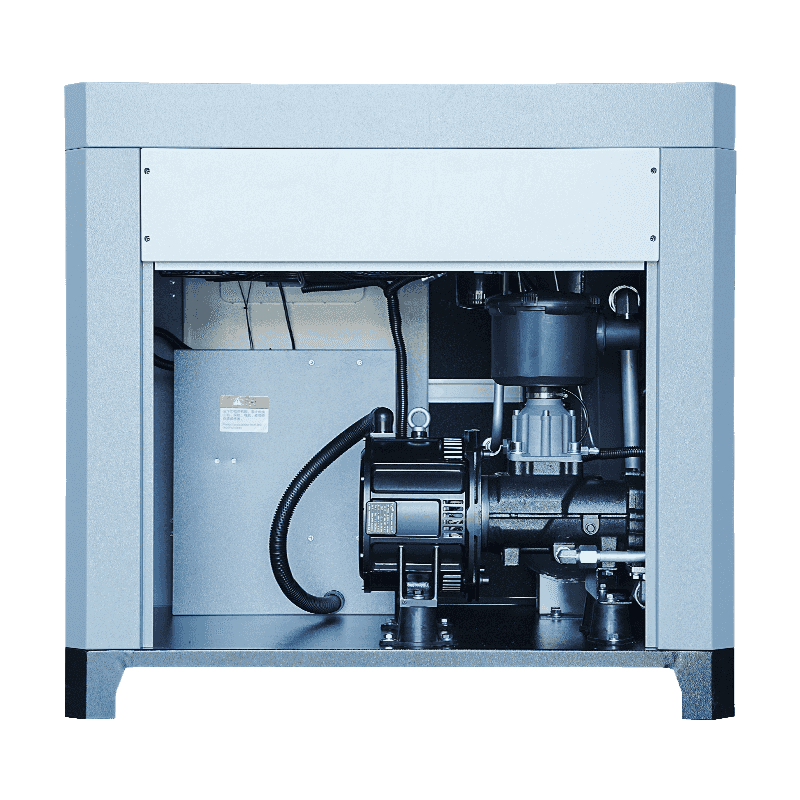
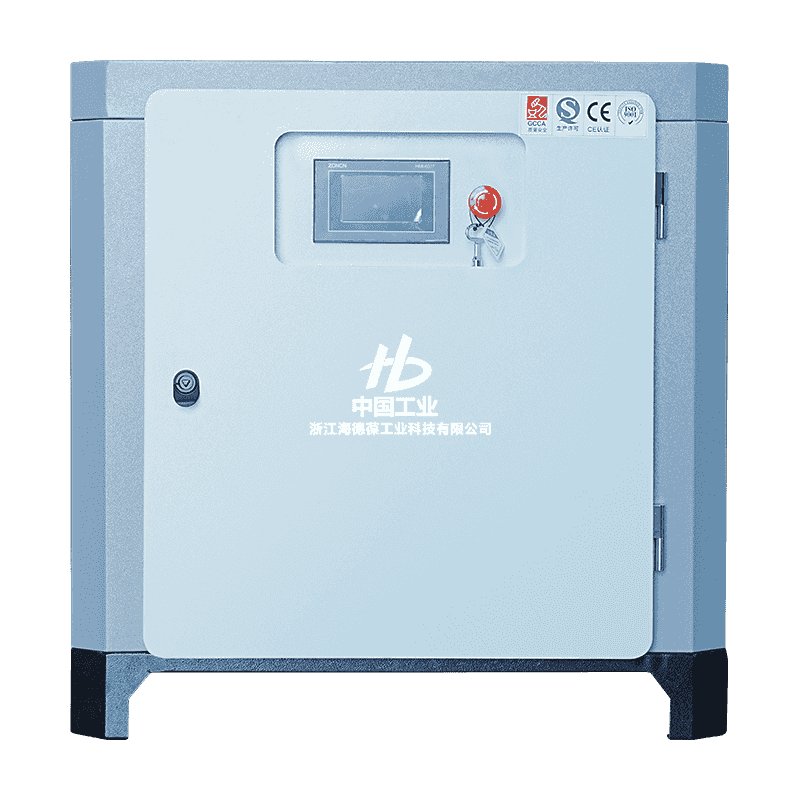
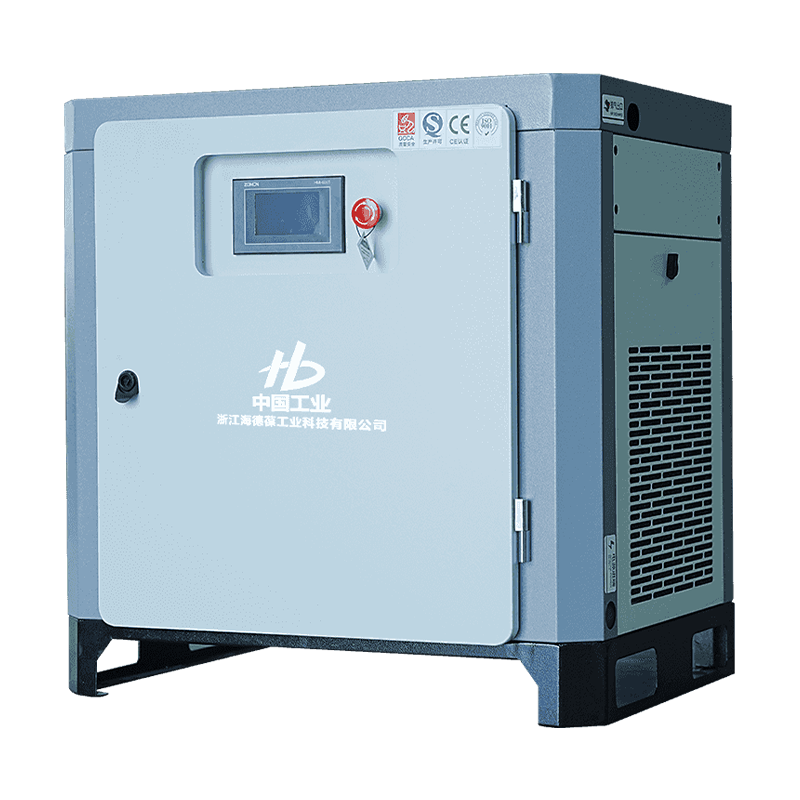
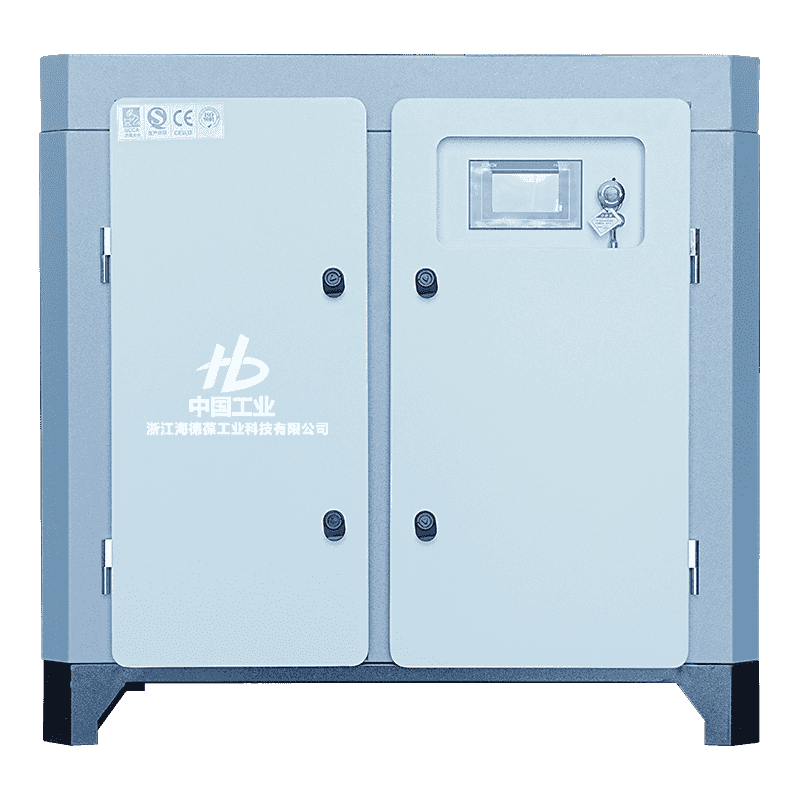
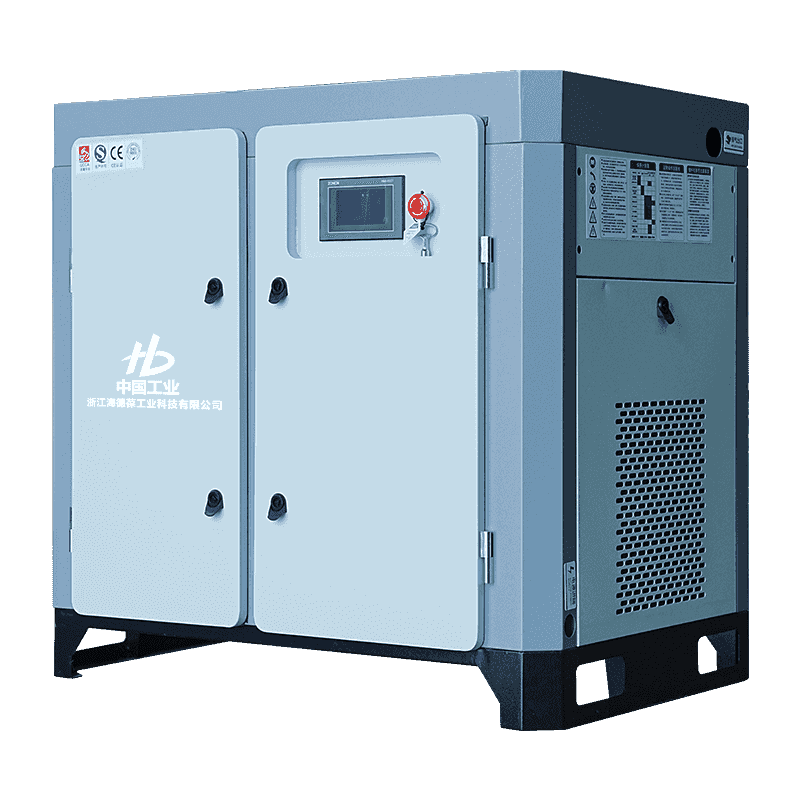
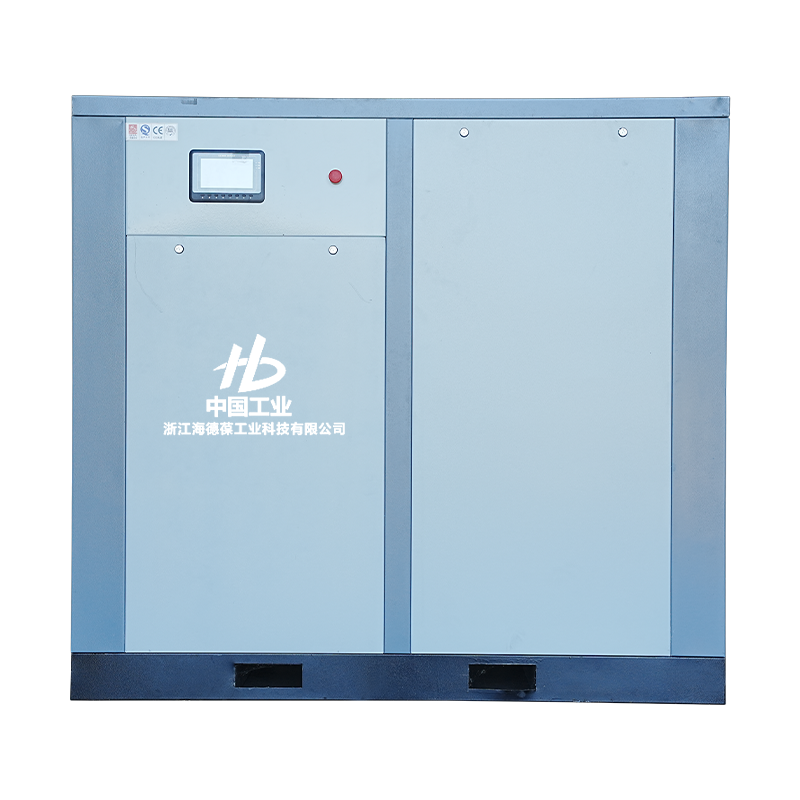
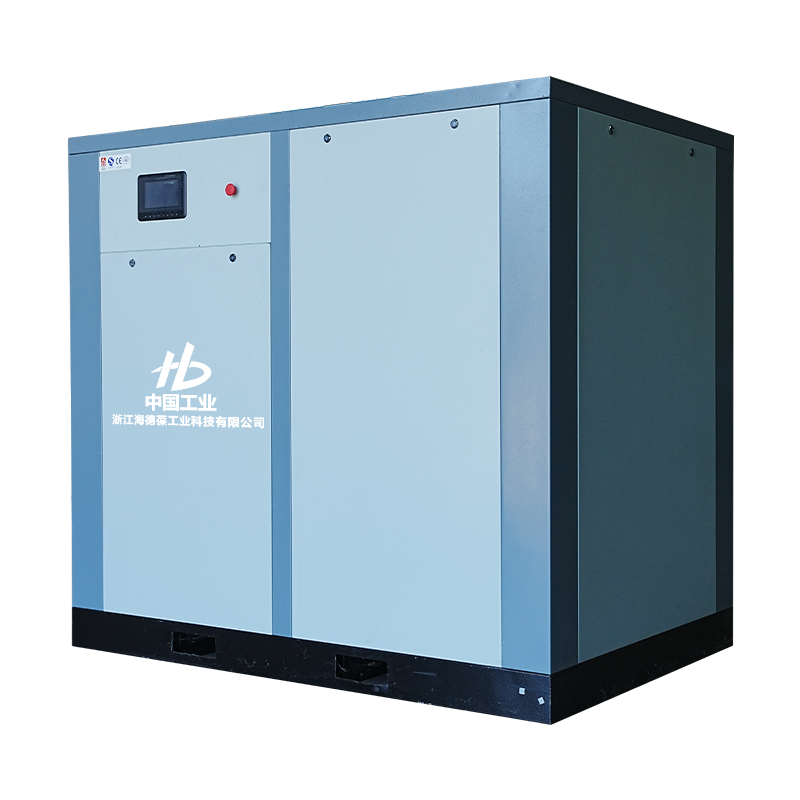
In high-capacity industrial manufacturing, selecting an compressed air framework is one of the most critical capital expenditure decisions a facility director can make. For decades, the debate between oil-free compression systems and lubricated options has forced factories to weigh high operational risks against extreme maintenance budgets. Today, the micro-oil screw air compressor represents the optimal technical solution for industrial operations requiring a balance of continuous reliability, high thermodynamic efficiency, and stringent air purity.
The Direct Conclusion: Why Micro-Oil Systems Control the Market
For more than 85% of industrial applications—including precision manufacturing, heavy automotive assembly, structural steel fabrication, and packaging plants—the micro-oil screw air compressor provides a demonstrably superior return on investment compared to entirely oil-free machinery.
The engineering logic is straightforward: utilizing trace amounts of high-grade synthetic lubricant during the compression cycle acts as a sealant, coolant, and mechanical buffer within the screw rotors. This mechanical advantage eliminates the friction-induced thermal spikes common in oil-free systems, resulting in an immediate 15% to 25% energy consumption reduction. Coupled with advanced multi-stage separation filtration, these systems achieve an air discharge purity that safely meets downstream process specifications while significantly lowering the initial purchase price and extending core component life by up to 40,000 operational hours.
Comparative Technical Architecture: Micro-Oil vs. Oil-Free Systems
To make an informed asset procurement decision, plant engineers must examine the structural differences between a micro-oil screw air compressor and dry-compression (oil-free) alternatives. The core mechanical variance centers on the presence of oil injection within the compression chamber.
| Engineering Parameter | Micro-Oil Screw Air Compressor | Pure Oil-Free Screw Compressor |
| Thermodynamic Coolant | Direct oil injection absorbs heat at source. | Requires external water jackets or dual stages. |
| Rotor Lifespan (Hours) | 60,000 – 80,000 (Protected by fluid film) | 30,000 – 40,000 (Teflon/Special coatings degrade) |
| Energy Efficiency (Specific Power) | Excellent (6.2 – 6.8 kW/m³/min at 8 bar) | Moderate (7.5 – 8.5 kW/m³/min at 8 bar) |
| Initial Capital Outlay (CAPEX) | Standard Base Rate (1.0x baseline cost) | Premium Asset Cost (1.8x – 2.5x baseline cost) |
| Overhaul Complexity & Cost | Low (Standard bearing and seal swap) | High (Complete airend replacement required) |
The Thermodynamic Advantage of Fluid-Injected Compression
Air compression is inherently an exothermic thermodynamic process. As air is squeezed inside a rotary screw chamber, its molecular kinetic energy escalates rapidly, generating substantial heat. In an oil-free system, temperatures inside the airend can quickly soar past 200°C (392°F). This extreme heat forces the system to rely on two distinct compression stages with an intercooler positioned between them to avoid catastrophic thermal expansion and rotor seizure.
Engineering Formula: In a micro-oil screw air compressor, synthetic lubricant is injected directly into the moving airend at a controlled temperature. This fluid directly absorbs the heat of compression, maintaining internal system temperatures well below 90°C (194°F). This single-stage, near-isothermal compression curve dramatically reduces thermal stress and ensures exceptional volumetric efficiency.
Total Cost of Ownership (TCO) and Lifecycle Analysis
High-value industrial procurement strategies prioritize total lifecycle costs over initial purchase prices. When a facility evaluates a micro-oil screw air compressor across a 10-year operational horizon, the financial advantages become undeniable. Energy consumption accounts for approximately 75% of the total lifetime cost of an air compressor, while capital equipment costs and maintenance comprise the remaining 25%.
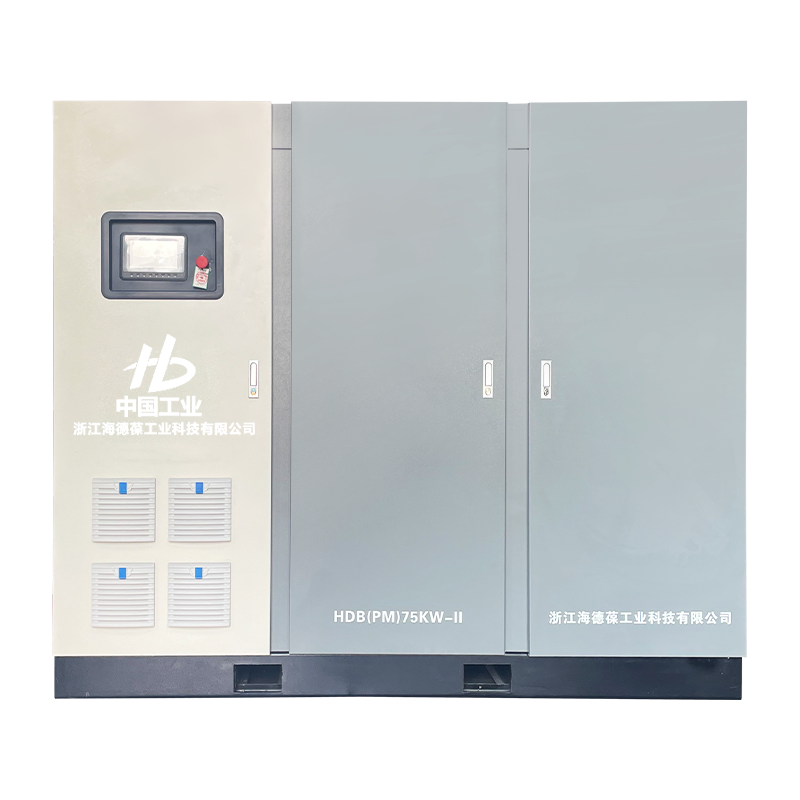
Consider a mid-sized automotive components plant operating a 75 kW air compressor for 6,000 hours annually at an electricity rate of $0.12 per kWh. Because a micro-oil system operates with higher volumetric efficiency—averaging a specific power input savings of 1.2 kW per cubic meter of air delivered per minute—the direct electricity cost savings can exceed $14,000 annually. Over a decade of consistent operation, this single asset saves the facility more than $140,000 in raw utility expenditures alone.
The Operations Director's Financial Summary
While oil-free machinery is marketed as zero-maintenance regarding fluid replacements, the mechanical reality tells a different story. When an oil-free airend reaches its wear limit, the specialized rotor coatings flake off, dropping system pressure and necessitating a full airend replacement. A micro-oil system merely requires regular, cost-effective fluid and filter changes to consistently maintain factory-grade efficiency for decades.
Achieving High Purity via Multi-Stage Air Processing
A frequent concern for industrial operators involves oil carryover into the downstream distribution network. Modern micro-oil configurations address this challenge by integrating high-efficiency, multi-stage mechanical and coalescing separation technologies directly into the internal chassis.
The cleaning process begins inside the main separator vessel, where centrifugal force removes approximately 99.9% of the bulk oil from the compressed air stream. The air then passes through a micro-glass fiber coalescing filter element. This advanced filtration layer captures tiny oil aerosols, reducing the remaining oil content to less than 2 parts per million (mg/m³). For facilities that require even higher air quality, adding an inline activated carbon tower removes remaining hydrocarbon vapors, lowering residual oil content below 0.003 mg/m³ to deliver clean, instrument-grade air.
Mechanical Stability and Vibration Attenuation
The structural longevity of a rotary screw setup depends heavily on minimizing rotational vibration and mechanical friction. In an oil-free air compressor, the male and female rotors cannot touch; they must be synchronized by complex external timing gears running dry. This configuration creates high mechanical noise levels (often exceeding 85 dBA) and increases sensitivity to microscopic ambient dust particles.
Conversely, the micro-oil screw air compressor leverages the physical properties of its synthetic fluid film. The injected oil creates a dynamic hydraulic layer between the interlocking rotor lobes. This fluid barrier allows the male rotor to smoothly drive the female rotor without any direct metal-to-metal contact, dampening operational acoustic output to a quiet 62–68 dBA. This dampening effect shields the precision internal roller bearings from shock loads, ensuring quiet operation and protecting nearby plant personnel from excessive noise pollution.
Operational Blueprint for Industrial Integration
Successfully deploying a heavy-duty rotary screw system within an existing production line requires careful attention to specific mechanical installation protocols.
- Thermal Environment Control: Ensure the compressor room has adequate ventilation. While the internal oil circulation loop acts as a heat sink, the heat must still be rejected from the fluid cooler via ambient air exchange to prevent localized thermal tripping.
- Lubricant Maintenance Regimen: Utilize dedicated, premium synthetic PAO (Polyalphaolefin) fluids. Mixing disparate oil chemistry types can cause fluid polymer varnish to precipitate, which clogs the internal heat exchanger matrices and accelerates bearing wear.
- Condensate Separation Strategy: Implement zero-loss electronic drains on the moisture separators. The condensed water collected from industrial air lines contains trace oil molecules and must pass through an oil-water separator before entering municipal drains to ensure environmental compliance.
- Smart Sequencing Architecture: When matching multiple units together, use an integrated master controller. This allows a variable speed drive micro-oil compressor to handle fluctuating demand trims while fixed-speed units manage the base industrial load.
Frequently Asked Questions
What is the typical oil carryover rate in a modern micro-oil screw air compressor?
Through advanced primary mechanical separation combined with dual coalescing filters, the typical oil carryover rate is less than 2 mg/m³ (2 ppm). With an optional downstream activated carbon filter, oil content can be further reduced to under 0.003 mg/m³ for demanding processes.
How often does the synthetic fluid need to be replaced in these units?
Under normal operating temperatures (around 80°C to 85°C), high-grade synthetic lubricants are designed to run for 4,000 to 8,000 hours of continuous operation before requiring replacement. Regular oil analysis programs can help safely extend these service intervals.
Can a micro-oil screw air compressor be used in food packaging or pharmaceutical applications?
Yes, provided appropriate downstream filtration is installed. By equipping the system with water-separating coalescing filters, particulate filters, and a catalytic or carbon oil-vapor removal tower, the air quality can easily meet ISO 8573-1 Class 1 or Class 0 standards for sensitive industrial packaging.
What causes varnish buildup inside the screw compressor's internal oil loop?
Varnish buildup typically occurs when a unit runs excessively hot (above 100°C) for long periods, or when fluid changes are neglected. Thermal degradation causes the oil to oxidize, leaving a sticky residue on the rotors and heat exchangers that requires specialized flush agents to clean.
Why do micro-oil air compressors consume less energy than completely oil-free models?
The injected fluid seals the clearances between the rotating screw lobes, which stops pressurized air from slipping back to the low-pressure suction side. This high sealing efficiency, combined with lower friction and excellent heat dissipation, ensures the system uses less energy per cubic meter of compressed air delivered.