
 EN
EN  English
 Español
 عربى
عربى
Product Consultation
Your email address will not be published. Required fields are marked *

A twin screw air compressor is the right choice for facilities that need continuous, high-volume compressed air with minimal pulsation — but it is not automatically the best option for every application. Compared to single screw or reciprocating designs, twin screw units typically deliver smoother output and lower vibration, yet they demand more precise rotor manufacturing and different maintenance discipline. Choosing correctly means weighing duty cycle, air quality requirements, and lifecycle cost rather than defaulting to whichever type is most familiar.
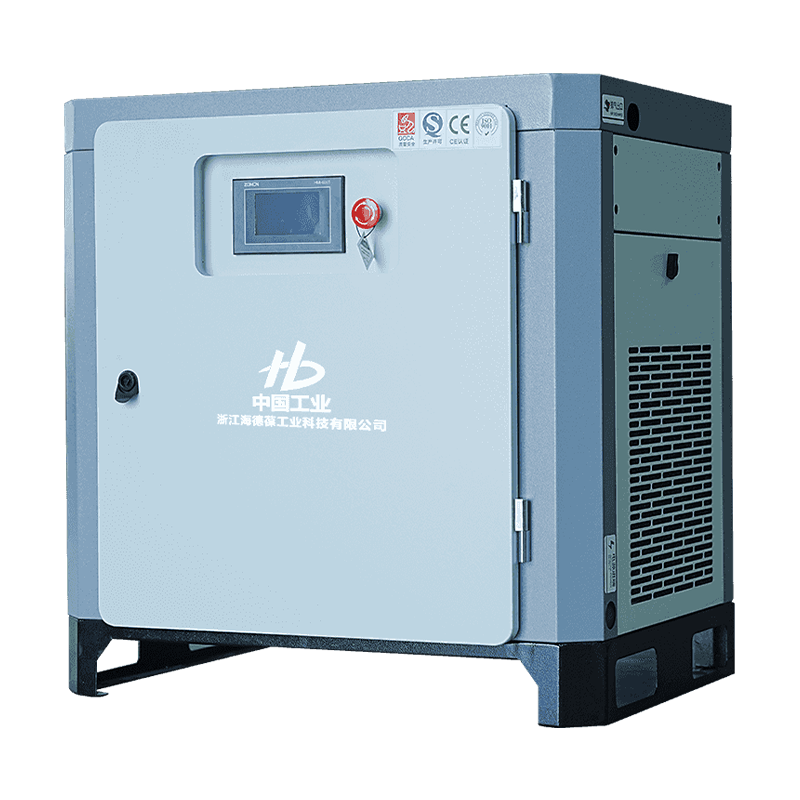
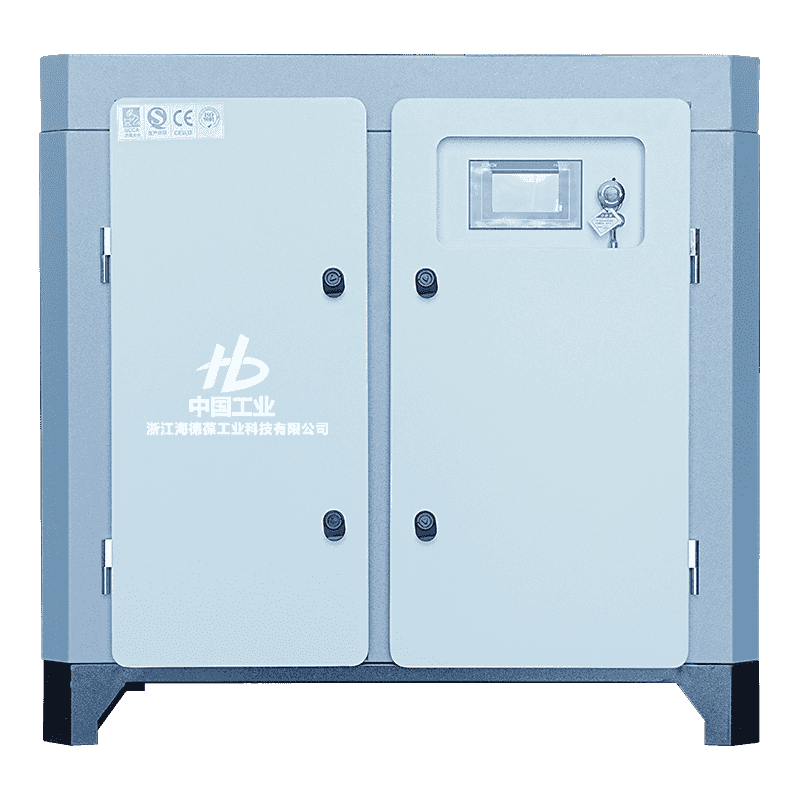
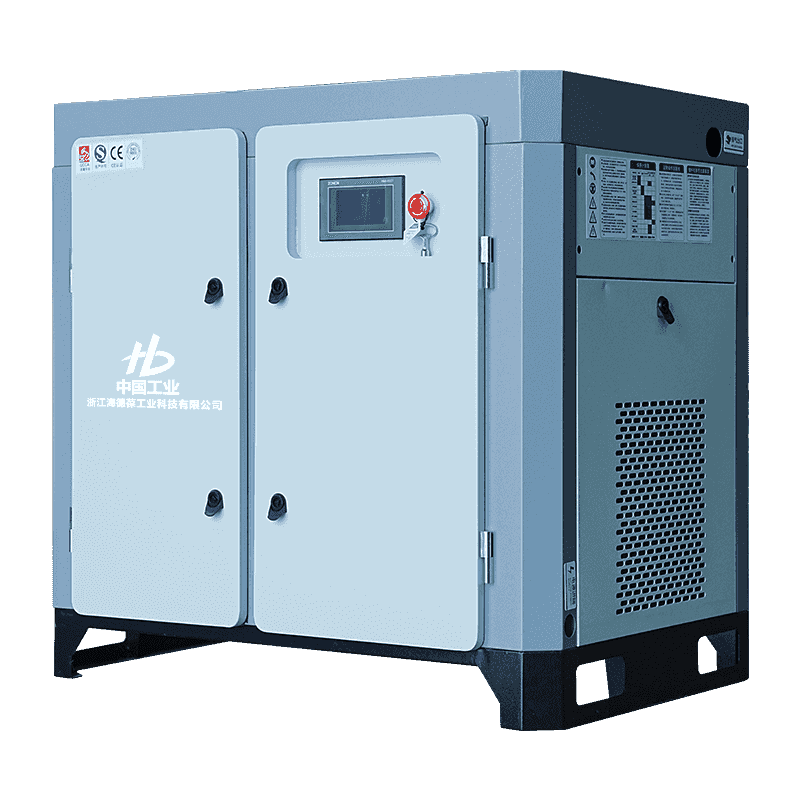
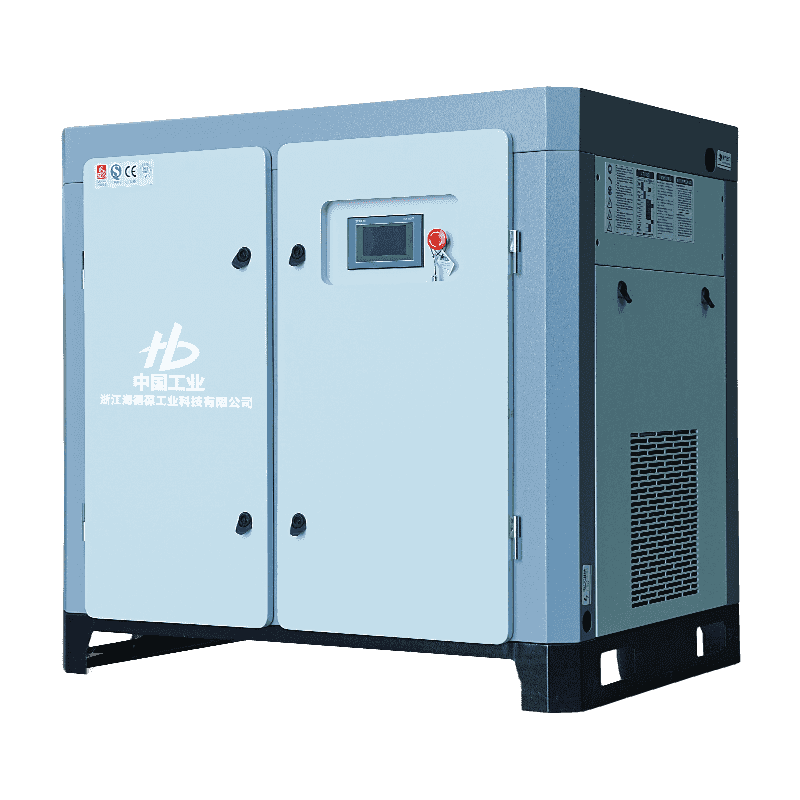
A twin screw air compressor uses two meshing helical rotors — one male, one female — that rotate in opposite directions inside a close-tolerance housing. As the rotors turn, air is drawn in, progressively trapped in the shrinking space between the rotor lobes, and compressed continuously as it moves along the rotor length toward the discharge port. Because compression happens continuously rather than in discrete strokes, output pressure is far more stable than in piston-based designs, with pressure pulsation typically under 2%, compared to noticeable pulsation in reciprocating compressors.
This continuous action is also why twin screw units run cooler under sustained load. Heat is generated steadily and can be managed with oil injection or cooling systems designed for constant operation, rather than the intermittent heat spikes typical of piston compressors cycling on and off.
Comparing a twin screw air compressor against the two other common designs clarifies where it genuinely outperforms and where it doesn't.
| Compressor Type | Duty Cycle | Noise Level | Typical Lifespan |
| Reciprocating | Intermittent (50–70%) | High (85–95 dB) | 8–10 years |
| Single Screw | Continuous (90–100%) | Moderate (75–80 dB) | 12–15 years |
| Twin Screw | Continuous (100%) | Moderate (72–78 dB) | 15–20 years |
Reciprocating compressors remain cheaper upfront and adequate for intermittent, low-volume needs such as small workshops. But for continuous industrial demand, a twin screw air compressor generally outlasts a reciprocating unit by roughly double the service life while running quieter and requiring fewer valve-related repairs, since it has no valves, pistons, or crankshaft components to wear out. Against single screw designs, twin screw units usually offer better efficiency at partial loads because the balanced rotor pair distributes mechanical stress more evenly, reducing bearing wear over time.
Energy cost dominates the lifetime expense of any air compressor, often accounting for 70–80% of total cost of ownership over a 10-year period, with the purchase price representing only a small fraction. This is where the specific engineering of a twin screw air compressor matters most.
For a facility running at variable load throughout the day — common in manufacturing where compressed air demand spikes during specific production phases — a VSD twin screw air compressor frequently pays back its price premium within 18–30 months purely through reduced electricity consumption.
Twin screw compressors require less frequent maintenance than reciprocating units but demand more precision when service is performed. Rotor clearances are manufactured to tolerances often measured in microns, so improper reassembly or contamination during servicing can cause efficiency losses or rotor contact damage that piston-based systems simply aren't as sensitive to.
| Maintenance Task | Typical Interval |
| Oil and filter change | 2,000–4,000 operating hours |
| Air/oil separator replacement | 6,000–8,000 operating hours |
| Intake filter cleaning/replacement | 500–1,000 operating hours |
| Rotor and bearing inspection | Annually or every 8,000 hours |
The most common cause of premature failure in a twin screw air compressor is not rotor wear but oil degradation or contamination, which increases friction and heat between the rotors. Facilities that stick to scheduled oil analysis rather than fixed calendar intervals alone tend to catch early warning signs — rising moisture content or particulate levels — well before a failure occurs.
Oversizing is one of the most expensive and common mistakes when specifying a twin screw air compressor. An oversized unit spends more time cycling between load and unload states, which increases wear on control valves and wastes energy during unloaded running, even though the compressor isn't producing usable air during that time.
A more accurate approach involves logging actual air demand over a representative production period — ideally one to two weeks — capturing peak demand, average demand, and how much that demand fluctuates. Facilities with relatively flat, continuous demand are well served by a single fixed-speed twin screw unit sized close to average demand with a smaller secondary unit for peaks. Facilities with highly variable demand benefit more from a VSD unit that can track fluctuations directly, avoiding the inefficiency of cycling a large fixed-speed compressor on and off.
Cooling method is another point where twin screw air compressor options diverge significantly based on facility environment. Air-cooled units are simpler to install, require no water supply or discharge infrastructure, and suit most standard industrial settings. Water-cooled units, while requiring additional plumbing and a cooling tower or chiller loop, handle high-ambient-temperature environments more effectively and tend to run with more stable discharge temperatures in facilities where ambient air regularly exceeds 35°C.
For a facility in a hot climate running compressors continuously, the extra installation complexity of water cooling is often justified by more consistent performance and reduced thermal stress on rotor bearings over time, compared to an air-cooled unit straining to reject heat in already-warm ambient air.
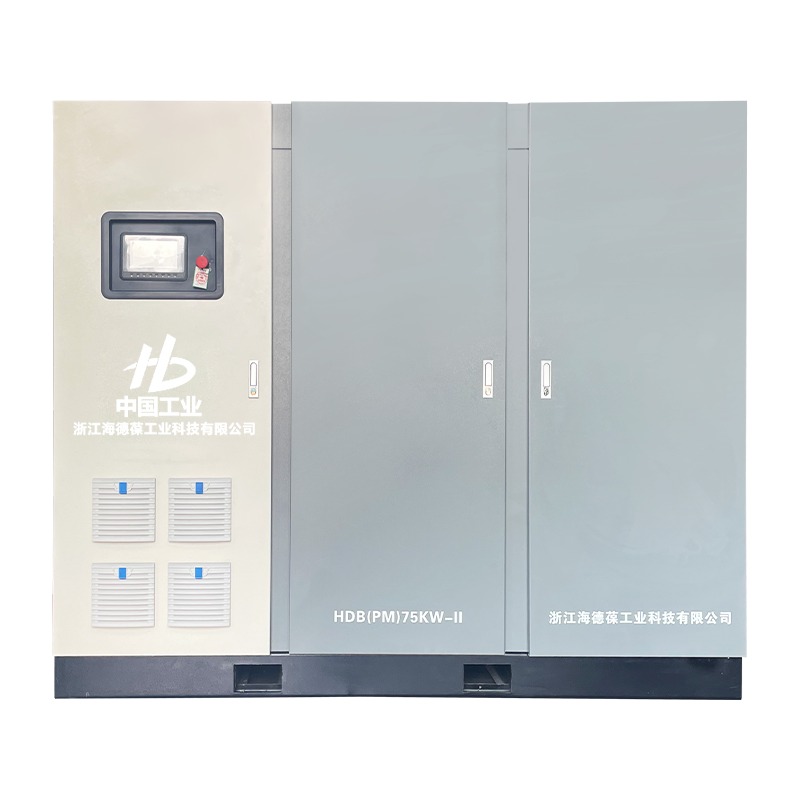
Micro-Oil Screw Air Compressor vs Oil-Flooded and Oil-Free: Which Fits

The Engineered Equilibrium: Evaluating the Industrial Supremacy of the Micro-Oil Screw Air Compressor in Modern Manufacturing
Your email address will not be published. Required fields are marked *

A dedicated after-sales service department is established, consisting of a professional sales team and skilled technical engineers. They are committed to providing year-round support, traveling to customer locations to deliver prompt and high-quality service.

Tel:86-0570-7221666

E-mail:[email protected]

Add: No.2 Qiming Road, Zhejiang Longyou Economic Development Zone, Mohuan Township, Longyou County, Quzhou City, Zhejiang Province, China
Copyright © Zhejiang Haidebao Industrial Technology Co., Ltd.

Custom Industrial Screw Air Compressor Manufacturers