
 EN
EN  English
 Español
 عربى
عربى
Product Consultation
Your email address will not be published. Required fields are marked *

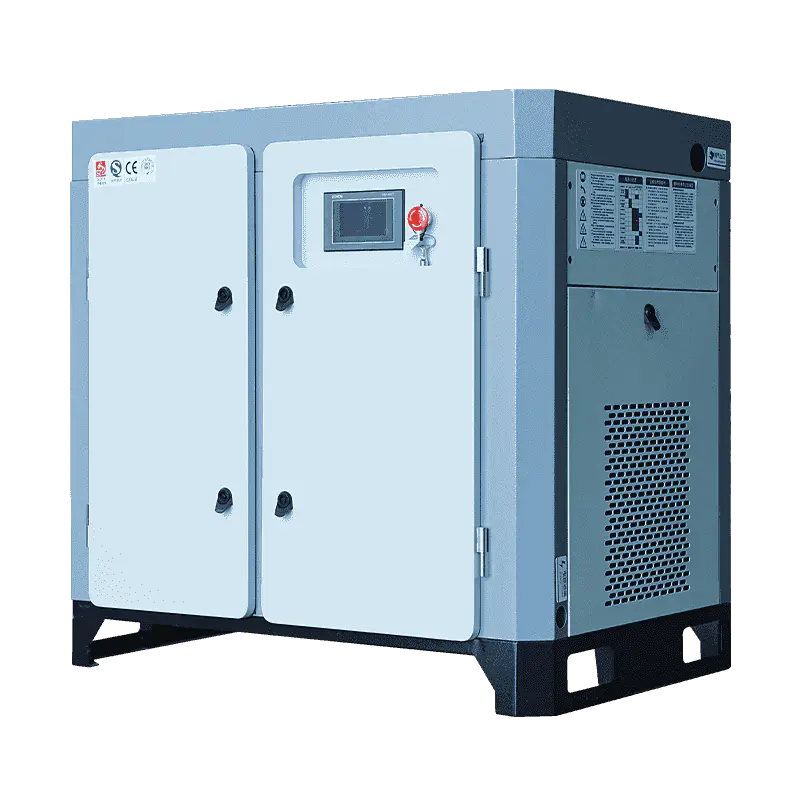
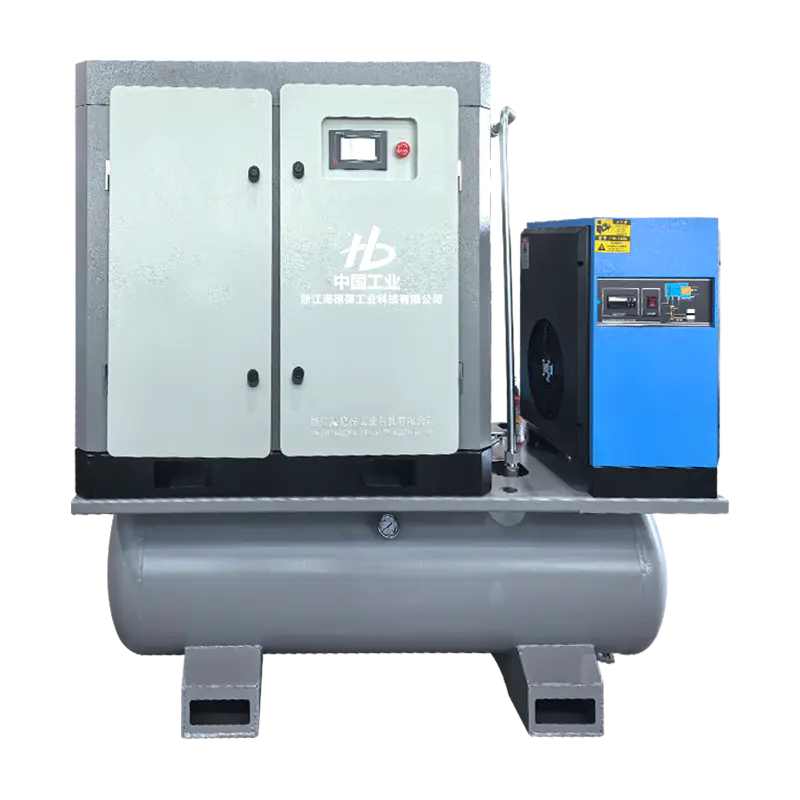
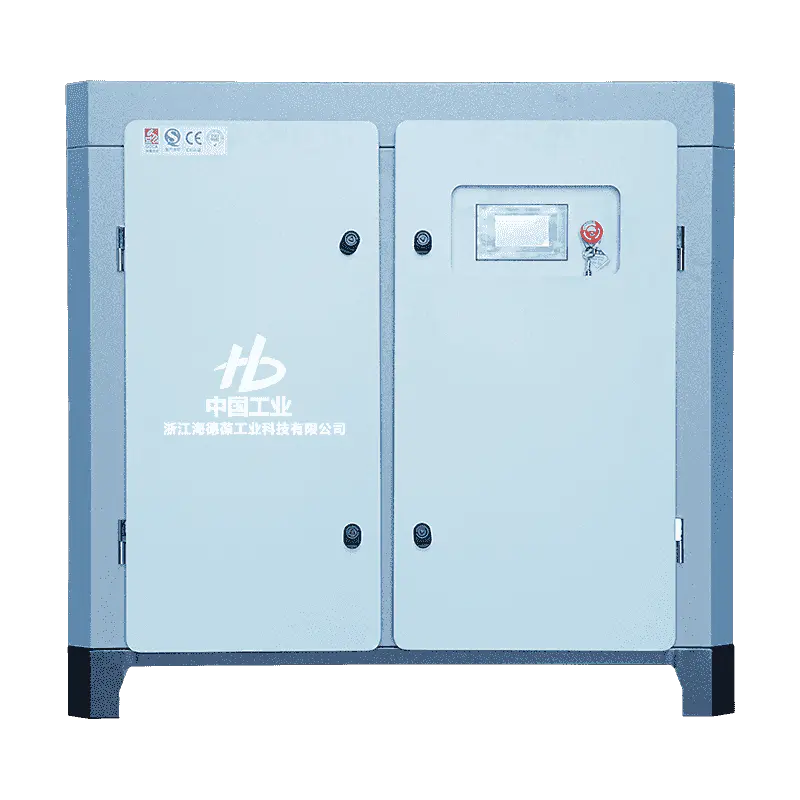
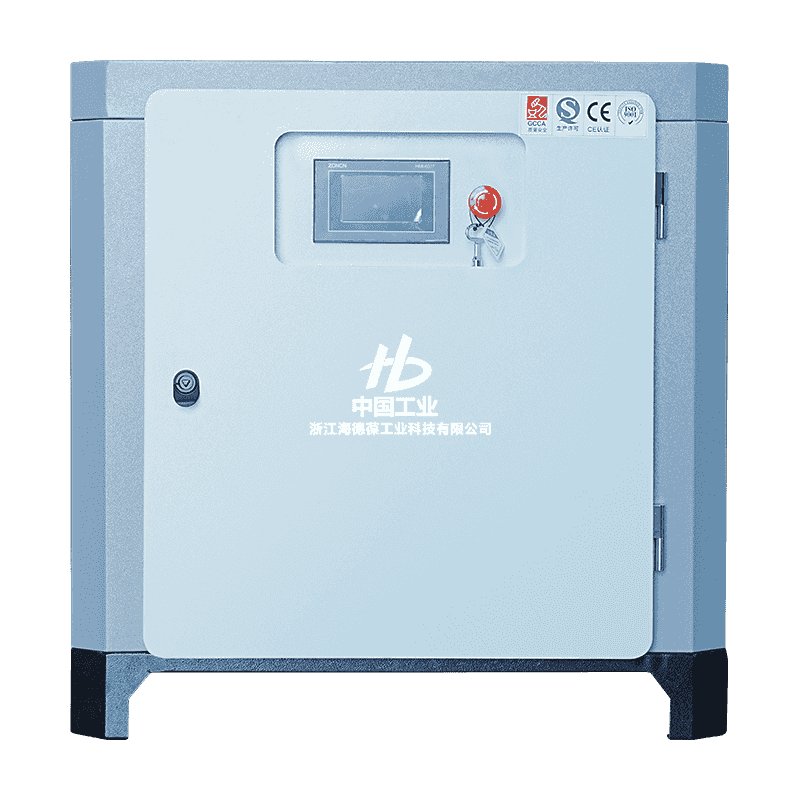
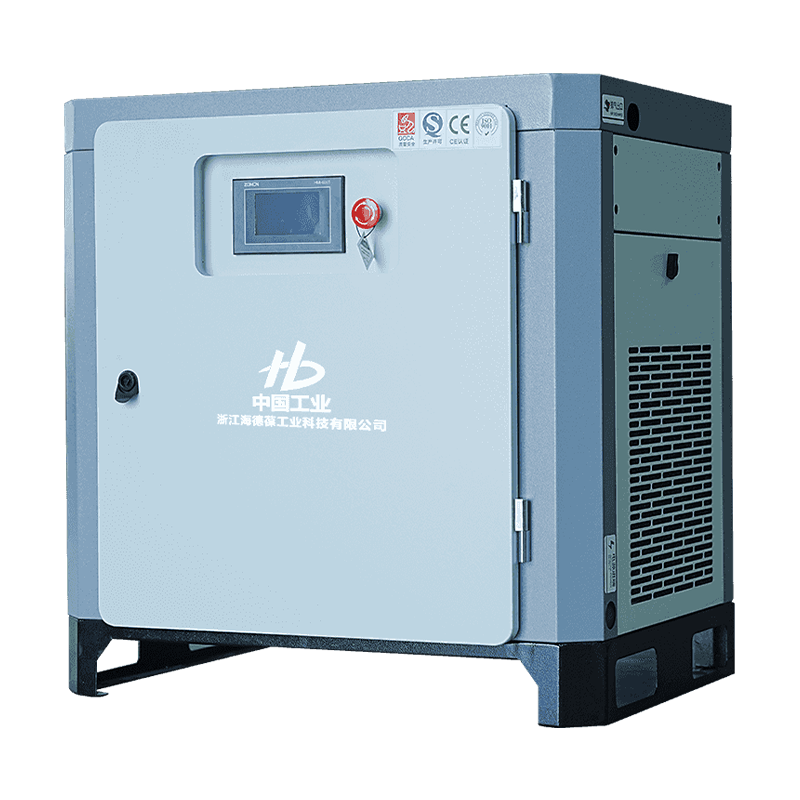
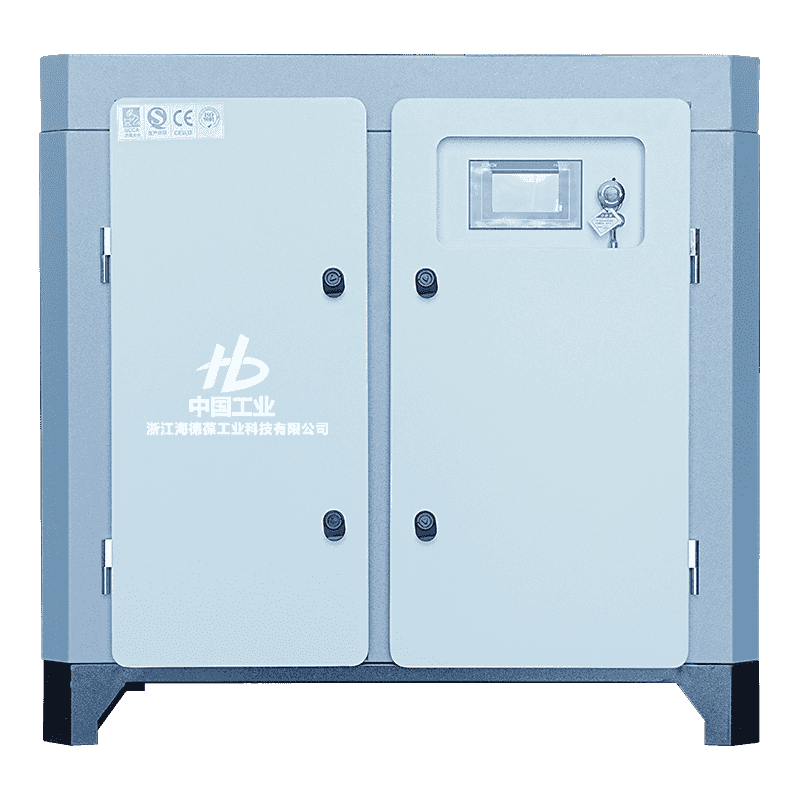
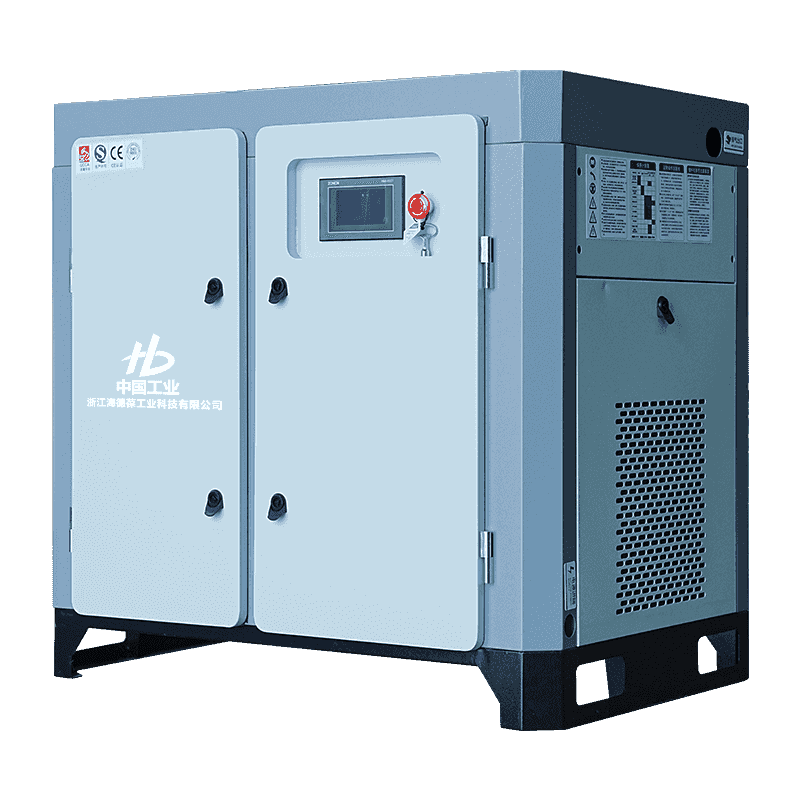
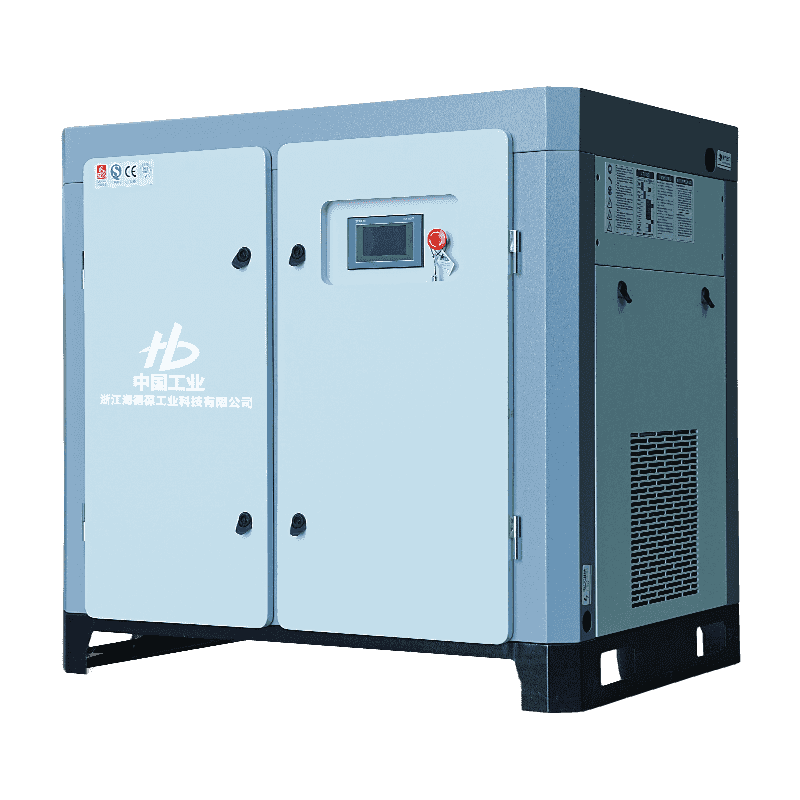
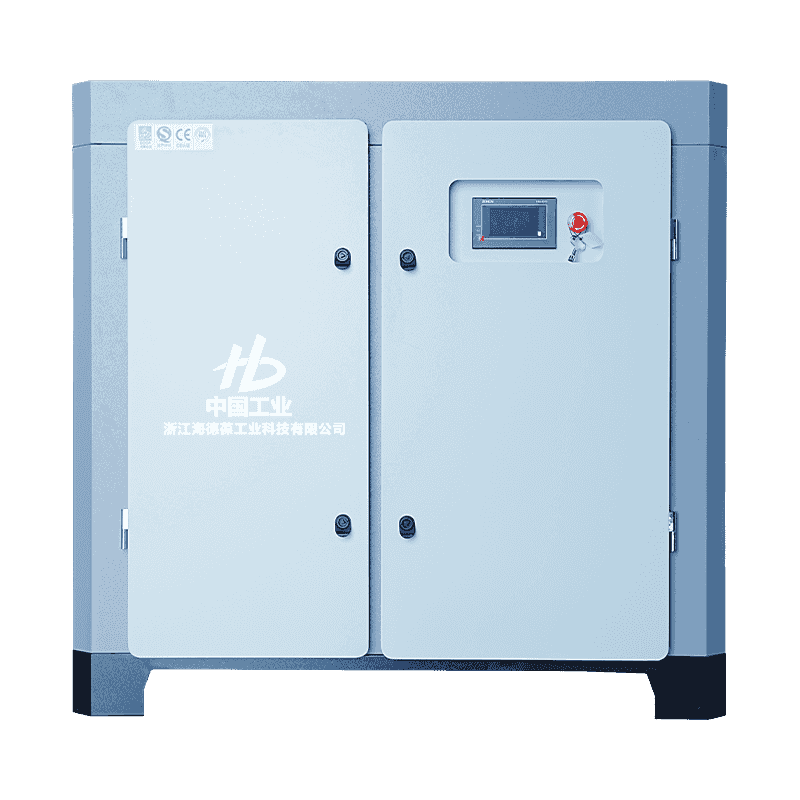
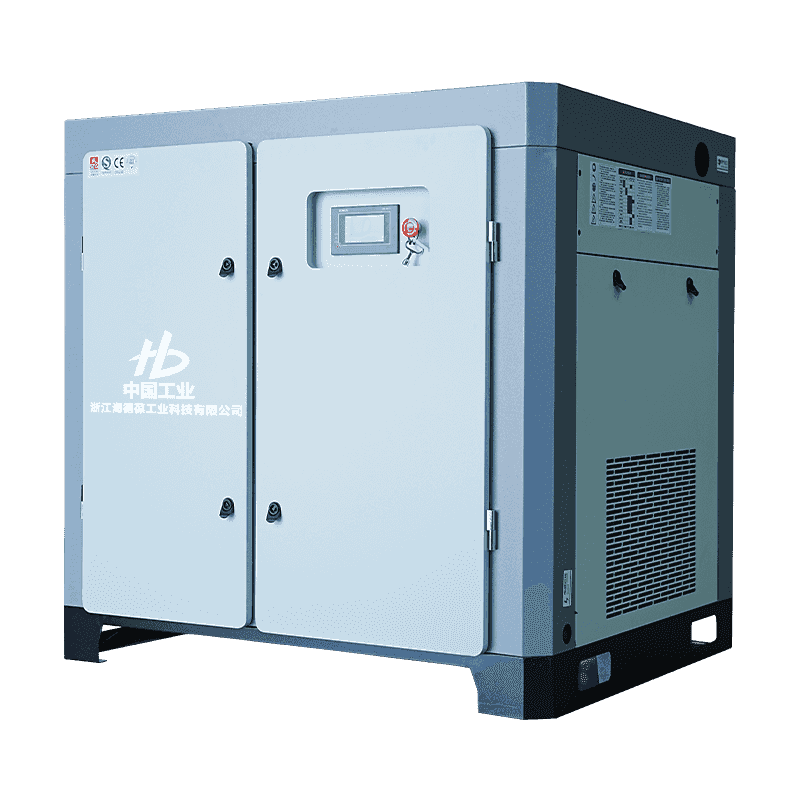
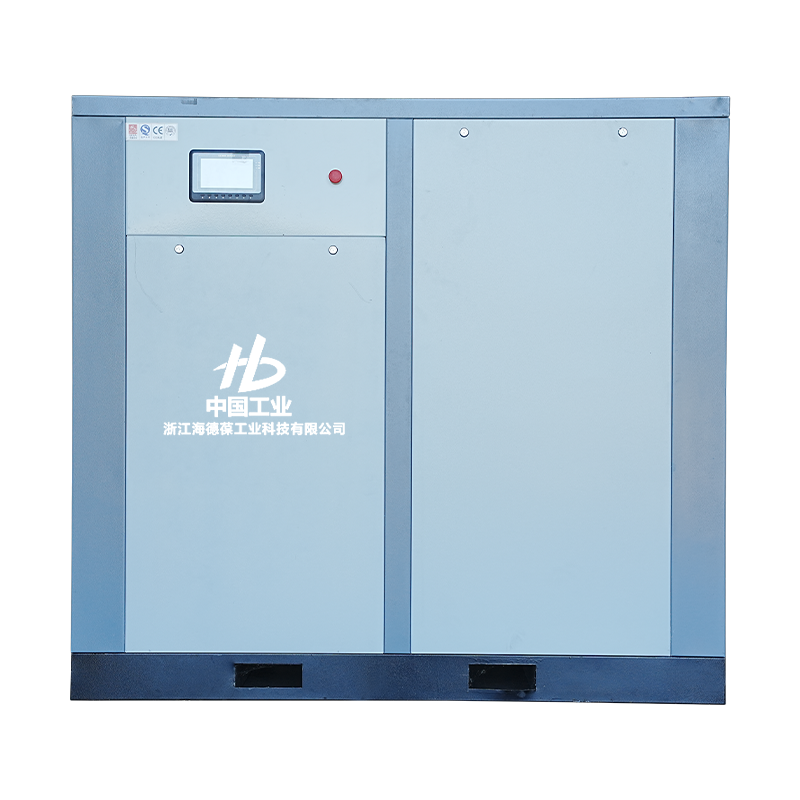
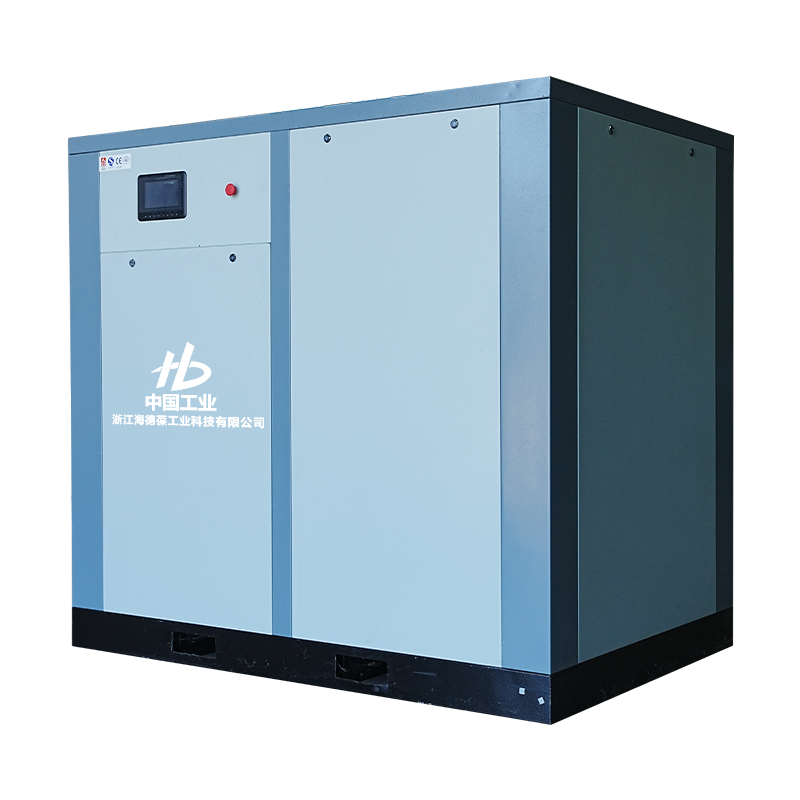
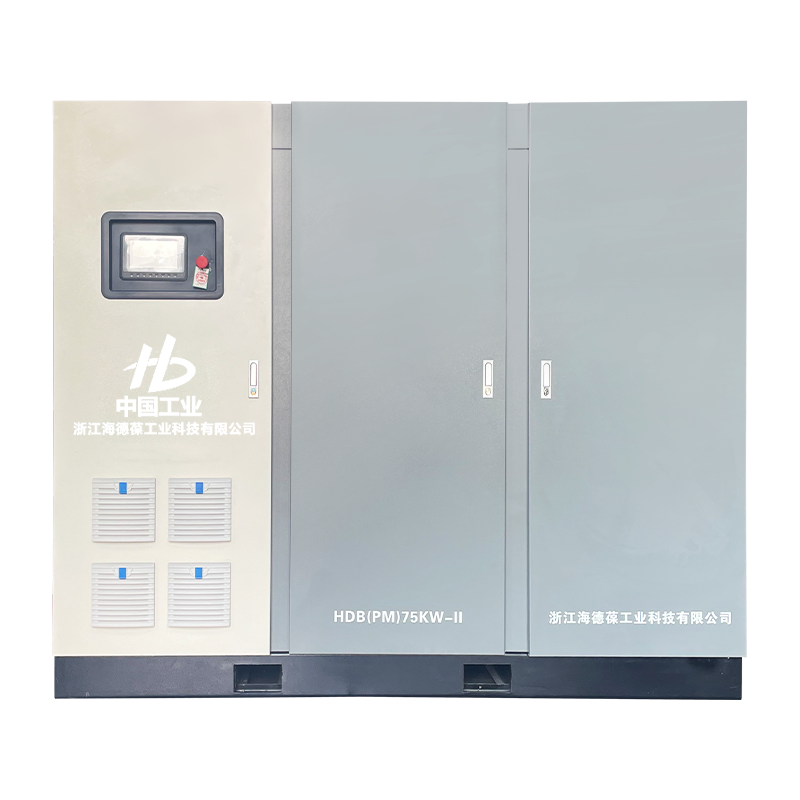
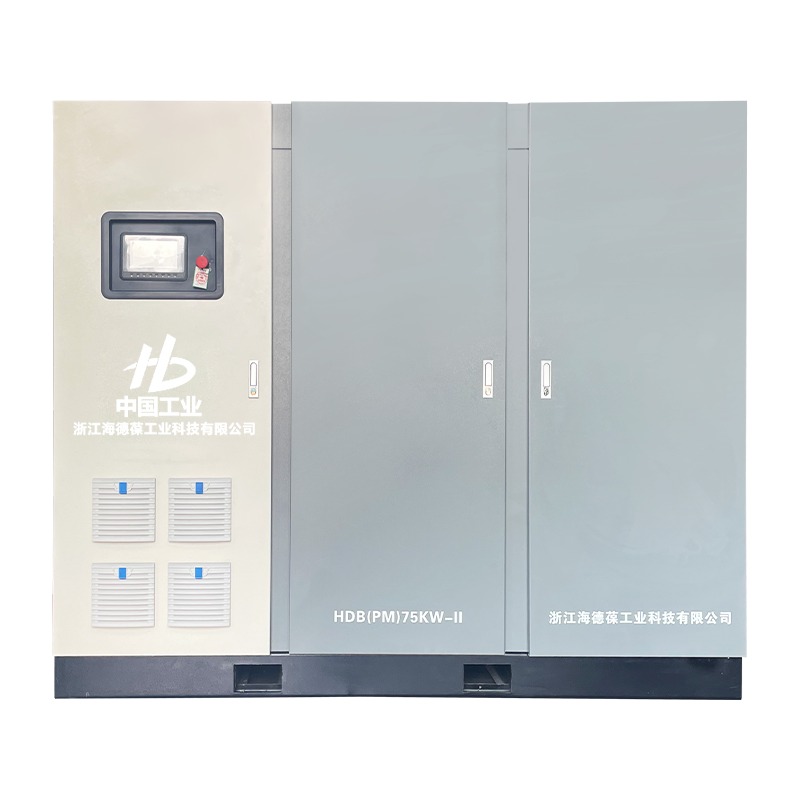
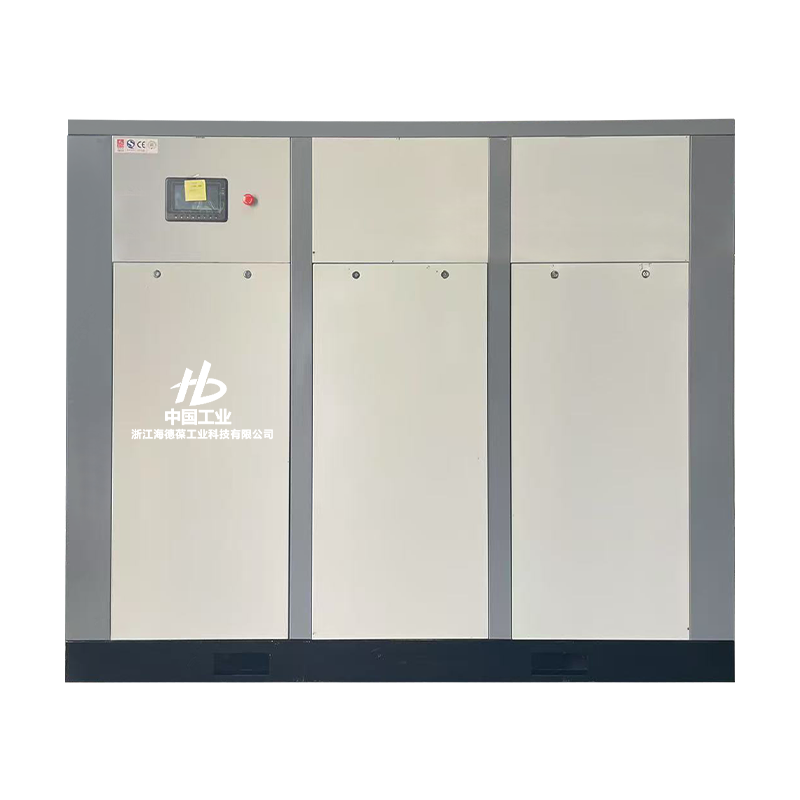
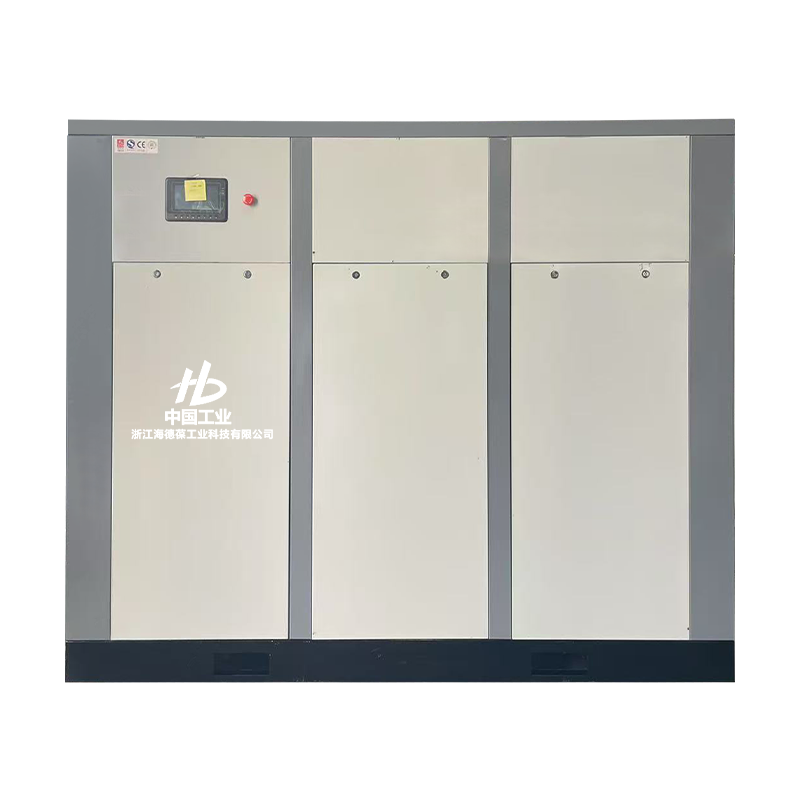
Air compressors are essential tools in various industrial applications, providing compressed air for numerous processes. There are different types of compressors available, each with its unique design, operation, and impact on air quality. The micro-oil twin screw air compressor and the oil-free screw compressor are two commonly used types that offer different benefits and air quality outcomes.
The micro-oil twin screw air compressor utilizes oil to lubricate its internal moving parts. This lubrication is essential for the smooth operation of the compressor, reducing friction and wear. In these systems, oil is typically injected into the screw element during compression to cool and lubricate the mechanism. While this system offers high efficiency and reliability, the presence of oil in the compressed air can affect the air quality.
In a micro-oil twin screw compressor, the oil can be carried into the compressed air, leading to contamination. The oil molecules can mix with the air and cause issues in applications where clean air is critical, such as in food processing, pharmaceutical production, or in systems sensitive to contamination. To mitigate this issue, oil separators and filters are used to remove oil particles from the air before it is discharged into the system.
Despite these filters, trace amounts of oil can still be present in the compressed air. Typically, micro-oil systems are designed to keep the oil concentration to a minimum, but it is important to note that some oil carryover is often inevitable. This slight contamination is generally acceptable in non-critical applications but may not meet stringent air quality standards required in specialized industries.
In contrast, the oil-free screw air compressor is designed to operate without the use of oil for lubrication. This type of compressor uses a different method of lubrication, often relying on air or specialized coatings within the compression chamber. Because there is no oil involved in the compression process, oil-free compressors are capable of producing air that is free of oil contamination.
Oil-free compressors are ideal for industries that require high-quality, clean air, such as in medical, pharmaceutical, and food processing sectors. The absence of oil ensures that the air quality is significantly higher, meeting the strict standards for oil-free air. This makes oil-free screw compressors a preferred choice for applications where any amount of oil contamination could result in product quality issues, equipment malfunctions, or safety concerns.
However, oil-free compressors typically operate with higher mechanical stresses, which may result in slightly lower efficiency compared to their oil-lubricated counterparts. Additionally, these compressors may have a shorter lifespan due to the increased wear on the components. Despite these drawbacks, the clear advantage of producing clean, uncontaminated air outweighs the operational challenges for many industries.
The primary factor distinguishing the air quality between micro-oil twin screw air compressors and oil-free screw compressors is the level of oil carryover in the compressed air. In micro-oil systems, oil carryover can be minimized with advanced filtration systems, including coalescing filters and oil separators. These filters are designed to capture and remove the majority of the oil particles from the air before it is released into the system.
However, despite these filtration efforts, achieving a completely oil-free output in a micro-oil compressor is challenging. The oil content in the compressed air may be minimal but can still impact the quality of the air, especially in sensitive environments. The amount of oil carryover depends on various factors such as the compressor's design, maintenance practices, and operating conditions. In many industrial settings, this small level of oil contamination may be tolerable, but for industries like pharmaceuticals or food production, it may not meet the required air quality standards.
On the other hand, oil-free screw compressors inherently eliminate this issue, as no oil is used in the compression process. These compressors are designed to keep the air completely free of any oil, ensuring that the air quality meets the highest standards for sensitive applications. The absence of oil in the air makes oil-free compressors highly desirable in applications where even trace amounts of oil contamination could cause significant problems.
When it comes to energy efficiency, micro-oil twin screw compressors generally have an advantage over oil-free systems. The oil used in the compression process helps to reduce friction and heat generation, leading to a more efficient operation. As a result, micro-oil compressors typically consume less power and have a longer operational life. This efficiency is especially beneficial in large-scale industrial applications where energy costs are a major concern.
Oil-free screw compressors, while offering the benefit of clean, oil-free air, tend to have slightly lower efficiency. The absence of oil means that the components experience more friction, leading to increased energy consumption and potentially higher operating costs. Additionally, the mechanical stresses on the compressor parts may result in more frequent maintenance or higher repair costs over time. However, the need for clean air often justifies the slightly higher energy consumption, particularly in industries with strict air quality requirements.
Maintenance plays a crucial role in ensuring the optimal performance of both micro-oil twin screw and oil-free screw compressors. In micro-oil compressors, regular maintenance includes checking and replacing oil filters, oil separators, and the oil itself. These maintenance tasks are necessary to keep the compressor running efficiently and to minimize the amount of oil carried over into the compressed air.
Oil-free screw compressors, while eliminating the need for oil changes, require more attention to component wear due to the increased mechanical stress. Regular maintenance is essential to monitor the condition of the compressor parts, such as seals and bearings, which are more prone to wear in an oil-free system. While oil-free compressors may have a higher initial cost, their long-term maintenance costs can be lower in terms of oil and oil-related filter replacements.
Overall, the maintenance requirements of both types of compressors depend on the operational environment and the specific needs of the industry. Micro-oil compressors require ongoing attention to oil management, while oil-free compressors necessitate careful monitoring of mechanical components.
The upfront cost of a micro-oil twin screw air compressor is typically lower than that of an oil-free screw compressor. This is due to the simpler design and the inclusion of oil lubrication, which reduces the complexity and cost of the compressor's components. As a result, micro-oil compressors are often more affordable for businesses looking to reduce their initial investment.
However, over time, the operational costs of a micro-oil compressor may increase due to the need for oil and filters, as well as the potential for oil contamination. The need for regular maintenance and the associated costs of oil disposal or replacement can add to the long-term expenses.
In comparison, oil-free screw compressors have a higher upfront cost due to their more complex design and oil-free operation. However, the absence of oil-related maintenance and the long-term savings on oil replacement and disposal can make oil-free compressors more cost-effective in the long run. For industries where air quality is paramount, the higher initial investment in an oil-free system may be justified by the reliability and performance in terms of clean air output.
Environmental concerns also play a significant role in the choice between micro-oil twin screw and oil-free screw compressors. The use of oil in micro-oil compressors raises environmental considerations related to oil usage and disposal. While modern filtration systems can minimize oil contamination, the need to regularly replace oil and dispose of used oil can have a negative environmental impact if not managed properly.
Oil-free compressors, by contrast, eliminate the need for oil, reducing the environmental impact associated with oil production, usage, and disposal. This makes oil-free compressors a more environmentally friendly option, particularly for businesses and industries with sustainability goals or regulatory requirements regarding waste management.
| Aspect | Micro-Oil Twin Screw Compressor | Oil-Free Screw Compressor |
| Oil Contamination | Possible, with oil carryover minimized by filters | No oil contamination; 100% oil-free air |
| Efficiency | Higher efficiency due to oil lubrication | Lower efficiency due to higher friction |
| Maintenance | Requires regular oil and filter replacement | Requires maintenance of mechanical components |
| Upfront Cost | Lower initial investment | Higher initial investment |
| Long-Term Cost | Higher due to oil and filter replacements | Lower long-term operational costs |
| Environmental Impact | Requires oil disposal | No oil usage, more eco-friendly |
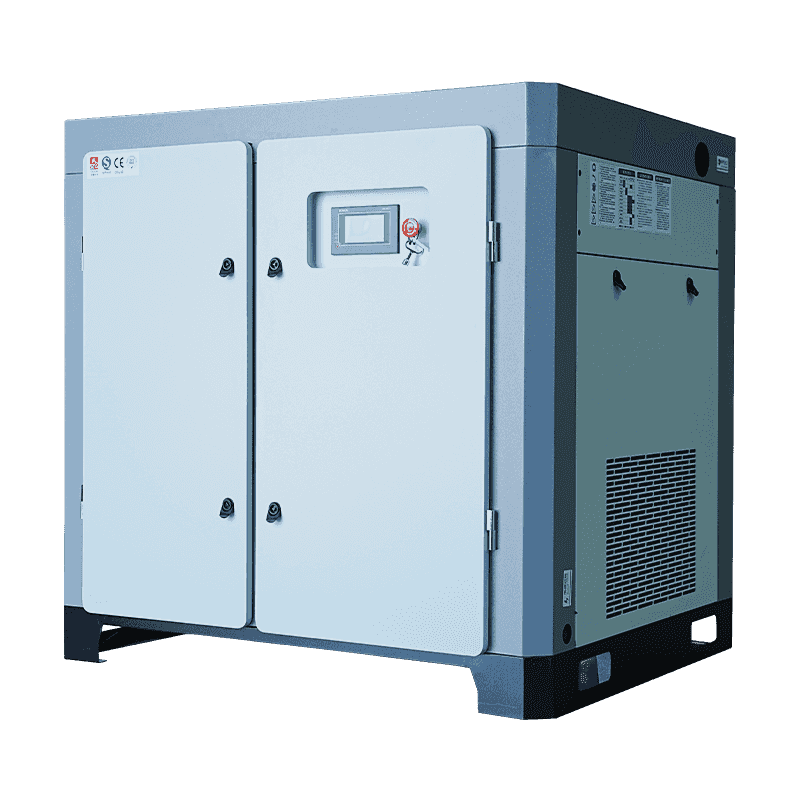
Does the micro-oil twin screw air compressor employ an oil-injection cooling and sealing structure?

Micro-Oil Twin Screw Single Stage Compressors: Efficient, Durable Air Solutions
Your email address will not be published. Required fields are marked *

A dedicated after-sales service department is established, consisting of a professional sales team and skilled technical engineers. They are committed to providing year-round support, traveling to customer locations to deliver prompt and high-quality service.

Tel:86-0570-7221666

E-mail:[email protected]

Add: No.2 Qiming Road, Zhejiang Longyou Economic Development Zone, Mohuan Township, Longyou County, Quzhou City, Zhejiang Province, China
Copyright © Zhejiang Haidebao Industrial Technology Co., Ltd.

Custom Industrial Screw Air Compressor Manufacturers