
 EN
EN  English
 Español
 عربى
عربى
Product Consultation
Your email address will not be published. Required fields are marked *

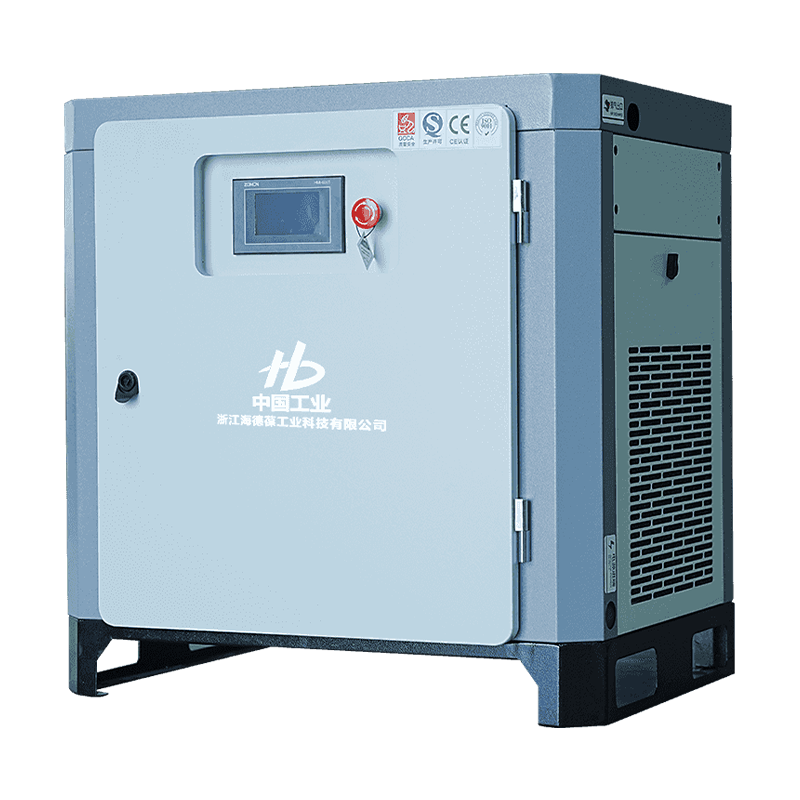
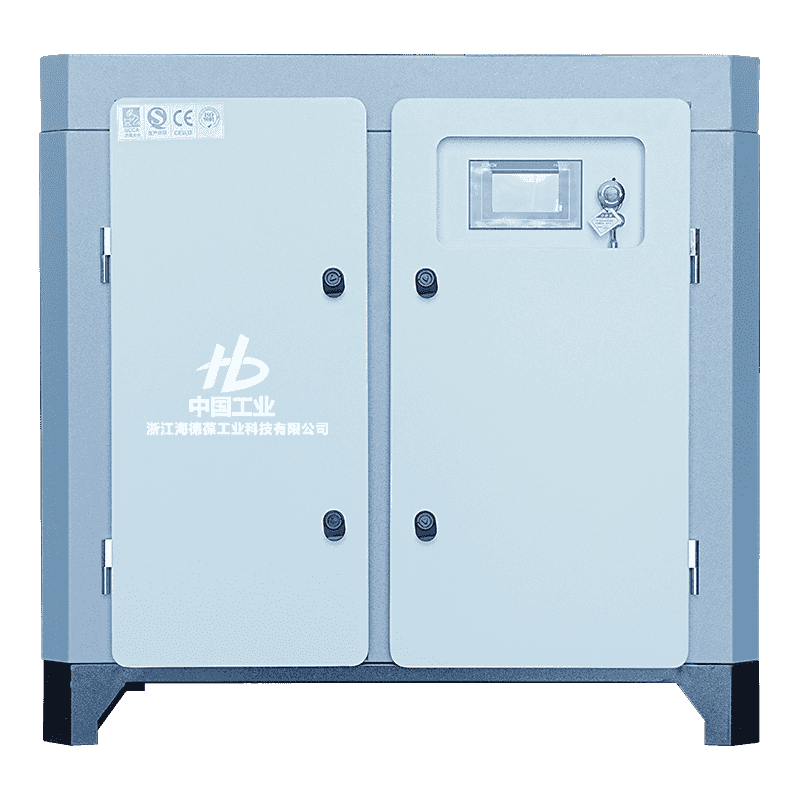
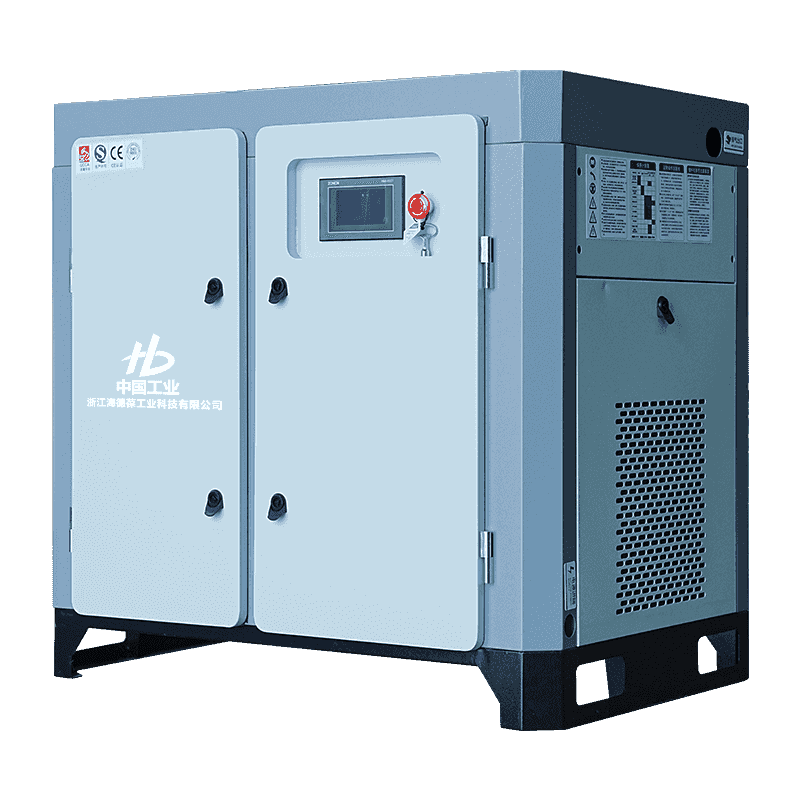
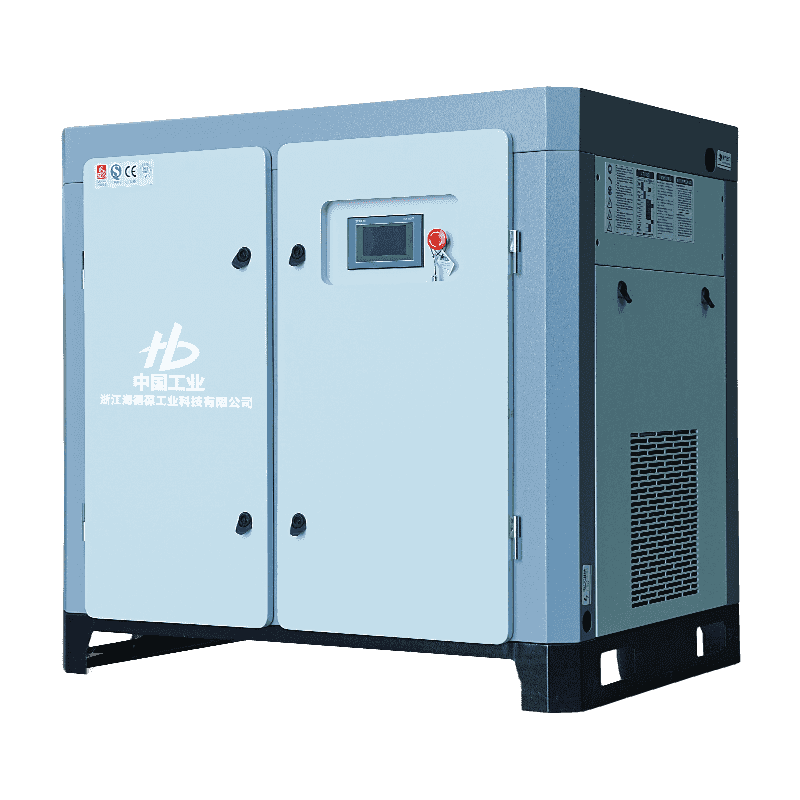
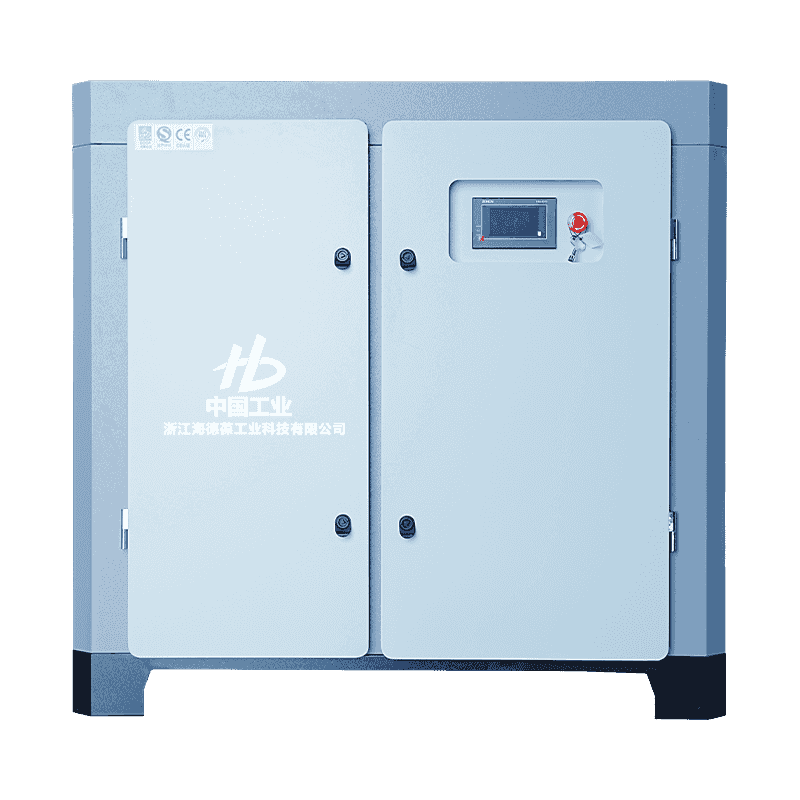
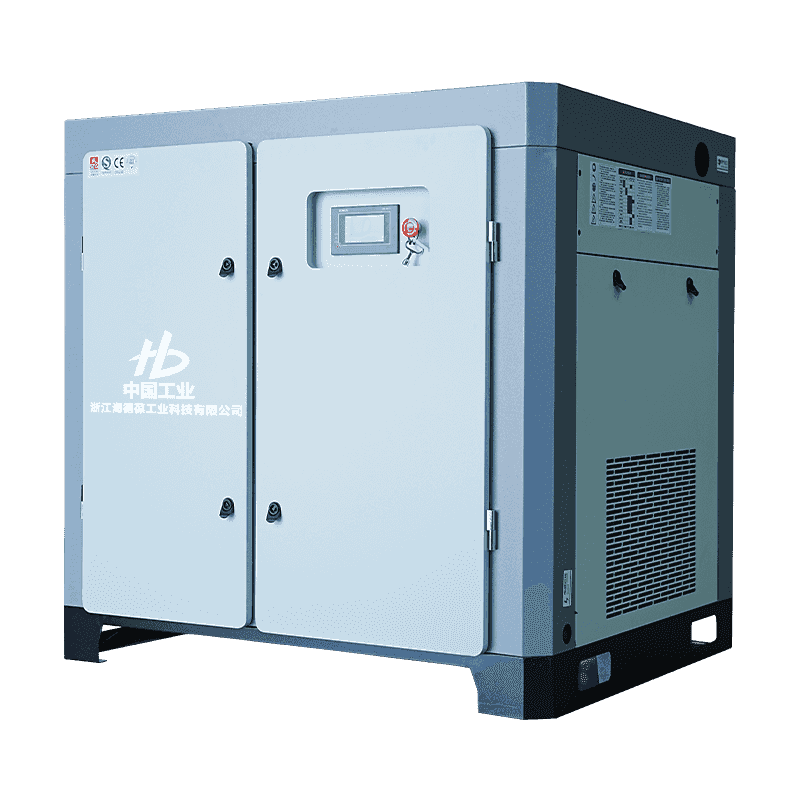
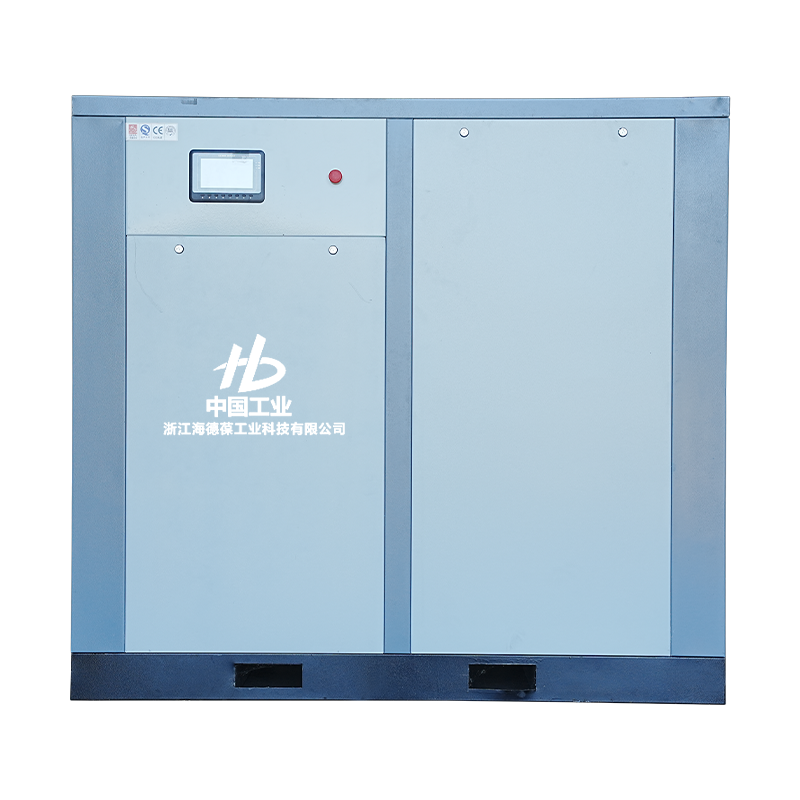
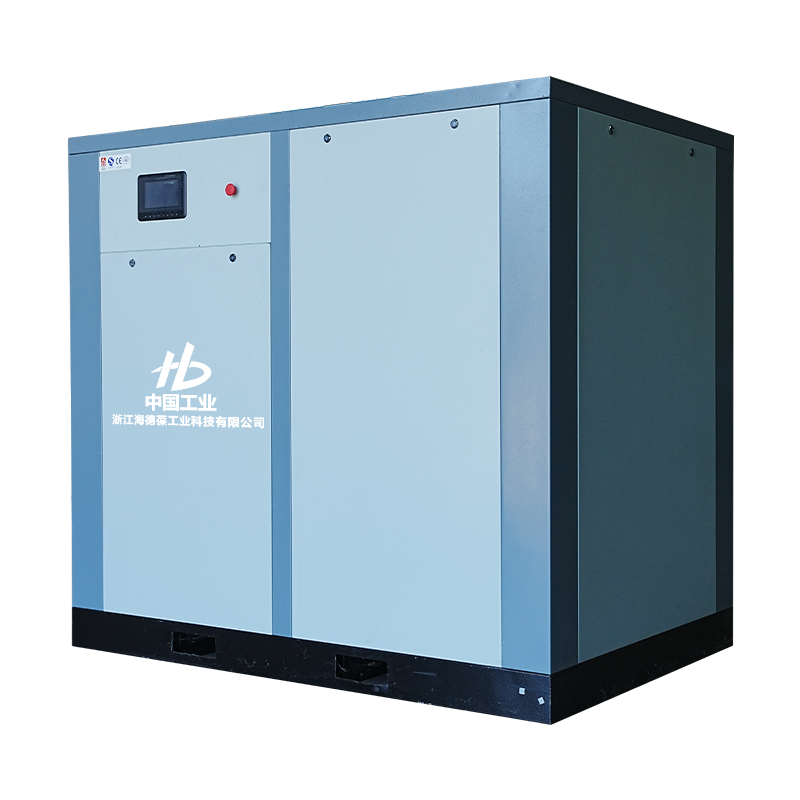
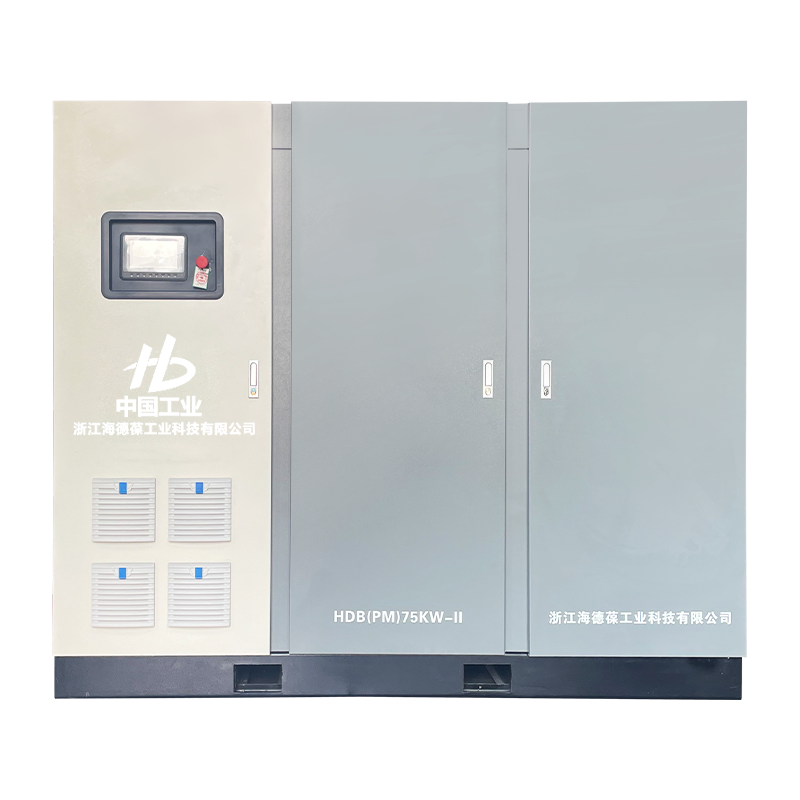
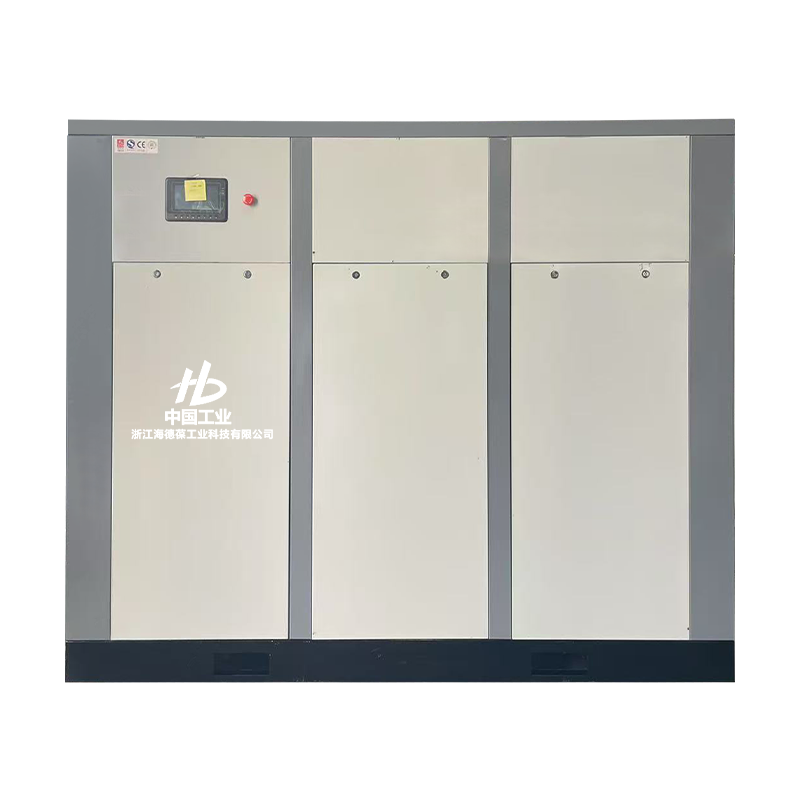
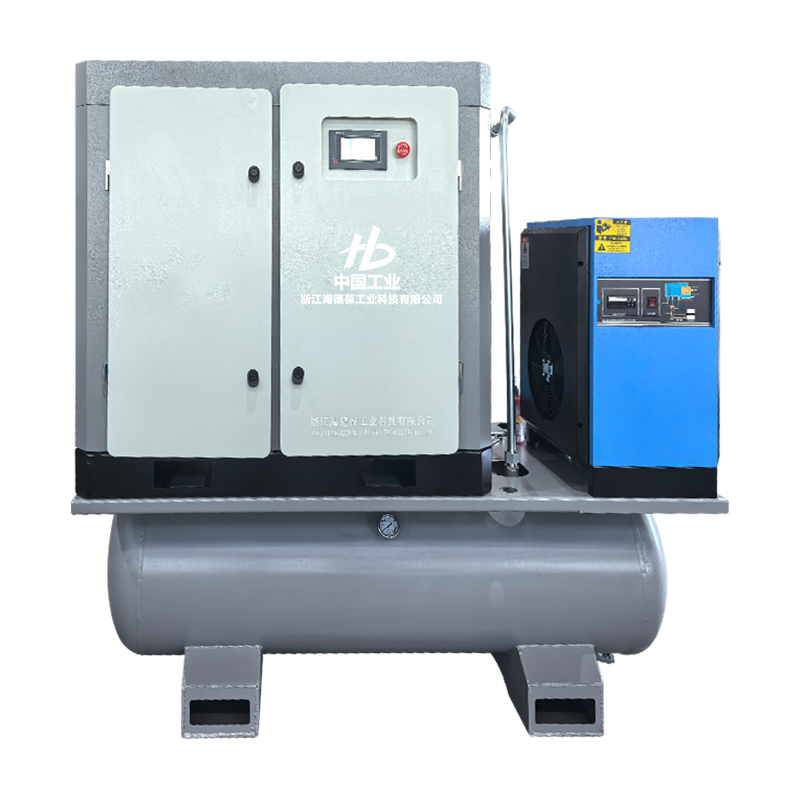
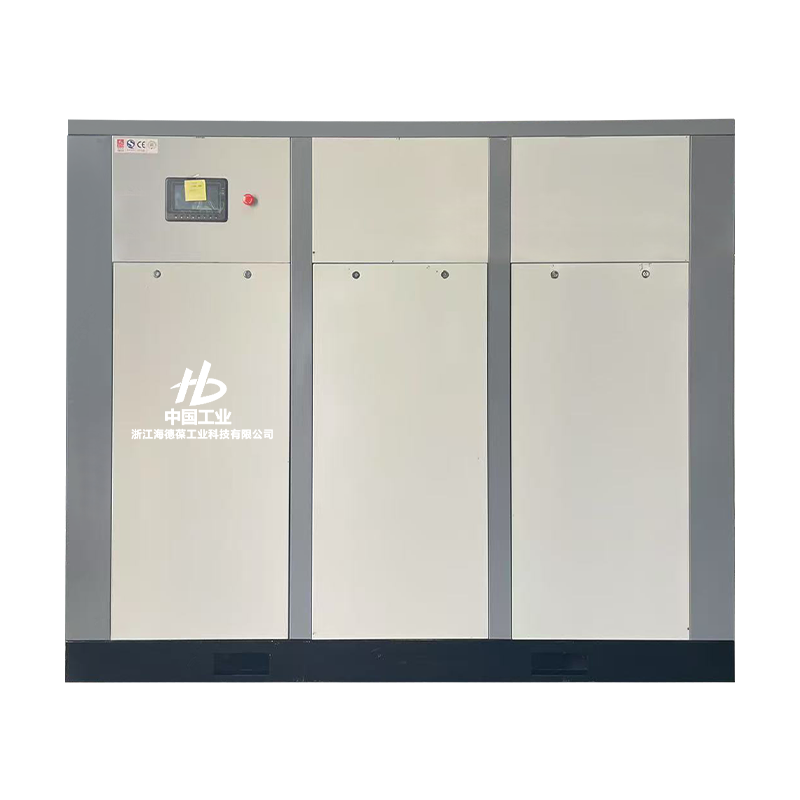
A micro-oil twin screw air compressor is a type of rotary screw compressor that uses a controlled and relatively small amount of lubricating oil during the compression process. Compared with traditional oil-injected screw compressors, the oil dosage is more precisely managed to reduce internal losses while still providing lubrication, sealing, and cooling. This design approach directly influences how energy is consumed and controlled during operation. To understand whether it offers practical advantages in energy consumption control, it is necessary to examine how its working principles affect efficiency, load regulation, and real-world operating behavior.
In twin screw air compressors, oil injection plays a key role in sealing the gaps between rotors, reducing internal leakage, and absorbing heat generated during compression. A micro-oil system aims to inject only the amount of oil required to achieve these functions without excessive circulation. Reduced oil flow lowers pumping losses within the oil circuit and decreases resistance inside the compression chamber. As a result, the compressor motor can operate with a more stable load profile, which supports more predictable energy consumption control, especially under partial-load conditions.
Energy consumption in screw compressors is closely linked to compression efficiency. Internal leakage caused by insufficient sealing leads to pressure loss and wasted energy. Micro-oil twin screw air compressors maintain effective sealing through optimized oil distribution, which helps preserve compression efficiency across a wide operating range. By minimizing leakage without over-injecting oil, these compressors can maintain consistent air delivery with reduced power fluctuation, making energy usage easier to manage in both continuous and intermittent operation scenarios.
Traditional compressors often experience frequent load and unload cycles when air demand fluctuates. Each cycle can introduce inefficiencies due to pressure buildup, venting losses, and motor restarts. Micro-oil twin screw air compressors tend to respond more smoothly to load changes because stable lubrication and temperature control allow the system to adjust output without abrupt performance shifts. This smoother response supports more stable energy consumption patterns and reduces unnecessary power spikes associated with frequent cycling.
Energy consumption control is closely linked to how well a compressor integrates with variable speed drive systems. Micro-oil twin screw air compressors are well-suited for variable speed operation because their lubrication and cooling systems remain effective across a wide range of rotational speeds. This compatibility allows the compressor to match air output more closely to actual demand, reducing energy waste associated with running at constant full speed. As a result, facilities with fluctuating air requirements can achieve finer energy control without sacrificing operational stability.
Heat generation during compression directly affects energy efficiency. Excessive heat increases internal resistance and may trigger additional cooling demands, which consume extra power. Micro-oil twin screw air compressors benefit from balanced thermal management because the oil absorbs heat while circulating in a controlled manner. Stable operating temperatures help maintain consistent clearances between rotors and housing, reducing friction and supporting predictable power consumption over long operating periods.
Oil separation and recovery systems are necessary components in oil-lubricated compressors, but they also contribute to energy losses through pressure drop and auxiliary equipment operation. In micro-oil twin screw air compressors, the lower oil content in the compressed air stream can reduce the burden on separation systems. Lower pressure drop across separators means the compressor does not need to work as hard to maintain delivery pressure, which supports incremental improvements in energy consumption control during steady operation.
Many industrial air compressors operate at part load for a significant portion of their service life. Energy efficiency under these conditions is often more important than full-load performance. Micro-oil twin screw air compressors tend to maintain relatively stable efficiency at reduced loads because controlled lubrication supports consistent compression behavior. This stability allows operators to predict energy use more accurately and implement demand-based control strategies without large efficiency penalties.
When compared with conventional oil-injected screw compressors, micro-oil designs often demonstrate more refined control over internal losses. Traditional systems may rely on higher oil flow to ensure sealing and cooling, which can increase circulation losses and auxiliary power demand. Micro-oil twin screw air compressors aim to balance these factors more precisely, allowing for improved energy consumption control in applications where air demand varies throughout the day.
| Aspect | Conventional Oil-Injected Screw Compressor | Micro-Oil Twin Screw Air Compressor |
|---|---|---|
| Oil injection level | Higher and less precisely controlled | Lower and more accurately managed |
| Internal leakage control | Dependent on higher oil volume | Achieved through optimized oil distribution |
| Part-load energy behavior | Efficiency may drop noticeably | Efficiency remains relatively stable |
| Pressure drop in oil separation | Generally higher | Typically reduced due to lower oil content |
Modern micro-oil twin screw air compressors are often equipped with intelligent control systems that monitor pressure, temperature, and motor load in real time. These systems enable precise adjustment of operating parameters to maintain desired output with minimal energy input. When combined with the stable mechanical behavior of a micro-oil design, intelligent controls enhance the ability to regulate energy consumption according to actual demand rather than fixed operating assumptions.
From a practical perspective, energy consumption control is not only about reducing power use but also about predictability. Facilities benefit from compressors that deliver consistent performance under varying conditions. Micro-oil twin screw air compressors tend to show predictable power-to-output relationships because internal losses are more tightly managed. This predictability supports better energy planning, budgeting, and optimization at the system level.
Maintenance practices can indirectly affect energy consumption control. Excessive oil contamination, worn seals, or clogged separators can increase resistance and power demand. Micro-oil systems, when properly maintained, often experience slower accumulation of oil-related residues within the air circuit. This can help sustain stable energy performance over longer intervals between maintenance activities, contributing to consistent control rather than short-term efficiency gains only.
Energy consumption control should be evaluated at the compressed air system level rather than focusing solely on the compressor unit. Micro-oil twin screw air compressors can integrate effectively with energy management strategies such as demand-based control, pressure band optimization, and heat recovery systems. Their stable operating characteristics make them suitable components within broader efforts to reduce unnecessary energy use across the entire compressed air network.
While micro-oil twin screw air compressors offer certain advantages in energy consumption control, these benefits are influenced by application conditions, system design, and operational discipline. Improper sizing, poor maintenance, or inadequate control integration can limit potential gains. Energy performance improvements are therefore most apparent when the compressor is correctly selected for the application and operated within its intended parameters.
Industries such as manufacturing, packaging, and processing often experience variable air demand throughout the day. In such scenarios, the ability to adjust output smoothly and maintain stable efficiency becomes particularly valuable. Micro-oil twin screw air compressors can support these requirements by offering controlled lubrication, stable thermal behavior, and compatibility with variable speed operation, all of which contribute to practical energy consumption control.
Over extended operating periods, small improvements in energy consumption control can translate into meaningful reductions in overall power usage. Micro-oil twin screw air compressors focus on reducing internal losses, stabilizing performance, and supporting intelligent control strategies. These characteristics help ensure that energy consumption remains aligned with actual production needs rather than theoretical maximum capacity, which is a key consideration in long-term operational efficiency planning.
Does the micro-oil twin screw air compressor incorporate effective vibration damping and noise reduction designs?

How does the efficiency of a micro-oil twin screw air compressor compare to that of a single-screw compressor?
Your email address will not be published. Required fields are marked *

A dedicated after-sales service department is established, consisting of a professional sales team and skilled technical engineers. They are committed to providing year-round support, traveling to customer locations to deliver prompt and high-quality service.

Tel:86-0570-7221666

E-mail:[email protected]

Add: No.2 Qiming Road, Zhejiang Longyou Economic Development Zone, Mohuan Township, Longyou County, Quzhou City, Zhejiang Province, China
Copyright © Zhejiang Haidebao Industrial Technology Co., Ltd.

Custom Industrial Screw Air Compressor Manufacturers