
 EN
EN  English
 Español
 عربى
عربى
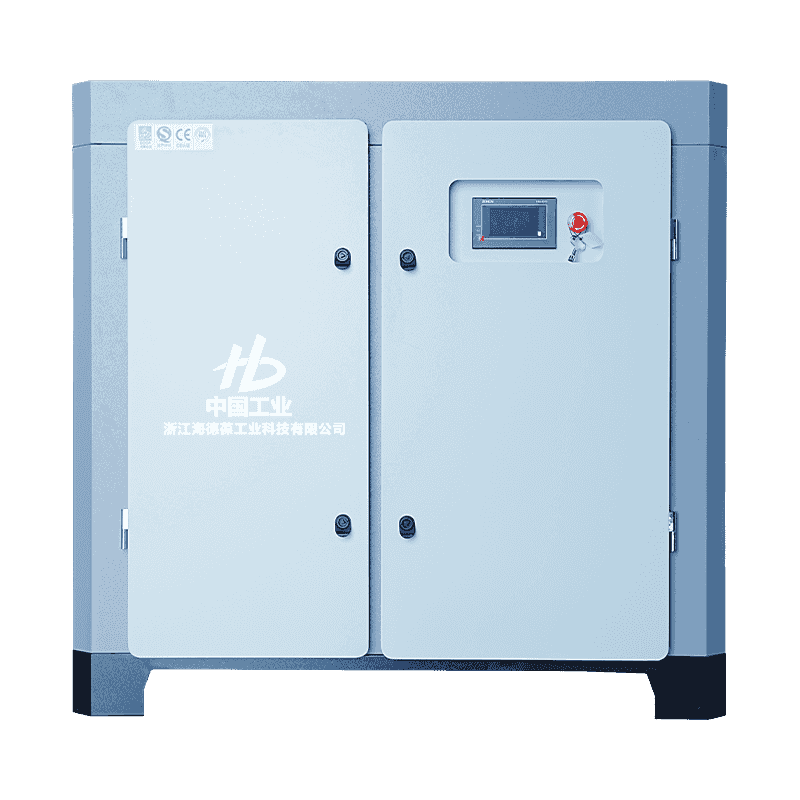
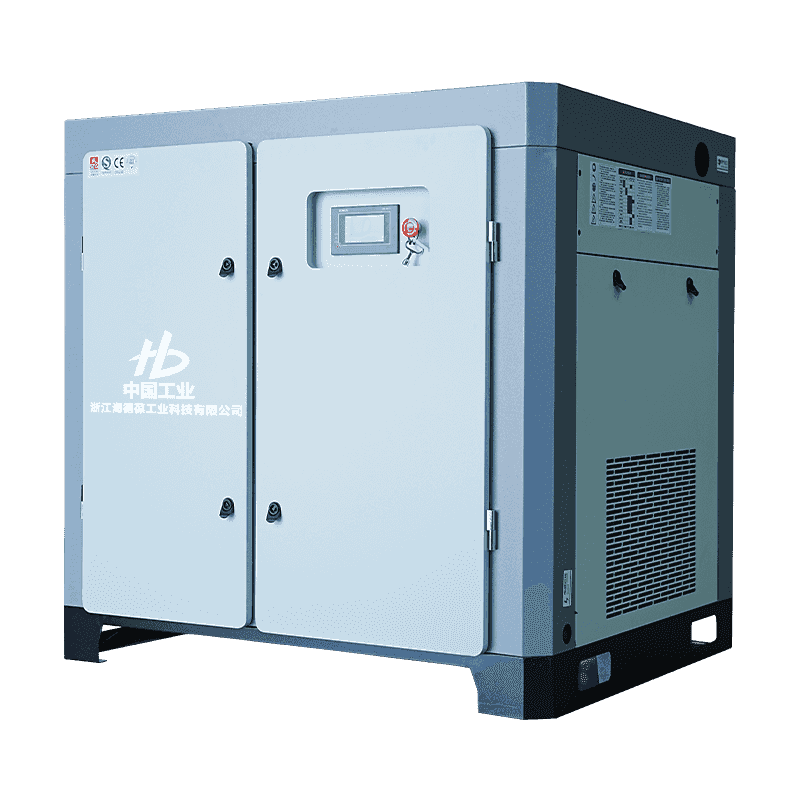
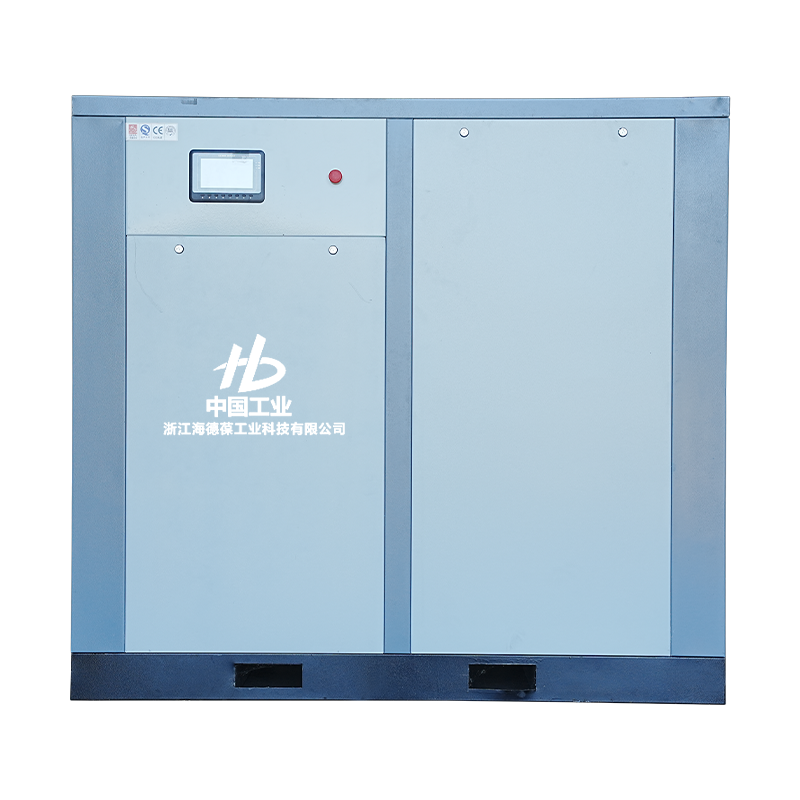
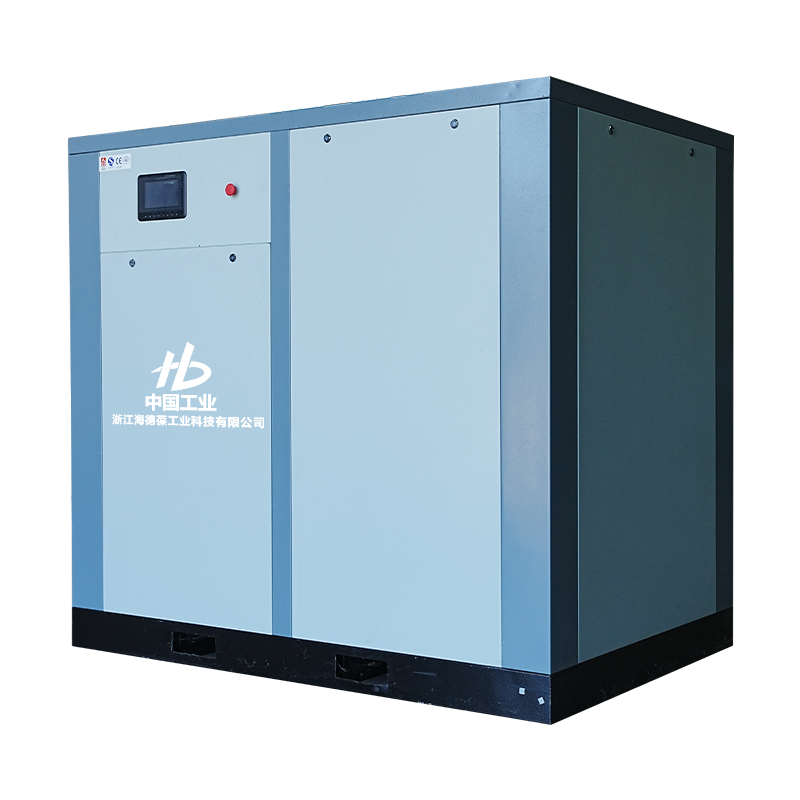
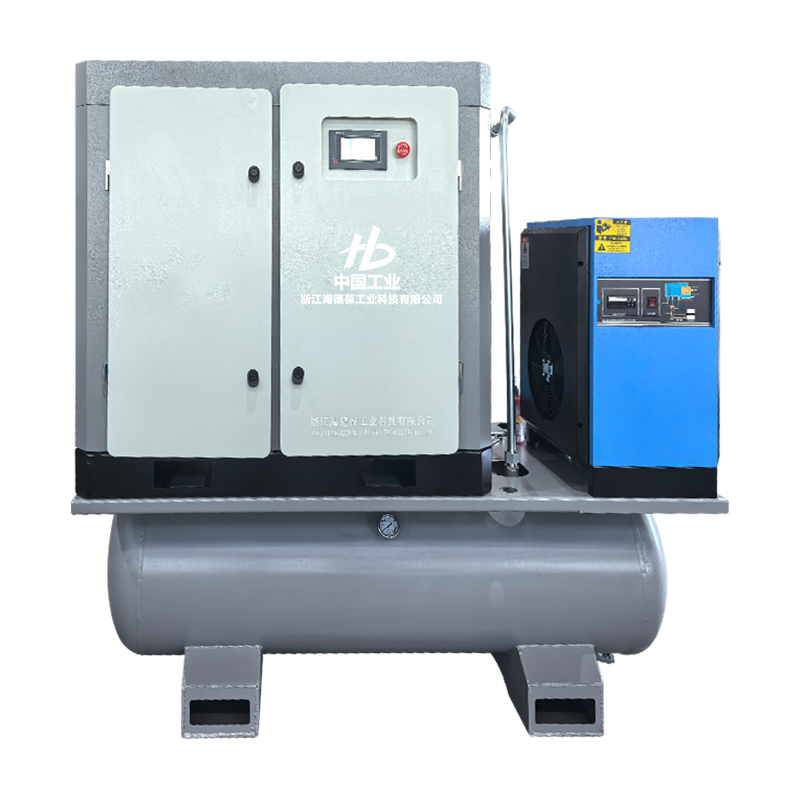
Product Consultation
Your email address will not be published. Required fields are marked *

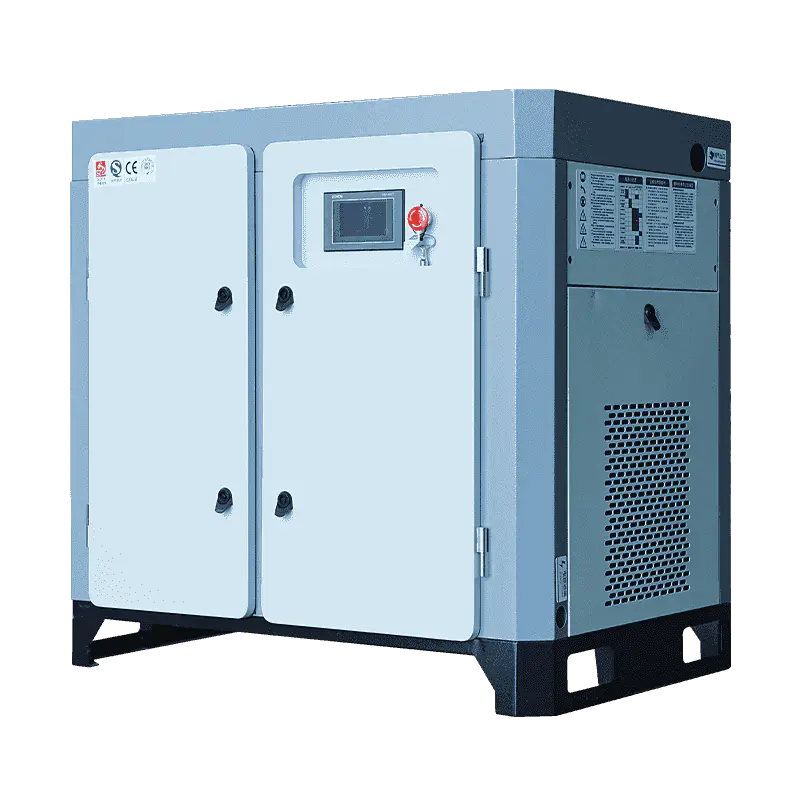
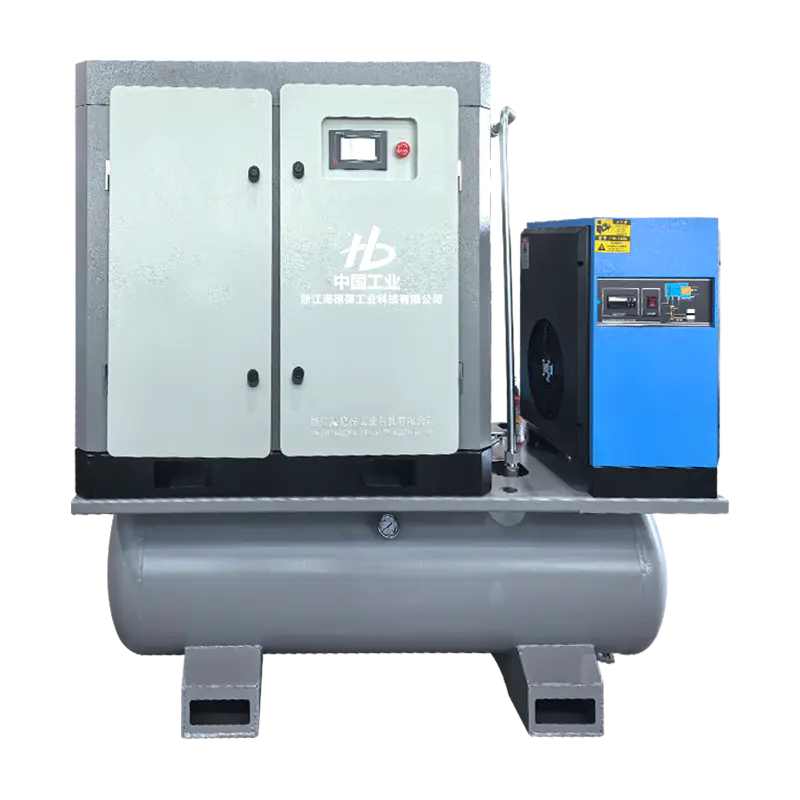
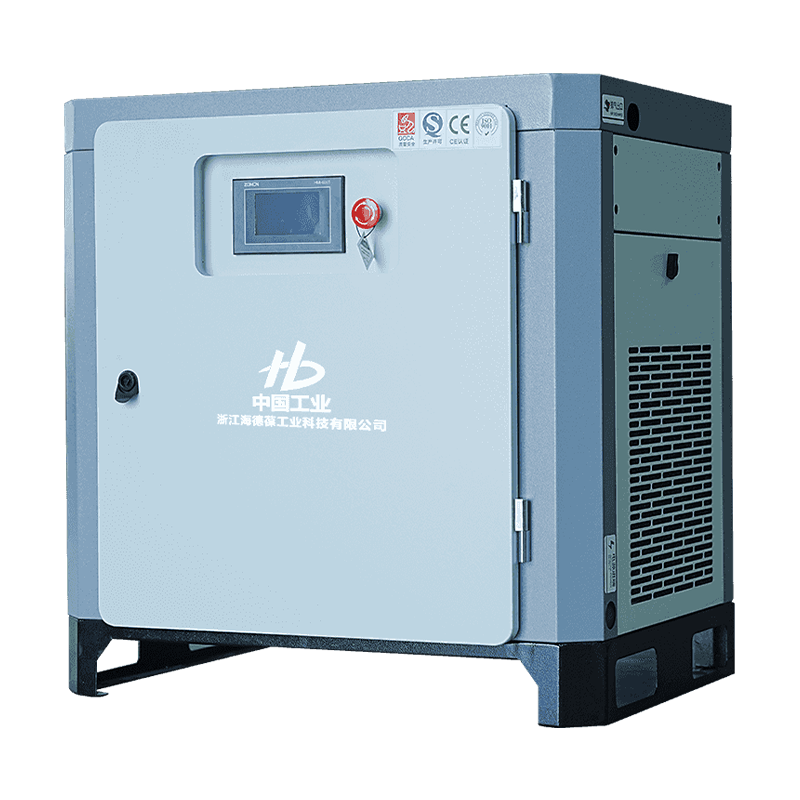
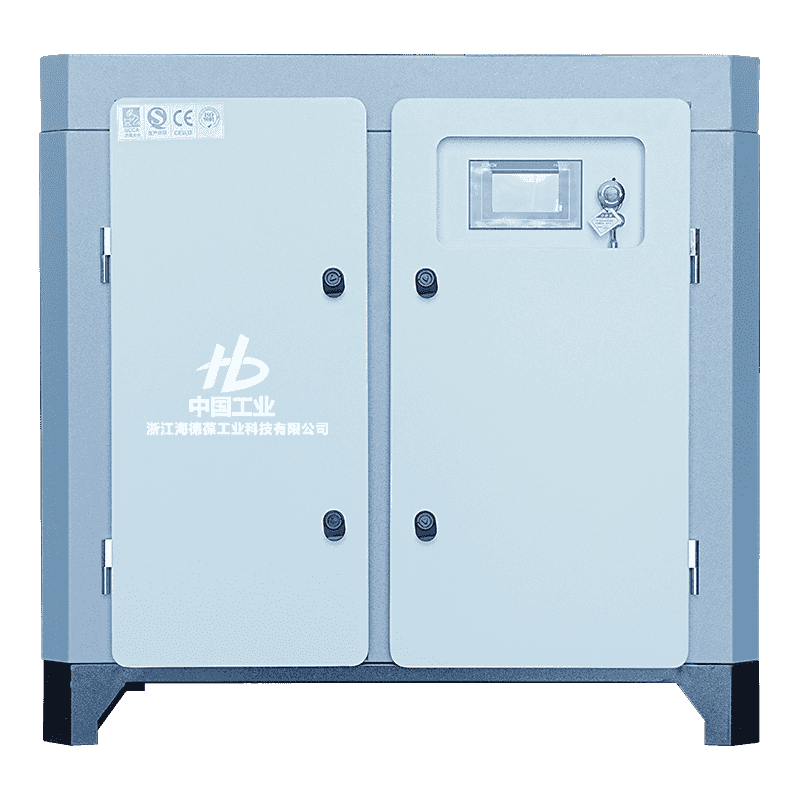
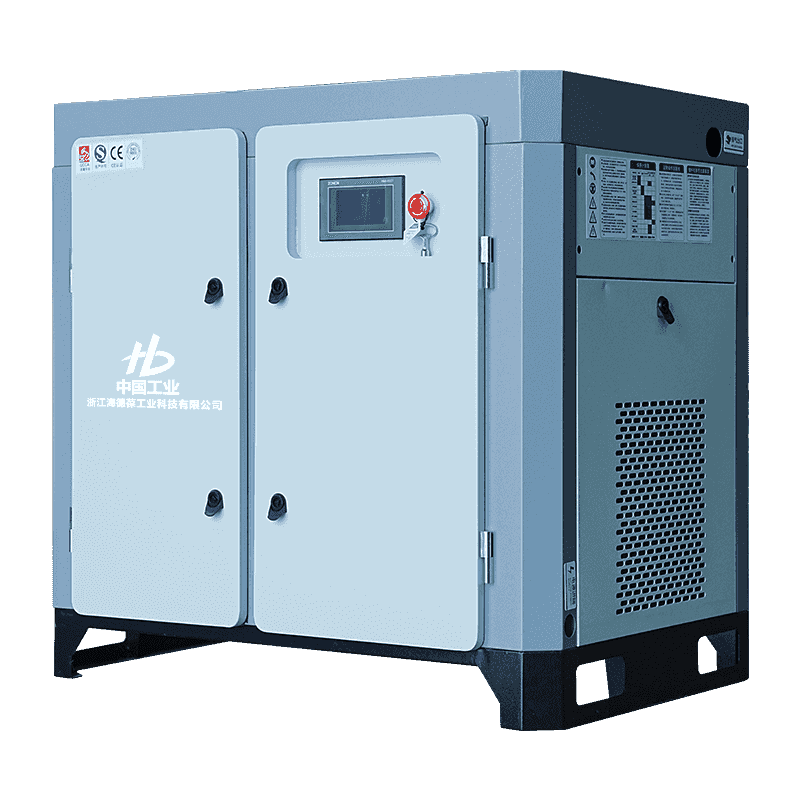
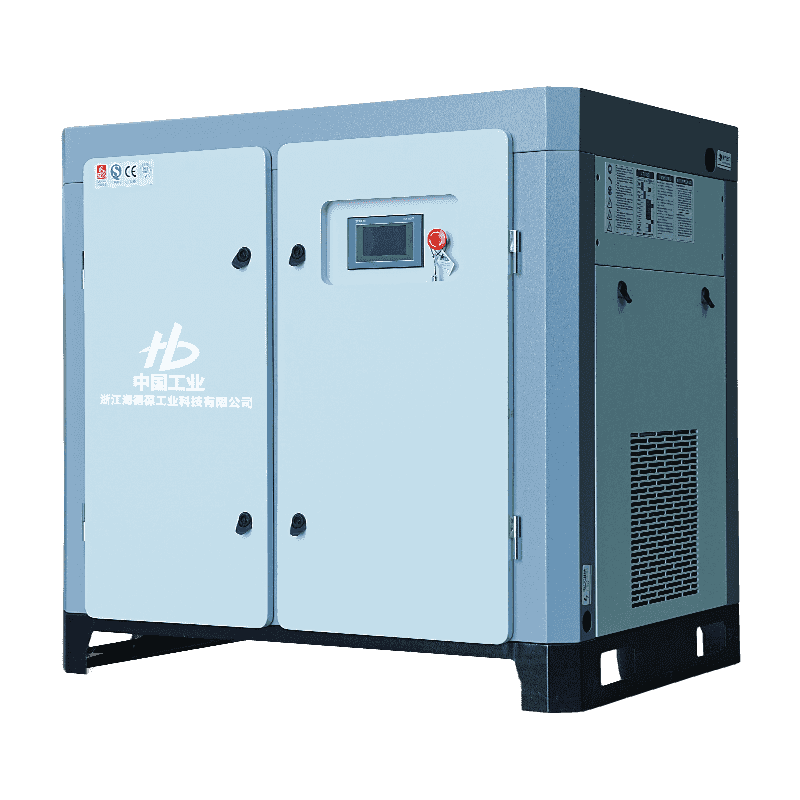
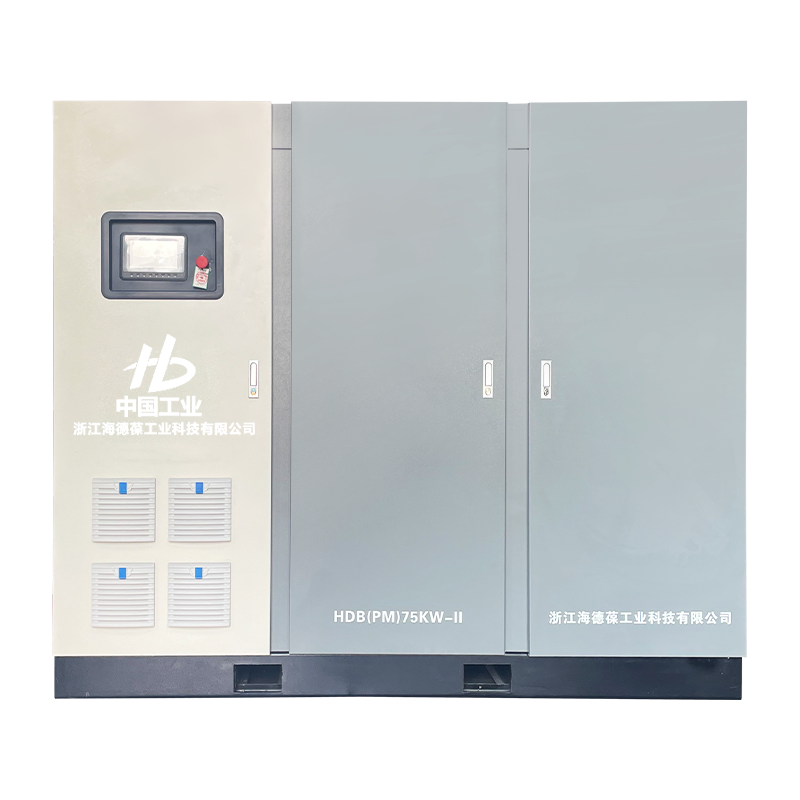
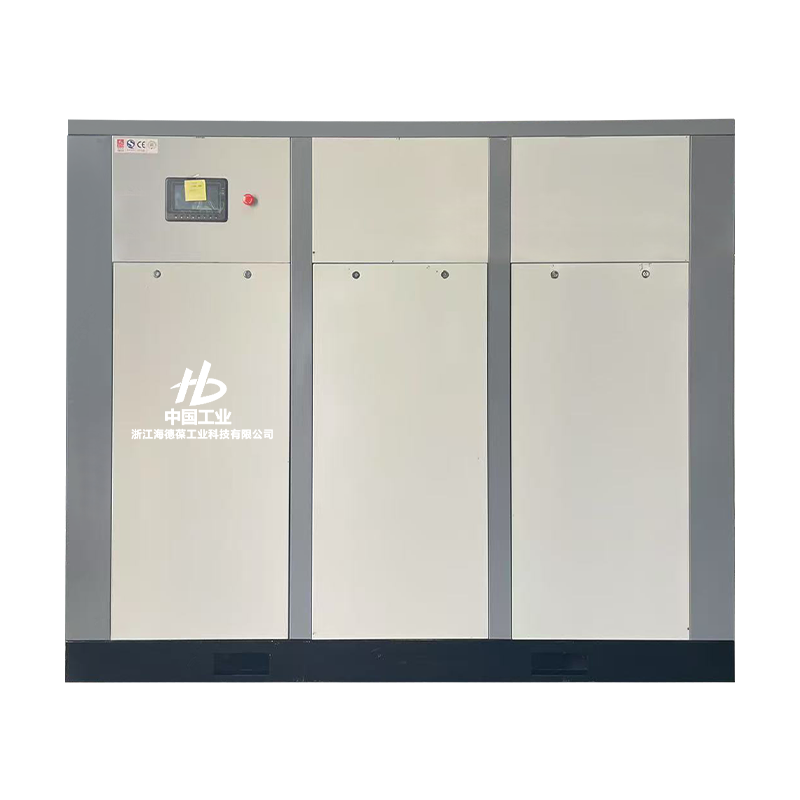
A micro-oil screw air compressor delivers compressed air with an oil content typically below 3 ppm — low enough for most industrial applications that can't tolerate significant contamination but don't require the absolute zero-oil output of oil-free models. It achieves this by injecting a small, precisely controlled amount of lubricating oil into the compression chamber, then separating that oil from the air downstream through a multi-stage filtration system before the air leaves the unit.
This design sits in a deliberate middle ground. Fully lubricated screw compressors push oil carryover above 5–10 ppm and require additional downstream filtration for sensitive applications. Truly oil-free screw compressors eliminate carryover entirely but cost 40–70% more upfront and carry higher maintenance bills. Micro-oil compressors deliver near-clean air at a price point and reliability level that most production environments find far easier to justify.
Understanding the internal process helps when sizing or troubleshooting these systems. The cycle moves through four distinct stages:
The oil itself circulates continuously through a thermostatic bypass valve and oil cooler, maintaining viscosity in the optimal range. Most manufacturers recommend synthetic or semi-synthetic fluids rated for 4,000–8,000-hour intervals in micro-oil service.
Spec sheets list dozens of values, but these four drive the majority of application decisions:
| Parameter | Typical Range | Why It Matters |
|---|---|---|
| Specific Power (kW/m³/min) | 5.5 – 7.5 | Directly sets operating cost; lower is better |
| Oil Carryover | ≤3 ppm (outlet) | Determines downstream filter requirements |
| Pressure Range | 7 – 13 bar | Must match network demand without oversizing |
| Free Air Delivery (FAD) | 0.5 – 120 m³/min | True volumetric output at rated conditions |
A common sizing mistake is selecting a compressor based on displacement rather than FAD. A unit rated at 10 m³/min displacement may deliver only 8.5 m³/min FAD at 8 bar — a 15% gap that creates chronic pressure drop in undersized installations. Always request FAD data at the actual working pressure, not at minimum rated pressure.
The drive configuration determines how the compressor responds to variable demand — and it has a direct impact on energy costs, which typically represent 70–80% of total lifecycle cost over a ten-year period.
Fixed-speed units run the motor at a constant RPM and regulate output through load/unload cycling. When demand drops, the compressor unloads (stops compressing) but continues running, consuming roughly 25–35% of full-load power at idle. If a system spends more than 40% of its time idling, that wasted energy adds up fast. These units suit applications with stable, near-constant demand — typically above 70% average load factor.
A VSD compressor adjusts motor speed — and therefore output — continuously to match demand. At 50% demand, the motor runs at roughly 50% speed, consuming close to 50% of rated power rather than 70–80% with a fixed-speed equivalent. In facilities with fluctuating demand (shift changes, batch processes, seasonal variation), VSD units routinely show energy savings of 20–35% versus fixed-speed equivalents. The additional upfront cost — typically 15–25% more — is often recovered within 18–30 months of operation.
One practical note: VSD compressors have a minimum speed threshold, usually around 25–30% of rated output. Below that, they revert to load/unload cycling. For very small or intermittent loads, a smaller fixed-speed unit may be more appropriate than an oversized VSD.
This compressor type is not suited to every situation. Knowing where it excels — and where it doesn't — prevents expensive mismatches.
Screw compressors have a reputation for low maintenance, but that reputation is earned only when service intervals are respected. The most common failure pathway in micro-oil units is separator element degradation — a clogged or ruptured separator raises carryover dramatically and accelerates oil consumption, often going undetected until downstream equipment is fouled.
| Component | Typical Interval | Consequence of Delay |
|---|---|---|
| Air filter element | 500 – 2,000 hr | Rotor wear, reduced FAD |
| Oil separator element | 2,000 – 4,000 hr | High carryover, excess oil consumption |
| Compressor oil | 4,000 – 8,000 hr (synthetic) | Varnish deposits, bearing damage |
| Oil filter | Every oil change | Contaminated oil reaching rotors |
| Drive belts (belt-drive models) | 4,000 hr or annually | Slip loss, unexpected downtime |
| Inlet valve / modulation valve | Every 2 years | Control instability, pressure fluctuation |
Oil analysis at each change is inexpensive — typically $25–50 per sample — and provides early warning of bearing wear through metal particle content. Facilities that implement oil analysis programs commonly extend bearing life by 20–30% by catching degradation before it becomes catastrophic.
Approximately 90–94% of the electrical energy consumed by a screw compressor is converted to heat — heat that's normally rejected through the oil cooler and aftercooler. In a micro-oil unit, this heat is concentrated and consistent, making it far more recoverable than the diffuse heat losses from other plant equipment.
A plate heat exchanger installed on the oil cooling circuit can extract hot water at 55–70 °C, usable for:
In a real-world example: a 75 kW compressor running 6,000 hours per year at $0.12/kWh generates roughly $54,000 in annual energy cost. Recovering 70% of the heat output and displacing natural gas heating at a gas equivalent of $0.08/kWh-thermal can offset $15,000–20,000 per year in heating costs — a meaningful contribution to overall site efficiency without changing the compressed air system itself.
Even a well-specified micro-oil screw compressor will underperform if site conditions work against it. The following installation factors have a measurable impact on both efficiency and longevity:
Most compressors are rated at 20–25 °C ambient. For every 5 °C above the rated ambient temperature, expect approximately 1% reduction in FAD and increased thermal shutdown risk. Compressor rooms should be ventilated to keep ambient temperatures below 40 °C, with dedicated hot-air exhaust ducting to prevent recirculation of cooling air. In climates with summer peaks above 35 °C, oversizing the ventilation system by 20–30% is a practical safeguard.
Airborne dust, solvent vapors, or silica accelerate air filter blinding and contaminate the oil. In dusty environments (casting shops, stone processing, grain handling), pre-filter housings with washable mesh elements upstream of the main air filter can triple filter element life and significantly reduce maintenance cost. Never position the inlet near solvent cleaning stations or vehicle exhaust — hydrocarbon vapors degrade oil faster and raise carryover.
Undersized distribution pipework causes pressure drop between the compressor outlet and the point of use — forcing the compressor to run at higher discharge pressure to compensate. Every 1 bar of excess pressure adds approximately 6–7% to energy consumption. A ring main design, rather than a branching tree layout, equalizes pressure across the network and reduces peak demand on the compressor, allowing VSD units to run at lower average speeds.
Purchase price typically represents only 12–18% of ten-year total cost of ownership (TCO) for a screw compressor. Evaluating alternatives on capital cost alone is one of the most common — and costly — procurement errors in compressed air.
A structured TCO comparison should include:
When comparing a micro-oil unit against an oil-free alternative, the oil-free unit's higher capital cost is often offset by lower consumable cost (no separator elements, simpler oil circuit). But the micro-oil unit's lower energy consumption per unit of output — due to better sealing efficiency — frequently tips the TCO calculation back in its favor for high-utilization applications running more than 5,000 hours per year.
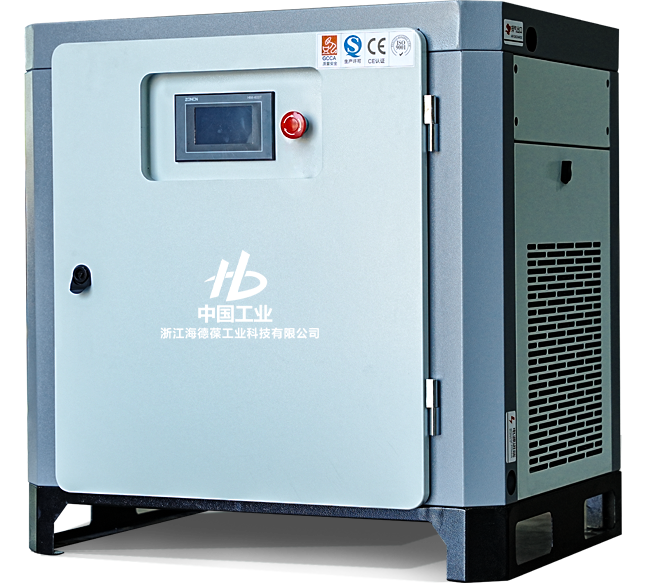
Thermodynamic Compression Profile, Multi-Stage Oil Separation Kinetics, and Rotor Meshing Dynamics of Micro-Oil Screw Air Compressors

Less Oil, More Air: The Engineering Case for the Micro-Oil Screw Air Compressor
Your email address will not be published. Required fields are marked *

A dedicated after-sales service department is established, consisting of a professional sales team and skilled technical engineers. They are committed to providing year-round support, traveling to customer locations to deliver prompt and high-quality service.

Tel:86-0570-7221666

E-mail:[email protected]

Add: No.2 Qiming Road, Zhejiang Longyou Economic Development Zone, Mohuan Township, Longyou County, Quzhou City, Zhejiang Province, China
Copyright © Zhejiang Haidebao Industrial Technology Co., Ltd.

Custom Industrial Screw Air Compressor Manufacturers