
 EN
EN  English
 Español
 عربى
عربى
Product Consultation
Your email address will not be published. Required fields are marked *

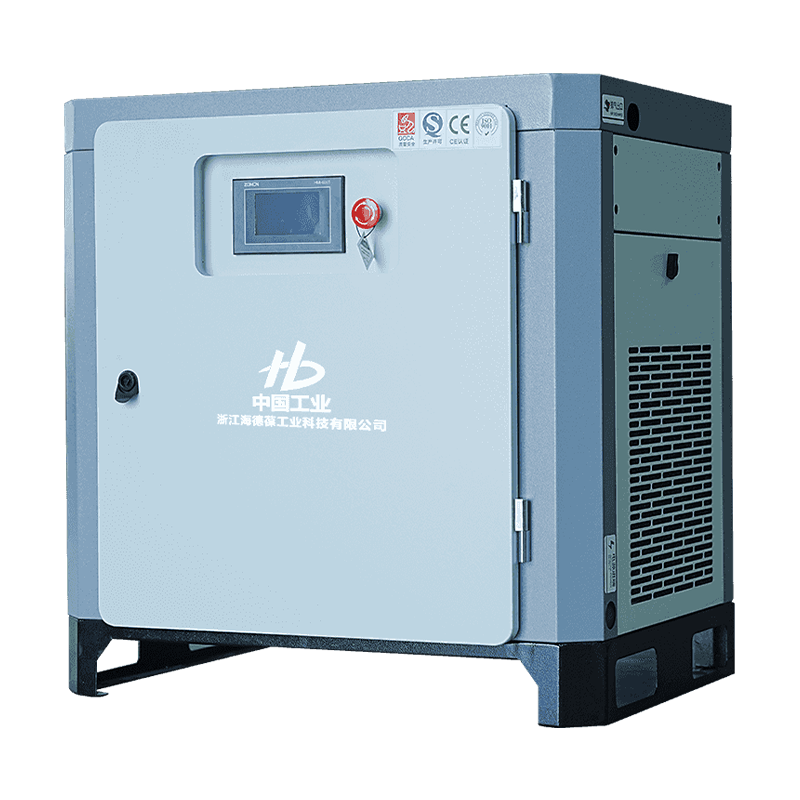
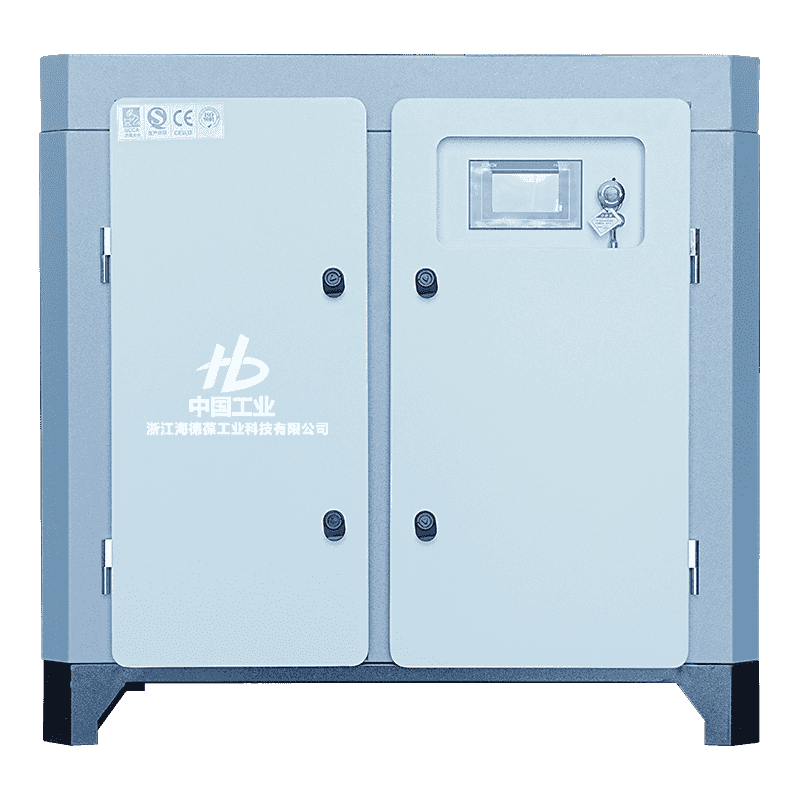
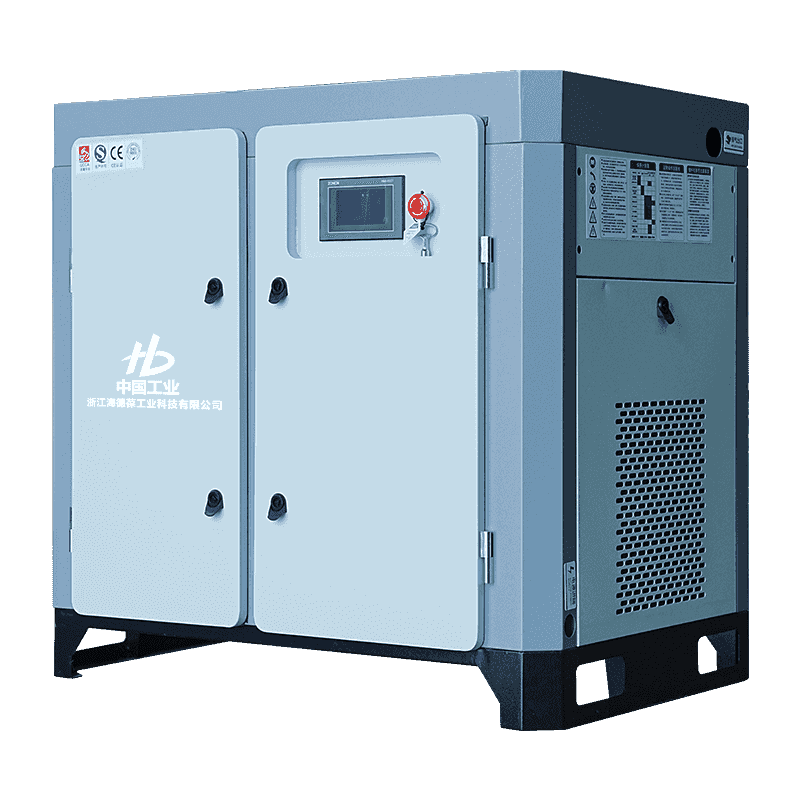
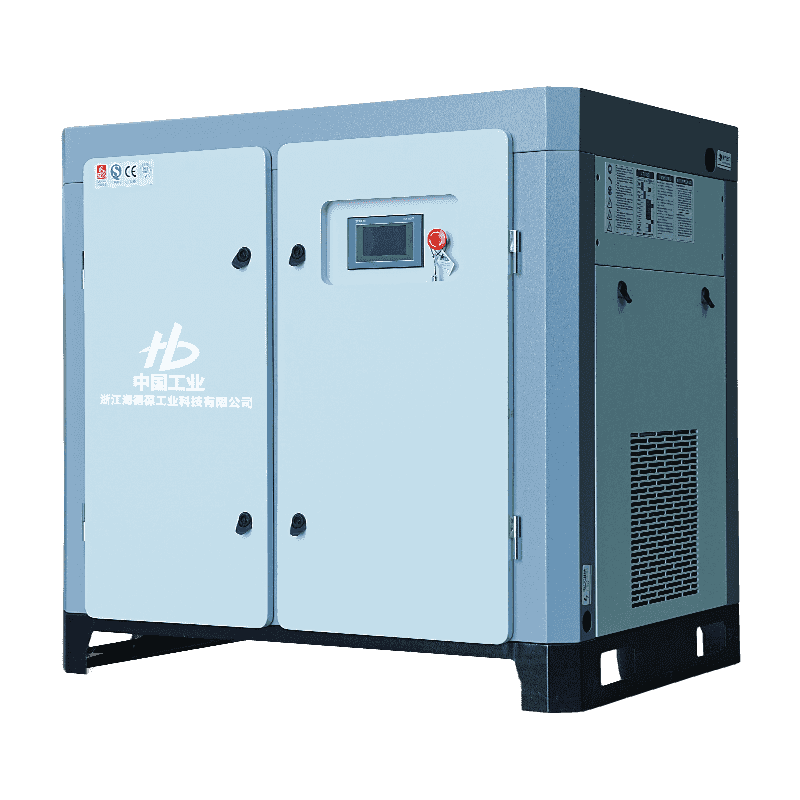
Micro-oil twin-screw air compressors are commonly used in industrial environments where stable air supply and continuous operation are required. These compressors rely on a small amount of lubricating oil to seal gaps, reduce friction, and manage heat within the compression chamber. Full-load operation refers to running the compressor at or near its rated capacity for extended periods. While such operating conditions are often within design parameters, prolonged full-load use can influence performance stability over time, depending on system design, operating environment, and maintenance practices.
The twin-screw mechanism compresses air through the meshing of male and female rotors. In micro-oil systems, a controlled oil injection supports sealing and cooling without introducing large quantities of lubricant into the compressed air. Over extended full-load operation, internal components are subjected to sustained thermal and mechanical stress. These stresses do not immediately cause failure but can gradually affect clearances, oil condition, and heat dissipation efficiency, which may contribute to observable performance changes.
Continuous operation at full load generates consistent heat within the compression chamber and downstream components. Although cooling systems are designed to manage this heat, prolonged exposure can lead to elevated operating temperatures if cooling efficiency decreases. Over time, higher temperatures may accelerate oil aging, affect seal elasticity, and influence bearing lubrication. These factors can collectively contribute to reduced volumetric efficiency or increased energy consumption without indicating sudden malfunction.
Micro-oil compressors depend on oil quality to maintain stable operation. During long-term full-load operation, oil is exposed to heat, pressure, and air contaminants. Gradual oxidation and viscosity changes may occur, even when oil meets initial specifications. As oil properties shift, its ability to seal rotor gaps and reduce friction may decline slightly. This can manifest as increased internal leakage or reduced compression efficiency, which may be perceived as performance degradation.
| Oil Characteristic | Potential Change Over Time | Operational Impact |
|---|---|---|
| Viscosity | Gradual increase or decrease | Influences sealing and lubrication |
| Oxidation Level | Progressive rise | Affects thermal stability |
| Contaminant Content | Slow accumulation | May increase wear risk |
| Additive Effectiveness | Gradual reduction | Reduces protective properties |
Full-load operation places consistent torque and axial forces on rotors, bearings, and gears. While these components are designed for durability, continuous stress can lead to gradual wear over long periods. Bearing clearances may increase slightly, and rotor surface conditions can change. Such wear does not typically cause immediate failure but may reduce compression efficiency or increase vibration levels, contributing to perceived performance decline.
Bearings and seals play a critical role in maintaining internal alignment and preventing leakage. During prolonged full-load operation, these components experience steady loads and elevated temperatures. Over time, seal materials may lose some elasticity, and bearing lubrication films may become less stable if oil quality changes. These factors can lead to minor internal losses that affect overall compressor output and energy efficiency.
The cooling system, whether air-cooled or water-cooled, is essential for controlling operating temperature. Over extended full-load operation, heat exchangers may accumulate dust, scale, or oil residues. Even small reductions in heat transfer efficiency can raise internal temperatures. This gradual change can amplify other aging effects, such as oil degradation and component wear, making cooling system condition a key factor in long-term performance stability.
| Cooling Component | Typical Long-Term Change | Possible Effect |
|---|---|---|
| Heat Exchanger | Surface fouling | Reduced heat dissipation |
| Cooling Fan or Pump | Efficiency variation | Lower cooling capacity |
| Coolant or Airflow | Flow restriction | Temperature rise |
| Thermal Sensors | Calibration drift | Less accurate control |
Ambient conditions influence compressor performance, especially during continuous full-load operation. High inlet air temperatures reduce air density, which can affect mass flow and efficiency. Dusty or humid environments may increase filter loading and moisture content within the system. Over time, these factors can indirectly contribute to performance changes by affecting cooling efficiency, oil condition, and internal cleanliness.
Air intake filters and oil separation systems are critical for protecting internal components. During prolonged full-load use, filters may become saturated more quickly, increasing pressure drop. Higher pressure drop can reduce effective airflow and increase energy consumption. If filtration efficiency declines, contaminants may enter the compression chamber, accelerating wear and influencing long-term performance behavior.
One indicator of performance degradation is a gradual increase in specific energy consumption. As internal leakage increases slightly or friction rises due to wear, the compressor may require more power to deliver the same air output. This change is often subtle and occurs over extended periods, making it noticeable primarily through long-term monitoring rather than immediate observation.
Modern micro-oil twin-screw air compressors are equipped with control systems that adjust operation based on temperature, pressure, and load. During long-term full-load operation, control parameters may remain at upper operating ranges for extended periods. While this is generally acceptable, prolonged operation near limits can reduce the margin for compensating aging-related changes, making small efficiency losses more apparent.
| Indicator | Observed Trend | Interpretation |
|---|---|---|
| Discharge Temperature | Gradual increase | Possible cooling or oil changes |
| Specific Power | Slight rise | Efficiency reduction |
| Air Delivery | Minor decrease | Internal leakage or wear |
| Vibration Level | Slow increase | Bearing or alignment changes |
Compressors operating intermittently have periods of lower thermal and mechanical stress, allowing components to cool and oil to stabilize. In contrast, continuous full-load operation maintains steady stress levels. While micro-oil twin-screw air compressors are often designed for continuous duty, the absence of load variation can accelerate cumulative aging effects, making performance degradation more noticeable over long service intervals.
Rotor profiles, bearing selection, oil injection strategy, and cooling capacity all influence how well a compressor tolerates prolonged full-load operation. Designs with balanced rotor loads and efficient heat management tend to maintain performance more consistently. However, even robust designs can experience gradual changes if operating conditions remain demanding over extended periods.
Regular maintenance plays a significant role in mitigating performance degradation. Timely oil changes, filter replacement, and heat exchanger cleaning help maintain operating conditions closer to initial design parameters. In systems running continuously at full load, maintenance intervals may need adjustment to account for increased thermal and mechanical stress, supporting more stable long-term operation.
Condition monitoring tools such as temperature sensors, vibration analysis, and oil sampling provide insight into gradual performance changes. These methods allow operators to identify trends associated with prolonged full-load operation before they develop into more significant issues. Continuous monitoring supports informed decisions about maintenance timing and operating adjustments.
It is not unusual for micro-oil twin-screw air compressors to show some level of performance change after extended full-load operation. These changes are typically gradual and influenced by cumulative thermal exposure, oil condition, and component wear. Understanding these factors helps set realistic expectations and supports effective management of compressor performance over its service life.
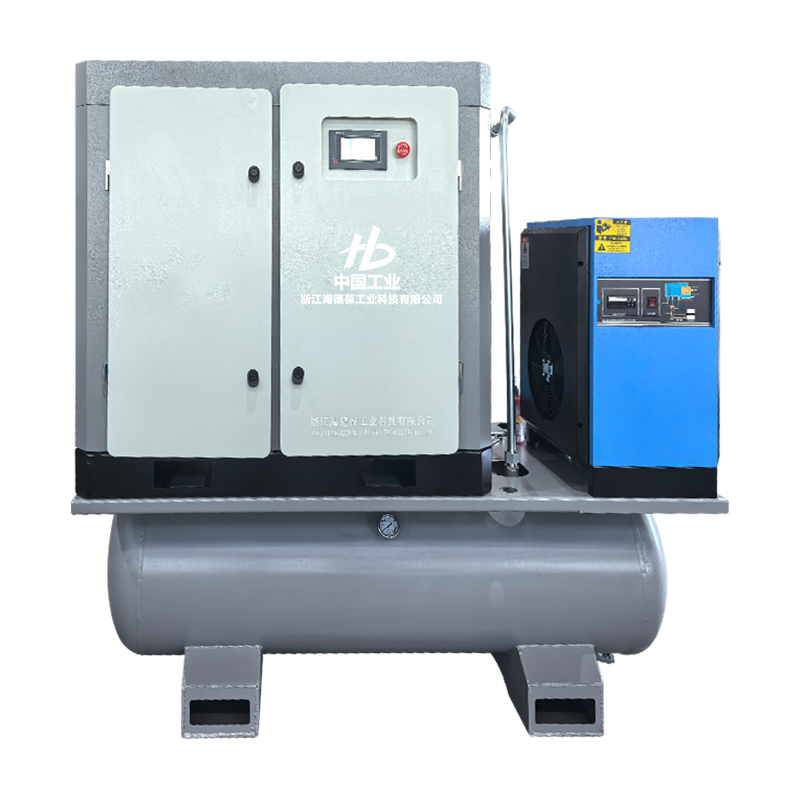
How stable is the performance of the micro-oil twin screw single-stage compressor under different operating conditions?

How efficient is a twin screw air compressor in terms of energy consumption?
Your email address will not be published. Required fields are marked *

A dedicated after-sales service department is established, consisting of a professional sales team and skilled technical engineers. They are committed to providing year-round support, traveling to customer locations to deliver prompt and high-quality service.

Tel:86-0570-7221666

E-mail:[email protected]

Add: No.2 Qiming Road, Zhejiang Longyou Economic Development Zone, Mohuan Township, Longyou County, Quzhou City, Zhejiang Province, China
Copyright © Zhejiang Haidebao Industrial Technology Co., Ltd.

Custom Industrial Screw Air Compressor Manufacturers