
 EN
EN  English
 Español
 عربى
عربى

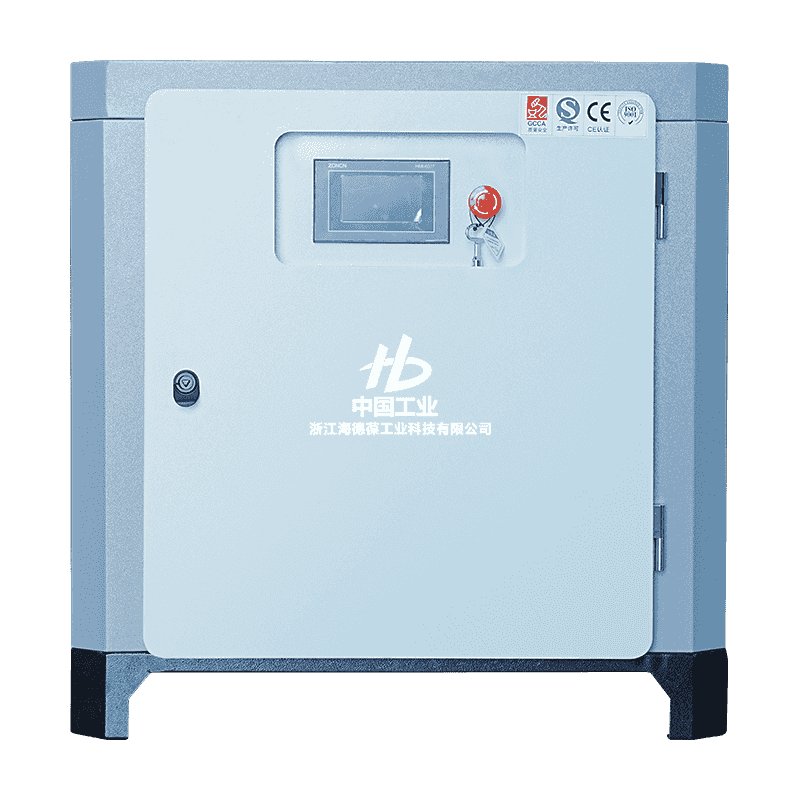
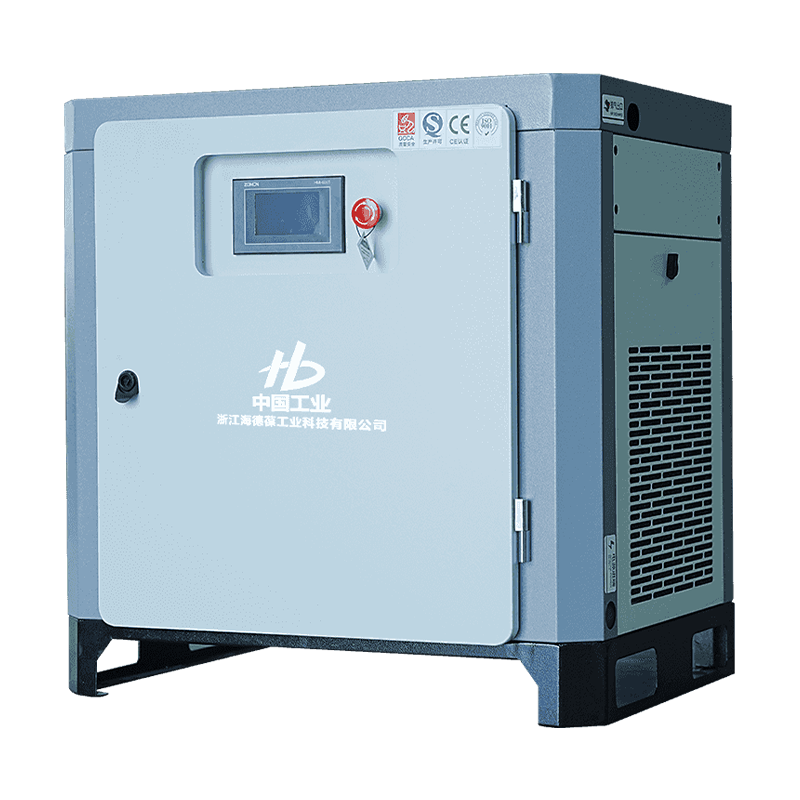
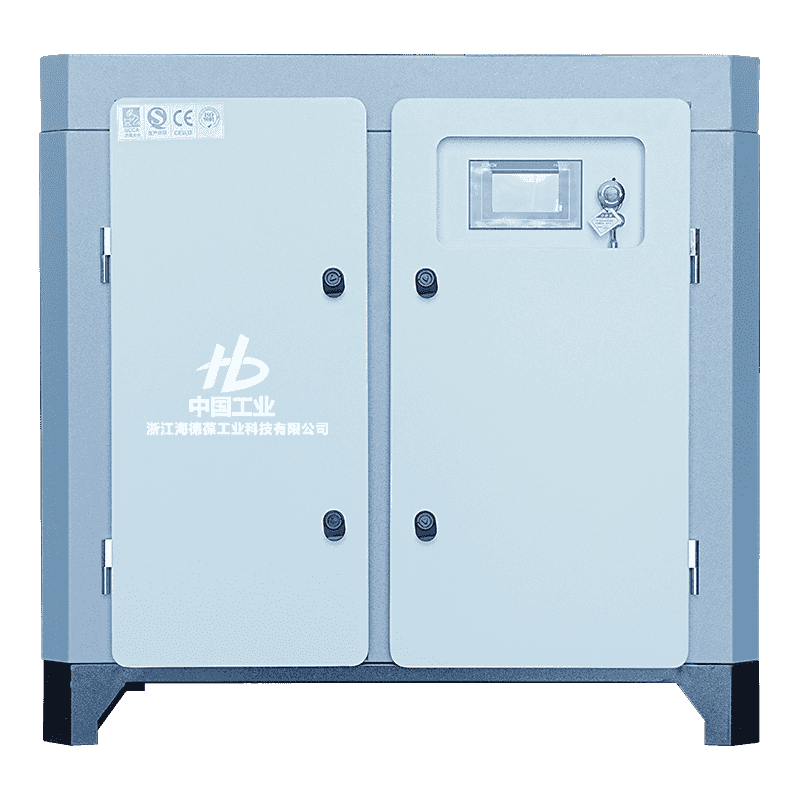
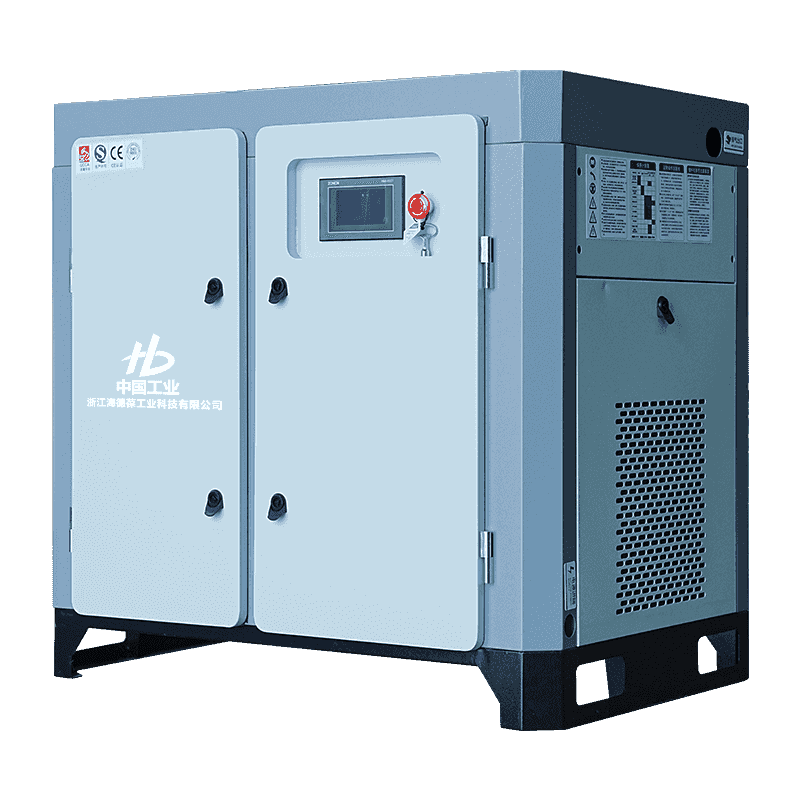
Product Consultation
Your email address will not be published. Required fields are marked *

If your plant air pressure drops below 6 bar whenever a second line starts up, the problem is not a bad valve — it is a compressor that has run out of duty cycle. Piston machines are designed to cycle on and off; a screw drive air compressor is designed to run. Rotary screw units compress air continuously with two meshing rotors, which makes them the standard choice for any operation that needs compressed air for more than half of the working day. This article explains how screw drive air compressors work, how oil-injected and oil-free designs differ, how single-stage and two-stage layouts compare, and what to verify before you sign an order.
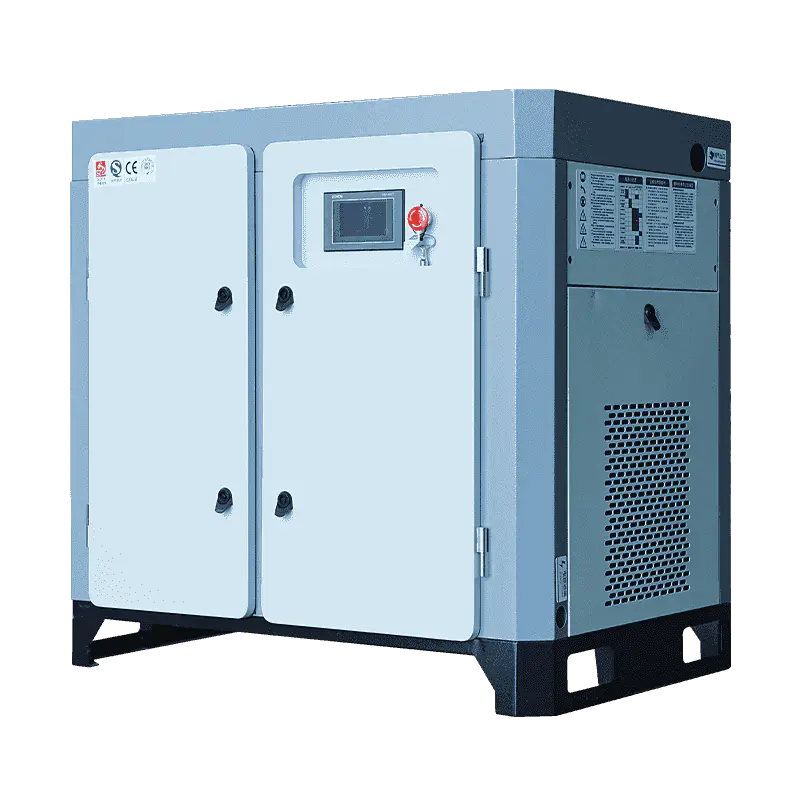
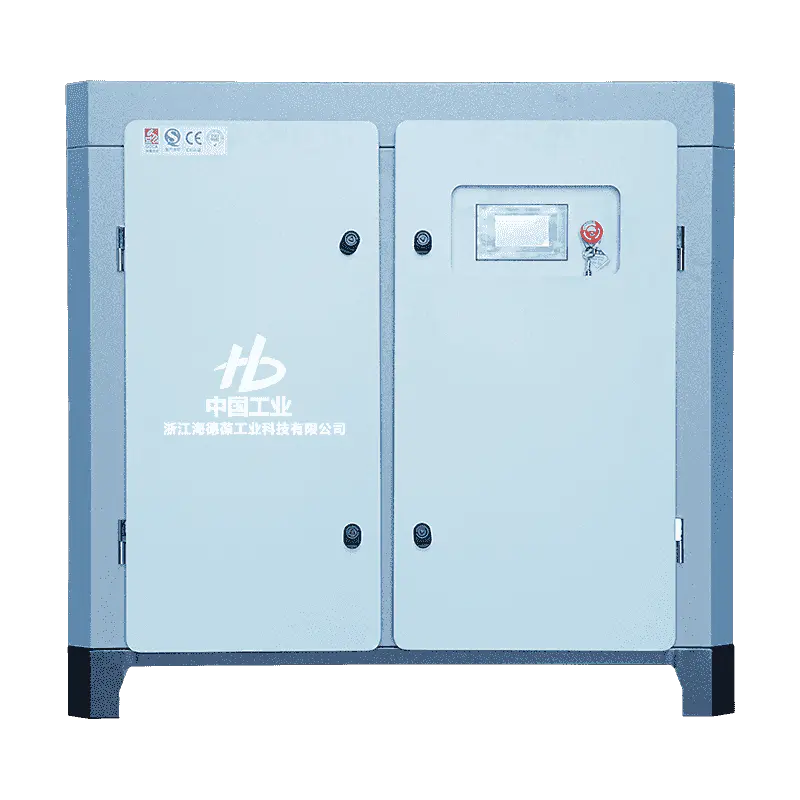
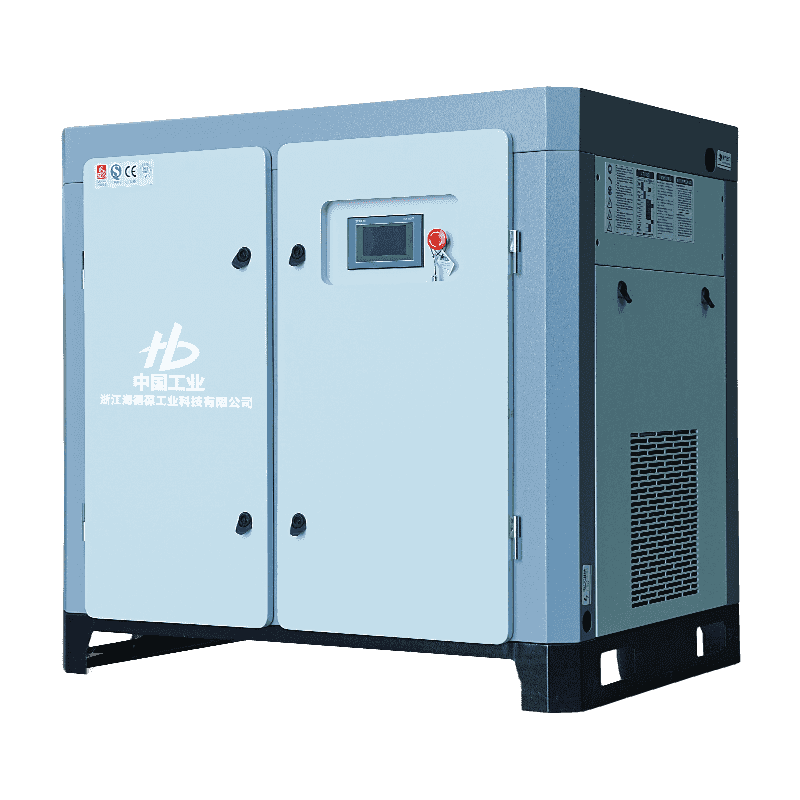
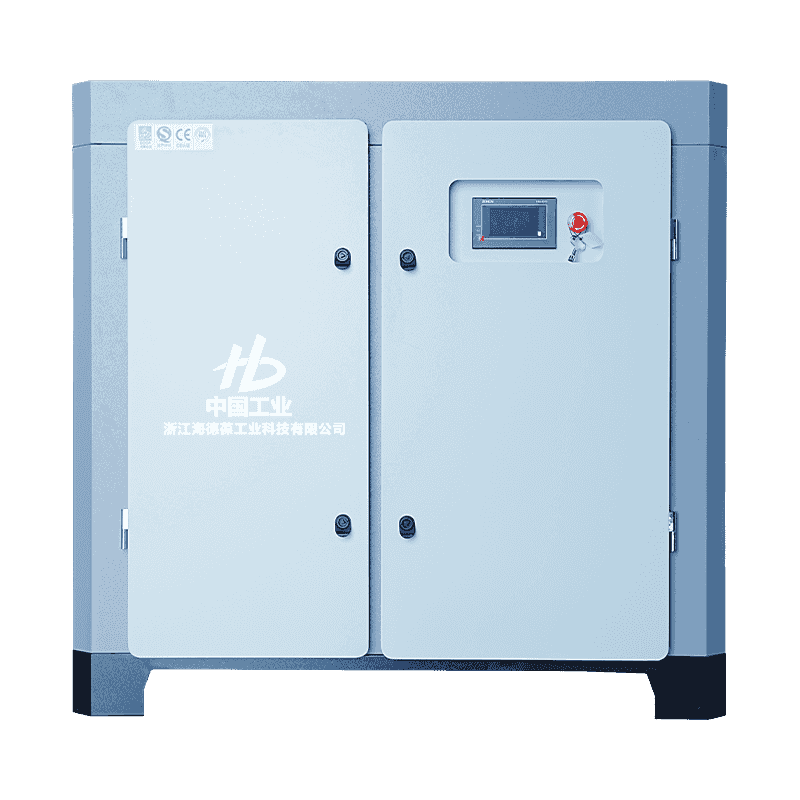
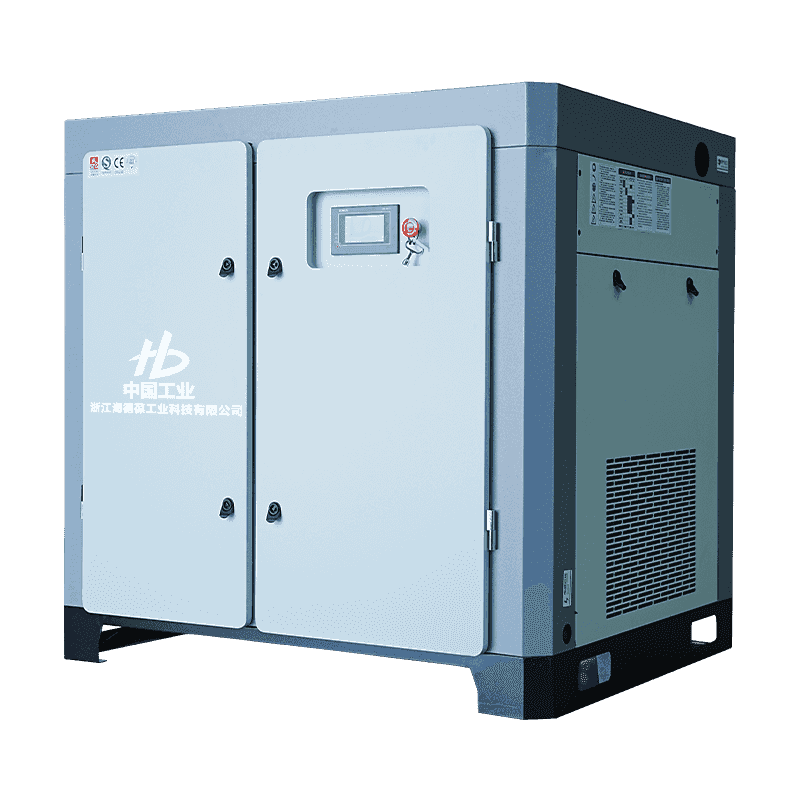
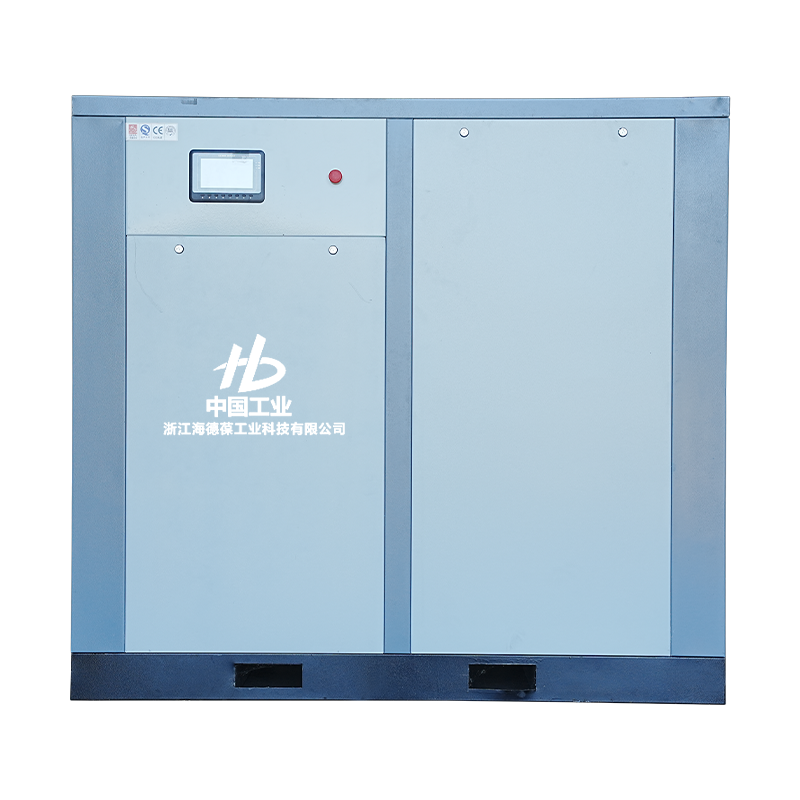
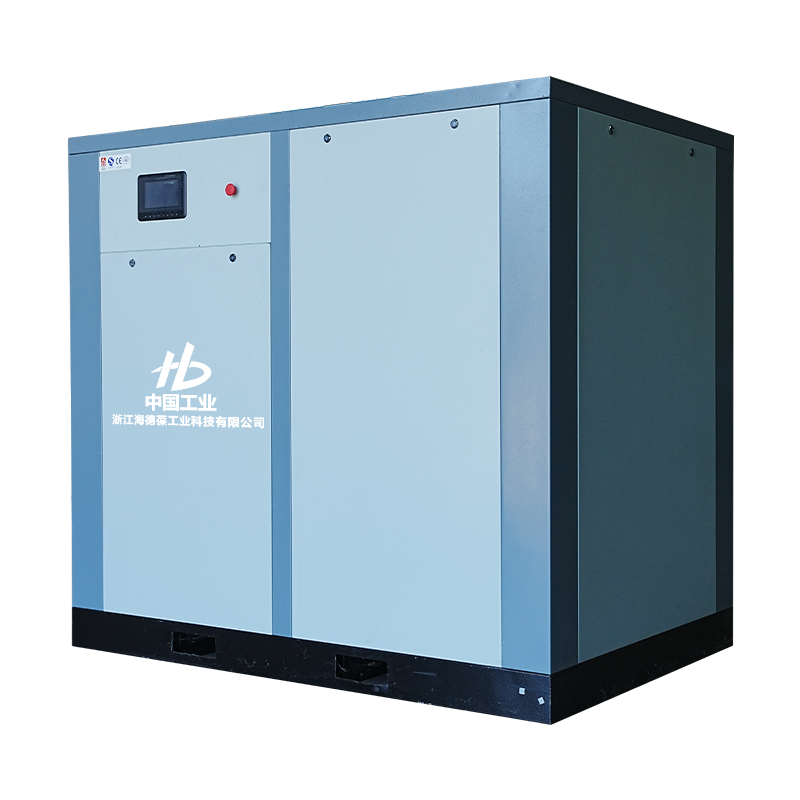
A screw drive air compressor — also listed as a rotary screw or twin-screw air compressor — uses a pair of helical rotors inside a tight-fitting chamber. As the rotors turn, the space between them shrinks, trapping air and raising its pressure continuously rather than in pulses. The compressed air exits at a steady flow, which is why manufacturing lines, CNC machining, packaging, and assembly equipment run more consistently on screw compressors than on reciprocating types.
The two rotors never touch each other or the housing. In oil-injected designs, a film of lubricant separates the metal surfaces, removes compression heat, and seals the leakage gaps. In oil-free designs, timing gears keep the rotors synchronized so no oil is needed inside the compression chamber. In both cases the result is the same: high flow output from a compact package, with the ability to operate at 100 percent duty cycle as long as the unit is properly sized.
Compared with a piston compressor of equal power, a screw drive air compressor is quieter, vibrates less, and produces cooler discharge air. It also carries a higher first cost, so the buying decision comes down to duty and total cost of ownership rather than sticker price alone.
Compressor buyers face the oil decision before any other choice, because it drives both purchase price and future operating costs.
Oil-injected — often described as micro-oil — screw compressors inject lubricant into the compression chamber. The oil cools the rotors, seals clearances, and protects the air end from wear. Downstream, an oil separator removes most of the lubricant and leaves a residual oil content of roughly 2–5 parts per million in a well-maintained unit. That level is acceptable for pneumatic tools, sandblasting, general manufacturing, textile, and packaging applications, but not for food, pharmaceutical, or electronics plants where oil-free air is mandatory.
Oil-free screw compressors use precision timing gears so the rotors never touch, which means no lubricant enters the compression chamber. The discharged air can meet ISO 8573-1 Class 0 for residual oil, the strictest classification used by auditors. The trade-offs are a higher initial price and slightly higher energy consumption for the same flow, because an oil-free air end cannot use oil as a sealant.
| Factor | Oil-Injected (Micro-Oil) | Oil-Free |
|---|---|---|
| Air purity | Residual oil about 2–5 ppm | ISO 8573-1 Class 0 |
| First cost | Lower | Higher |
| Energy use at same flow | Slightly lower | Slightly higher |
| Maintenance | Oil, filter, and separator changes | Timing gears; no oil-change cycle |
| Typical industries | General manufacturing, workshops, construction, textiles | Food and beverage, pharmaceutical, electronics, chemicals |
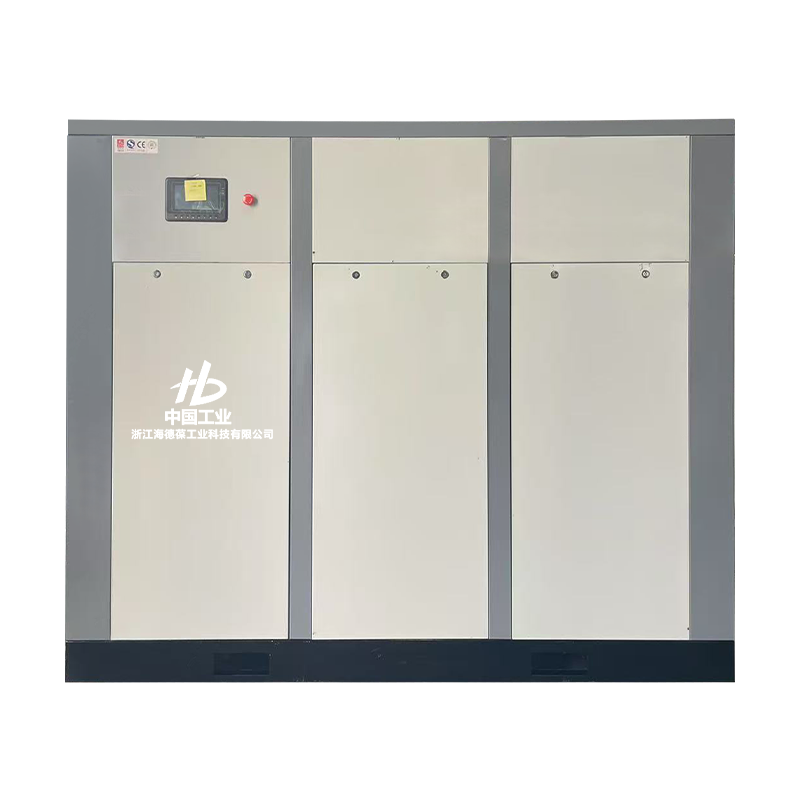
A manufacturer that builds both families, such as Haidebao in Zhejiang, China, can present real test data for the micro-oil and oil-free ranges in the same package size. If your process demands certified clean air, an oil-free screw unit removes oil changes and ISO 8573-1 compliance risk from the maintenance schedule.
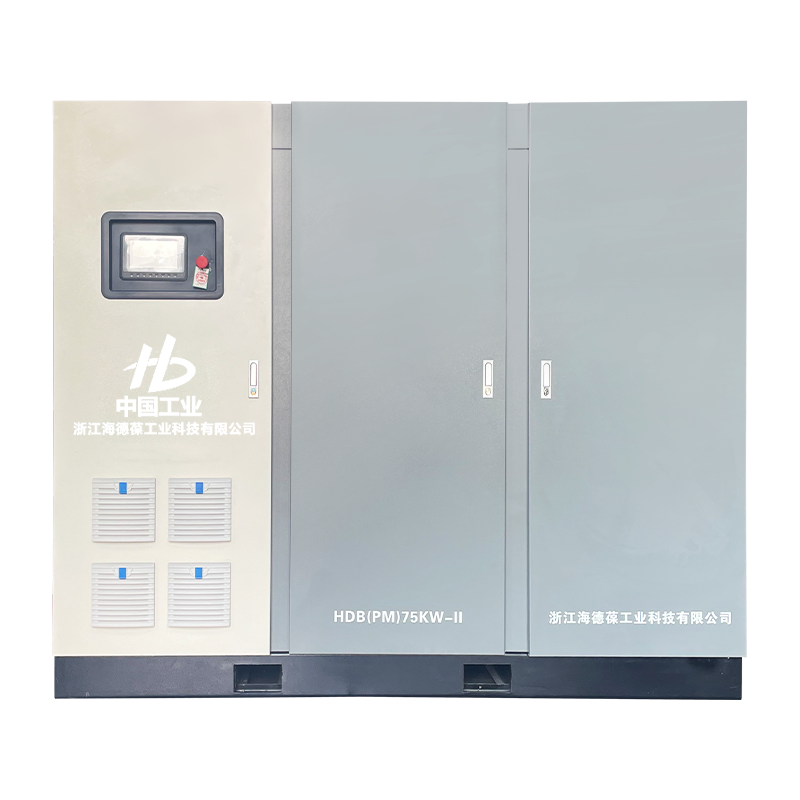
 Oil-Free Screw Air Compressor with Permanent Magnet MotorThis oil-free compressor from Haidebao suits processes needing certified clean air. Its high-speed permanent magnet motor and carbon fiber binding are designed for stable, efficient long-term operation.View Product →
Screw air compressors also differ in how many times the air is compressed. A single-stage unit raises atmospheric pressure to the final working pressure, normally 100–145 psi (7–10 bar), in one pass through the air end. That layout is simple, compact, and sufficient for most shops up to 75 hp.
A two-stage unit compresses the air in a first rotor set, cools it, and sends it into a second rotor set. Because compression happens in steps, less motor energy turns into heat and the screw elements run at a lower internal temperature. Buyers typically see three results: slightly better energy efficiency at higher pressures, longer service life for seals and bearings, and more stable discharge temperatures during heavy continuous duty. Two-stage construction matters most when the machine runs near full load for most of the day at pressures above 10 bar.
For most workshop pressures and intermittent loads, a single-stage unit gives the best balance of first cost and efficiency.
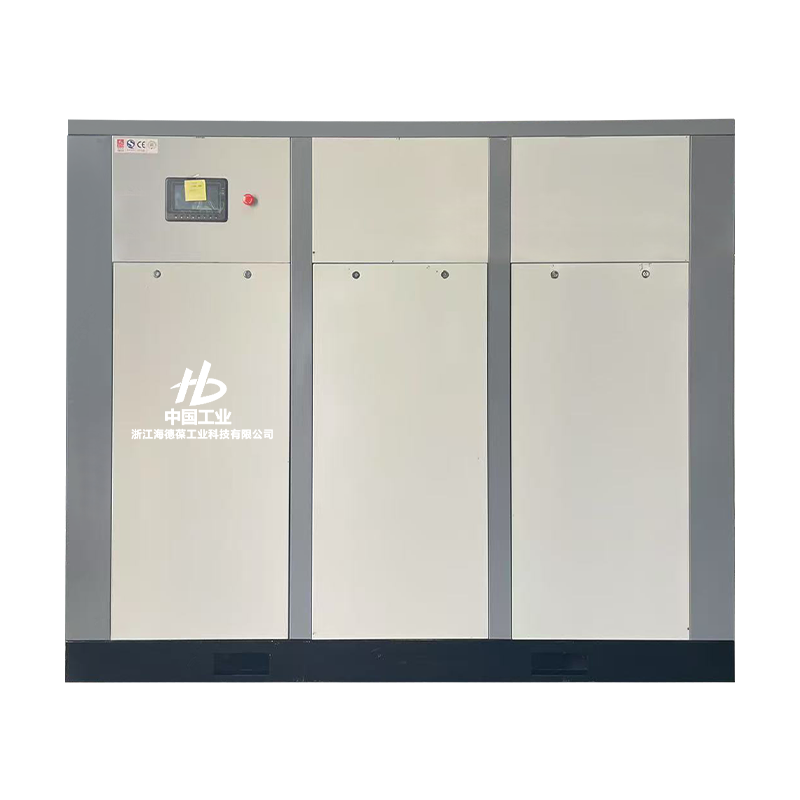
Single-Stage Micro-Oil Screw Compressor with Frequency ConversionA single-stage option balancing first cost and efficiency for typical workshop pressures. Frequency conversion adjusts speed to load, while reduced backflow leakage can improve volumetric efficiency by 10-15%.View Product →Once the oil and stage decisions are made, sizing comes next. Motor power in horsepower gives a rough guide to airflow, but the number to ask for is the free air delivery (FAD) in cfm or m³/min at your working pressure. Every manufacturer supplies an FAD data sheet; old pipework, restrictive filters, or an undersized dryer can quietly reduce what actually reaches your machines.
| Motor Power | Typical FAD (cfm) | Best Fit |
|---|---|---|
| 10 hp | 38–50 | Single work cells, small repair shops |
| 20 hp | 75–95 | Machine shops, small plants |
| 30 hp | 110–140 | Multi-machine workshops, one-shift lines |
| 50 hp | 185–230 | Continuous manufacturing across shifts |
| 75 hp | 270–330 | Plant-wide supply, heavier duty cycles |
| 100–120 hp | 380–530 | High-demand plants running near full load |
A simple sizing method works for most plants:
If demand varies through the day, discuss a variable-speed option or a two-compressor cascade with the supplier. For high continuous loads, a two-stage unit in the 100–120 hp class can return lower energy cost per cfm than a single-stage machine pushed to its limit.
Two-Stage Micro-Oil Screw Compressor for High Continuous LoadsFor continuous high-load applications, this two-stage unit in the 100-120 hp class aims to lower energy cost per cfm. Its optimized rotor design and CAE analysis support stable high-load performance.View Product →Beyond the data sheet, the purchase decision should include the manufacturer, the package, and the service plan.
First, check the quality system and certifications. A factory that operates under ISO 9001 quality management and holds CE certification is more likely to deliver consistent machines and complete documentation. Ask for the test report for your specific unit, including flow, pressure, and absorbed power values. When the price gap between quotations is large, a factory audit is the fastest way to judge assembly and testing discipline at the production facility.
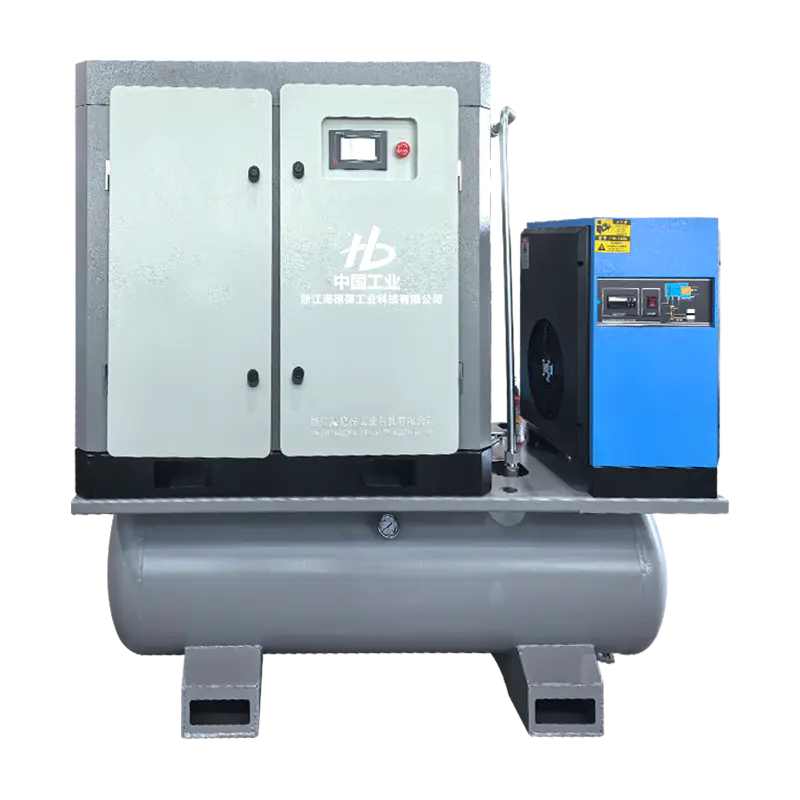
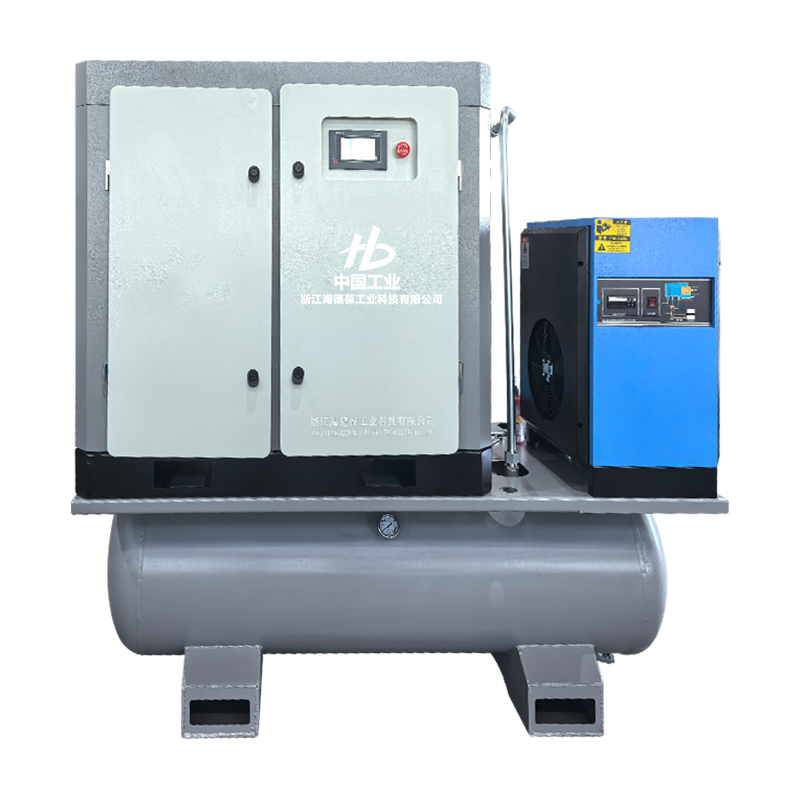
Second, look at what is included in the price. Many screw compressor quotations include the dryer, receiver, and inlet filter; a bare compressor without air treatment still sends wet, dirty air to your tools. Check the noise rating in dB(A), the operating ambient temperature range, and the controller functions.
Third, plan maintenance from day one. Screw units need periodic oil changes, usually every 2,000–4,000 hours depending on oil type, plus air filter, oil separator, and moisture separator drain checks. These consumables form the largest share of operating cost, so a slightly more efficient unit can repay its price difference within a few years of continuous operation.
Fourth, confirm after-sales support. Ask about the air end warranty, spare-parts lead time, and whether technicians can visit your site. A manufacturer with a dedicated service team and export experience is safer than a machine with a popular brand badge but no local support. For a broader comparison of compressor families before you choose, read the full guide to air compressor types.
If compressed air runs for more than about one-third of your working day, a screw drive air compressor is the right investment. Choose oil-injected when air purity is not critical and first cost matters; choose oil-free when certification or product safety demands it. Choose single-stage for typical shop pressures and two-stage for heavy continuous duty at higher pressures. Size against measured demand with a small expansion margin, verify the manufacturer's FAD and quality certificates, and budget for scheduled maintenance. Buyers who work through those points in order rarely end up with the wrong machine.
Your email address will not be published. Required fields are marked *

A dedicated after-sales service department is established, consisting of a professional sales team and skilled technical engineers. They are committed to providing year-round support, traveling to customer locations to deliver prompt and high-quality service.

Tel:86-0570-7221666

E-mail:[email protected]

Add: No.2 Qiming Road, Zhejiang Longyou Economic Development Zone, Mohuan Township, Longyou County, Quzhou City, Zhejiang Province, China
Copyright © Zhejiang Haidebao Industrial Technology Co., Ltd.

Custom Industrial Screw Air Compressor Manufacturers